







Introduction:Jamaican Blue Mountain and Indonesian Golden Mandheling, both legendary coffees in the coffee world, showcase distinctly different flavor profiles. This article delves into a detailed comparison of the two in terms of origin environment, processing methods, green bean characteristics, cupping flavors, and pour-over extraction, while also providing practical brewing parameters to help coffee enthusiasts better understand these two classic beans and find their personal favorites.
Among the many coffee options, when it comes to representing richness and high quality, Mandheling and Blue Mountain are almost always mentioned together. However, not only do these two come from vastly different origins, but their processing methods and flavor directions also differ markedly. This article will provide a comprehensive comparison covering growing regions, processing techniques, green bean appearance, flavor expression, and pour-over parameters to help readers deeply grasp the unique qualities of these two renowned coffee beans.
Whether you’re a newcomer to specialty coffee or an experienced enthusiast, this detailed comparison will not only help clarify common misconceptions but also allow you to choose the most suitable coffee experience based on your personal taste preferences. Additionally, we’ve compiled practical pour-over recommendations so you can easily recreate a professional-level tasting experience at home.
Vastly Different Origin Environments
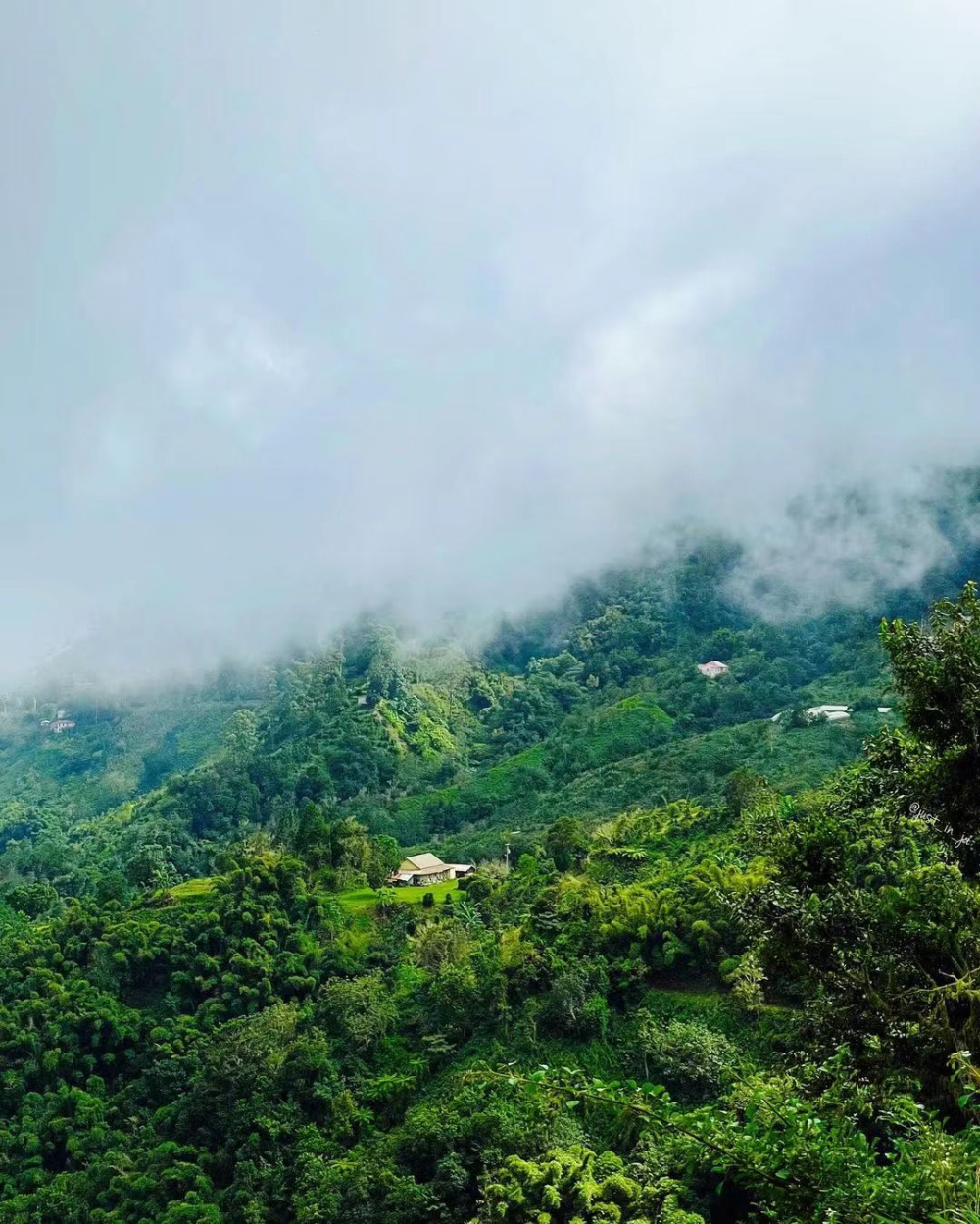
The Jamaican Blue Mountain coffee region is located in the eastern part of Jamaica, an island in the Caribbean Sea, known as the Blue Mountains. This area features rugged terrain with elevations reaching up to 2,256 meters, but the suitable coffee-growing zones are limited to areas below 1,700 meters in altitude. Due to the towering mountains and the blue light reflected from the sun shining on the sea, the region earned the name “Blue Mountains.” The climate here is cool and stable, with significant day-night temperature variations, along with mineral-rich volcanic soil and moderate rainfall, providing nearly ideal growing conditions for the Typica variety.
In contrast, Indonesian Golden Mandheling comes from Sumatra, near the equator, characterized by a typical high-humidity, rainy tropical climate. The region is famous for its wet-hulled processing method, with major producing areas including the Gayo highlands in northern Sumatra, particularly around Lake Tawar. Indonesia lies within the volcanic belt, where the soil is fertile but has complex drainage properties. Coupled with year-round heavy rainfall, traditional sun-drying is challenging, leading to the development of the unique wet-hulling process that accelerates drying and imparts special flavors to the beans.
Processing Method Differences Explained
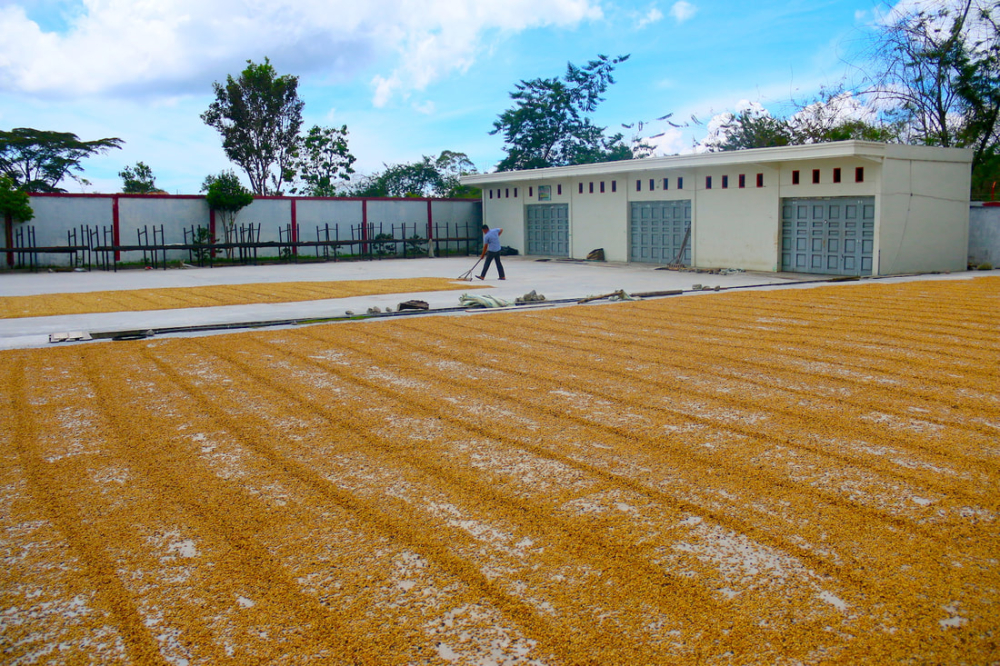
Blue Mountain coffee consistently adheres to the washed processing method, which fully preserves the beans’ original flavors while minimizing the risks of impurities and undesirable fermentation. After harvesting, the coffee cherries first undergo flotation to remove unripe fruits, followed by fermentation in tanks to remove the mucilage, and then repeated rinsing with clean water to ensure a smooth surface free of residues. Finally, the beans are evenly spread out and undergo prolonged shade drying until the moisture content stabilizes between 12% and 14%. It’s worth noting that in recent years, there have been small-scale experimental sun-dried processes for Blue Mountain, but washed remains the mainstream method.
Characteristics of Wet-Hulling
Indonesian Golden Mandheling mostly employs the wet-hulling method, which is particularly suited to rainy regions. After the outer skin is removed, the coffee beans undergo brief fermentation and initial drying, at which point the moisture content is about 30–50%, and the beans are soft. The parchment layer and mucilage are then removed, followed by continued sun-drying until the moisture content drops to 12–13%. Since the outer layer is removed before the beans fully harden, the overall drying time is significantly shortened, but this also often results in the beans taking on a distinctive curved shape, commonly referred to as “elephant ear beans.” This process also gives Mandheling its bold, thick, earthy, and herbal flavor profile.
Green Bean Appearance and Grade Differences
Blue Mountain coffee belongs to the Typica variety, with beans that are oval-shaped, bluish-green in color, and feature bronze-colored top leaves. Based on altitude and quality, Blue Mountain is categorized into Blue Mountain No. 1 to No. 3, as well as Highland and Premium coffees. Among them, Blue Mountain No. 1 is limited to top-tier beans grown at altitudes of 910 to 1,700 meters, requiring strict standards such as a defect rate below 2% and uniformly plump beans. Green beans are typically tight, uniformly sized, and exhibit a bluish-green hue, symbolizing high quality.
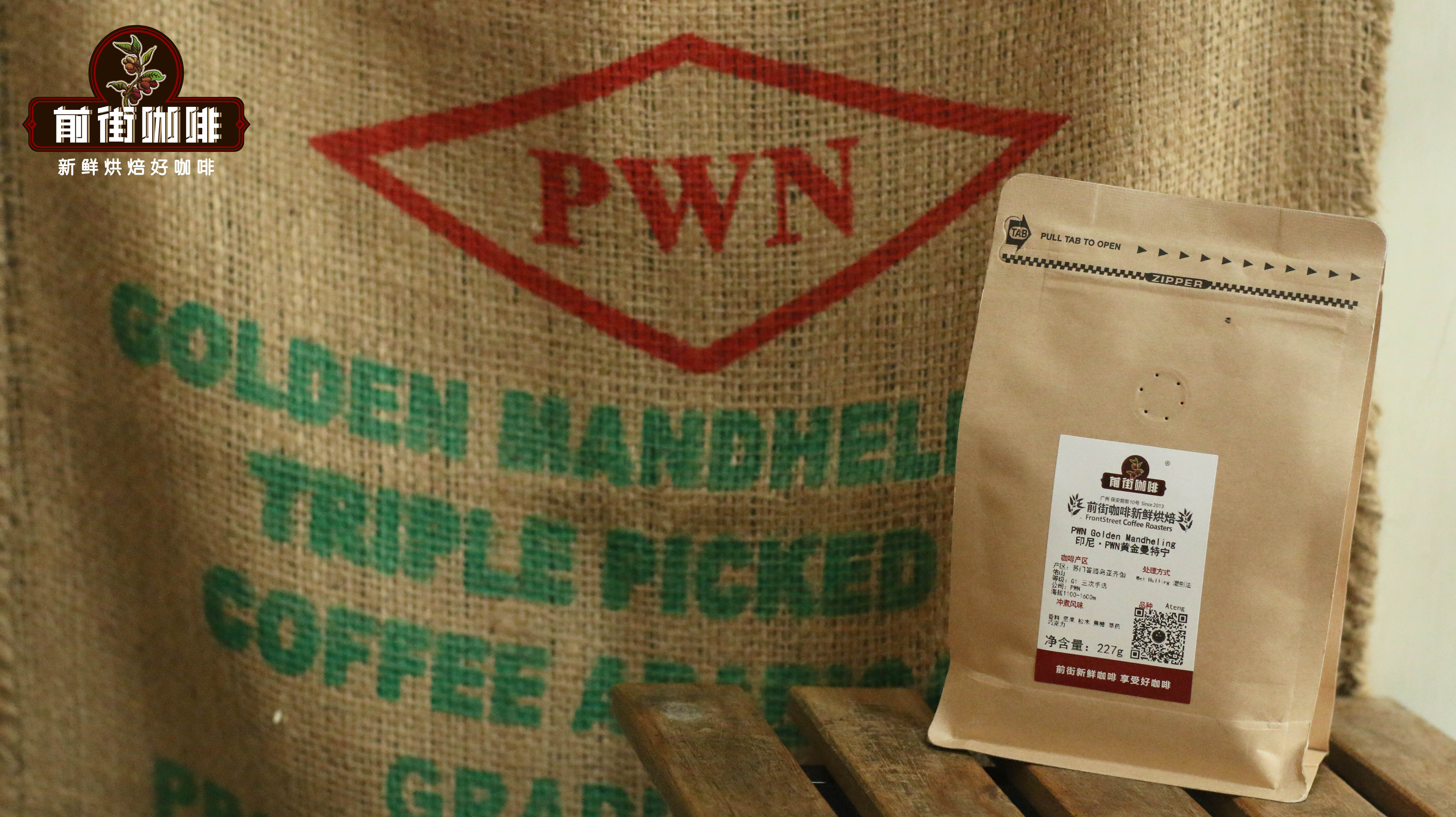
Golden Mandheling mostly consists of the Aeng and TimTim varieties. The former is a hybrid of Catimor and TimTim, while the latter carries genetic traits of Typica and Robusta. These varieties are resistant to pests and diseases and offer stable yields. The PWN Golden Mandheling selected comes from G1-grade green beans sourced from the highlands of northern Sumatra, with no more than 3 defective beans per 300-gram sample. They undergo multiple rounds of manual sorting to ensure uniform bean size and shape, laying a solid foundation for optimal flavor extraction.
Cupping Flavor Comparison
Blue Mountain No. 1 is characterized by a balanced flavor profile. Its dry aroma features gentle notes of roasted peanuts, hazelnuts, melon, and chocolate; the wet aroma reveals layers of oolong tea, caramel, honey, and almonds. When sipped, the acidity is bright and delicate, mingled with soft floral notes. Upon entering the palate, the aftertaste offers pronounced cocoa and chocolate tones, with a fruity aroma lingering at the finish. The overall mouthfeel is rich, smooth, and layered.
In contrast, Golden Mandheling’s dry aroma leans more toward toasted bread, nuts, and spices, releasing intense notes of caramel and dark chocolate upon brewing. During the sip, one can perceive a blend of pine, herbs, and caramel, with a prominent sweetness and balanced flavor. The finish brings a warm spicy sensation and lasting aftertaste, delivering a bolder and more robust overall profile.
Pour-Over Extraction Recommendations
For these two bold and richly flavored coffee beans, it is recommended to use the KONO filter to stabilize extraction and enhance mouthfeel texture. The specific parameters are as follows: water temperature around 88°C, grind size based on a 20-number standard sieve with a 70% extraction rate, a 1:15 coffee-to-water ratio, and 15 grams of coffee.
In terms of operation, first wet the filter paper and attach it to the filter cone, discard the excess water, then add the coffee grounds. Perform a 30-second bloom with 30 grams of water. Subsequently, slowly pour water in a circular motion from the center, performing the first pour when the total water volume reaches 125 grams. Once the coffee bed descends to the middle of the cone, repeat the same pouring technique to reach 225 grams, then let the dripping finish before removing the filter. This parameter setup helps fully bring out the boldness and aromatic qualities of both beans, making it suitable for coffee enthusiasts who enjoy darker roast flavor profiles.
Under such extraction, Blue Mountain No. 1 showcases a rich main profile of nuts and chocolate, with balanced acidity and sweetness, and a long-lasting finish; meanwhile, Golden Mandheling highlights a complex blend of spices, caramel, and herbs, with a distinct aftertaste and a fuller, more powerful overall performance.
The above content is compiled by CoffeeHunters, a coffee news website.


