








Introduction:Faced with the wide array of single-origin coffee beans at specialty roasteries, many beginners often don’t know where to start. This article will guide you through two core elements—origin terroir and roast level—to systematically analyze the flavor profiles, ideal roast degrees, and common brewing applications of classic origins such as Ethiopia, Colombia, Brazil, and Indonesia Mandheling. This will help you choose the single-origin bean that best suits your personal taste preferences.
Walking into a specialty coffee shop, you’ll find shelves lined with single-origin beans from around the world. Just looking at the names can be overwhelming: Yirgacheffe, Huehuetenango, Lintong Mandheling... What’s the difference between these beans? Which are good for pour over, which for iced coffee, or even milk-based drinks without losing their character? In fact, by grasping just two key factors—“regional characteristics” and “roast level”—you can quickly identify the one that suits your palate the most.
The greatest charm of single-origin coffee beans lies in how each bean carries the unique terroir of its origin. Just like musicians have their own vocal tones, coffee from different regions, due to variations in climate, altitude, processing methods, and varieties, emits distinctly different aromas and layers of flavor. From bright and refreshing floral and fruity notes to deep and mellow cocoa and nutty aftertastes, each flavor is a gift from the earth.

Let’s first look at the birthplace of coffee—Ethiopia. This region is not only a genetic treasure trove for coffee but also home to many renowned origins such as Yirgacheffe and Sidamo. These beans are characterized by bright citrus and lemon acidity, paired with delicate floral and tea-like notes, offering a refreshing taste like a spring breeze. They are ideal for those who enjoy bright and clean flavors. It is recommended to uselight roastto process them, as this preserves their original flavors to the greatest extent. Common brewing methods include pour over or filter brewing, and even cold drip can showcase their layered complexity.
Coming from Central America, Honduras grows its coffee mostly at high altitudes between 1000 and 1900 meters. The challenging geographical environment gives its beans a rich and stable profile. Honduran beans often feature bold cocoa and dark chocolate notes, with a balanced bitterness and sweetness, and a steady flavor. It is recommended to usemedium roastto bring out their sweetness and full body, making them an ideal choice for breakfast pairings or for making lattes.
In South America, Peru’s coffee farms are mostly located in the Amazon rainforest region, at altitudes of about 1000 to 2000 meters, with a humid climate and large day-night temperature differences. The coffee here often exhibits soft peach-like acidity, with an aftertaste that carries the warmth of oak barrels and molasses, resulting in a fresh and smooth flavor. It is recommended to usemedium-light roastto highlight its fruity notes and layered complexity, making it suitable for coffee lovers who prefer delicate flavors.
Guatemala’s Huehuetenango region is known for its diverse microclimates. The coffee beans from this area, supported by national policies, have seen gradual improvements in quality, featuring intense and well-structured flavors, often with caramel sweetness and woody undertones, and a long-lasting aftertaste. It is recommended to usemedium-dark roastto enhance its bold characteristics, making it a great choice for those who enjoy dark roasts but want to avoid excessive bitterness.
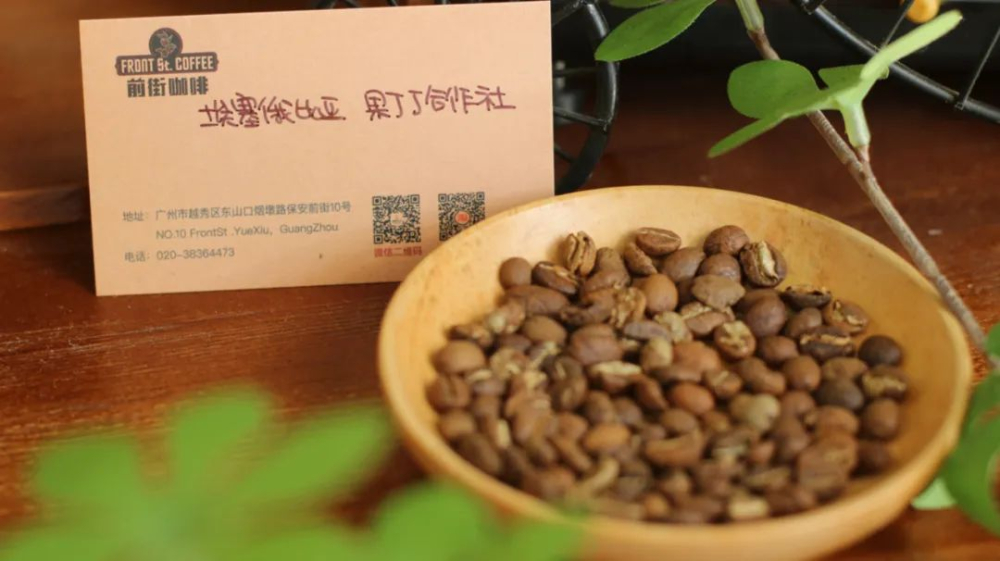
Colombia is a globally renowned specialty coffee origin, and its beans generally boast aromas of walnuts, nuts, and ripe fruits, with a balanced and layered taste. From the gentle apple acidity upon entry, to the sweet peachiness in the mid-palate, and the nutty finish, the overall profile is both stable and vibrant. It is recommended to usemedium-dark roastto bring out its rich aromas and full-bodied taste, making it suitable as a daily drinker or for pairing with milk.
Indonesia’s Sumatran Mandheling is known for its strong personality and full-bodied texture. Major producing areas such as Lintong and the Lake Tawar region, at altitudes of 900 to 1700 meters, endow the beans with intense herbal, earthy, and spicy aromas, along with a thick mouthfeel and long-lasting aftertaste. It is recommended to usedark roastto enhance its deep tones and bold richness, making it the top choice for those who prefer strong-flavored coffee.
Brazil, as the world’s largest coffee producer, is known for its specialty beans that are mild and smooth in character. Origins such as Cerrado and Fazenda Rainha produce beans that typically have low acidity, high body, and caramel sweetness, making them suitable for single-origin drinking or as a base for blends. It is recommended to usemedium-dark roastto bring out its balanced flavor and aroma, especially appealing to consumers who do not prefer acidic profiles.
Finally, let’s look at Costa Rica, a volcanic island nation blessed with fertile volcanic soil and a stable climate, producing coffee beans with balanced acidity and sweetness, as well as rich aromas. Beans from regions like Tarrazú and Strawberry offer bright wine-like acidity and soft fruit notes, with a smooth texture and sweet aftertaste. It is recommended to usemedium roastto achieve excellent results whether using pour over or making iced coffee.
In summary, when selecting single-origin coffee beans, start with the flavor profile of the origin, then choose a suitable roast level based on your brewing method and drinking habits. Whether you prefer bright fruity notes, rich chocolate tones, or smooth balanced flavors, you can find the perfect single-origin bean among the many options to enjoy your own coffee moment.
The above content is compiled by CoffeeHunters, a coffee news website.


