







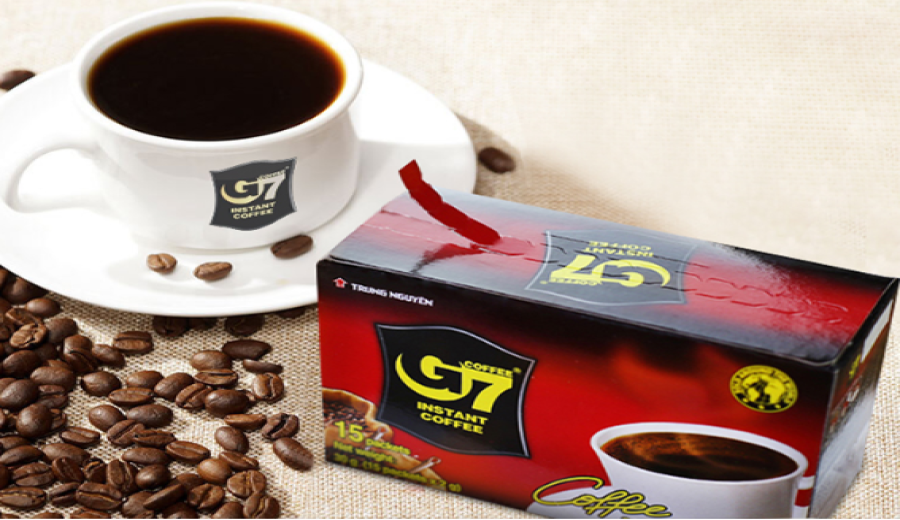
Introduction:As a popular product under the Trung Nguyen Legend Group, Vietnam’s G7 instant coffee is often discussed in relation to potential health risks. This article delves into G7’s brand background, the century-long evolution of instant coffee, and provides a detailed breakdown of its ingredients and production process. It aims to clarify the relationship between instant coffee and health while offering practical information to help readers better understand the true nature of this internationally renowned instant coffee.
Vietnam’s G7 coffee belongs to the well-known Trung Nguyen Legend Group, founded in 1996 by entrepreneur Đặng Lê Nguyên Vũ in Buôn Ma Thuột, Vietnam. In addition to the globally successful G7 instant coffee brand, the Trung Nguyen Legend Group also includes sub-brands such as “Trung Nguyen Legend” and “Trung Nguyen.” Their product range covers instant coffee, coffee beans, ground coffee, drip bags, and professional products suitable for café use, showcasing a diverse and comprehensive coffee supply chain.
Many consumers have concerns about whether “long-term consumption of instant coffee can cause cancer.” In reality, understanding the ingredient composition and processing methods of instant coffee allows us to view this issue from a scientific perspective. By analyzing its production process and commonly used components, we can more objectively assess its impact on health.
Interestingly, the prototype of instant coffee originally stemmed from military use. Historical records indicate that early coffee concentrates provided to American soldiers not only had poor flavor and weak stimulating effects but were also suspected to contain spoiled milk, causing some soldiers to experience diarrhea and other discomforts—eventually leading to the product’s discontinuation. However, this failure inadvertently inspired the research direction of commercial instant coffee, revealing market potential to many companies, which subsequently invested in related technology development.

In 1899, Japanese chemist Sartori Kato was the first to successfully convert liquid coffee into powder form using vacuum drying technology, and he obtained a patent for this technique in 1903. However, he did not further commercialize the process at the time. It wasn’t until 1906 that American inventor George C. L. Washington officially secured a patent for instant coffee production and launched a product called “Red E Coffee,” introducing it to the public. Unfortunately, due to its unappealing taste, the product failed to achieve widespread global success.
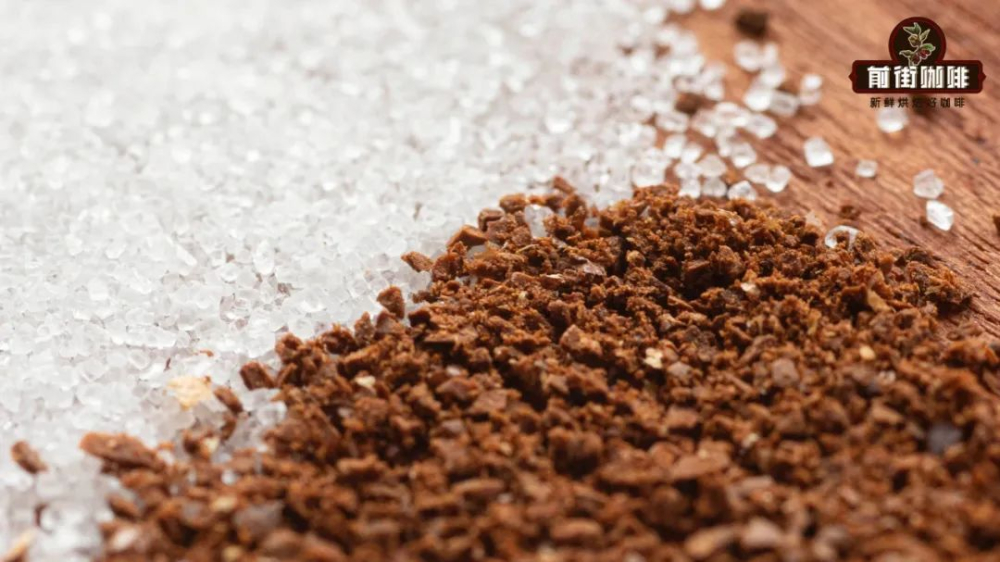
A major limitation of early instant coffee production processes was the need for high-temperature drying, which caused significant loss of volatile aromatic compounds, leaving the final product with an overwhelmingly bitter and harsh taste. To mask this undesirable flavor, manufacturers often used low-cost Robusta coffee beans and added large amounts of non-dairy creamer and sugar to balance the taste. As a result, instant coffee long carried the reputation of being “low-quality coffee,” and earlier versions indeed raised certain health concerns.
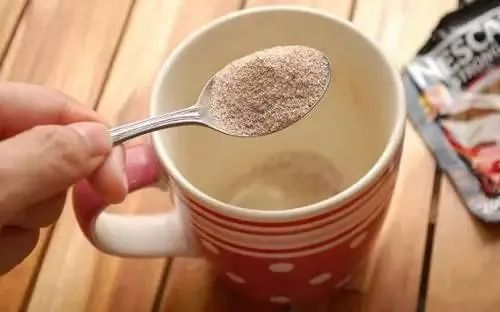
In modern production processes, a common technique known as “freeze drying,” or what is commonly referred to as “frozen dried coffee,” has been developed. The process involves freezing the extracted coffee liquid and then heating it in a vacuum environment, where the water transitions directly from solid to gas without passing through the liquid phase. This method better preserves the original flavor of the coffee and results in the light, easily soluble coffee granules we often see. Compared to the earlier high-temperature spray drying method, freeze drying significantly improves the aroma and taste of instant coffee.

In summary, although Vietnam’s G7 coffee falls under the instant category, it is backed by a stable brand history and advanced production techniques. For those concerned about health, it is recommended to pay attention to the product’s ingredient list, opt for options with less sugar and fewer additives, and learn more about the differences between various production methods—such as spray drying and freeze drying—based on personal taste preferences, to make a more informed choice.
The above content is compiled by CoffeeHunters, a coffee news website.


