







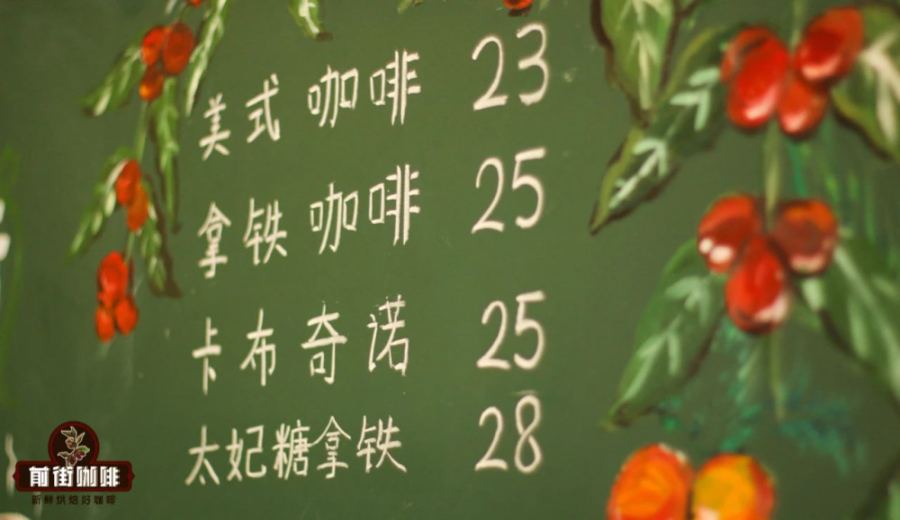
Introduction:Although both espresso and Americano are types of black coffee, they differ greatly in brewing methods, concentration, and flavor profiles. This article delves into the origins, extraction conditions, flavor characteristics, and practical ratios of the two, providing a detailed guide to the espresso brewing process and recommended proportions. It helps readers better understand the essential differences between these two classic coffees, offering practical insights for both beginners and coffee enthusiasts.
Many consumers who don’t often visit coffee shops may only know that “espresso” and “Americano” on the menu are both black pure coffee, but they often don’t fully understand the specific differences between the two. In reality, these two types of coffee not only have distinct brewing methods, but also vary significantly in flavor, concentration, and suitable drinking occasions. This article will comprehensively analyze the various differences between espresso and Americano—from brewing principles and extraction parameters to flavor features and actual preparation methods—so you can fully grasp their essences in one go.
Let’s start with the Americano. Commonly seen Americanos on the market can generally be made in two ways: one is black coffee directly brewed using a drip coffee machine, and the other is made by adding hot water to espresso. Looking back at its history, the birth of the Americano is actually related to the U.S. military during World War II. At that time, American soldiers encountered espresso in Europe for the first time and found its strong and intense flavor hard to adapt to. To adjust the taste, they began adding a lot of hot water to the espresso to mimic the lighter flavor of drip coffee from back home in the United States. Since this way of drinking originated with American soldiers, Europeans jokingly called it “Americano,” and the French even mockingly referred to it as “coffee in socks,” implying its flavor was as bland as water used to wash socks.
Now let’s look at espresso, commonly known as Espresso. This is a form of coffee that requires high-pressure extraction and must be made using an espresso machine capable of generating around 9 bar of pressure. Traditional espresso extraction needs to be adjusted based on the espresso machine model, grinder settings, and coffee bean characteristics, but common basic parameters are: using about 20 grams of coffee grounds, with a 1:2 coffee-to-water ratio (i.e., extracting about 40 grams of coffee liquid), completed within 25 to 30 seconds. These extraction conditions can fully bring out the rich flavors and layered complexity of the coffee.
A high-quality espresso should have the following characteristics: First, the surface of the coffee should be covered with a layer of golden crema (coffee foam), which should be even, fine, and free of obvious holes; second, the aroma should be rich and layered, the mouthfeel smooth without any graininess, and the flavor typically exhibits notable intensity and slight acidity, with a finish that carries moderate sweetness and aftertaste. These characteristics are key indicators of whether an espresso has reached an ideal state.
When it comes to choosing coffee beans, it is recommended to use blends specifically designed for espresso extraction. These beans usually combine beans from different regions to balance flavor and extraction performance. For example, some popular blends combine Brazilian and Colombian beans—the former provides a stable base with chocolatey notes, while the latter adds nuttiness and moderate fruitiness, resulting in an extraction that is both rich and full-bodied yet retains detail and layers. Such beans perform well whether used directly for making espresso or further blended into an Americano.
For the actual espresso brewing process, the general steps can be followed as follows: First is cleaning and preparation—ensure the portafilter basket is dry and free of residual moisture; then accurately weigh the coffee grounds, using an electronic scale to control the weight error within 0.1 gram; next is distributing the grounds—spread the coffee evenly in the basket; this is followed by tamping—using a tamper to compress the coffee grounds to ensure consistent density; after tamping, gently tap the basket to remove any clumps; finally, attach the portafilter to the machine, start the extraction, and once completed, remove the portafilter for cleaning. Though these steps may seem simple, each one affects the final extraction quality and flavor.
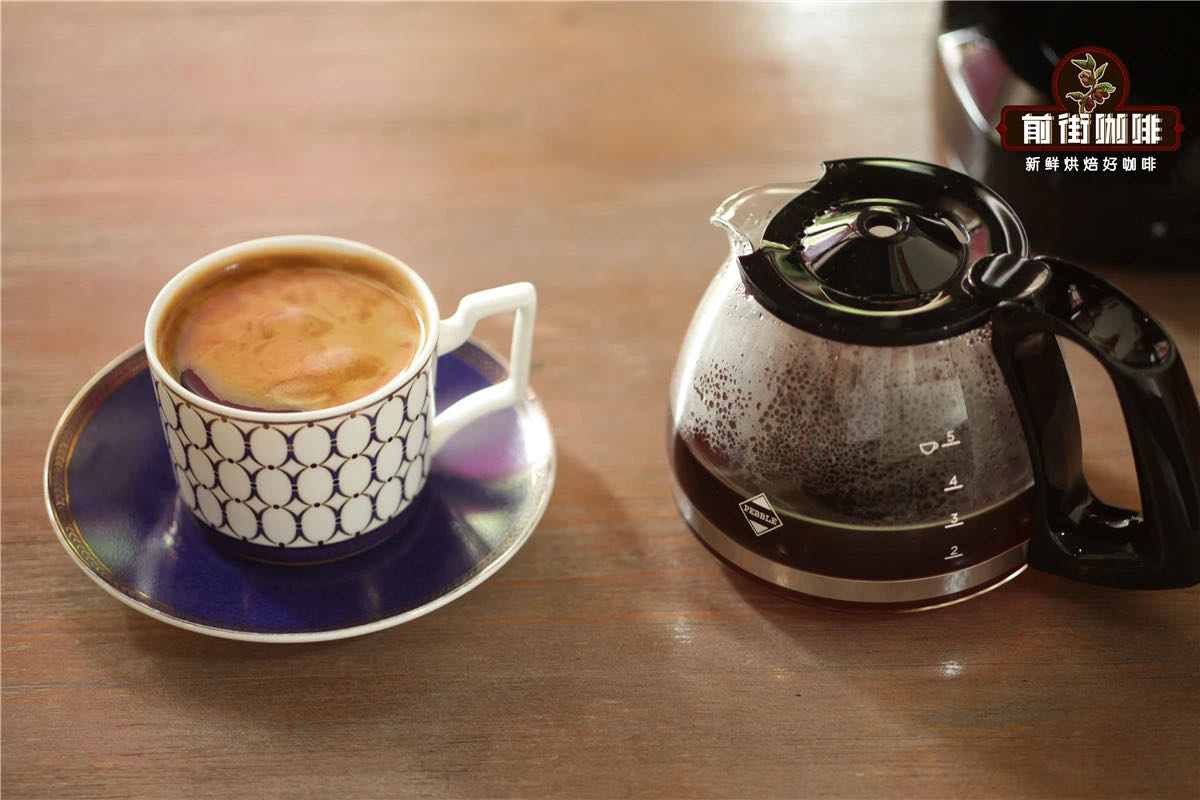
Taking a common extraction reference as an example: using 20 grams of coffee grounds to extract 40 grams of coffee liquid, with the overall time controlled around 30 seconds, this coffee-to-water ratio and time achieve a balanced intensity and flavor release. The resulting espresso, due to its high concentration, is not typically consumed directly by most people, but is instead used as a base to create drinks like lattes, cappuccinos, or—as the focus of this article—the Americano.
To make a standard Americano, it can be divided into hot and iced versions. A common method for a hot Americano is to add one shot of espresso (about 40 grams) to 160 to 200 grams of hot water, adjusting the ratio according to personal taste; for an iced Americano, start by adding about 100 grams of ice, then pour in 120 grams of cold water, and finally add the espresso, resulting in a refreshing yet richly flavored iced coffee. This preparation method not only reduces the overall concentration of the coffee but also presents a more balanced flavor profile, suitable for different seasons and personal preferences.
In summary, although both espresso and Americano belong to the black coffee category, they differ significantly in brewing principles, flavor characteristics, and drinking methods. Understanding their differences not only helps you choose the coffee that suits you best but also allows you to more deeply appreciate the unique charm of each type of coffee when tasting. Whether you’re a beginner just starting out or an enthusiast with some experience, these basic insights can add more depth and enjoyment to your coffee experience.
The above content is compiled by CoffeeHunters, a coffee news website.


