







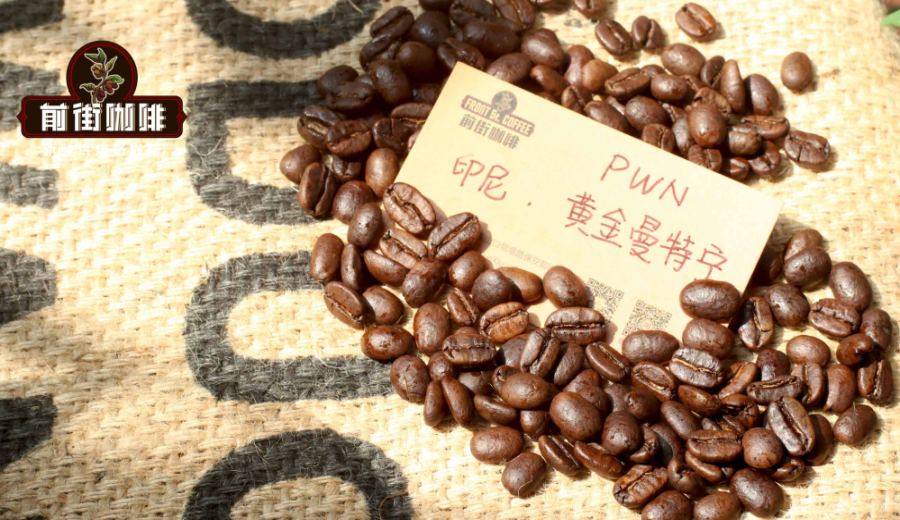
Introduction:Indonesian Golden Mandheling is hailed as the top-tier representative of Mandheling coffee, renowned for its rich, full-bodied flavor with notes of caramel and chocolate, beloved by coffee enthusiasts worldwide. This article begins with its fascinating wartime origin, introduces the origin, grade, and quality characteristics of PWN Golden Mandheling, and explains in detail how to avoid common issues like excessive bitterness by using the right pour over equipment, coffee-to-water ratio, grind size, and water temperature control. We’ll guide you step-by-step to brew a clean, balanced, and flavorful cup of Mandheling.
Mandheling coffee is arguably one of Indonesia’s most iconic coffee varieties, and its name actually stems from an interesting wartime anecdote. It is said that during World War II, a Japanese soldier tasted an exceptionally flavorful coffee in Indonesia and curiously asked the shop owner for the name of the coffee. Due to a language misunderstanding, the shop owner thought the soldier was asking about his background and replied “Mandailing.” After the war, the soldier wanted to taste that coffee again and asked a trader to import it, but mistakenly referred to it as “Mandehling,” thus giving rise to the classic name that has endured to this day.
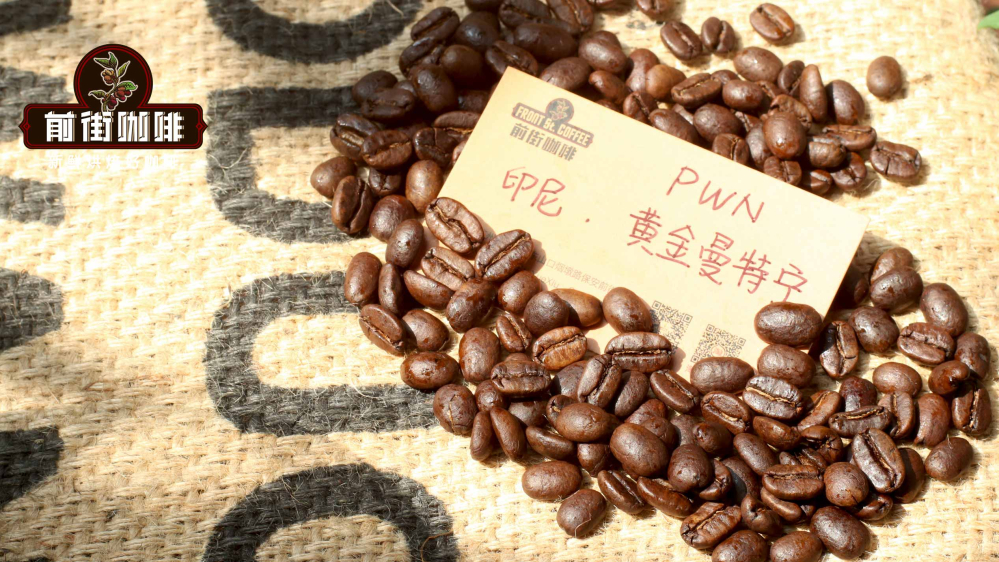
This article will take an in-depth look at a highly acclaimed representative of Mandheling, sourced from the Gayo Mountains in Aceh Province, Sumatra, Indonesia. It belongs to the highest-grade G1 beans, each meticulously hand-sorted three times to select only large beans of 19 mesh or above with an extremely low defect rate, ensuring a robust and solid mouthfeel along with excellent sweetness.
Many people brewing Mandheling at home often encounter the issue of overly bitter coffee, which is usually related to brewing parameters and techniques. To extract a clean, full-bodied Golden Mandheling with sweet notes of caramel and chocolate, the key lies in choosing the right filter, mastering the correct coffee-to-water ratio, grind size, and water temperature, as well as using an appropriate three-pour technique. Next, we’ll break down these elements step by step to help you brew a cup of Mandheling that approaches professional-grade quality.
First, in terms of filter choice, it is recommended to use the Kono Mingmen filter. The most distinctive feature of this filter is that its ribs are mainly concentrated in the middle and lower sections, while the upper part has almost a smooth inner wall. This design allows the filter paper to adhere closely to the cup wall, effectively reducing the occurrence of “bypass flow” and thereby extending the extraction time, enhancing the coffee’s body and the richness of its mouthfeel. Additionally, the Kono filter is also very suitable for brewing bold, full-bodied coffee beans such as those from Brazil’s Queen Estate or the Blue Mountain series.
In terms of coffee dosage, it is recommended to use 15 grams of coffee grounds, which is ideal for 1 to 2-cup capacity filters, ensuring even extraction without overburdening the system. Of course, the amount of coffee can be fine-tuned based on the actual capacity of the filter used and your brewing needs, but it should not deviate too much from the filter’s design, as this may affect flow rate and extraction efficiency.
As for the coffee-to-water ratio, a 1:15 ratio is recommended. This is a classic proportion that balances a rich mouthfeel with clear flavor expression. While some coffee lovers prefer a more concentrated 1:13 ratio, in practice, overly high concentrations can lead to bitterness and undesirable off-flavors, which may undermine the inherent sweetness and balance of Mandheling.
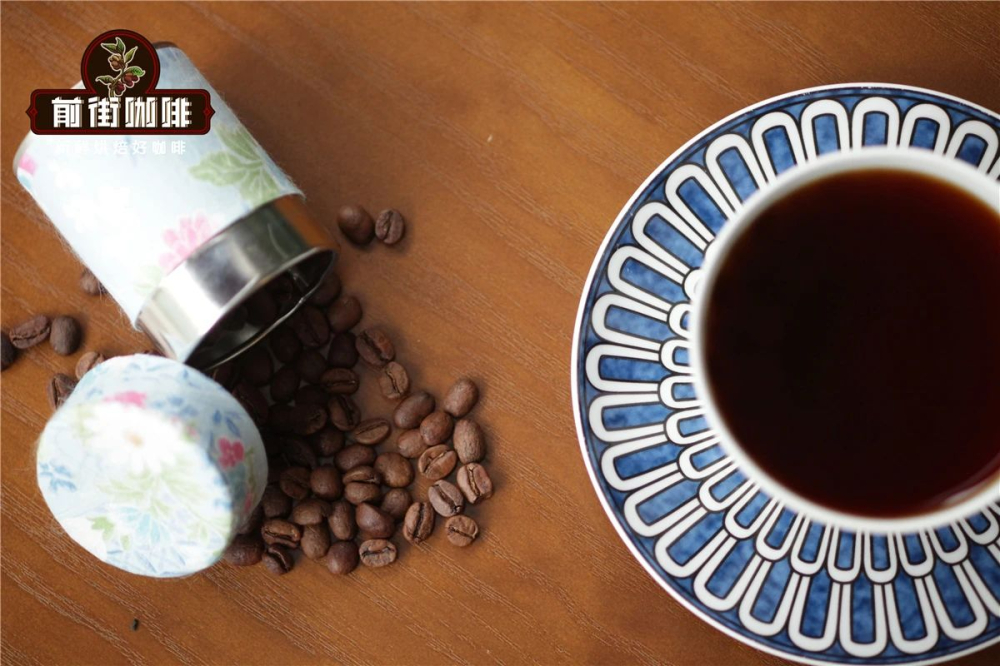
Regarding grind size, it is recommended to use a medium-coarse grind, approximately 70% passing through a #20 sieve. Golden Mandheling is a dark-roasted bean variety, and the beans themselves are relatively porous and prone to releasing compounds. Therefore, the grind should not be too fine, as this can lead to over-extraction and a burnt, bitter taste. But it also shouldn’t be too coarse, as that could result in under-extraction, making the coffee taste thin and watery. A moderate and consistent grind size is key to stabilizing flavor.
For water temperature, it is recommended to keep it between 87–88 degrees Celsius. Too high a temperature can cause the coffee to become overly roasted in flavor and bitter, while too low a temperature may result in incomplete extraction, leading to sharp acidity and a flat taste. Maintaining the temperature within this range can effectively bring out Mandheling’s rich notes of caramel, nuts, and chocolate, while keeping the mouthfeel smooth and balanced.
Finally, in terms of brewing technique, the classic three-pour method is recommended. The first pour involves adding 30 milliliters of hot water for blooming, allowing the coffee grounds to fully expand and degas, laying a good foundation for subsequent extraction. The second pour adds 100 milliliters, steadily releasing the core flavors of the coffee. The third pour then adds 95 milliliters, primarily enhancing sweetness and body. By controlling the pours in stages, you can manage the extraction rhythm more precisely, ensuring each sip delivers a thick, balanced, and layered Mandheling flavor.
The above content is compiled by CoffeeHunters, a coffee news website.


