







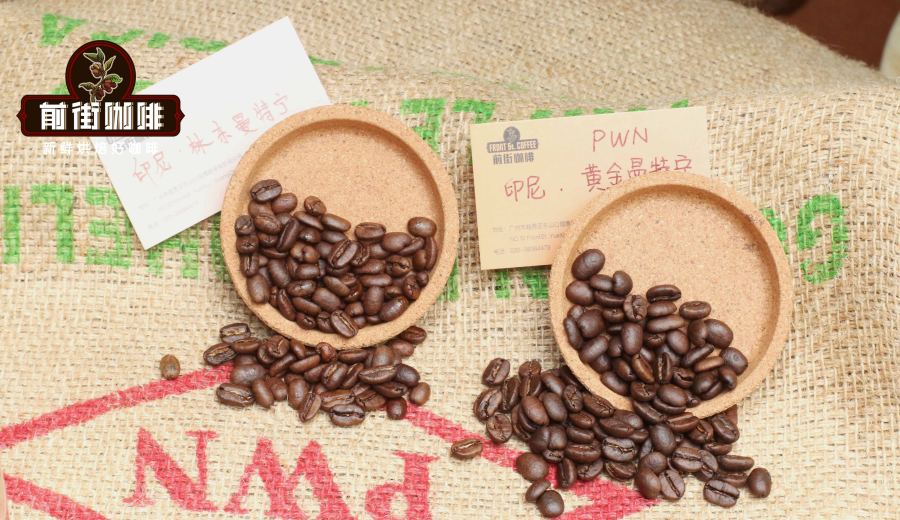
Introduction:This article will take an in-depth look at the washed sundried Mandheling from Wahana Estate in North Sumatra, Indonesia, exploring its unique processing method, flavor profile, and suitable brewing techniques for light roasting. Whether you’re looking to try a non-traditional style of Mandheling or seeking a new choice for pour over beans, you’ll find practical inspiration for tasting and extraction in this piece.
When it comes to Asian coffee, Mandheling has always been one of the most memorable representatives, and the key to its distinctive character lies in Indonesia’s unique wet-hulling process. However, the coffee we’re exploring this time breaks away from the traditional mold—it’s a sundried Mandheling from Wahana Estate in North Sumatra, Indonesia. This bean not only presents an aroma and taste completely different from typical Mandheling but also highlights fruity notes and layers through light roasting, making it a must-try for coffee lovers who enjoy exploring new flavors.
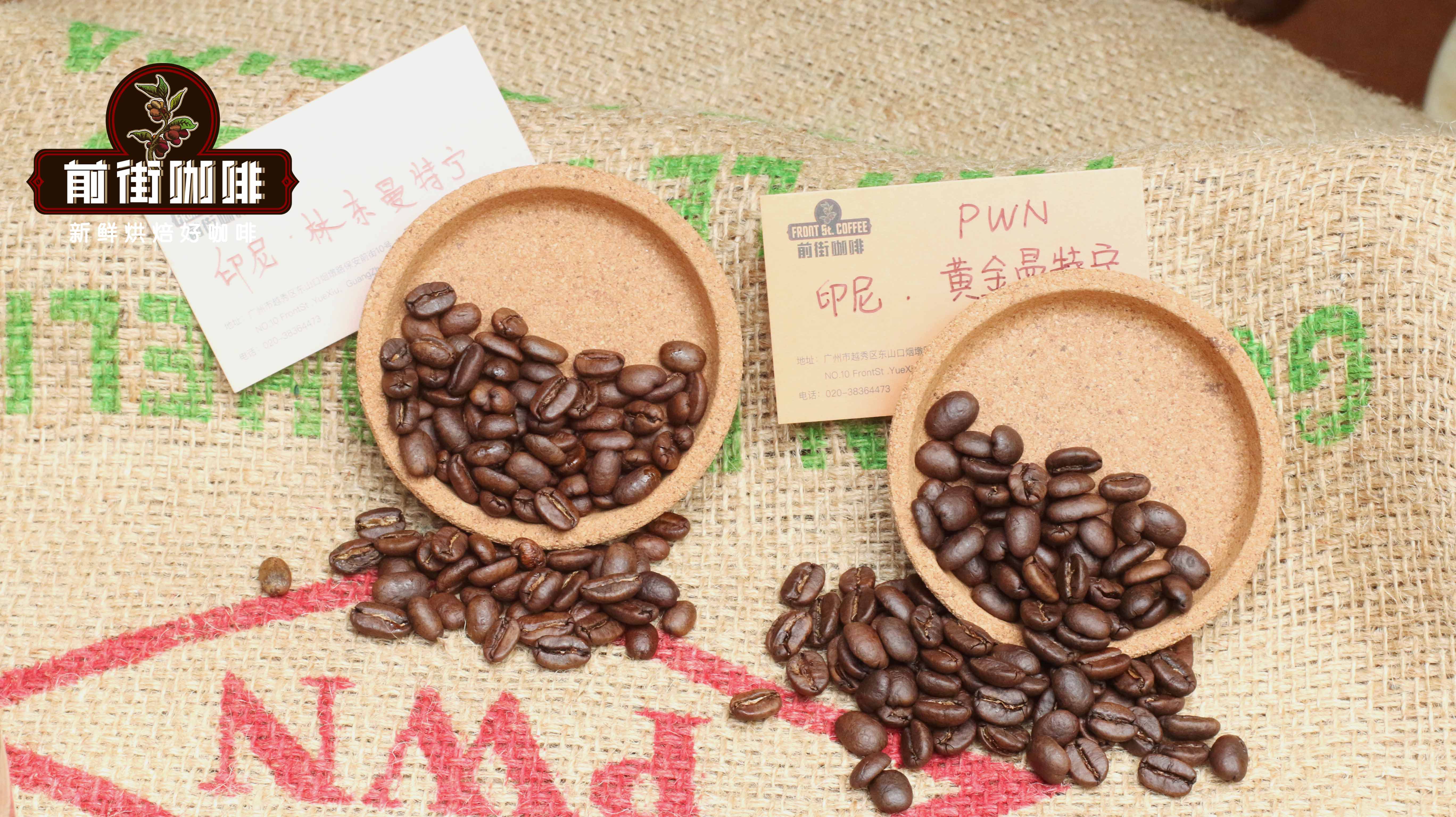
Established in 2005, Wahana Estate is located in the village of Lae Mungkur in North Sumatra, at an altitude of approximately 1,300 to 1,500 meters, covering a total area of nearly 500 hectares. The estate is known for producing high-quality Sumatran coffee. In addition to cultivating a diverse range of single varieties, it employs various processing methods such as washed, semi-washed, and sundried to meet the needs of different consumers in the market. Currently, about 250 hectares are used for coffee cultivation, with an additional 30 hectares dedicated to a nursery and 10 hectares for a processing facility. Over 2,000 partner smallholder farmers are involved in the production.
This sundried Mandheling from Wahana Estate uses the natural sun-drying method, also known as Estate Natural, where coffee cherries are dried directly with the pulp still attached after harvest, allowing the sugars and aromas from the pulp to penetrate more deeply into the seeds. Compared to the traditional wet-hulling process, the sundried method better preserves the sweetness and fruitiness of the coffee, and under light roasting conditions, it releases more layered tropical fruit and honey-like flavor tones.
This coffee performs exceptionally well at a light roast level (approximately Cinnamon Roast, that is, dropping the beans just before or at the end of the first crack). At this stage, the beans retain bright acidity and rich fruity aromas, with a solid body and a full, dynamic flavor profile. It’s the roast level highly recommended by pour over enthusiasts. If the drop time is delayed past the ideal first crack stage, the flavors tend to shift toward the herbal and earthy characteristics typical of conventional Mandheling, losing the unique charm of the sundried processing.
A special reminder: when roasting approaches the first crack stage, the rate of temperature rise often accelerates noticeably. Therefore, it’s advisable to reduce the heat slightly before entering the first crack to avoid the beans quickly progressing to the second crack, which can lead to over-extraction and a loss of flavor. Mastering heat and timing is the core element in successfully roasting and preserving the flavors of the sundried process.
Here is the product information for this bean: origin is Sumatra, Indonesia; product name is Wahana Estate Sundried Mandheling; processing method is sundried; roast level is light (dropped just before or at the end of the first crack). The overall flavor direction is ‘rich > bold > sweet & acidic’, emphasizing a balance between fruitiness and sweetness. It’s suitable for coffee lovers who enjoy bright acidity and tropical fruit notes.
For brewing, this bean is suitable for various filter brewing devices, including pour over, drip coffee makers, siphon pots, French press, and even cold drip methods, all of which can showcase its delicate fruity notes and sweet & acidic layers. It’s recommended to use a medium-fine grind, with water temperature controlled between 90–93°C, and to pour with a medium flow rate for stable extraction, which helps highlight the aromas of fruit and honey. If the extracted flavors are too concentrated, you can dilute with hot water to adjust the concentration; if you prefer a bolder taste, you can slightly increase the coffee-to-water ratio, but be careful to avoid over-extraction.
In summary, this sundried Mandheling from Wahana Estate in North Sumatra is not just an innovative reinterpretation of traditional Mandheling flavors but also offers coffee enthusiasts a fresh and exciting new choice. Whether for everyday drinking or for delving deeper into coffee processing methods and flavor expressions, it’s definitely worth brewing and experiencing for yourself.
The above content is compiled by CoffeeHunters, a coffee news website.


