







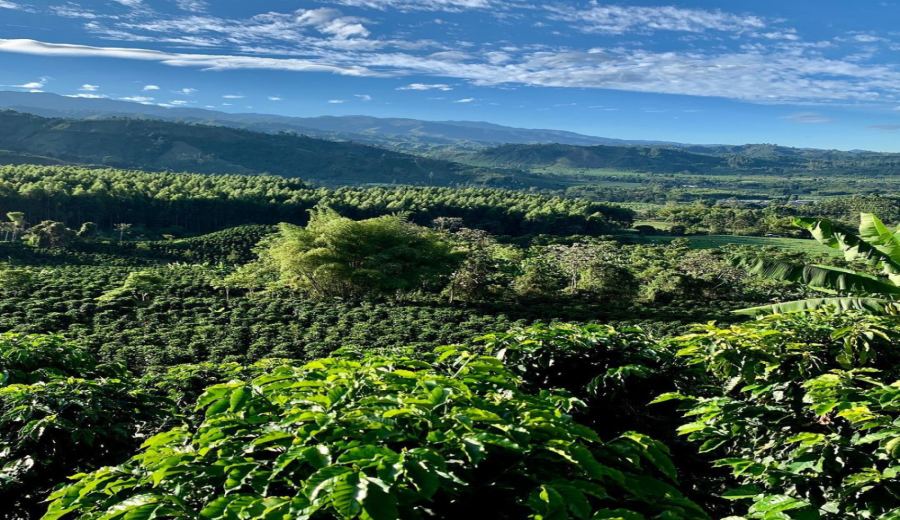
Introduction:Delving into the diverse landscape of Colombia’s coffee-growing regions, this article provides a detailed look at the characteristics of the country’s main coffee varieties—such as Caturra, Castillo, and the rarer Pink Bourbon and Geisha—as well as the geographical and terroir differences of renowned regions like Huila, Cauca, Nariño, and Tolima. It also analyzes how mainstream processing methods like washed and anaerobic natural affect flavor, and offers practical V60 pour-over parameters and cupping insights to create a comprehensive guide for coffee enthusiasts, from bean selection to brewing.
Colombia’s uniquely favorable geography and diverse terrain make it a major origin for specialty coffee worldwide. Its high-altitude mountainous areas, with cool climates and significant day-night temperature variations, allow coffee cherries to ripen slowly, accumulating rich flavors. This article will introduce you to the characteristics of Colombia’s main coffee varieties, explore some of its most representative specialty regions, and explain how different processing methods shape unique coffee flavors. Finally, it provides practical pour-over parameters and cupping information to help you better appreciate the charm of this South American coffee kingdom.
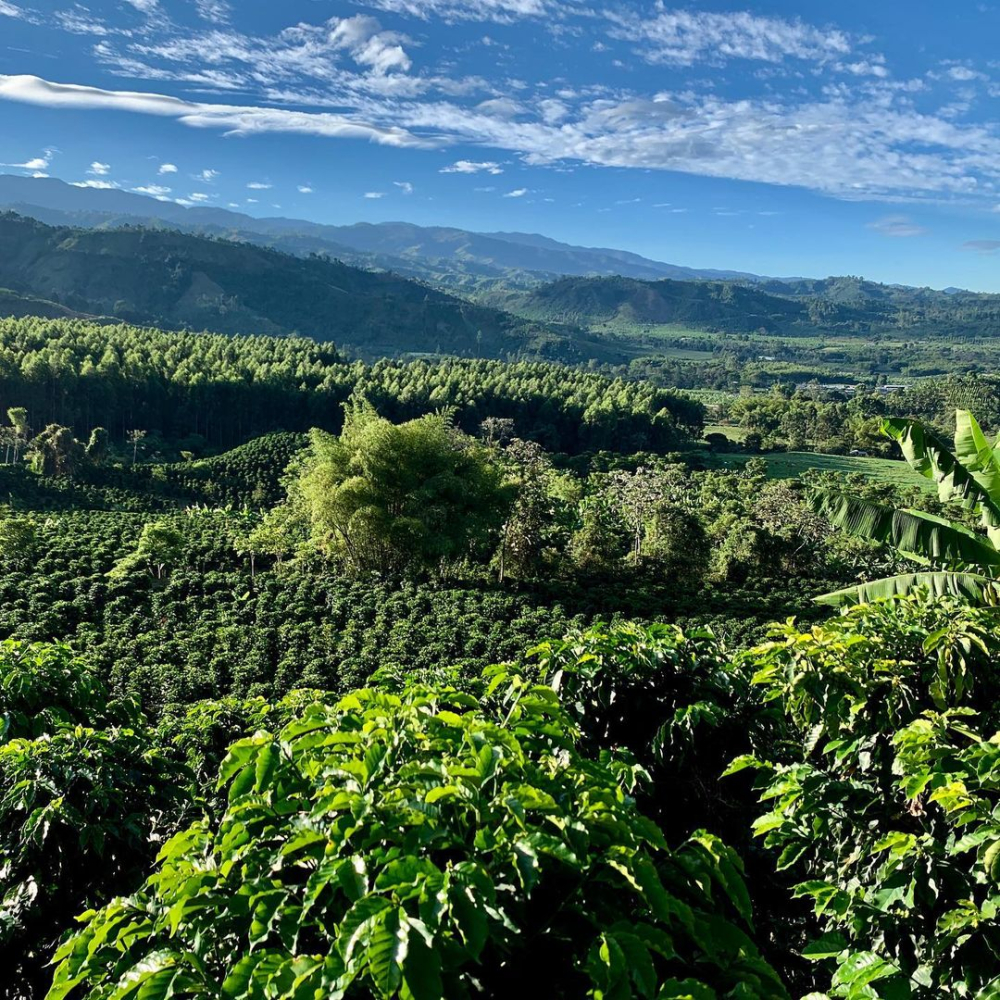
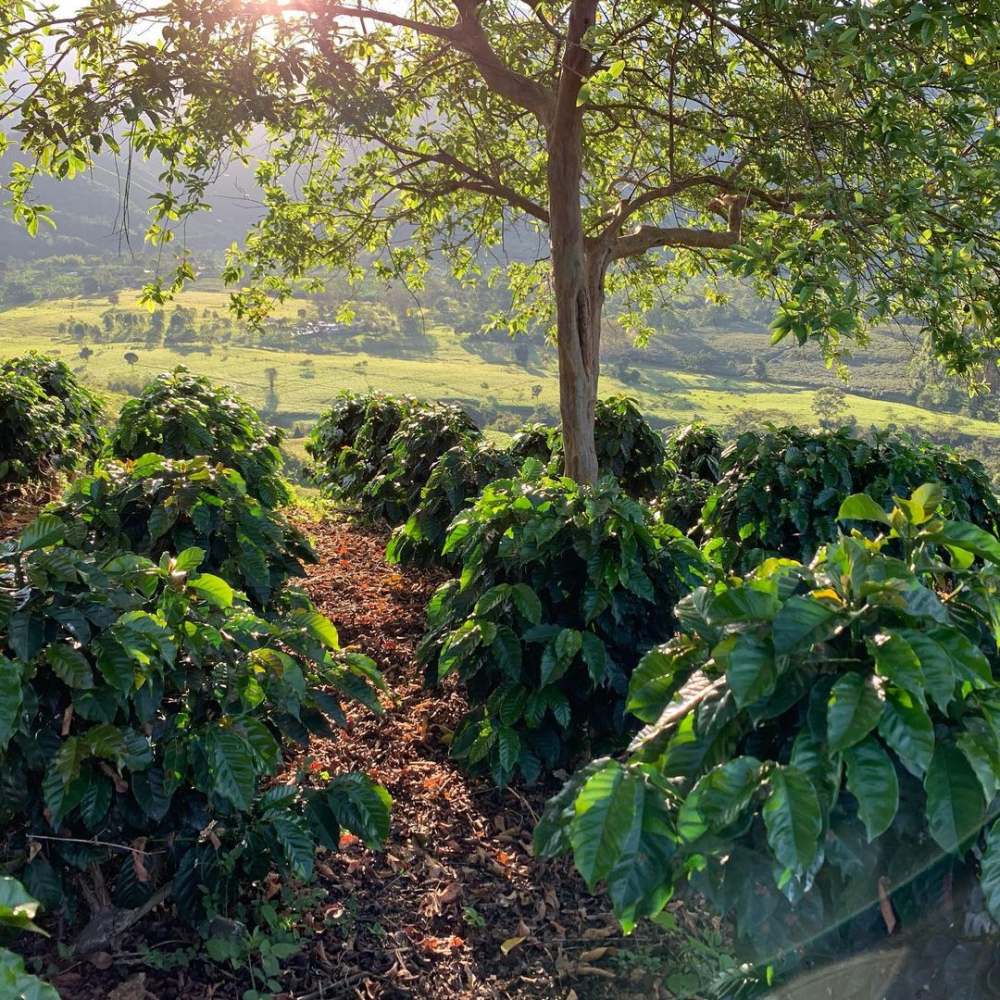
Although located near the equator, Colombia’s mountainous terrain, shaped by the Andes, creates numerous coffee-growing zones at elevations above 1,500 meters. Arabica is the dominant species, with the most common varieties including Caturra, Castillo, and smaller plantings of Geisha and Pink Bourbon. Each variety has its own distinct traits, adapting to different altitudes and microclimates, while also showcasing rich flavor potential due to diverse processing methods.
Caturrais a natural mutation of the Arabica Bourbon variety, originating in Brazil in 1937. Though not widely planted initially, its shorter plant height, suitability for dense planting, and stable yields gradually made it popular across Central and South America. Compared to Bourbon, Caturra is less resistant to disease but thrives at high altitudes, often exhibiting bright acidity and floral notes.
Castillois the most widely planted variety in Colombia, developed to address the need for leaf rust resistance. Starting in 1961, the Cenicafe research institute introduced a series of disease-resistant varieties, with the 2005 release ofCastillobecoming the most successful example and now the country’s predominant commercial variety. In addition to stable yields and disease resistance, this variety also delivers good balance and a rich body.
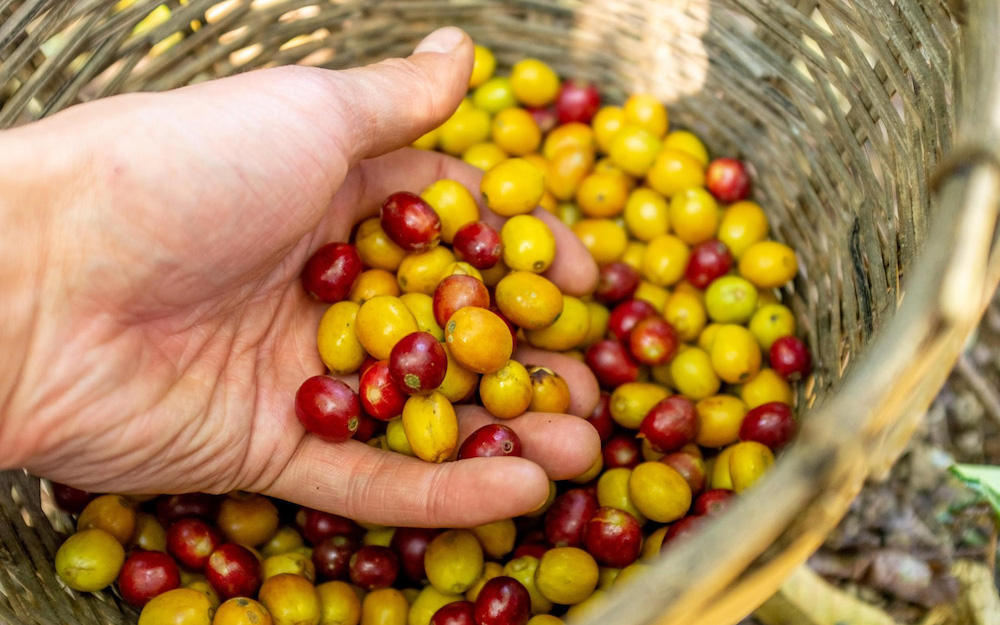
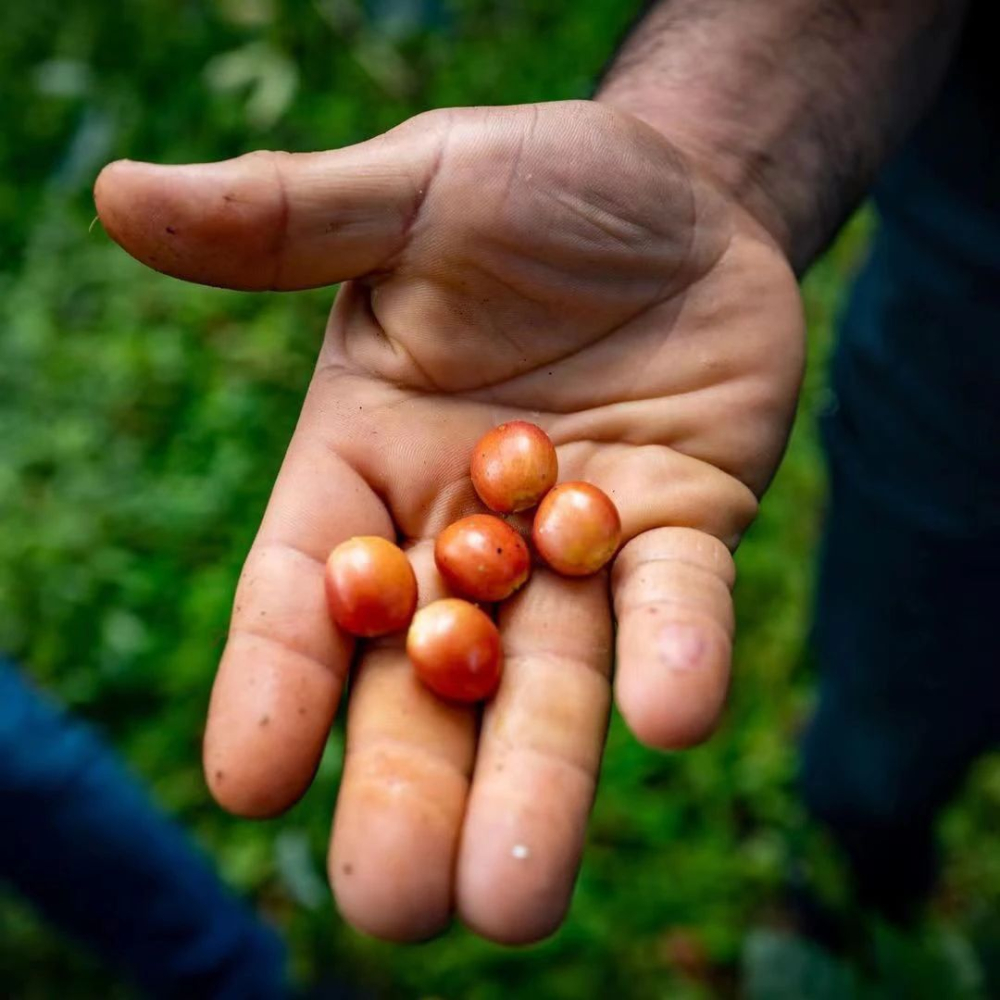
Pink Bourbonis an exceptionally visually appealing variety, with ripe cherries displaying a pale pink hue, resulting from a cross between Red Bourbon and Yellow Bourbon. However, due to unstable genetic expression, the fruit color can occasionally lean orange, making it challenging to maintain a consistent pink shade. This variety typically features gentle fruity acidity and aroma, making it ideal for drinkers who prefer subtle flavors.
Geishais universally recognized as a flagship specialty coffee, extremely demanding in its growing environment—it requires high altitudes, cloud cover, and fertile soil. Known for its delicate floral notes, citrus tones, and bright acidity, some Geisha varieties in Colombia trace their lineage to Panama’s Hacienda La Esmeralda, highlighting its deep ties to international specialty coffee. In Colombia, Geisha is mostly cultivated at elevations between 1,700 and 1,950 meters, where significant day-night temperature variations help accumulate flavor compounds.
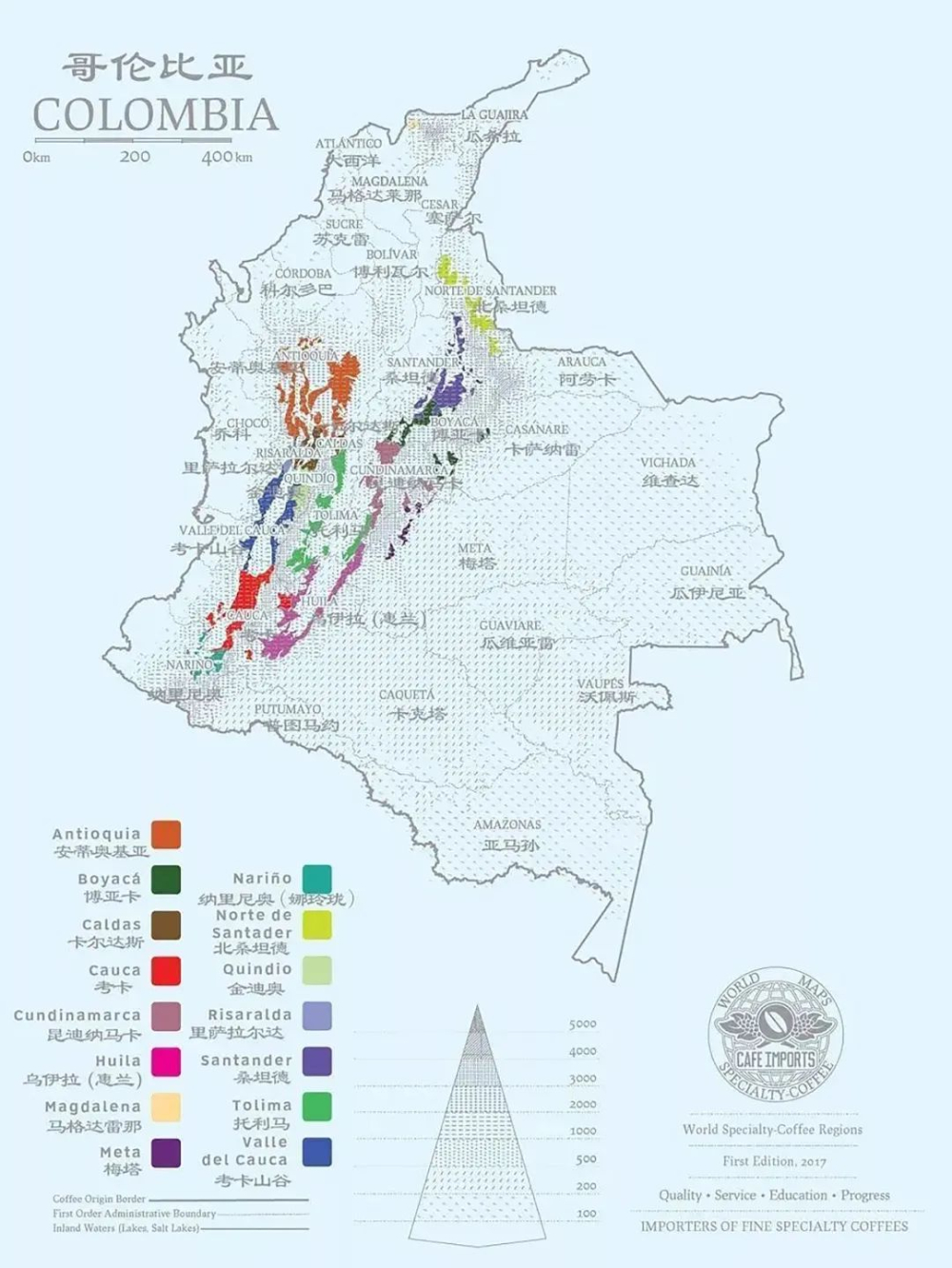
Colombia’s specialty coffee regions are mostly concentrated in the southern highlands, generally above 1,500 meters in elevation, including Huila, Cauca, Nariño, and Tolima. These regions not only boast excellent climates and diverse microclimates but also produce rich regional characteristics through smallholder farming and micro-lot production.
Huila Provinceis located in the southern central mountain range of Colombia, featuring rolling hills and intersecting rivers that provide ample moisture for coffee cultivation. This area promotes specialty coffee through the concept of micro-regional selections, where dozens of smallholders collaborate to consolidate single batches and rigorously select them via cupping, resulting in more representative regional flavors. Huila coffee often exhibits bright fruity acidity, berry notes, and honey-like sweetness, making it a favorite among many coffee enthusiasts.
Cauca Provinceis officially recognized as the origin of Colombian coffee, with an average elevation of 1,758 meters—some areas even exceed 2,100 meters. The region’s rugged mountains, fertile volcanic soils, and distinct monomodal rainfall pattern lead to concentrated and stable coffee flowering and harvesting periods. Cauca coffee is known for its outstanding acidity, unique sweetness, and rich body, particularly benefiting from significant day-night temperature differences that allow coffee cherries to accumulate more nutrients, resulting in complex flavor layers.
Nariño Provinceis situated in southwestern Colombia, bordering the Pacific Ocean to the west and Ecuador to the south. Its mountainous terrain and persistent cloud cover support coffee cultivation at elevations of 1,600 to 2,300 meters. The region’s mineral-rich volcanic soils, though with most annual production exported to the U.S. market, still yield a small portion of meticulously selected beans celebrated for their delicate aromas and bright acidity. Nariño coffee typically showcases intense tropical fruit notes and a nutty finish, making it an excellent choice for exploring southern Colombian flavors.
Tolimalies between Huila and Cauca, with its terrain flanked by two major mountain ranges and the Magdalena River running through it. Farms here are slightly larger, often operating as cooperatives where farmers deliver fresh cherries to shared processing facilities, though some smallholders choose to process independently. Tolima coffee combines stable quality with regional character, often offering balanced acidity and sweetness with a medium body, suitable for drinkers who enjoy diverse flavor profiles.
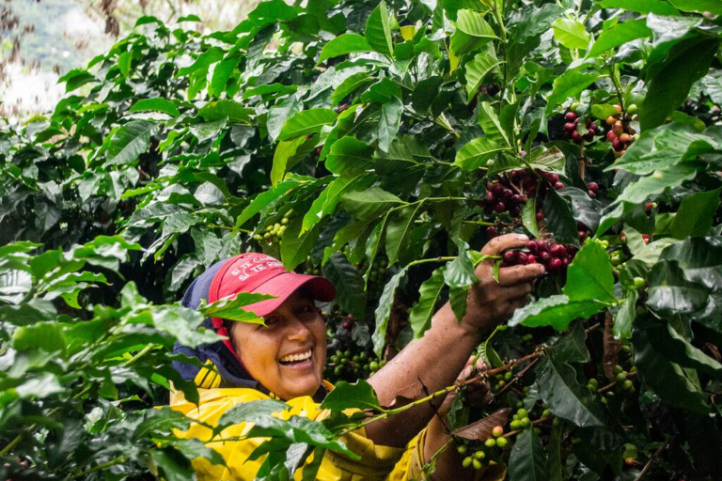
Colombia’s coffee processing methods are diverse, ranging from traditional washed to innovative anaerobic fermentation, with washed, semi-washed, anaerobic natural, and anaerobic enzyme washed being the most common. Each technique significantly impacts the final flavor.
Washed Processing Methodis the most traditional and widely used approach. Coffee cherries are first floated in water tanks to remove unripe beans, then depulped using a pulper to remove the outer skin and flesh. The remaining mucilage-covered beans undergo 16 to 36 hours of fermentation, where microbes break down the mucilage, followed by washing and drying. This method often yields clear acidity, medium body, and pronounced sweetness, effectively highlighting the coffee’s inherent regional characteristics.
Semi-Washed Methodis suitable only for certain dry regions. In this process, the mucilage is not fully removed, resulting in a unique viscosity and blended flavors. While its acidity and sweetness are less pronounced than washed coffee, the overall profile remains harmonious, commonly found in specific microclimatic areas.
Anaerobic Naturalinvolves fermenting whole coffee cherries in an oxygen-free environment before sun-drying. The anaerobic conditions help control the fermentation process, extending sugar breakdown time, thereby enhancing sweetness and flavor balance. This method often produces intense fruit aromas, wine-like notes, and a smooth mouthfeel, making it a popular technique in today’s specialty coffee scene.
Anaerobic Enzyme Washedfirst removes defective beans via washing, then places mucilage-covered beans in a sealed container for slow fermentation in a low-oxygen environment to prolong sweetness development. This method combines the clarity of washed processing with the complexity of anaerobic fermentation, catering to consumers seeking nuanced flavors.
Additionally,Anaerobic Double Enzyme Washedtakes it further by introducing special enzymes for a second fermentation, using two rounds of oxygen-free processing to intensify flavor complexity and sweetness.
Colombia’s market offers a variety of specialty coffee beans with distinct profiles, among which Rose Valley, Flower Moon Night, and Everyday Beans are the most popular. Below are practical roasting and pour-over recommendations for coffee enthusiasts.
Rose Valleyis processed using double anaerobic washed, and a medium roast is recommended to preserve its fruity tones and rich body. Roasting parameters: charge temperature 180°C, yellowing point at 6:00 / 151°C, first crack at 183.3°C at 9:48, continue roasting for 2:10 after first crack, dropping at 197°C. Cupping notes often reveal peach, strawberry, and honey aromas, with a juicy peach-like entry, balanced acidity and sweetness, and a silky texture reminiscent of buttery toffee.
Flower Moon Nightuses anaerobic natural processing, also recommended for medium roast. Roasting parameters: charge temperature 180°C, yellowing point at 6:02 / 150.6°C, first crack at 185°C at 10:20, roast for 1:50 after first crack, dropping at 196°C. Its dry fragrance carries berry and fermentation notes, while wet aroma showcases berry, strawberry, and chocolate tones. The entry is bright in fruit acidity, with a jammy mid-palate and a subtle cocoa finish.
Everyday Beansfrom Huila are high-density, plump Caturra beans processed via washed method. Recommended to extend heat and time after first crack to enhance nutty, dark chocolate, and caramel aromas. Roasting parameters: charge temperature 185°C, air damper 3, flame 120, turning point 98.6°C; gradually adjust air damper and flame, then continue roasting for 3 minutes after first crack at 9:15, dropping at 202°C. Cupping notes include nut and spice aromas, with a balanced entry of berry, nut, and caramel flavors.
For actual pour-over, use a V60 filter, with water temperature controlled at 90°C, 15g coffee, 1:15 coffee-to-water ratio, and grind size recommended as BG#6m (approximately 80% through a Chinese 20-mesh sieve). Note that beans of different altitudes and roast levels may require slight grind adjustments—use a 20-mesh sieve or observe flow rate to calibrate for even extraction.
Use a three-stage extraction: start with 30g water for a 30-second bloom, then pour in a small circular motion to 125g for the first pour, pause when the water level nearly exposes the coffee bed, then pour to 225g before removing the filter. Total extraction time should be controlled between 2:00 and 2:10.
Taking Rose Valley as an example, pour-over reveals pronounced peach aroma, accompanied by rose and chocolate notes, with a lively peach juice-like entry, balanced acidity and sweetness, and a silky texture like buttery toffee. Flower Moon Night showcases intense strawberry aroma, crisp acidity, jammy mid-palate, and cocoa and juice layers in the finish. Everyday Beans is grounded in nut and dark chocolate notes, with soft mid-palate fruit acidity and a lingering caramel sweetness, perfect for everyday drinking.
The above content is compiled by CoffeeHunters, a coffee news website.


