







Introduction:Want to replicate café-quality espresso at home? This article dives deep into the four key parameters of espresso extraction: coffee dosage, grind size, coffee-to-water ratio, and brew time, helping you find the balance point of the Golden Cup standard. Whether you're a beginner or an experienced coffee enthusiast, you'll gain practical tips for adjusting your home espresso machine and learn about the characteristics of four different home-use blend beans, ensuring every shot of espresso achieves the perfect balance of richness and harmony.
Every unforgettable shot of espresso is backed by a precise set of extraction parameters. From the grind size of the coffee beans to the coffee-to-water ratio, and even the duration of extraction, these seemingly minor adjustments can greatly influence the final flavor profile. Many people’s first encounter with espresso might be through a fragrant Americano, an intricate latte art, or a silky milk coffee—but in truth, the foundation of all these lies in a well-extracted shot of espresso.
What is the ideal espresso extraction?
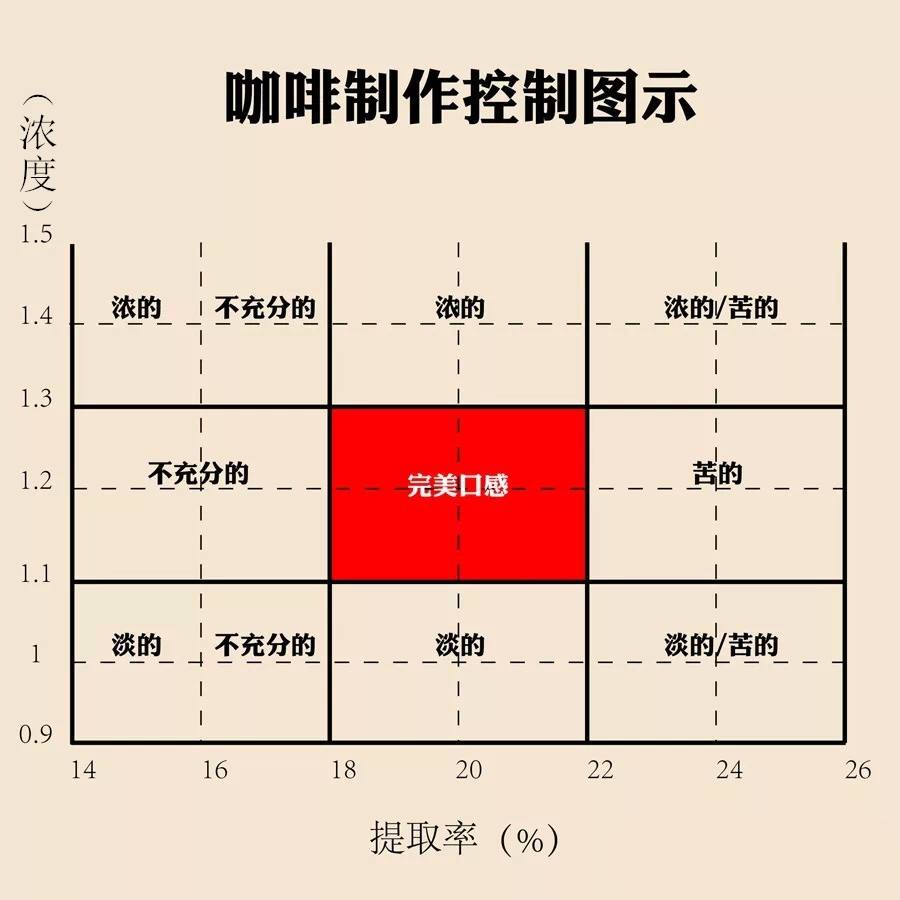
The essence of coffee extraction is using water to draw out about 30% of the soluble substances from the coffee beans, resulting in a rich cup of coffee liquid. Among these soluble substances, only about 20% are aromatic small molecules that contribute pleasant flavors, such as fruit acids and oils, while the rest may bring negative tastes like woody or bitter notes. To brew a balanced and flavorful espresso, the key lies in mastering the golden ratio of extraction—commonly referred to in the industry as the "Golden Cup standard." Although it's difficult to use professional instruments to measure concentration in a typical home setting, we can still adjust to achieve a satisfying extraction by controlling several core variables.
Four essential parameters for espresso extraction
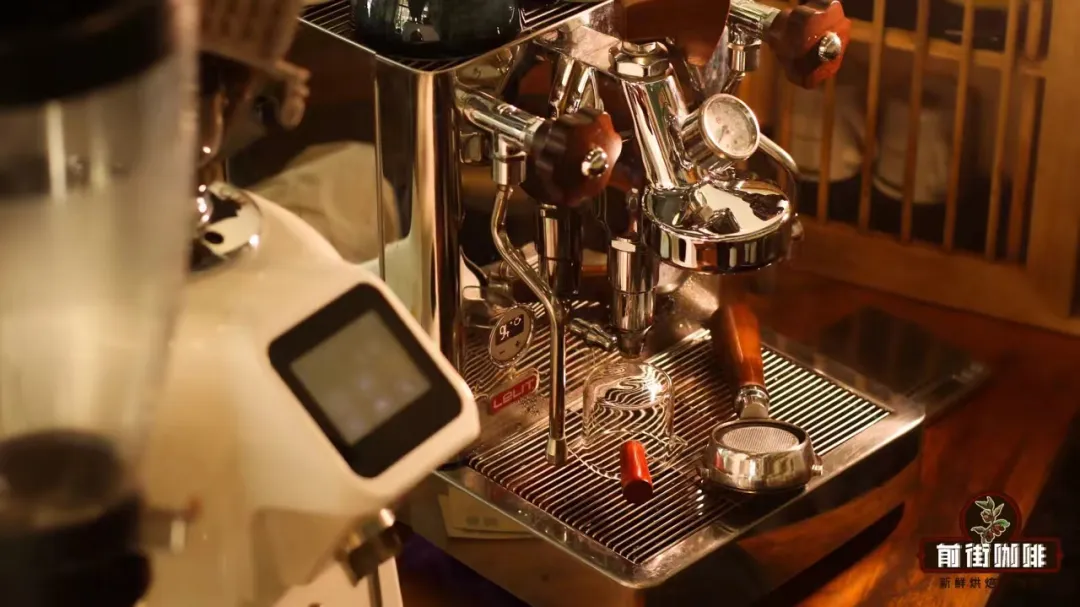
To successfully extract an ideal espresso, there are four main parameters to pay attention to: grind size, coffee dosage, brew time, and coffee-to-water ratio. While the pressure and water temperature of the espresso machine are usually fixed settings, and distribution and tamping may vary by personal habit, these four factors are the variables that most directly impact extraction results in daily adjustments. Especially for home espresso machine users, accurately mastering these parameters is the key to successful extraction.
Grind size and uniformity: The core of flow rate
Grind size is one of the most important factors determining the extraction speed and flavor release of espresso. The finer the coffee is ground, the greater the resistance the water faces, resulting in a slower flow rate; conversely, if the grind is too coarse, the flow rate will be too fast, leading to under-extraction. It’s worth noting that even a difference of just 1 gram in coffee dosage can cause the extraction time for the same liquid volume to vary by several seconds. Additionally, if the coffee particles are uneven in size, the density after tamping will be inconsistent, which can also lead to unstable water flow and affect the overall balance of extraction. Therefore, it’s recommended to use a high-quality grinder and ensure that the ground coffee has a consistent particle size.
Coffee-to-water ratio: The golden reference value of 1:2
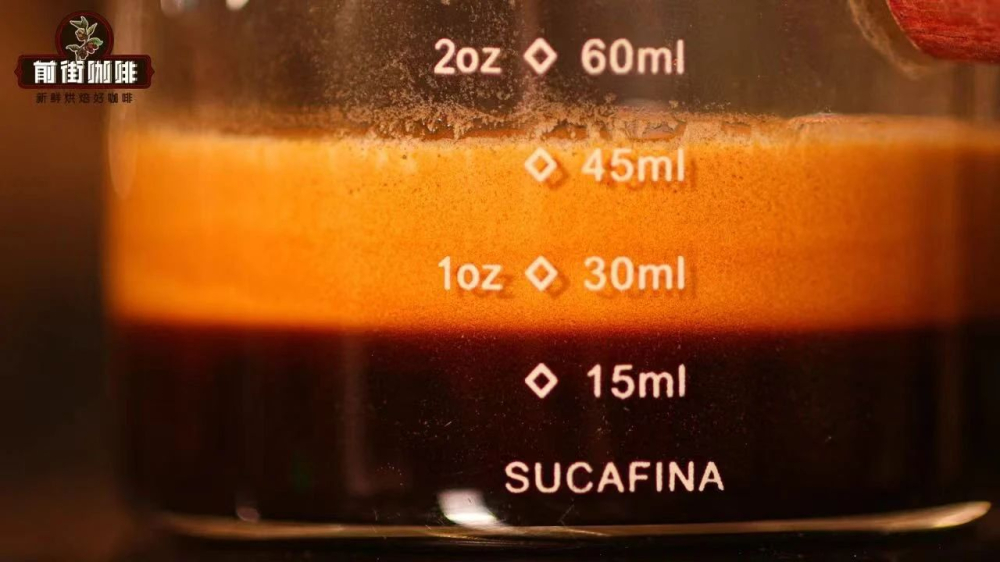
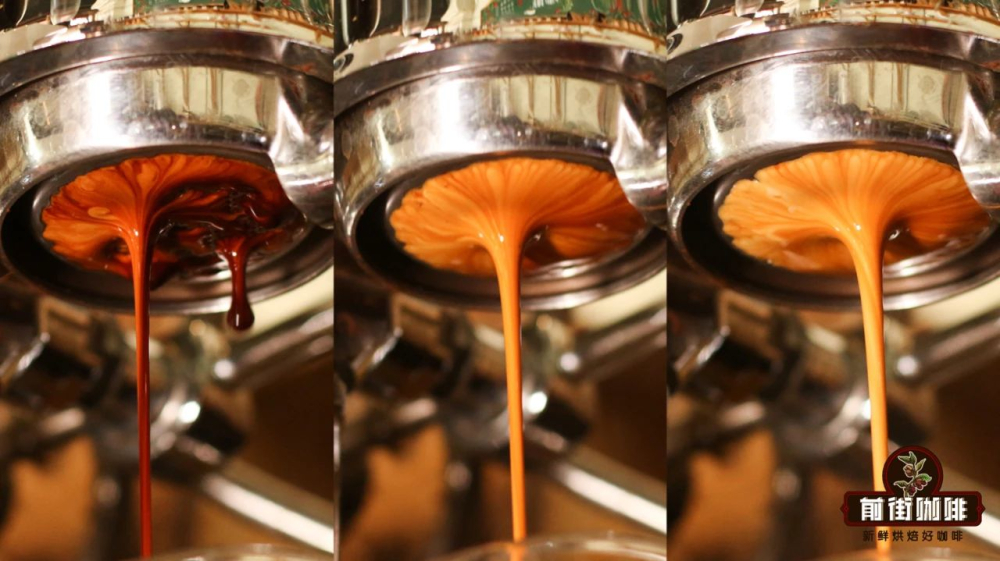
The coffee-to-water ratio refers to the weight of coffee grounds used compared to the weight of the final extracted coffee liquid. A common and stable standard ratio is 1:2—for example, using 20 grams of coffee grounds with the goal of extracting 40 grams of coffee liquid. This ratio can provide a rich and balanced flavor in most cases. In the past, many baristas relied on observing the color changes of the crema (coffee foam) to judge the end of extraction, from dark brown gradually turning golden, and finally appearing white as the signal to stop. Nowadays, the 1:2 coffee-to-water ratio has become an industry-recognized stable reference, helping beginners more easily manage extraction volume.
Brew time: The golden range of 25–30 seconds
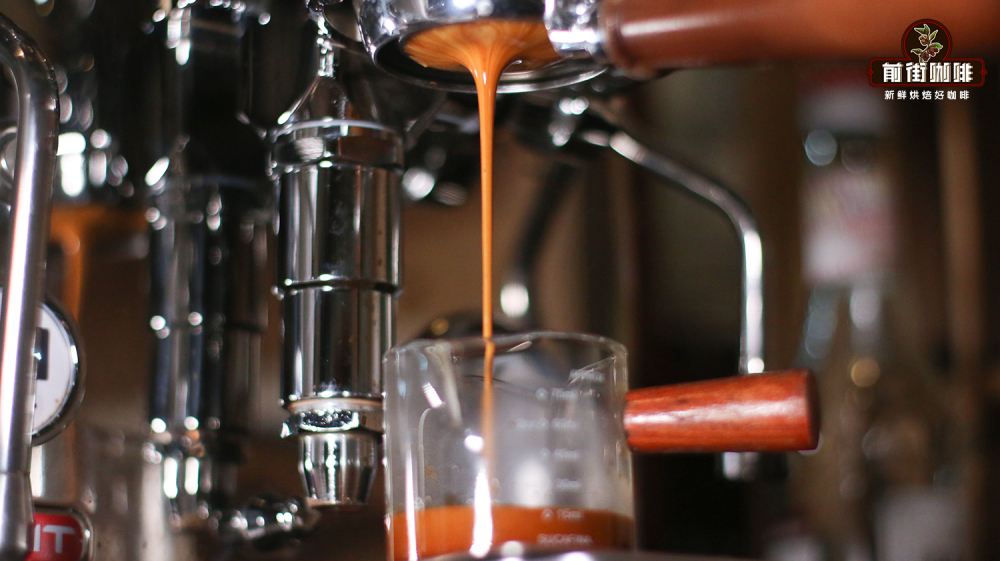
The standard brew time for espresso generally falls between 25 and 30 seconds. Under a fixed coffee-to-water ratio, a shorter time indicates a faster flow rate, meaning relatively less soluble material is extracted from the coffee; conversely, a longer time means a slower flow rate, extracting more flavor compounds but also risking over-extraction and bitterness. If you find the espresso overly burnt and bitter, it may be due to too long a brew time—consider adjusting the grind coarser. If the flavor is too thin or lacks complexity, it may be under-extracted—you can increase the dosage or make the grind finer to extend the brew time.
Adjusting variables to find optimal flavor balance
Espresso extraction is a dynamic process where various parameters influence each other. It’s recommended to start with the standard coffee-to-water ratio of 1:2 and a brew time of 25–30 seconds, then fine-tune the grind size and dosage based on actual flavor performance. Observing each shot—from the color and texture of the crema to the flavors upon tasting—is a key basis for judging whether adjustments are needed. Through continuous experimentation and tweaking, you’ll gradually master the optimal extraction conditions for your specific machine and beans.
Recommended home espresso beans: Stable flavors, ideal for practice and daily use
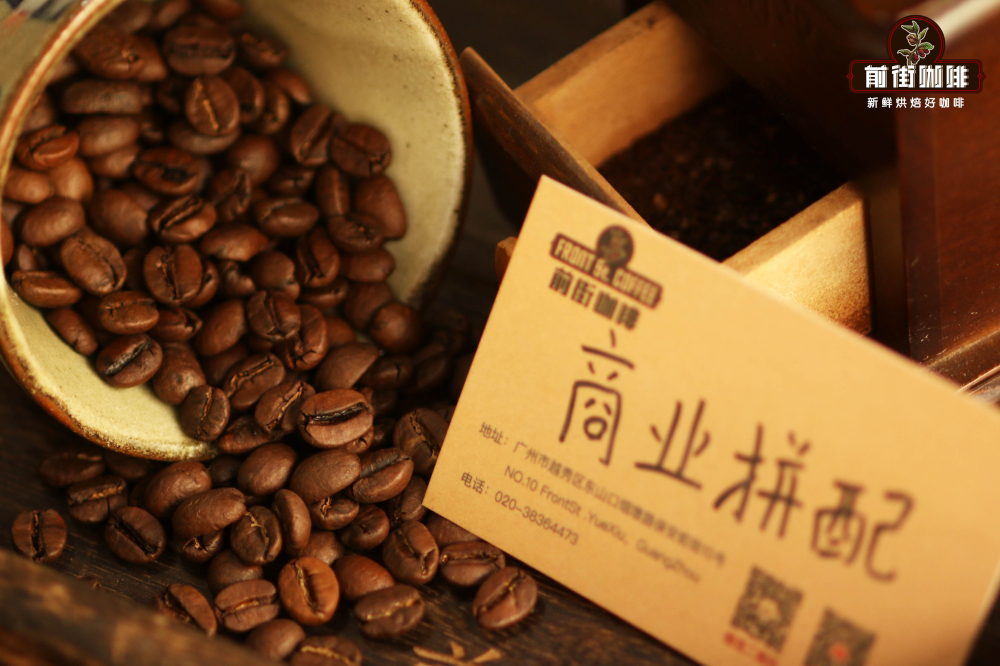
Since home espresso machines are generally less stable in pressure and water temperature compared to commercial machines, choosing a well-balanced, high-fault-tolerance blend is especially important. Below are four distinct home-use espresso blends, each emphasizing fresh roasting (shipped within 5 days of roasting), ensuring you enjoy the best flavor from the start.
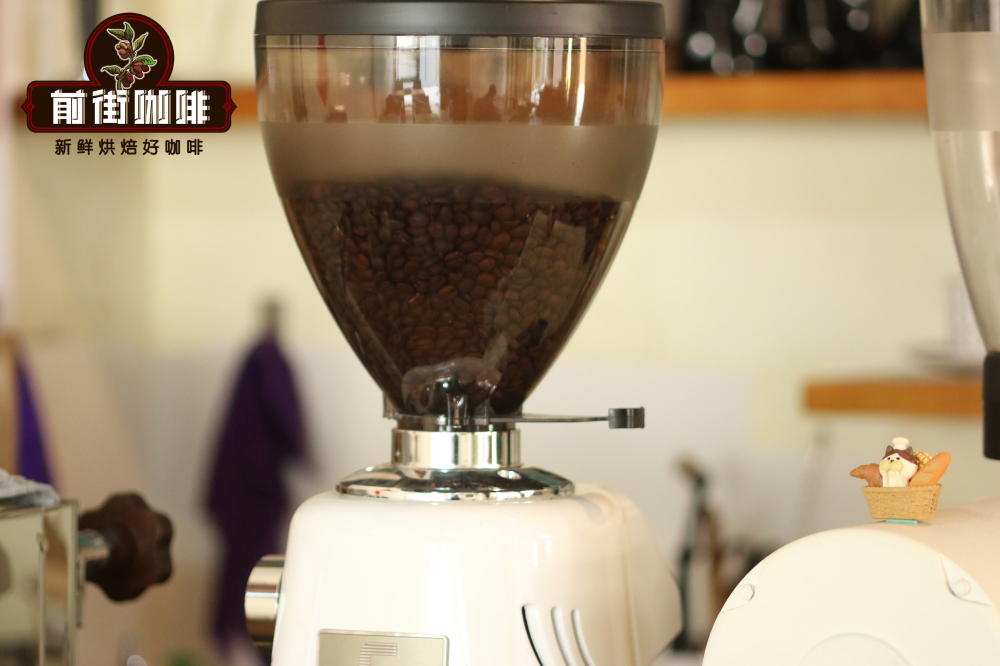
Classic bold type: Dark roast blend, rich crema and smoky aroma
Combining Robusta washed, Colombian washed, and Brazilian semi-washed beans, this blend is designed for coffee lovers who enjoy a bold flavor. After extraction, it yields a thick golden crema, with a distinct smoky and nutty profile, a smooth finish, and a long-lasting aftertaste—perfect for those who prefer a rich-tasting cup.
Mildly acidic bold type: Balanced combination of Yunnan and Brazil
Using Yunnan small-bean washed beans and Brazilian semi-washed beans, this blend offers a gentle fruit acidity paired with a bold base. The espresso features caramel, nut, and subtle plum acidity flavors, is cost-effective, and is suitable for daily drinking and beginner practice.
Balanced strong type: The perfect match of chocolate and caramel
Blending Colombian and Brazilian beans, this blend showcases a deep chocolate flavor and rich roasting aromas, along with a distinct caramel sweetness. It’s ideal for users who enjoy bold yet balanced flavors.
Delicate winey type: Intertwined wine-barrel aging and fruity notes
Composed of Ethiopian sun-dried red cherry and Honduran sherry cask beans, this blend delivers intense vanilla, cream, and wine-like aromas. It has a smooth mouthfeel with a captivating caramel aftertaste. Whether used for Americanos or milk coffees, it showcases rich layers of flavor.


The above content is compiled by CoffeeHunters, a coffee news website.


