







Introduction:Want to replicate that rich and aromatic espresso from your favorite café at home? This article breaks down the ideal range of the Golden Cup extraction rate, key parameters for espresso such as brew ratio, grind size, and extraction time, and teaches you how to choose the right coffee beans—step by step—to craft an espresso with a thick crema and balanced flavors. Whether you're a coffee beginner or an advanced enthusiast, you’ll find practical brewing guidance here.
Every morning, many professional cafés adjust their espresso extraction parameters before opening to lay the foundation for all their espresso-based drinks. This isn’t just part of the routine—it’s because a well-extracted espresso is the heart of all milk-based coffees and many signature blends. To brew a flavorful, crema-rich espresso at home, mastering the correct extraction parameters is essential.
Espresso is made by forcing high-pressure, high-temperature water through finely ground coffee in a very short time, extracting a concentrated shot rich in flavor compounds, intense aromas, and a full body. This process requires precise control of various variables to produce a delicious cup that meets the “Golden Cup Standard.”
For those trying espresso at home, it's recommended to start with a medium-roast, aromatic blend. Blends are typically composed of beans from different origins, carefully selected and roasted by the roaster to achieve balanced and consistent flavors. This not only helps stabilize extraction results but also offers more room for error, making it particularly beginner-friendly for home use.

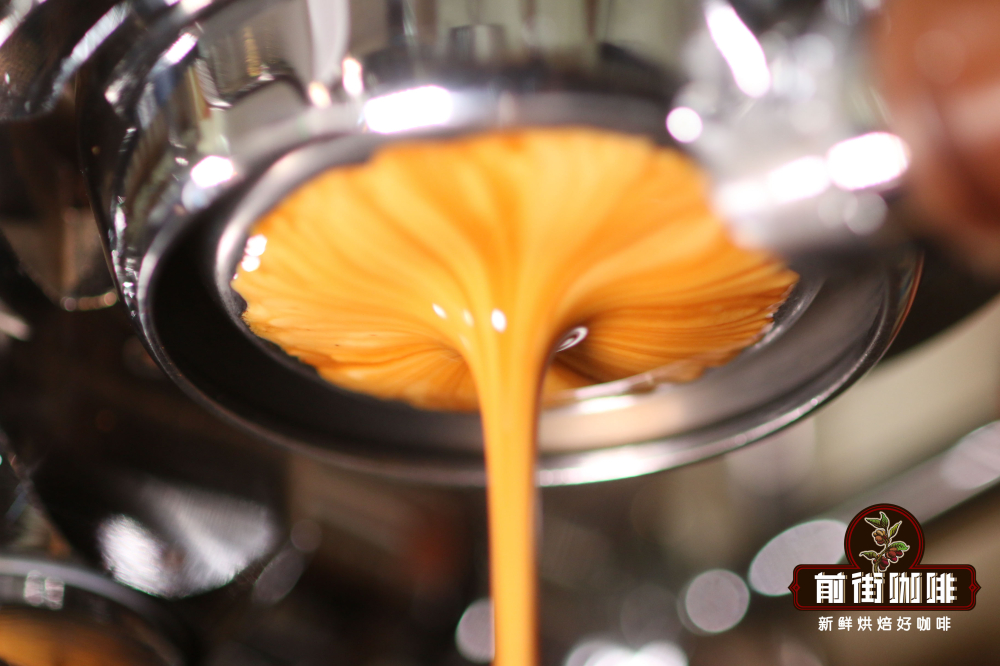
When observing a freshly extracted espresso, the top should be covered with a fine, glossy layer of crema (the coffee’s foam layer). This foam is not only a symbol of freshness but also carries intense aromas. To achieve this, it’s best to let the coffee beans rest for 4 to 10 days after roasting to allow residual CO₂ to dissipate fully. Especially for dark-roasted blends, the resting period may extend up to 10 days. Therefore, even if you receive freshly roasted beans, it’s advisable to let them sit for a while before brewing.
Brewing an ideal espresso hinges on controlling the extraction rate, brew ratio, grind size, and time. According to the Golden Cup extraction theory, the optimal extraction rate falls between 18% and 22%. This range effectively highlights the desirable flavor compounds in the coffee without over- or under-extracting. A common brew ratio recommendation is between 1:1.5 and 1:2.5, with 1:2 being the standard used by most cafés—that is, using 20 grams of coffee grounds to extract 40 grams of espresso.
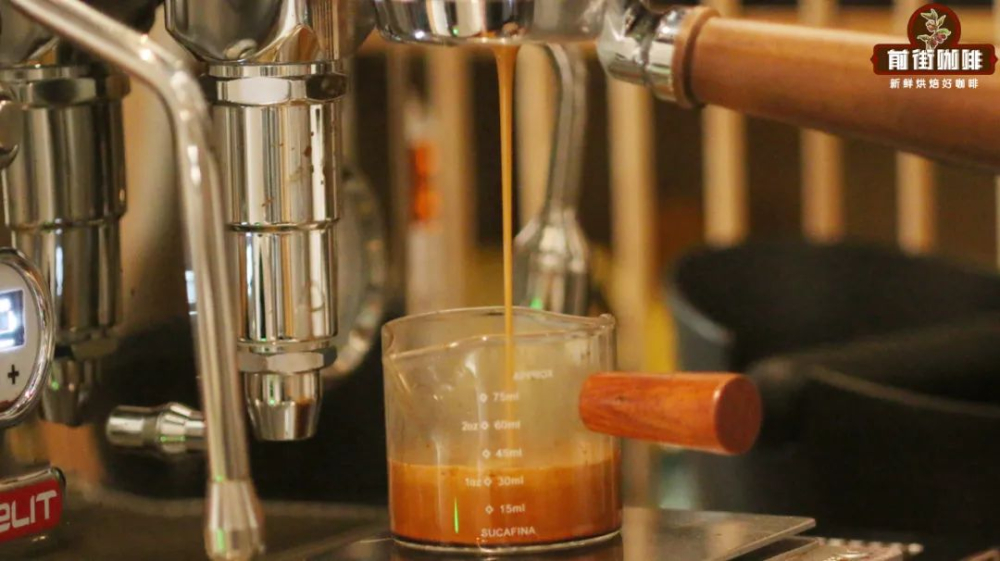
The choice of coffee dose affects the density of the coffee puck, which in turn influences flow rate and overall extraction efficiency. Increasing the dose makes the puck denser, slowing water flow, potentially lengthening extraction time, increasing concentration, and raising the extraction rate. It’s recommended to fine-tune the dose based on actual flow rate and flavor outcome to find the best balance. Similarly, when other factors remain constant, extraction time is also a crucial metric. Typically, keeping it between 25 and 30 seconds is the most straightforward way to adjust espresso flavor in most home setups.
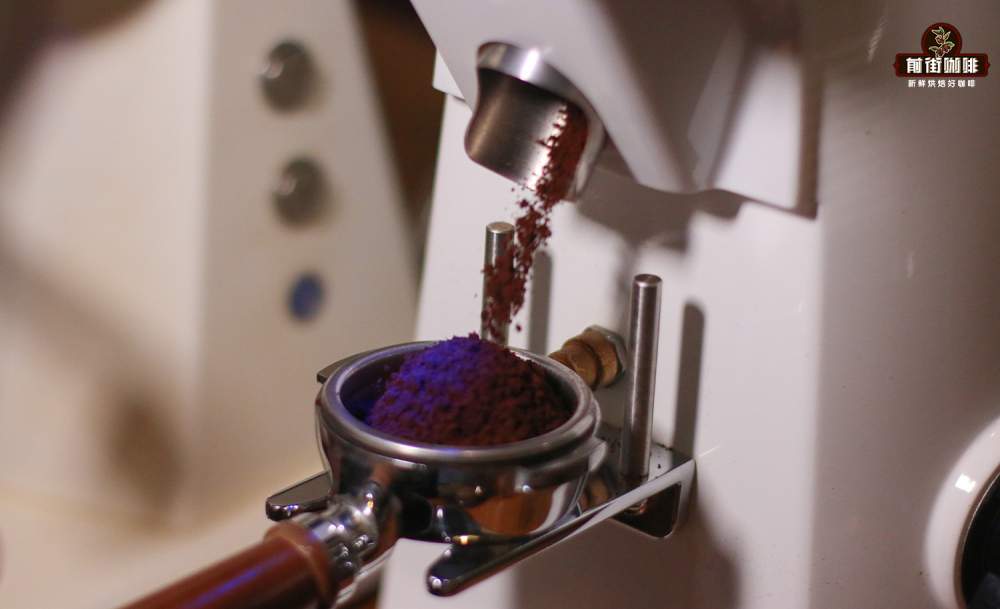
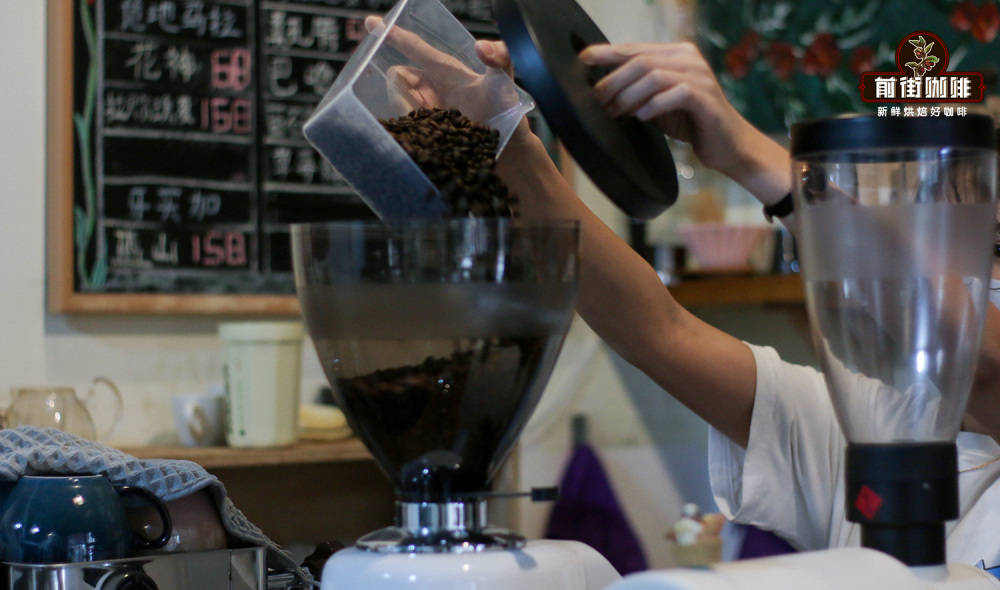
Grind size is one of the most critical variables affecting espresso extraction, and adjustments need to be extremely precise—too coarse or too fine will noticeably impact the result. If the grind is too coarse, water flows through too quickly, often leading to under-extraction, resulting in sour and thin flavors. Conversely, if the grind is too fine, water flow is restricted, which can cause over-extraction, producing bitter and harsh tastes. Because the differences are often subtle, it’s best to adjust the grinder settings gradually while observing flow rate and tasting the coffee to find the ideal fine balance.
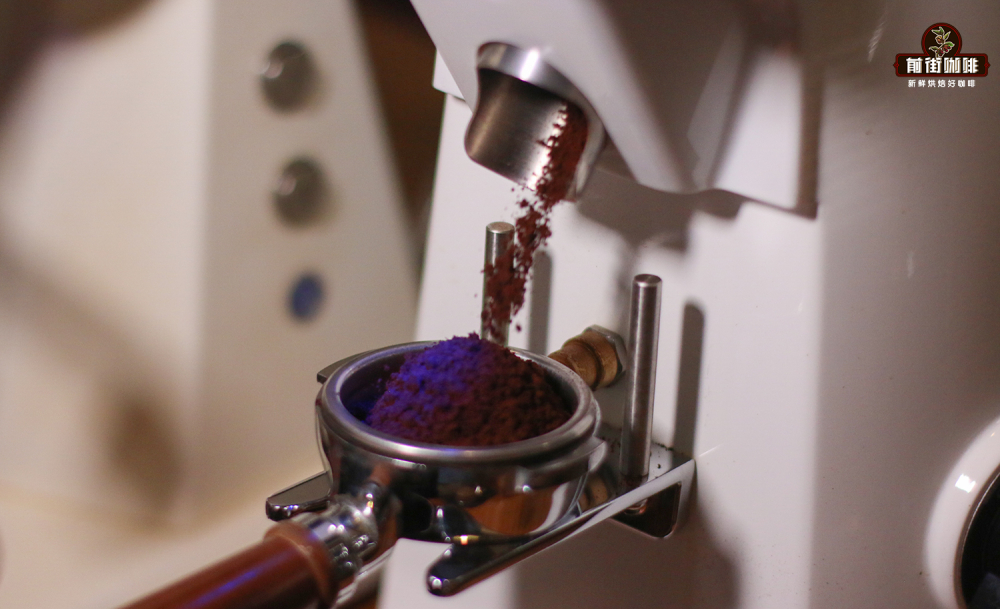
While each café may have its own unique recipe, a general benchmark suitable for both home and café use is: 20 grams of coffee, a 1:2 brew ratio, extracting around 40 grams of espresso under approximately 9 bar pressure, with a time of about 30 seconds. By stabilizing these parameters, you too can enjoy a balanced and rich-tasting espresso at home—whether sipped on its own or used as the base for lattes or cappuccinos, it will showcase the coffee’s depth and charm.
The above content is compiled by CoffeeHunters, a coffee news website.


