







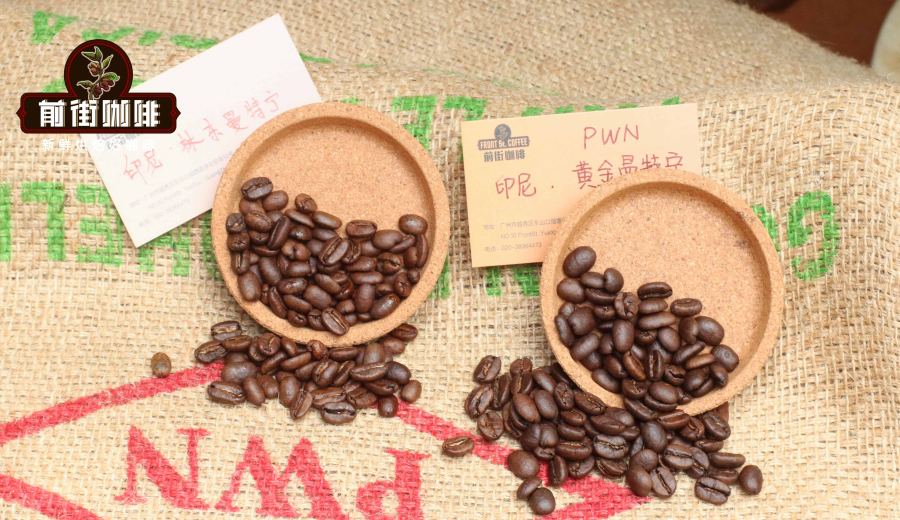
Introduction:Indonesia is renowned for its wet-hulled Mandheling coffee, but few know that in the humid Lake Toba region, some farms have successfully developed sun-dried Mandheling. Through adjustments to the drying process and a combination of natural sun drying and mechanical assistance, Wahana Estate has created Asia’s first sun-dried Mandheling with unique flavors. This article delves into its terroir, the evolution of its processing techniques, and provides detailed cupping notes and practical pour-over parameters to guide you in exploring a different side of Sumatran coffee.
In most people’s minds, Indonesian coffee is almost synonymous with wet-hulled Mandheling, known for its rich, bold flavor and distinctive herbal and earthy notes. However, in the high-altitude areas around Lake Toba in Sumatra, there is a Wahana Estate that, through years of experimentation and technical adjustments, has successfully produced a uniquely flavored Mandheling using the sun-dried method—one of Asia’s first commercially successful sun-dried Mandhelings.
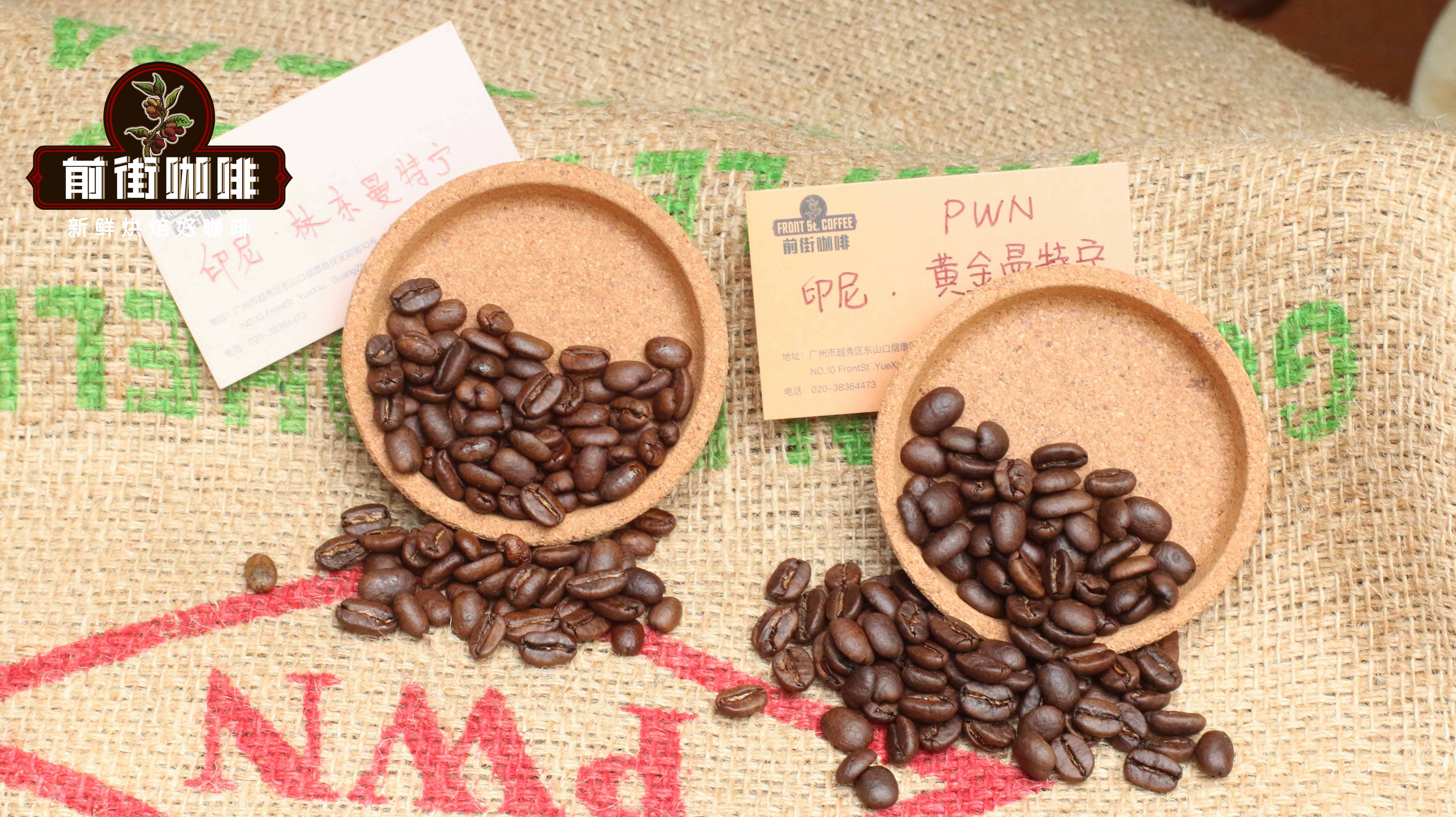
When it comes to Indonesian Mandheling, many coffee enthusiasts first think of a certain brand’s Lintong Mandheling, which offers a classic Sumatran solid body and caramel sweetness at an affordable price, making it ideal for beginners. For those seeking a more refined and consistent premium Mandheling, the same brand’s PWN Gold Mandheling is a must-try. It carefully selects G1-grade beans and undergoes multiple manual and mechanical screenings, keeping only plump beans larger than 18 mesh to ensure pure flavor, low acidity, and pronounced caramel notes. Yet, beyond wet hulling, Indonesia can also nurture diverse processing methods—such as Wahana Estate’s sun-dried Mandheling, an innovative breakthrough overcoming climatic limitations.
Since 2005, Wahana Estate has been located in the Sidikalang district of North Sumatra, Indonesia, near Lea Mungkur Village, within the historically rich coffee-growing region around Lake Toba. Situated at an altitude of about 1,200 to 1,500 meters, the area receives abundant annual rainfall of 2,000 to 3,000 mm, with a diurnal temperature variation exceeding 10°C, helping coffee cherries accumulate high sugar content—with red cherries typically exceeding 13% sugar. In 2006, the estate was officially established in the Sidikalang area, covering a total of 460 acres, with 100 acres dedicated to coffee cultivation and the rest to vegetables and other crops. The farm has introduced advanced processing equipment synchronized with Brazil’s standards. Initially focused on conventional Mandheling, the team has always aimed to break tradition and develop more distinctive products.
In 2008, Wahana’s processing facility was completed, and an experimental program for sun-dried Mandheling commenced. Local farmers, long skilled in manual coffee processing, provided a solid foundation for this transition. Initially, the estate attempted 100% natural sun drying in a semi-open space with skylights, but Sumatra’s humid and rainy weather made the drying process highly unstable, affecting final quality. After repeated adjustments, a hybrid process combining “initial natural sun drying + later mechanical drying” was adopted, successfully overcoming humidity challenges and stably producing sun-dried Mandheling with distinct flavor characteristics.
This processing method requires farmers to harvest only fully ripe, red coffee cherries and evenly spread them on drying beds during the initial drying phase, turning them frequently daily to ensure even heat exposure. The entire sun-drying process typically lasts 2 to 3 weeks—or longer depending on weather—until the beans’ moisture content drops to 11–13%. Since the final stage still relies on mechanical drying, Wahana’s sun-dried Mandheling can be described as an innovative fusion of traditional and modern techniques. Finally, a hulling machine designed specifically for sun-dried beans is used to fully preserve their unique flavors.
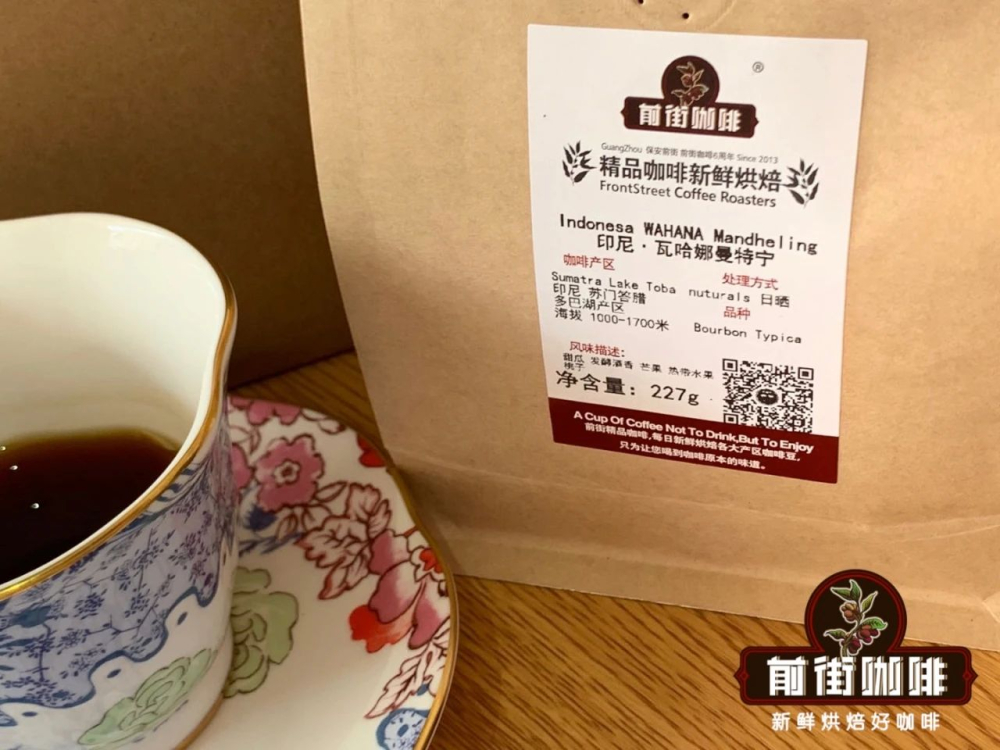
The processing method of this particular brand’s Wahana sun-dried Mandheling differs significantly from Indonesia’s common wet-hulling method. Wet hulling involves removing part of the parchment layer after fermentation and washing to accelerate the process and bring out unique herbal notes; in contrast, sun drying allows the whole husked coffee cherry to slowly dry under the sun, fully retaining the flavor derived from pulp sugar conversion. The specific steps include: manually removing defective, unripe, or overripe cherries, evenly spreading qualified coffee cherries, turning them several times daily, adjusting drying time based on weather, until the moisture content meets the target, then completing subsequent processing with mechanical assistance.
In cupping, this sun-dried Mandheling showcases a flavor profile distinctly different from traditional wet-hulled methods. Upon hot brewing, tropical fruit aromas waft through, accompanied by noticeable fermentation layers, with soft and balanced acidity, a smooth and delicate mouthfeel, prominent sweetness without cloying—perfect for coffee lovers who enjoy a blend of fruity and full-bodied profiles.
If you’d like to brew this Wahana sun-dried Mandheling at home, here are some practical parameters: use about 15 grams of coffee grounds, set the coffee-to-water ratio at 1:15, control the water temperature at 90°C, and grind to a BG #6SF size (equivalent to medium-fine, similar to the medium-fine grind commonly used for Hario V60 #01 filters). The specific brewing process is as follows: the first pour is 30 grams of water for a 30-second bloom; the second pour adds 95 grams of water, reaching a total of 125 grams, completed within about 1 minute; the third pour adds 100 grams of water, bringing the total to 225 grams, finished at around 1 minute and 40 seconds. The total extraction time should be controlled to around 2 minutes and 10 seconds, after which the filter can be removed and enjoyed.
This sun-dried Mandheling from Sumatra’s Lake Toba region not only showcases Wahana Estate’s innovation and dedication to processing techniques but also reveals the diverse potential of Indonesian coffee. If you’re already familiar with the boldness of wet-hulled coffee, try this refreshing and layered sun-dried version—you might just discover a whole new coffee experience.
The above content is compiled by CoffeeHunters, a coffee news website.


