








Introduction:Delve into the AA-grade Typica coffee beans from Mount Kilimanjaro in Tanzania, exploring everything from their high-altitude growing environment and washed processing method to grade classification and pour over brewing techniques. This comprehensive guide breaks down this classic coffee, celebrated for its citrus, berry, and honey aftertaste. Practical pour over parameters and flavor profiles are also provided to help you better capture the potential of this high-altitude specialty bean.
Located in East Africa, Tanzania is home to numerous high-quality coffee-growing regions at elevations exceeding one thousand meters, thanks to its active Mount Kilimanjaro volcano. Among them, the highlands surrounding Mount Kilimanjaro stand out as one of the country’s most iconic coffee-producing areas, with altitudes ranging approximately between 1,300 and 2,000 meters. Coupled with mineral-rich volcanic soil, these conditions create an ideal environment for growing Arabica beans. This article focuses on a top-tier bean variety from the region—Tanzania Kilimanjaro AA coffee beans—and takes you through an in-depth exploration of this well-regarded coffee, covering its growing region, varietal characteristics, processing methods, and pour over recommendations.
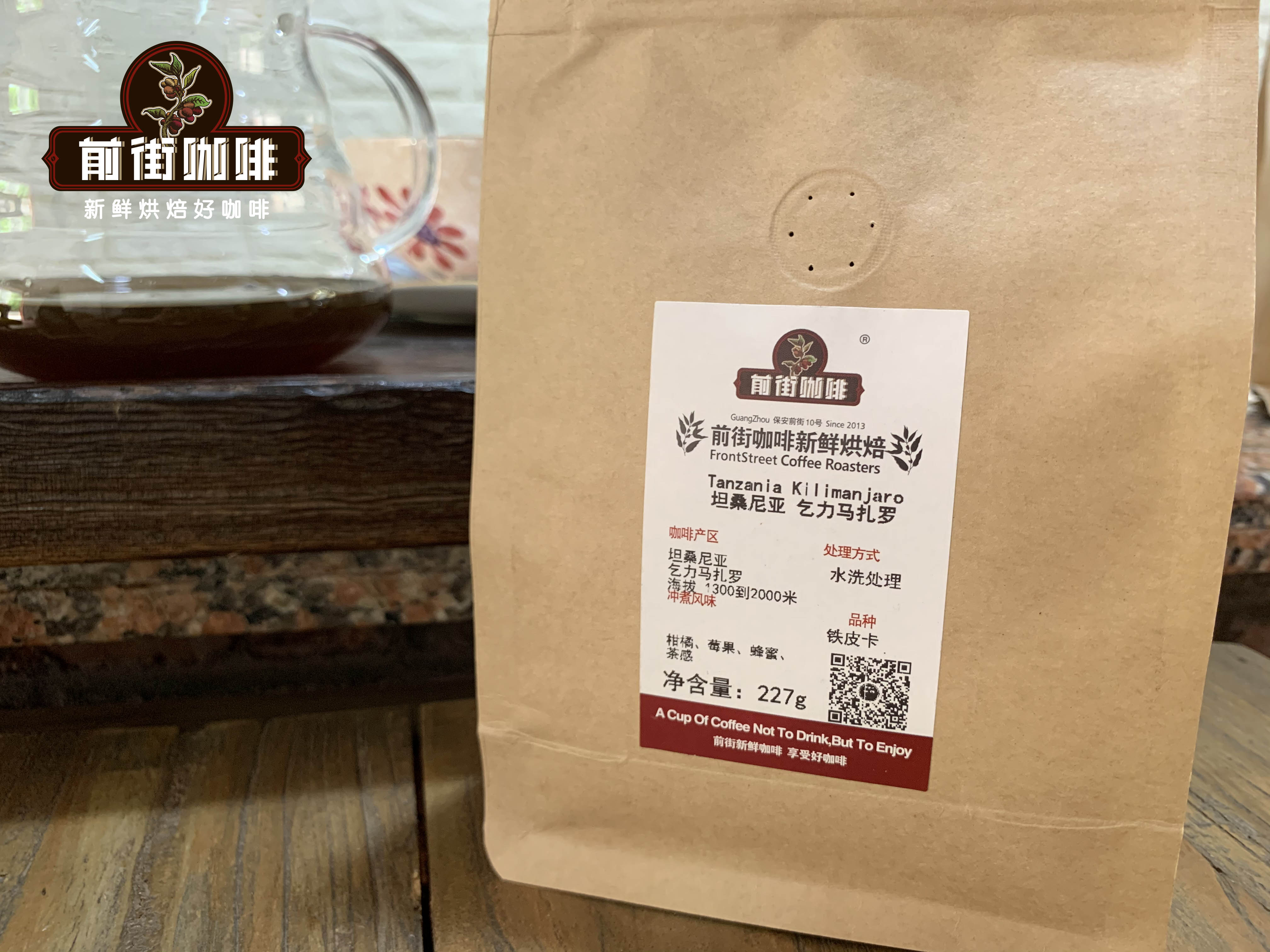
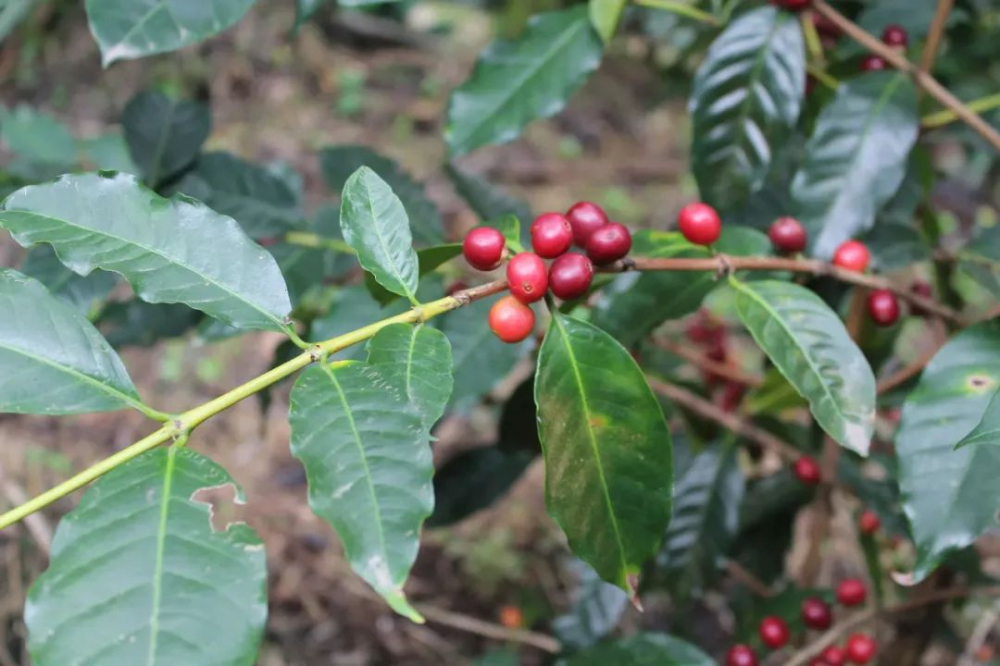
As Africa’s highest peak, the mountainous areas around Mount Kilimanjaro not only enjoy a cool alpine climate but also benefit from significant day-night temperature variations, which help coffee cherries ripen slowly and accumulate richer flavor compounds. These coffee trees are mostly planted on slopes with good drainage, and together with the natural volcanic soil, the resulting green beans exhibit pronounced acidity and complex aromatic layers. Tanzanian coffees primarily feature two traditional varieties: Typica and Bourbon. The Kilimanjaro AA introduced here is made from the classic Typica variety.
Typica is one of the earliest widely cultivated Arabica varieties. Although it has relatively low yield per plant and is less resistant to diseases such as leaf rust, its flavor profile is highly layered. Especially in high-altitude environments, it can showcase delicate fruit acidity and sweetness. Typica plants are tall and difficult to manage, so in many commercial production areas, they have gradually been replaced by newer disease-resistant varieties. However, in places like Jamaica Blue Mountain, Peru, and certain Caribbean regions, Typica is still regarded as a symbol of high quality, and Tanzania’s Kilimanjaro AA is one of its classic representatives.
In terms of processing methods, Tanzanian coffee farms commonly use the washed process, which effectively highlights the beans’ clean acidity and crisp taste. The washed process involves several steps: first, unripe or damaged coffee cherries are removed, followed by stripping away the outer skin and pulp. Then, the mucilage-covered beans are placed in fermentation tanks for about 18 to 36 hours to break down the pulp layer. Finally, the beans are thoroughly washed with clean water and dried either by sun drying or mechanical means. This method not only reduces interference from impurities and off-flavors but also results in a cleaner, brighter final cup.
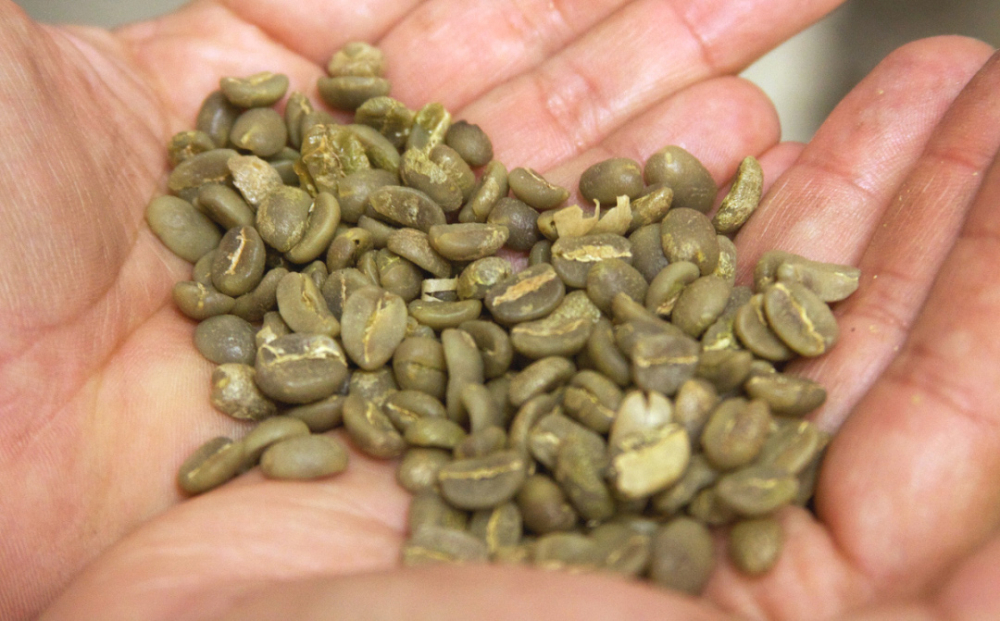
Tanzania’s coffee grading system is similar to that of its neighbor Kenya, primarily determining grade based on the screen size (mesh size) of the green beans—the higher the screen number, the larger the bean size and the greater the potential quality. Common grades include:
AA Grade: Green beans sized between 17 and 18 mesh (approximately 7.20 mm), representing the highest grade in the country, typically offering the richest flavors and the highest market value.
AB Grade: Sized between 15 and 16 mesh (approximately 6.8 mm to 6.2 mm), considered a step below in quality but still delivering solid flavor performance.
PB Grade: Peaberry, accounting for about 10% of total production, where only one round seed develops inside each coffee cherry, often exhibiting unique intense flavors.
C Grade: Sized between 12 and 14 mesh (approximately 4.8 mm to 5.6 mm), representing a relatively lower grade.
Our featured bean—Tanzania Kilimanjaro AA—belongs to the highest AA grade, boasting excellent appearance and great flavor potential. For pour over enthusiasts, the performance of this bean in pour over brewing is equally promising. It is recommended to use a V60 dripper for extraction; its wide opening and spiral ridges help enhance airflow and extraction efficiency. While the body may not be as rich as that from a French press, its bright acidity and clear floral-fruity aromas fully showcase the characteristics of Kilimanjaro beans.
Suggested pour over parameters are as follows: water temperature should be controlled between 90–91°C, and grind size is recommended to be adjusted to that of fine sugar, or using a #20 sieve to achieve about 80% passing rate. The coffee-to-water ratio is advised to be set at 1:15, with a single brew using 15 grams of coffee grounds. Brewing can follow the classic three-pour or multi-pour method: the first pour is 30 grams of hot water for a 30-second bloom, followed by slow circular pouring to reach 125 grams before stopping, then waiting for the water level in the dripper to drop before continuing to pour slowly until the total weight reaches 225 grams. The total brew time is about 2 minutes and 3 seconds (including the bloom). This parameter can fully highlight the citrus notes and delicate berry aromas of the Typica beans.
In the cup, this Kilimanjaro AA coffee presents a bright citrus acidity, accompanied by layered berry aromas. The mid-palate reveals gentle nutty undertones, while the finish leaves a honey-like sweetness and tea-like aftertaste. The overall flavor is balanced and dynamic, making it an excellent choice for pour over lovers who enjoy fruity acidity and refreshing profiles. If you’re looking for a Typica coffee that showcases high-altitude flavor characteristics, Tanzania Kilimanjaro AA is a must-try.
The above content is compiled by CoffeeHunters, a coffee news website.


