







Introduction:Want to explore the unique charm of Colombian Huila coffee? This article will delve into the aromatic profile and flavor structure of Huila washed beans by starting with the region’s geography and climate conditions. It also provides a practical 88°C pour over brewing guide, including grind size, brew ratio, and detailed pouring steps. Additionally, it recommends two fruit-forward options—Sidra and Maragogype—ideal for beginners looking to build their go-to coffee bean list.
Why has Colombia become the “go-to bean choice” for specialty coffee lovers worldwide? The answer lies not only in its stable production capacity but also in its exceptional growing environment and rigorous production management. This article takes you on a deep dive into the world’s third-largest coffee-producing country—from its coffee history and regional distribution to the terroir characteristics of the southern Huila region—to fully analyze the nutty, chocolatey, and caramel aromas, as well as the balanced sweetness, that Huila washed beans offer.
Colombia is one of the few coffee-producing countries capable of nurturing multiple microclimates. From west to east, the country is traversed by three major mountain systems: the Western Cordillera, the Central Andes, and the Eastern Cordillera. The valleys and plateaus formed between these mountains provide diverse altitudes and temperature ranges, creating an ideal stage for cultivating high-quality Arabica. Especially in the southern regions above 1,500 meters—such as Huila, Cauca, and Nariño—the coffee is favored in the market for its delicate berry notes and bright acidity.

As for the origins of Colombian coffee, while there are various accounts, the most widely accepted version is that Jesuit missionaries first introduced coffee seeds to the country in 1723. Development was slow at first, but planting gradually expanded toward the end of the 19th century. By 1912, coffee exports already accounted for half of the country’s foreign trade. Over the years, the Colombian government and coffee farmer organizations have emphasized brand image building, with none more iconic than the “Juan Valdez and his mule” campaign, which successfully established an impression of high quality and traceability.
Among the many producing regions, Huila Province, located in southwestern Colombia, is a key hub for the country’s specialty coffee. It consists of numerous small farming villages, some of which have even become brand names in the market. Though the region boasts fertile volcanic soil and suitable altitudes, infrastructure such as drying patios and washed processing facilities still needs improvement. Even so, Huila consistently ranks among the top coffee producers in the nation, with over 2.6 million bags (each weighing 60 kg) produced in 2016—about 18% of the national total—and has won numerous awards in the Cup of Excellence competition.
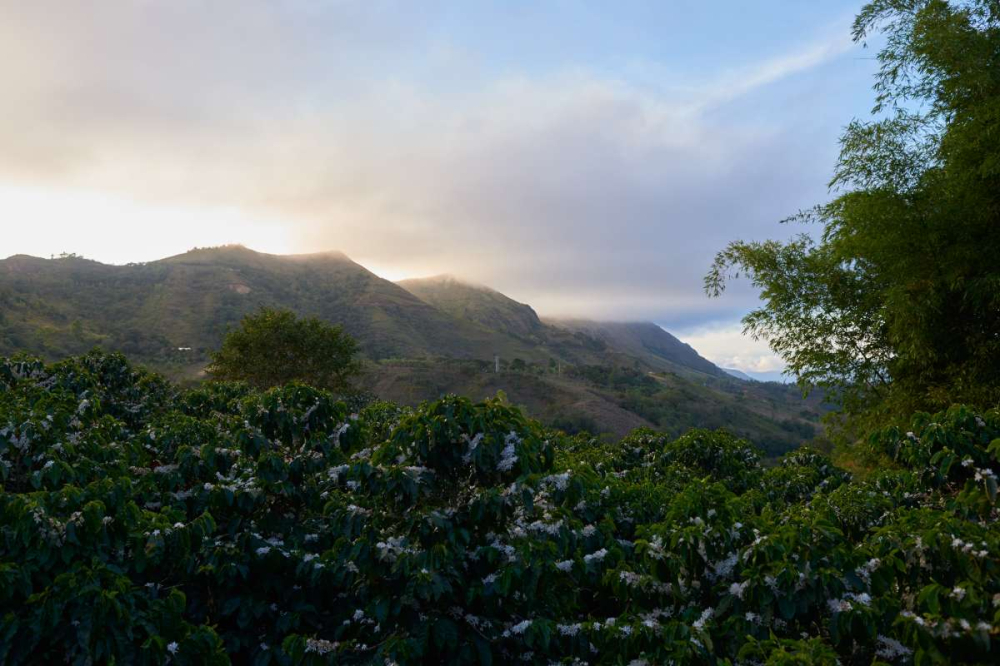
Coffee trees in the Huila region mainly grow at elevations between 1,200 and 1,800 meters, where the climate is mild, with an average annual temperature ranging from 17°C to 23°C. Coupled with nitrogen-rich volcanic soil, this results in beans with a rich and layered character. Typical flavor profiles include a strong chocolate base, complemented by caramel sweetness and nutty aftertastes. The acidity is soft and balanced, yielding a rounded and deep mouthfeel. Many coffee professionals praise it as the “gentleman among coffees.”
Below is the basic information about a Colombian Huila washed bean released by a certain coffee brand:
Country of origin:Colombia
Region:Huila
Elevation:1500~1800 meters
Processing method:Washed
Variety:Caturra
The reason this particular coffee brand opts for washed beans is that this process best faithfully reflects the terroir characteristics of the region. Through a standard pour over brewing method, this Huila washed bean reveals a strong chocolatey main note, with a full-bodied texture and distinct caramel and nut aromas upon entry. As the temperature drops, subtle layers of fruity acidity gradually emerge. Notably, this bean is roasted slightly darker compared to those from other Colombian regions, which helps stabilize the flavor expression.
Recommended pour over parameters are as follows:
Filter:KONO
Water temperature:88°C
Brew ratio:1:15
Coffee dose:15 grams
Grind size:Approximately 80% passing through a 20-mesh Chinese sieve (medium-coarse)
Pouring technique:Start with a 30-gram bloom for 30 seconds, then pour in a circular motion to reach 125 grams for the first pour. After the water level drops, continue pouring in circles until reaching 225 grams, with a total extraction time of about 2 minutes. These parameters are standardized recommendations—you can fine-tune the grind and water temperature based on your personal taste to find the brewing profile that suits you best.
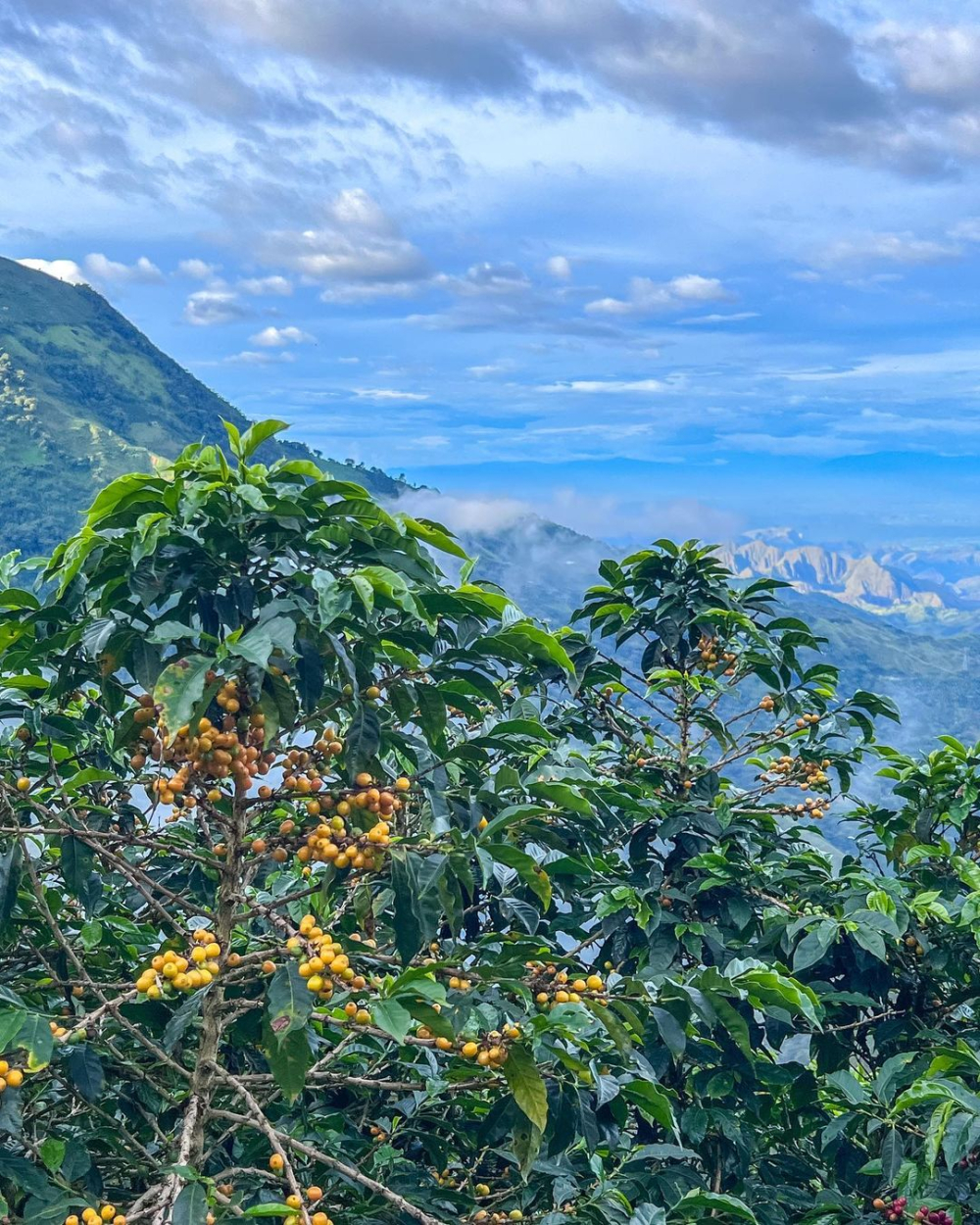
Colombia has a rich variety of coffee cultivars. In addition to common ones like Caturra, it also grows internationally mainstream varieties such as Bourbon, Catuai, and Typica, as well as locally bred ones like Castillo and Colombia. In recent years, emerging varieties that have shined in competitions and the market—such as Sidra and Maragogype—have drawn significant attention due to their outstanding floral-fruity aromas and juicy mouthfeel.
If you prefer options with prominent fruitiness and bold flavors, consider trying the medium-roasted Sidra and Maragogype beans from the Huila region. These two beans are suitable for various brewing methods, whether pour over, moka pot, espresso machine, cold brew, or even a smart dripper, all of which can showcase their captivating fruity tones and rich layers—making them excellent choices for coffee enthusiasts seeking to expand their flavor profiles.
The above content is compiled by CoffeeHunters, a coffee news website.


