








Introduction:Robusta is often seen as synonymous with cheap coffee, but its bold flavor and high caffeine content actually hold hidden highlights. This article delves into the variety characteristics of Robusta, its differences from Arabica, and provides a professional-level siphon brewing process—including key parameters such as grind size, brew ratio, and stirring techniques—to help you extract a rich and full-bodied Robusta flavor using this traditional device.
Robusta coffee actually belongs to the Canephora species, but due to long-standing common usage, it is now generally referred to as Robusta. Many people hold biases against Robusta, thinking it’s only suitable for instant coffee or commercial use, which overlooks its unique value in specific scenarios. Especially in Italian-style blends, Robusta can deliver a boldness and richness that Arabica struggles to match, making it an indispensable element in crafting classic espressos.
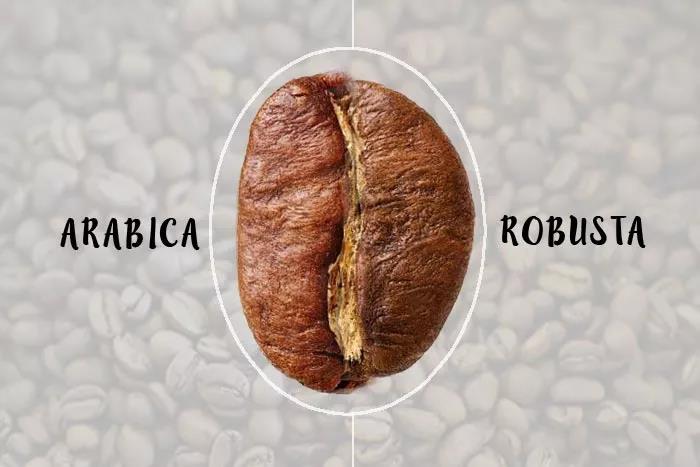
From a flavor perspective, Robusta is often criticized for having grainy, woody, or even rubbery notes, especially when grown at low altitudes with poor management. These traits are related to its high caffeine content (typically between 1.7% and 3.0%, about double that of Arabica) and rich chlorogenic acid. During roasting, chlorogenic acid breaks down into caffeic acid and quinic acid, which can easily release noticeable astringency and bitterness when temperature control is inadequate, contributing to Robusta’s distinctive intense profile.

Many consumers immediately associate Robusta with low-quality coffee, but this notion is actually debatable. In fact, Robusta demonstrates irreplaceable advantages in certain applications. Particularly in Italy, many baristas add a small amount of Robusta to their blends to enhance the body and crema of espresso, resulting in a richer mouthfeel when the coffee is mixed with milk.
If you want to personally experience the unique charm of Robusta, try brewing it with a siphon. The siphon can fully showcase Robusta’s bold characteristics. Although the flavor may not be as clear and bright as pour over, with proper parameter adjustments, it can still produce surprisingly rich results.
In terms of grind size, the siphon requires a finer grind than pour over. It’s recommended to use a fineness where about 90% passes through a #20 sieve. If you’re using an EK43s electric grinder, set the grind to around 9; if you’re using a hand grinder like a C40, aim for around setting 20 to ensure uniform extraction.
Regarding the brew ratio, most siphon coffee falls within a range of 1:10 to 1:12. But to highlight Robusta’s bold traits, it’s suggested to use the golden ratio of 1:10. For a single serving, you can use 18 grams of coffee grounds with 180 milliliters of hot water. This ratio balances flavor concentration with overall mouthfeel.
The actual operation process is recommended as follows: First, pour 180 milliliters of hot water into the lower chamber, dry the outer wall, and then turn on the heat source. Next, insert the upper chamber diagonally into the lower one, ensuring the safety valve is pressed firmly against the bottom. When small, continuous bubbles appear in the lower chamber, quickly straighten and press down the upper chamber—this will draw the water up into the upper part. Once the water has fully risen, pour in the prepared Robusta coffee grounds and start the timer immediately.
In the first stage, gently stir the coffee grounds into the water with a stirring stick to ensure each particle is evenly saturated. At the 25-second mark, perform a second stir, preferably in a circular motion, to clearly separate the coffee liquid into three layers: liquid, powder, and foam. Finally, at the 50-second mark, stir again in the same direction, and at exactly 60 seconds, remove the heat source and let the coffee liquid slowly flow back into the lower chamber.

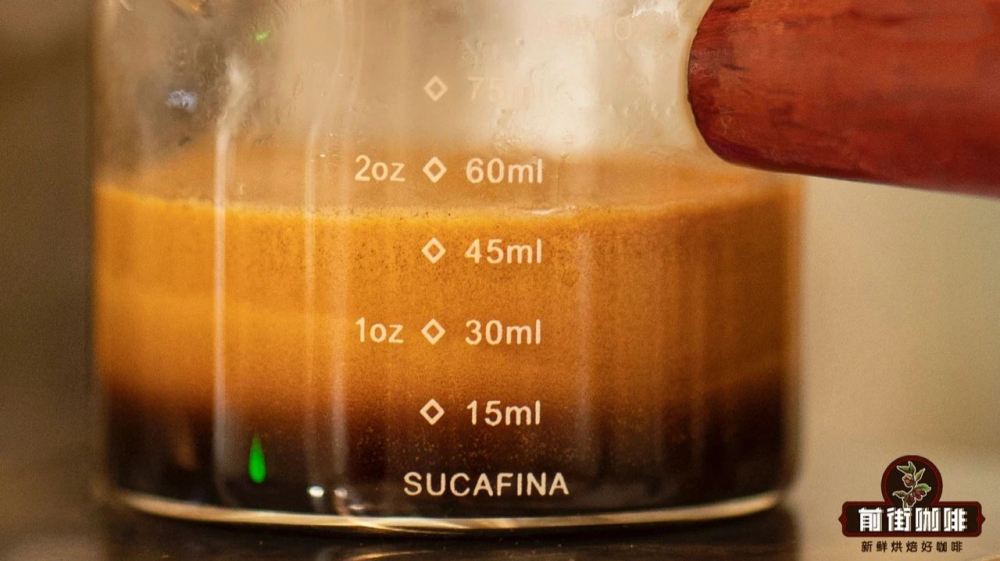
The finished Robusta siphon coffee, while not as clear as pour over, features a delicate layer of crema on the surface that enhances the overall richness. Compared to the simplicity of pour over, siphon brewing is indeed much more complex—not only requiring a stable heat source, but also demanding full attention throughout the process, followed by careful cleaning of the filter and cloth. For shops that serve large volumes daily, it presents quite a challenge.
It’s worth noting that besides its value in beverage applications, Robusta also plays an important role in coffee variety improvement. Due to its excellent disease resistance, drought tolerance, and high yield, researchers often crossbreed Robusta with Arabica in attempts to develop new varieties that combine aromatic quality with strong adaptability. This also secures Robusta a place in the coffee industry chain.
The above content is compiled by CoffeeHunters, a coffee news website.


