







Introduction:This article delves into the Aricha G1 natural-processed coffee beans from Ethiopia’s Yirgacheffe region, exploring everything from the operations of the processing facility and the microclimate background, to the grading system and actual flavor profile, to help you understand this highly acclaimed specialty coffee. It also provides professional pour over recommendations and detailed product information, making it ideal for coffee enthusiasts and beginners who want to explore natural Yirgacheffe in depth.
Yirgacheffe is one of Ethiopia’s most representative high-altitude specialty coffee regions, and the Aricha G1 natural batch is considered a dream coffee by many enthusiasts. Starting from the origin processing facility, this article will break down the washed and natural grading systems of the region step by step, introduce how the microclimate influences flavors, and detail the characteristics and brewing suggestions of the Aricha natural red cherry batch. At the end, we’ll also supplement the background of the Project Origin project to help readers grasp the full picture from green bean origin to cup performance.
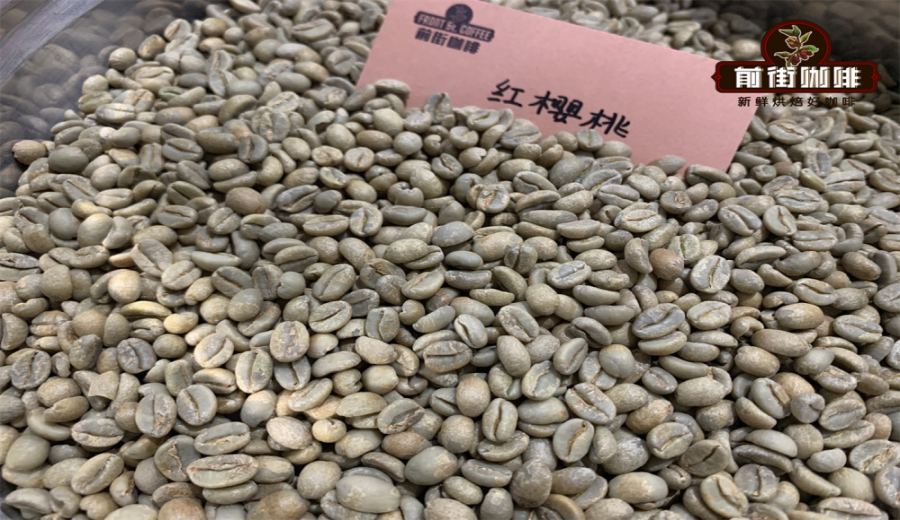
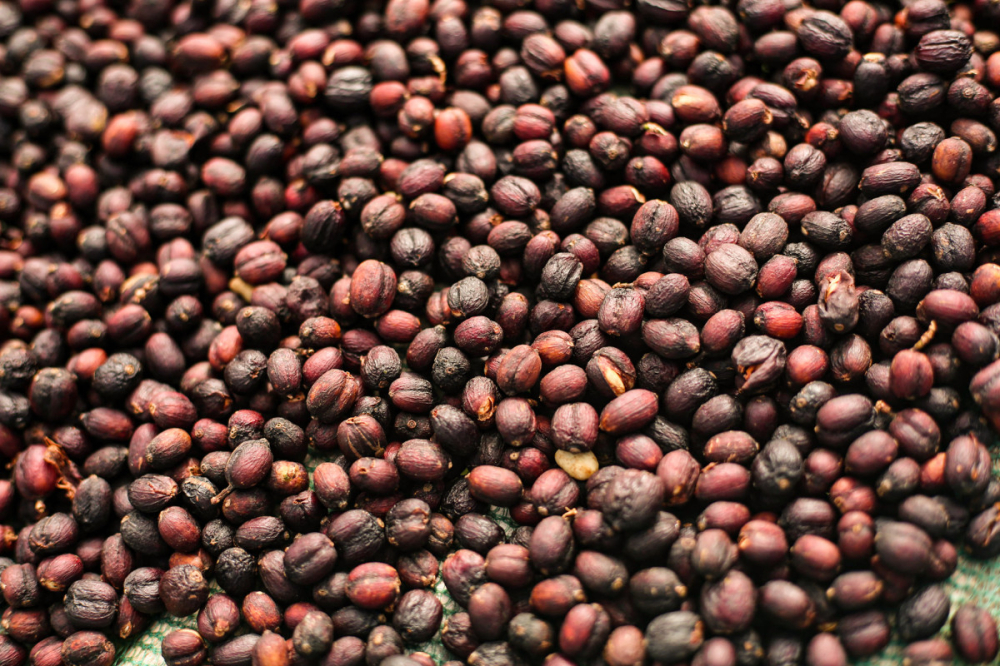
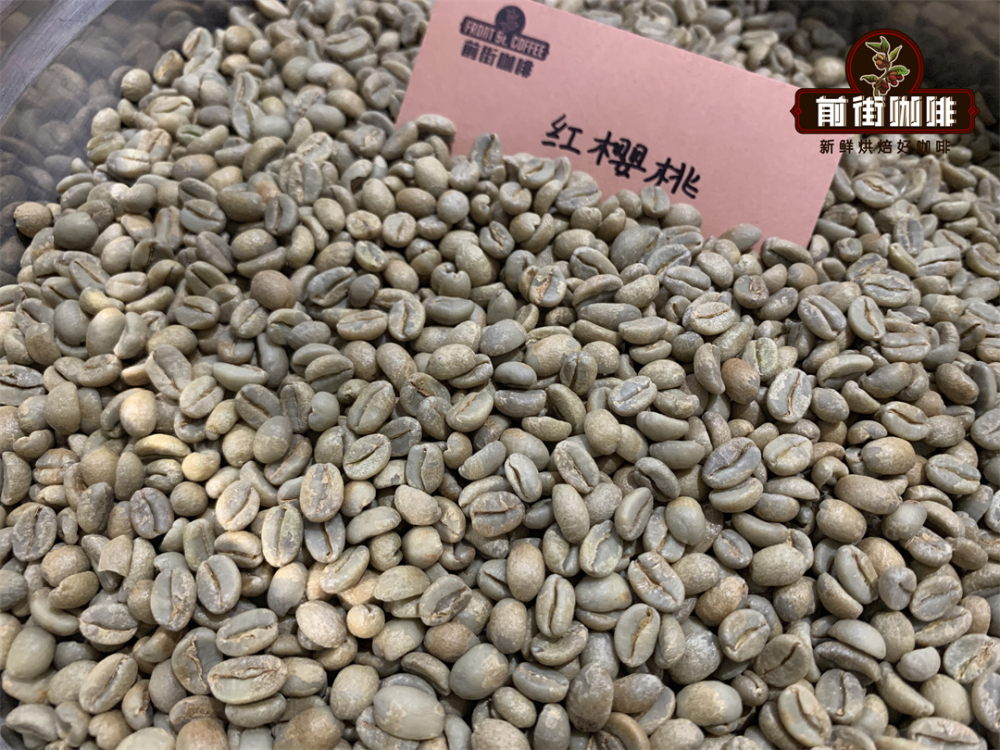 These commonly referred to as “natural red cherry” Aricha G1 natural beans come from the Kebel Aricha processing facility located in the Yirgacheffe area. The mill gathers approximately 650 to 700 smallholder coffee farmers who deliver their ripe coffee cherries from their own orchards to the facility for processing immediately after harvest, with cash payments made on the spot. In the processing procedure, the Aricha mill first selects cherries that have reached optimal ripeness, then spreads them directly on raised beds for prolonged sun drying. In the initial stage, workers turn the coffee cherries every 2 to 3 hours to prevent over-fermentation. The sun drying period typically lasts four to six weeks, during which weather and temperature changes are closely monitored. Once the moisture content reaches the desired level, the pulp is removed by machine before the beans are sent to storage in Addis Ababa. Notably, these natural beans are stored as parchment until just before export, a practice that helps maintain the freshness and overall quality of the green beans. This batch of Aricha naturals was graded as G1 by the ECX (Ethiopia Commodity Exchange), the highest grade for natural-processed coffee in Ethiopia. It demonstrates exceptional standards in green bean appearance, uniformity, dry fragrance, and flavor profile—especially appealing to those who enjoy bright acidity and rich berry notes.
In Ethiopia, coffee processing is mainly divided into two categories: washed and natural, and the grading systems for each also differ. Among them,Category A uses washed processing, with grading standards established by the Specialty Coffee Association of America (SCAA), divided into Gr-1 and Gr-2, where the lower the number, the higher the quality. For example, washed Guji Dingding and natural red cherry both belong to the G1 grade, offering clear and vibrant flavor profiles, often featuring citrus and floral notes, with a clean and layered mouthfeel that is well received in the market.
As forCategory B, which refers to natural-processed coffee, the grading system is divided into Gr-1, Gr-3, Gr-4, and Gr-5. Among them, G1 natural Yirgacheffe is renowned for its intense fruitiness. Simply opening a freshly roasted bag of G1 natural beans can often overturn many people’s preconceptions about coffee. In fact, only by experiencing high-quality natural Yirgacheffe firsthand can one truly appreciate that coffee inherently possesses rich fruit characteristics.
The history of the Yirgacheffe region can be traced back to when it was first introduced and cultivated by European monastery monks, and later managed by local farmers or cooperatives. Strictly speaking, Yirgacheffe is not a single estate but rather a collective of multiple small coffee communities or cooperatives in the surrounding areas, such as Idido, Harfusa, Hama, and Biloya near the Misty Valley. These areas mostly use washed processing, but also reserve a small amount of top-tier beans for natural processing to enhance fruitiness and body. Due to the region’s mountainous climate—often shrouded in fog, with spring-like temperatures year-round, cool and windy summers, abundant yet not humid rainfall, and no severe cold in winter—it creates unique citrus, floral, and tea-like flavor profiles. Most coffee trees are planted around farmers’ homes or intercropped with other crops. Although yields are not high, the beans are highly distinctive to the region, and many award-winning beans come from these villages.
For this Aricha G1 natural coffee, the following pour over parameters are recommended to fully showcase its flavor layers: use 15 grams of coffee grounds with a medium-fine grind (recommended setting of around 3.5 on the Fuji Royal Kono burr grinder), choose a V60 filter, and control water temperature between 90–92°C. Start with a 30-gram bloom for about 27 seconds, then pour up to 105 grams and pause. When the bed moisture has dropped by roughly half, pour again until the total water volume reaches 225 grams. Discard the last few drops. The overall coffee-to-water ratio is 1:15, with an extraction time of around 2 minutes, effectively highlighting its delicate wine-like aroma and fruity notes.
This Yirgacheffe natural red cherry coffee bean is from Ethiopia’s Yirgacheffe region, with an altitude of 1900 to 2100 meters, using local heirloom varieties, processed via natural method, and graded as G1. Its flavor profile showcases light fermented wine notes, sweet orange, spice tones, along with honey-like sweetness. It is a natural specialty bean with rich flavor layers and a distinctive character.
Regarding the origin of these green beans—the driving force behind them is Project Origin, a project launched in 2015 by 2015 World Barista Champion Sasa Sestic together with commercial team ONA Coffee. This initiative is dedicated to working directly with coffee farmers in impoverished regions, improving their growing and post-harvest conditions, and purchasing at prices 20% higher than fair trade rates. Sasa and his partners aim not only to increase farmer income through this project but also to foster exchanges between roasters and coffee growers, further guiding farmers to grow higher quality coffee. To date, Project Origin has established stable partnerships with coffee farmers from eight countries including Brazil, Panama, India, Ethiopia, El Salvador, and Costa Rica.
The flavor description of this Aricha G1 natural coffee includes: light fermented wine notes, date pit, sweet orange tones, dark berries, lychee, starfruit, peach, nectarine, longan, and red date aromas, coupled with honey-like sweetness and subtle spice undertones. The finish is full-bodied with a distinct cocoa note, and the overall body is rich with a long-lasting aftertaste. It is a natural specialty coffee worthy of careful savoring.
The above content is compiled by CoffeeHunters, a coffee news website.


