







Introduction:Gain an in-depth understanding of the grading system and defect identification methods for Indonesian Mandheling coffee, and master the differences and characteristics between G1 and Golden Mandheling. This article provides a detailed breakdown from defect classification to the selection criteria for high-quality Mandheling, along with a practical dark roast Mandheling pour over brewing guide. It includes recommendations on filter choice, grind size adjustment, water temperature control, and a three-stage pouring technique to help you brew a rich and sweet coffee flavor.
When it comes to Mandheling coffee, many people first think of its rich and bold taste, but they may still have questions about its grading categories. The grading system for Indonesian Mandheling is primarily based on the number of defects in the green beans, supplemented by bean size evaluation. Understanding these grading details can help you select higher-quality Mandheling coffee beans, especially the highly regarded Golden Mandheling.
As one of the globally renowned coffee representatives, the quality assessment of Mandheling is similar to that of general agricultural products, taking into account the maturity of the beans, uniformity in size, and overall health. Typically, larger, plumper, well-matured beans free from pests or diseases exhibit significantly better flavor and value. During the green bean processing stage, careful screening to remove defective beans can effectively improve the overall grade of the batch and enhance the flavor profile during subsequent extraction.
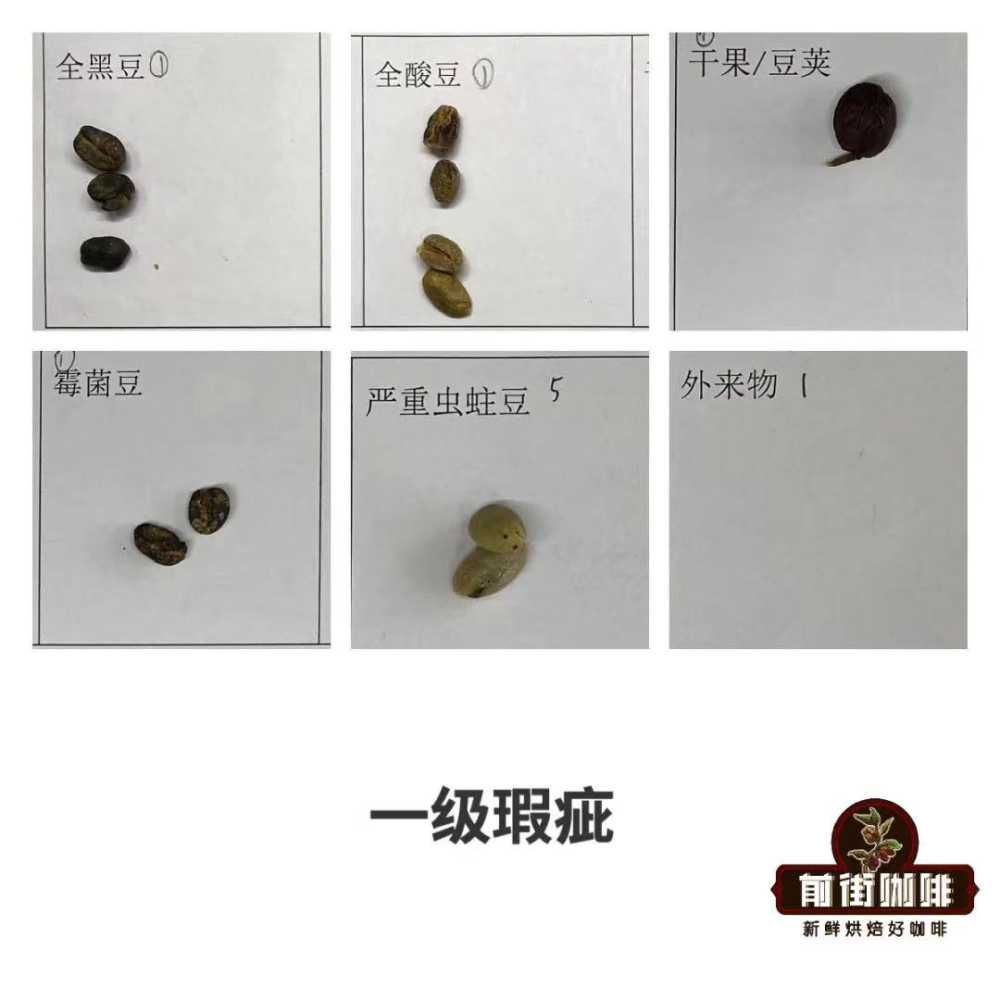
There are numerous types of defects, with common ones including: moldy beans, which may have mold on their surface and are prone to growth in humid environments; insect-damaged beans, often caused by insects penetrating the beans before harvest and laying eggs, leaving noticeable black spots; shell beans, a result of genetic mutation causing unusual bean shape; fully black beans, referring to beans that are entirely or partially unnaturally black; dead beans, which have underdeveloped seeds and feature wrinkles and white spots; immature beans, often resulting from early harvesting or varietal characteristics, leading to smaller bean size; fermented beans, usually due to improper handling during processing; broken beans, which are susceptible to oxidation or mold and often carry off-flavors; and faded beans, caused by excessively high drying temperatures or prolonged drying times.
The grading system for Indonesian Mandheling not only strictly controls the number of defects but also takes bean size into consideration. It is understood that the basic requirements for commercial coffee beans locally include being free from live insects, mold, or off-odors, having a moisture content not exceeding 12.5%, and containing impurities below 0.5%. Further grading is determined based on the number of defects per 300 grams of green beans.
Among the various grades, G1 represents an exceptionally high standard, typically requiring no more than 3 defects in 300 grams of green beans. This standard was originally created specifically for the Japanese market. A certain brand’s PWN Golden Mandheling is classified under this top-tier grade, and its origin can be traced back to PWN, a well-known Indonesian coffee trading company that was among the first to implement high-standard screening for Mandheling.
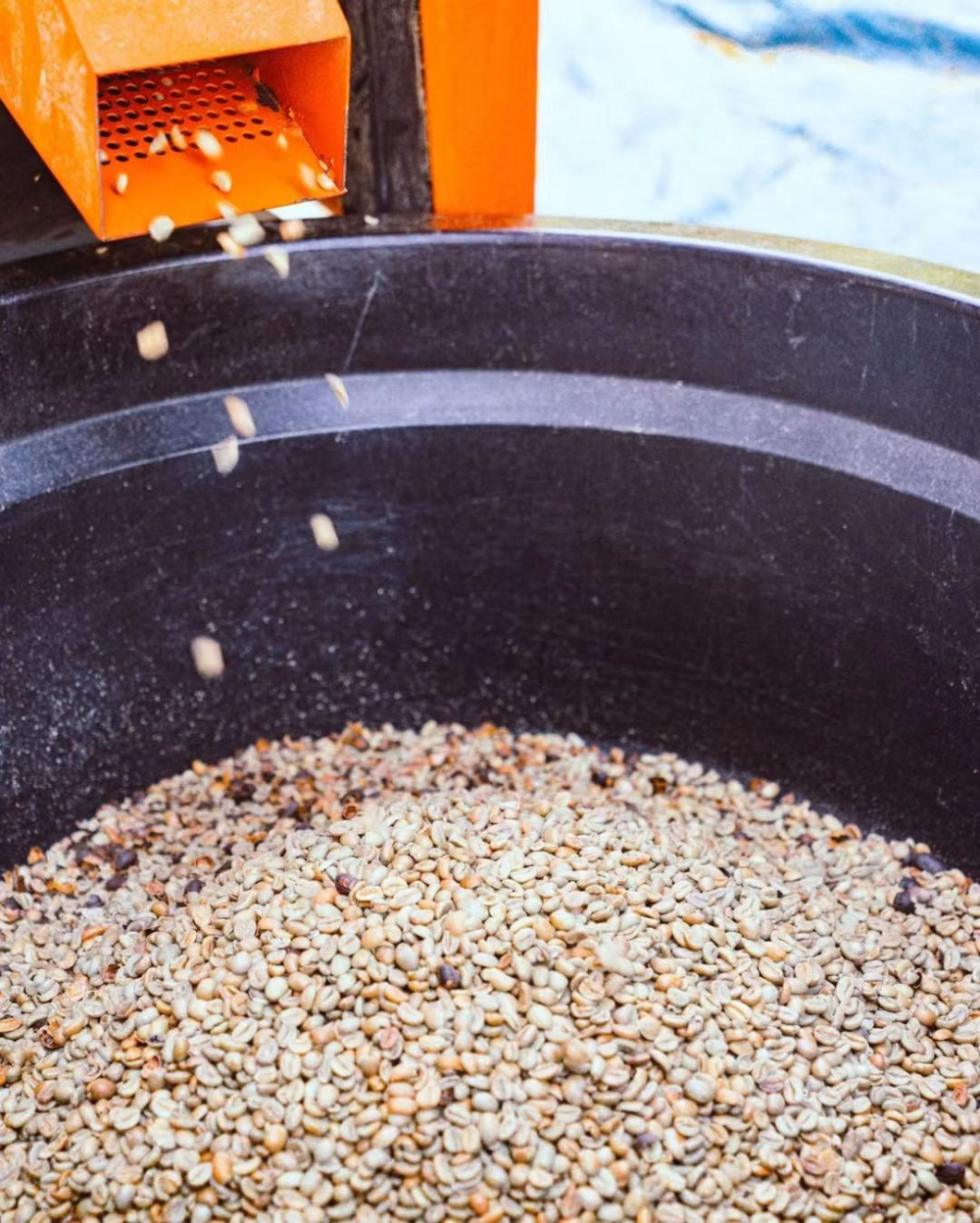
The ‘Golden Mandheling’ launched by PWN is not only a symbol of high quality but also a registered trademark. To ensure flavor purity and consistent quality, PWN conducts four rounds of manual screening, retaining only beans that are 18 mesh or larger and have intact appearance. The screening standards are even stricter than those for G1. This multi-layered quality control process results in a sweeter and cleaner flavor profile for Golden Mandheling, with significantly reduced impurities and undesirable notes, making it a premium choice favored by many coffee enthusiasts.
It should be noted that ‘Golden Mandheling’ is a trademark exclusive to PWN. Although the market features many products labeled as ‘Golden Mandheling,’ only those produced by PWN with official certification and sack labeling are genuine. When purchasing, it is advisable to carefully verify the source and identify authenticity through certification documents and packaging labels.
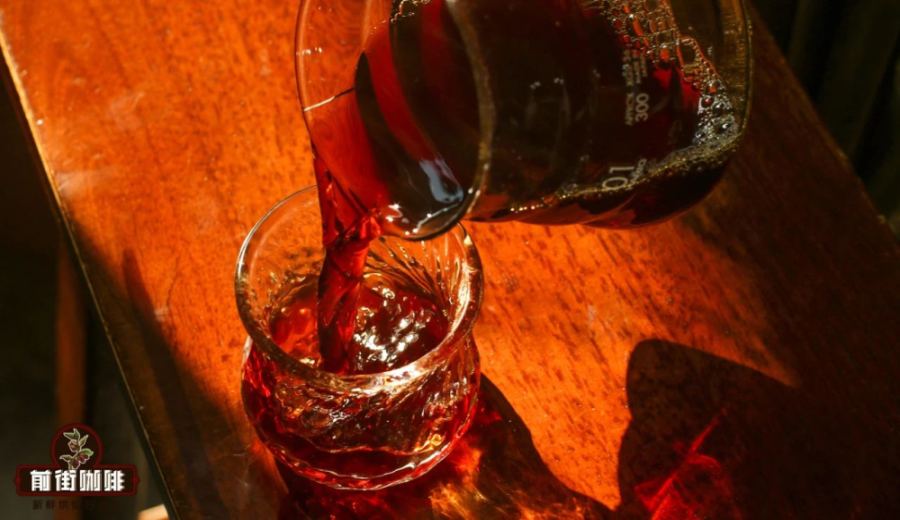
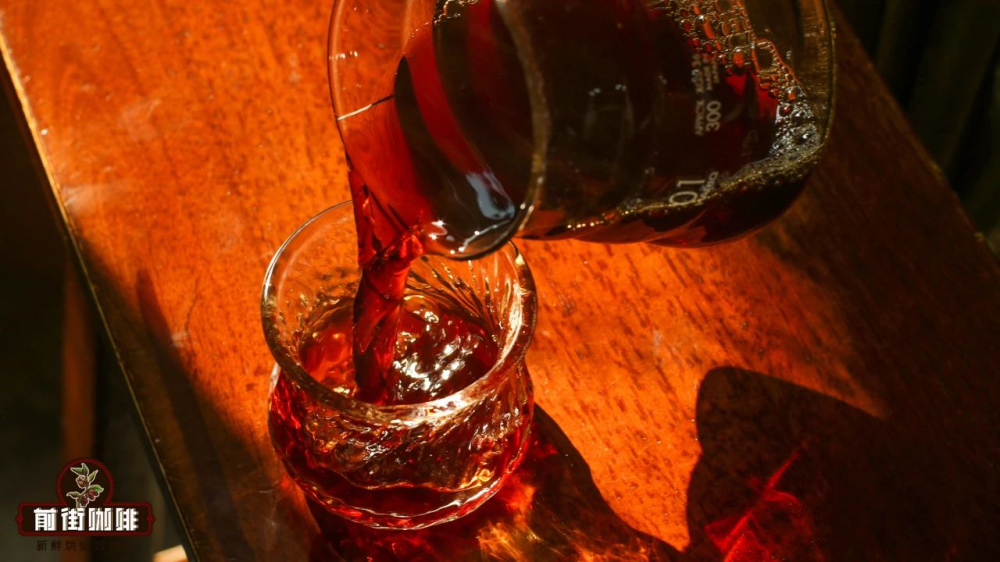
For coffee enthusiasts who prefer pour over brewing, Mandheling—especially in dark roast grades—often challenges brewing techniques due to its intense flavor. Many complain that their brewed Mandheling tastes overly burnt and bitter, which is often related to brewing parameters and techniques. For dark roast Mandheling, it is recommended to use a KONO filter. Its smooth curved surface and minimal straight ribs are designed to reduce gas release and extend immersion time, helping to deliver a rounder, mellower flavor. It is also suitable for other high-quality dark roast beans such as Blue Mountain or Brazilian Queen Estate.
In terms of grind size, dark roast beans have a looser structure and faster water absorption. Grinding too finely can easily release excessive bitter compounds. It is recommended to use a Chinese No. 20 standard sieve, aiming for a 70% passing rate to achieve a medium-coarse grind. This grind size balances extraction efficiency while avoiding over-extraction of large molecular bitter components.
Water temperature control is equally crucial. Medium-dark roasted coffee is recommended to be brewed at 87–88°C, which is lower than the 91–93°C typically used for light roasts. This helps suppress the extraction of excessive burnt bitterness and off-flavors, allowing sweetness and body to stand out. Using excessively high water temperatures can over-extract undesirable components from the beans, negatively affecting the overall taste.
For actual pour over brewing, it is recommended to use a three-stage pouring method: the first stage involves pouring 30ml of hot water for blooming to help the coffee grounds degas and initiate extraction; the second stage involves pouring 100ml, mainly to bring out the golden crema and lift the coffee bed; the final stage consists of a gentle center pour of 95ml to enhance sweetness and body, delivering a rich flavor profile with caramel sweetness, chocolate, and nutty notes, while maintaining a full and layered mouthfeel.
The above content is compiled by CoffeeHunters, a coffee news website.


