







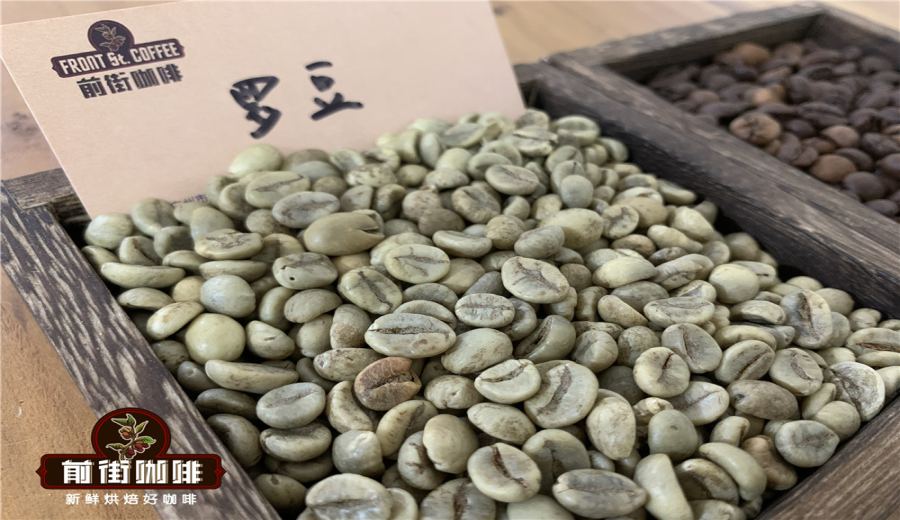
Introduction:Robusta coffee beans, with their unique flavor profile and commercial value, play a significant role in the global coffee supply chain. This article delves into the origin of the Robusta variety, the optimal altitude for cultivation, its main producing regions, and the factors behind its flavor characteristics. It also analyzes its positioning in the modern coffee market. Through practical blending examples, it reveals how a small amount of Robusta can enhance a coffee’s body and crema performance, offering a more comprehensive understanding of this often-misunderstood coffee bean.
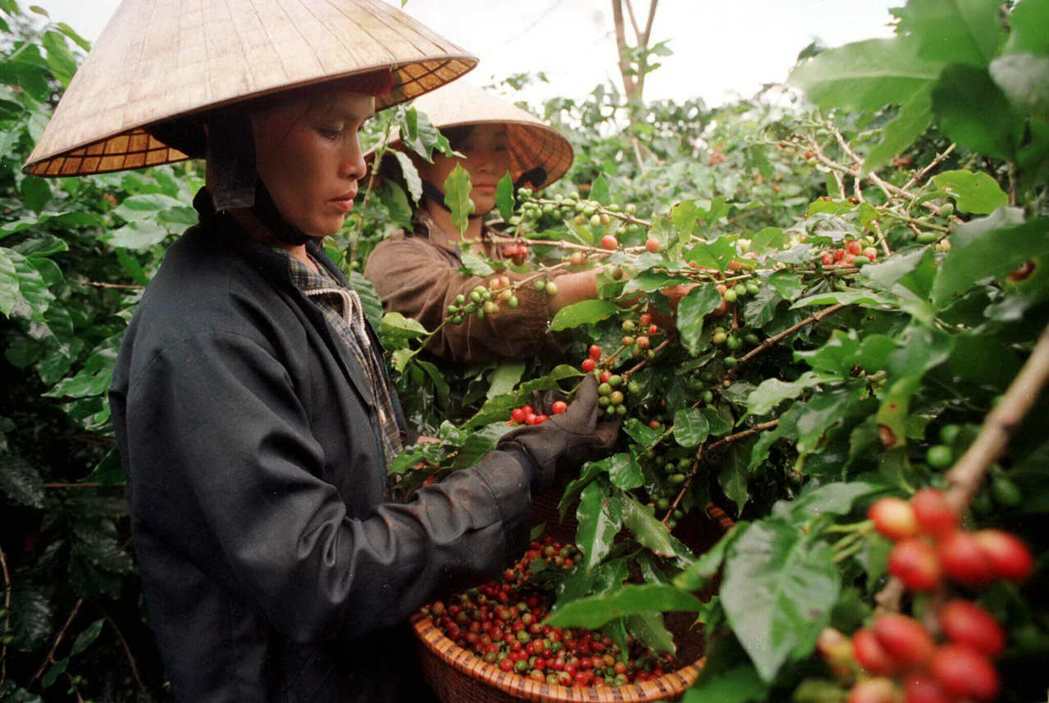
Robusta coffee is widely known for its high yield, bold flavor, high caffeine content, and relatively low price, playing a key role in both instant coffee and coffee blends worldwide. Among these, Vietnam, as the world’s second-largest coffee producer, generates up to 80% of its output from Robusta, making it the largest supplier of Robusta coffee in the world today.
Robusta belongs to the Canephora species, a lineage often regarded as representative of the Congo or robusta-type coffee. Although the popular Geisha variety belongs to the Arabica species, only Robusta within the Canephora family is commercially cultivated on a large scale, hence the name has almost become synonymous with this species. Additionally, the Timor and Catimor varieties, which are natural hybrids of Robusta and Arabica, though classified under Arabica, are also widely planted around the globe.
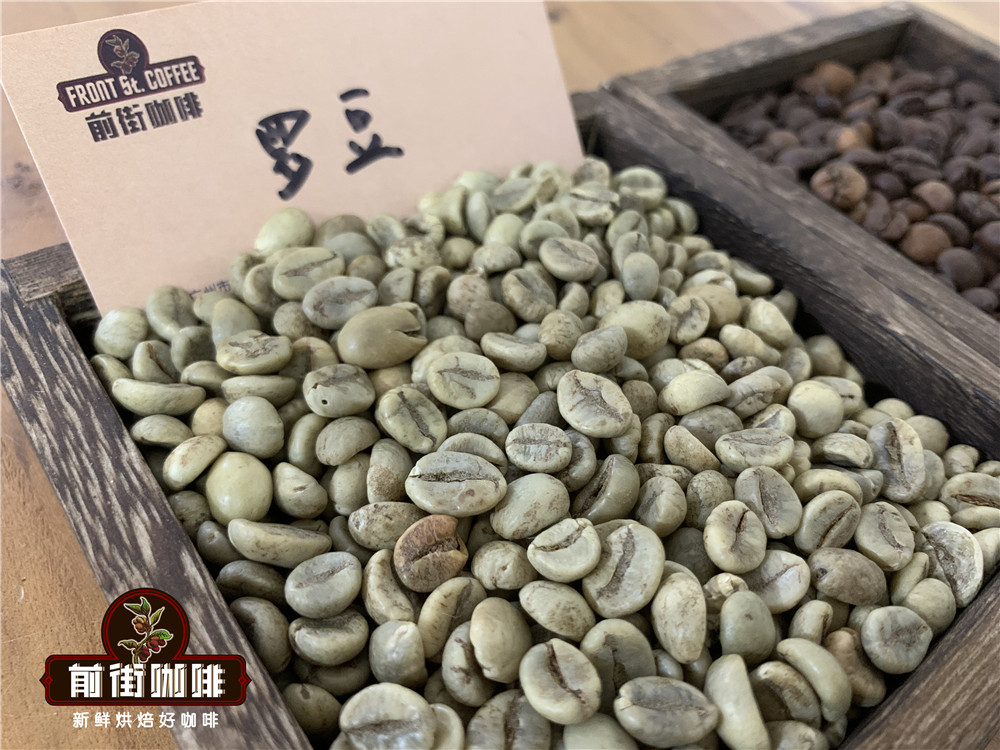
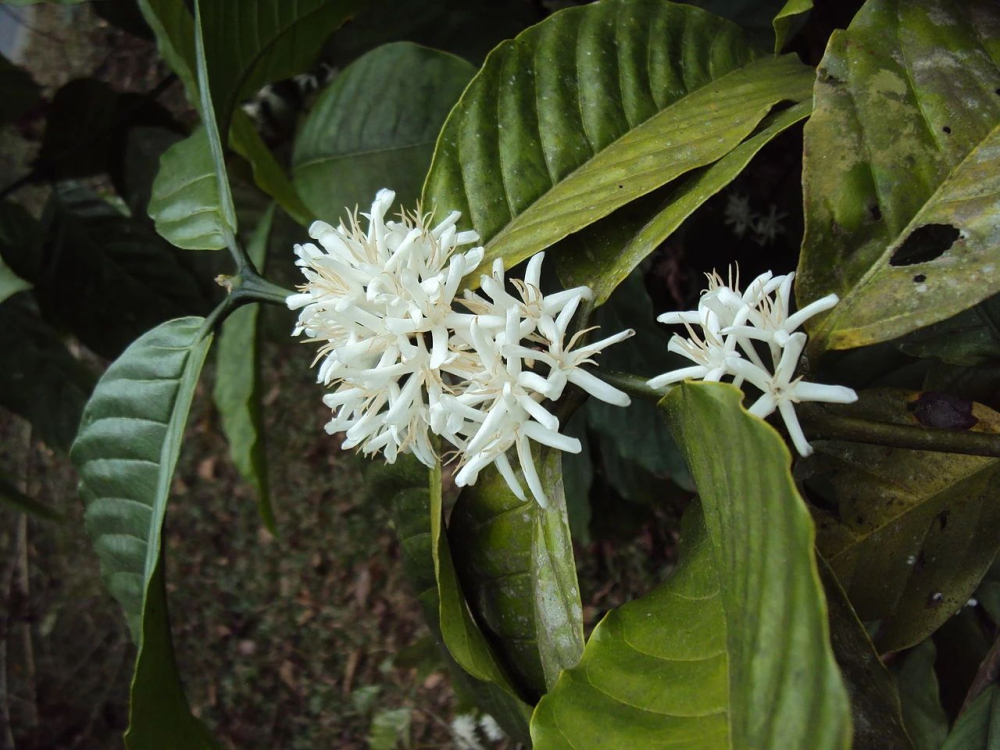
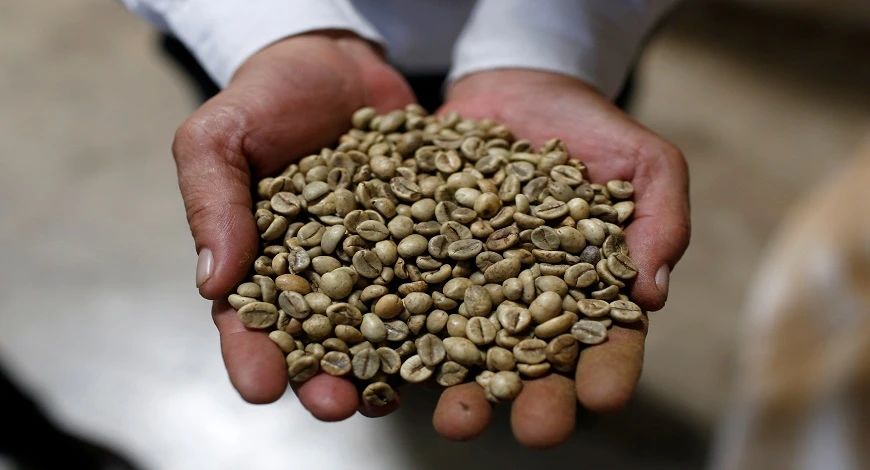
In terms of cultivation conditions, Robusta demonstrates exceptional adaptability, capable of withstanding extreme environments such as high temperatures, drought, cold, and humidity, with an overall survival rate higher than that of Arabica. Its caffeine content ranges between1.7% and 3.0%, approximately double that of Arabica. This natural defense mechanism effectively reduces the threat of pests. The Robusta fruit is relatively small and rounder, with slightly flattened beans and a straight, linear central groove, showing clear visual differences compared to Arabica.
Due to its lower environmental requirements, Robusta can generally be grown ataltitudes below 800 metersin lowland areas, and can be harvested and managed mechanically, significantly reducing production costs, which makes it suitable for large-scale commercial planting. This is also the primary reason why its price is generally lower than that of Arabica. For example, coffee beans grown in China’s Hainan region are predominantly Robusta. It is worth mentioning that while “100% Arabica” labels are common on the market, “100% Robusta” products are rarely seen, which is closely related to its flavor characteristics.
From a flavor perspective, Robusta green beans have ahigher chlorogenic acid contentand relatively lower sucrose levels. Chlorogenic acid is the main component responsible for the bitter and astringent taste in coffee, while sucrose forms the basis of aroma and sweetness. As a result, Robusta typically exhibits low acidity, intense and deep bitterness, along with rich flavors reminiscent of walnuts, peanuts, hazelnuts, barley tea, and grains. However, if not processed properly, it can easily produce noticeable earthy or rubber-like off-flavors—traits often referred to as the “Robusta taste.” For instance, the Catimor variety widely cultivated in China’s Yunnan region, which contains about 25% Robusta genetics, often faces certain skepticism regarding its flavor profile.
Deep-roasted Robusta beans accumulate a large amount of carbon dioxide, enabling them to release abundant Crema (the coffee's creamy layer) during espresso extraction, resulting in a rich and full-bodied taste. For this reason, Robusta is very well-suited to the traditional espresso profile, which is strong, bitter, and low in acidity. Even as specialty coffee continues to rise in popularity, Robusta still holds an irreplaceable position.
If you want to try the flavor of Robusta, it is not recommended to brew pure Robusta beans using the pour over method, especially since even high-quality Robusta, while not necessarily cheap, may have an overly intense bitterness and heavy body that could be too strong for most consumers. A better approach is to choose espresso blends containing a small amount of Robusta, allowing you to experience its rich crema and full-bodied character while maintaining balance. For example, some classic espresso blend recipes on the market skillfully leverage this characteristic.
Taking actual commercial blends as an example, some popular espresso blends use Indonesian Mandheling and Brazilian Arabica beans as the base, paired with a small amount of Robusta. Such combinations retain the distinctive aroma of Mandheling and the smooth qualities of Brazilian beans, while enhancing the overall crema and body through the addition of Robusta, resulting in a richer and more robust coffee flavor.
Another common blend features Latin American coffees from Brazil and Colombia as the main components, supplemented by a small amount of Robusta. This combination often produces a thick golden crema and nutty aromas, with a noticeable bitterness upon entry that quickly transforms into a creamy, smooth mouthfeel. The finish is long-lasting and refreshing, making it a reference blend for many baristas when designing commercial recipes.
Although Arabica remains the dominant species in the market, with the intensification of global climate change, many traditional coffee-growing regions are facing challenges due to deteriorating growing conditions. In the future, Robusta, with its stronger adaptability, or its hybrid varieties, may play a more important role in coffee cultivation. Understanding the characteristics of Robusta not only helps deepen one’s appreciation of coffee diversity but also assists consumers in making more informed choices when selecting coffee.
The above content is compiled by CoffeeHunters, a coffee news website.


