







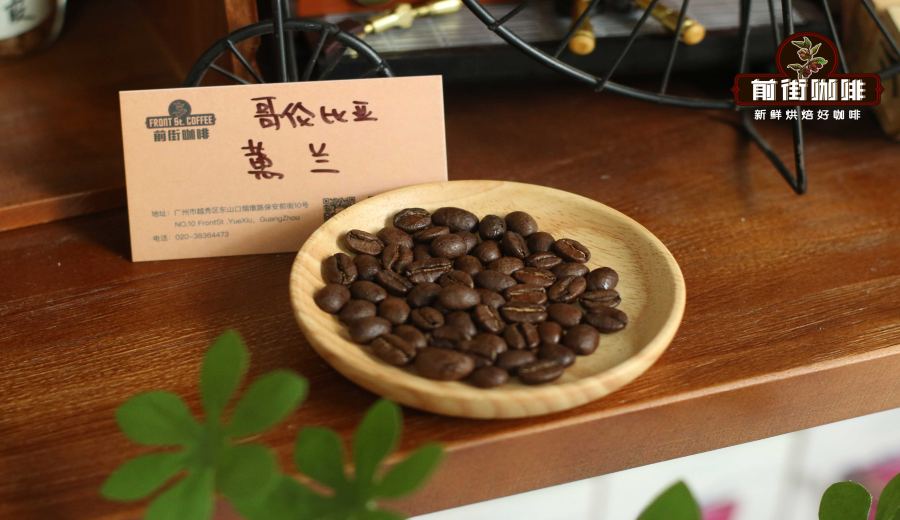
Introduction:Want to understand the classic flavors of Colombian coffee? This article takes the washed Caturra beans from the Huila region as an example, diving deep into the balanced taste nurtured by its altitude of 1500–1800 meters, and exploring the layered notes from chocolate and caramel to nutty aftertastes. It also provides practical brewing tips. Additionally, it introduces the distribution of Colombia’s four major specialty coffee regions and the development trajectory of its coffee industry, helping you systematically master bean selection and extraction techniques.
Thanks to its diverse terrain and microclimates, Colombia consistently ranks as one of the world’s leading producers of Arabica coffee. This article focuses on a well-known coffee brand’s washed beans from the Huila region, thoroughly dissecting the flavor profile of this everyday-grade bean—from its environmental and altitudinal background to varietal characteristics. With a pronounced sweetness as its base, the cup delivers a rich chocolatey tone, accompanied by caramel and nutty aromas. When brewed at lower temperatures, even subtle fruity acidity can be detected in the aftertaste. More notably, compared to the common medium-light roasts in the same region, this particular bean is roasted to a relatively darker level, further highlighting its full-bodied texture.
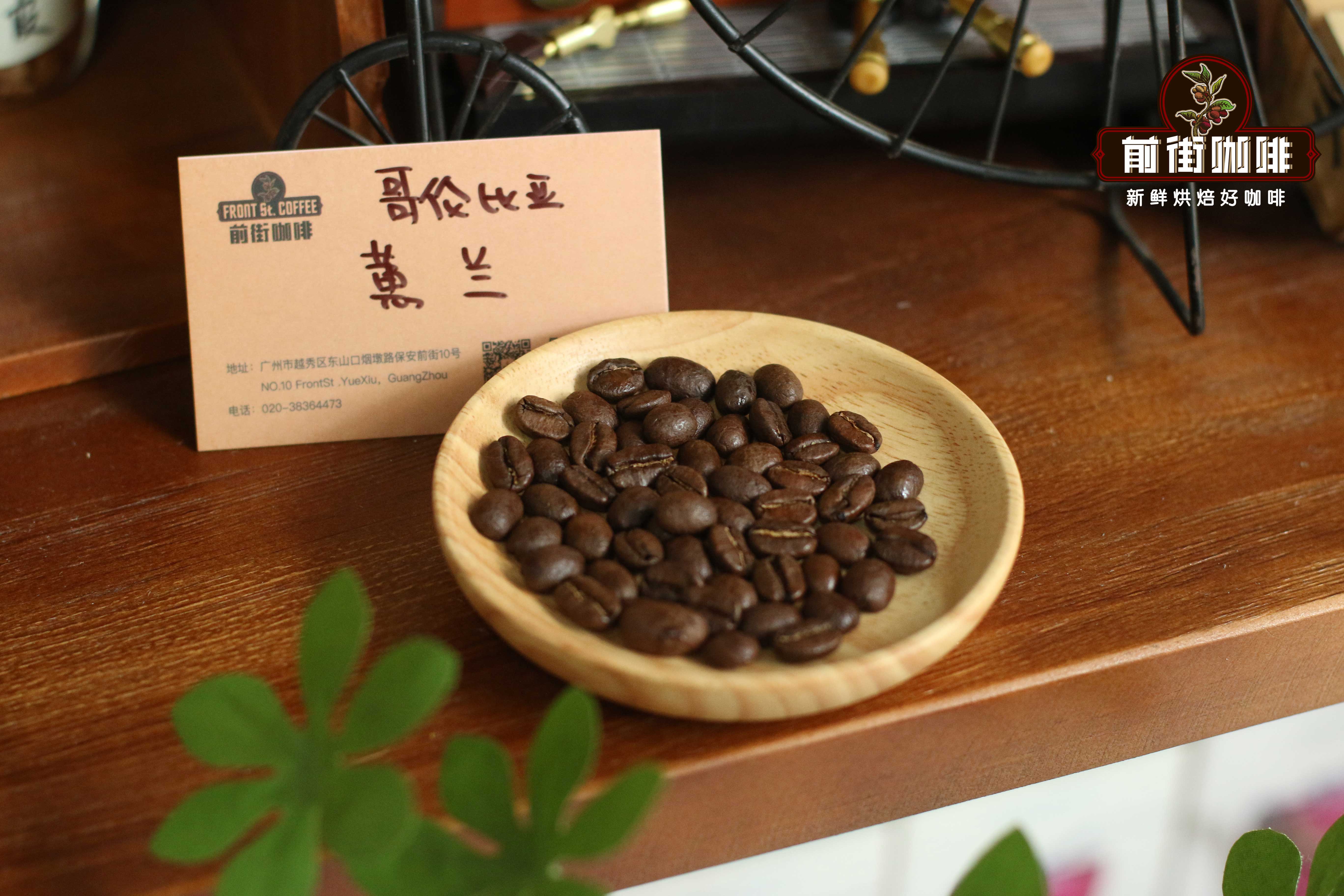
The processing method of these washed Huila beans is worth examining in detail. The washed process clearly showcases the unique terroir characteristics of the region. Through meticulous steps such as pulping, fermentation, washing, and sun-drying, it preserves the purest essence of the coffee beans’ original flavors. For actual brewing, it is recommended to use a medium-fine grind (around the size of granulated sugar), with water temperature controlled between 90–92°C. Employing a pulsed or split-pour extraction method can better balance sweetness and body. Note that the later stage of brewing can be moderately extended to allow the nutty and caramel flavors to fully develop.
Colombia’s coffee-growing map is extensive, with the historic “MAM” triangle—comprising Medellín, Armenia, and Manizales—being the most prominent. It caters to drinkers seeking classic, full-bodied flavors. Meanwhile, specialty-grade beans are mostly concentrated in high-altitude southern regions, including San Agustín in Huila Province and Popayán in Cauca Province. These areas generally exceed 1500 meters in elevation, producing beans often characterized by bright berry acidity and delicate floral notes, paired with caramel aromas to create a unique flavor profile.
A special focus is placed on the Huila region—this golden zone in southwestern Colombia, which, despite hosting numerous renowned coffee-growing areas, still sees some small farms facing challenges such as inadequate infrastructure, for instance, limited availability of green bean drying equipment and washed processing facilities. Interestingly, many local micro-regional names have directly become brand identifiers, reflecting the region’s deep-rooted coffee culture. The washed Huila beans introduced in this article come from this promising region.
Looking back at the history of Colombian coffee, its origins are debated, but the most widely accepted account is its introduction by Jesuits in 1723. Interestingly, despite its naturally favorable conditions, the widespread adoption of coffee as a cash crop was fairly slow, with significant production growth only occurring by the end of the 19th century. By 1912, coffee accounted for 50% of the country’s total exports. Throughout this long development period, Colombia gradually established unique industry advantages.
In terms of brand marketing strategy, Colombia stands as an industry exemplar. Most iconic is the farmer figure “Juan Valdez” and his mule, which not only became a classic logo on coffee sacks but also deeply embedded itself in consumers’ minds through advertising campaigns, successfully building a perception of high-quality Colombian coffee. This iconic imagery-based marketing remains a case study referenced by the industry to this day.
The above content is compiled by CoffeeHunters, a coffee news website.


