







Introduction:Want to understand why Brazilian coffee is renowned for its low acidity and rich flavors of nuts and chocolate? This article delves into three representative Brazilian coffee regions—Minas Gerais, Cerrado, and Santos—and explores two classic single-origin beans: Cerrado Red Bourbon and Fazenda Rainha Yellow Bourbon. From variety origins, regional characteristics, processing methods to optimal pour over parameters, this guide will help you master the essence of Brazilian coffee and brewing essentials.
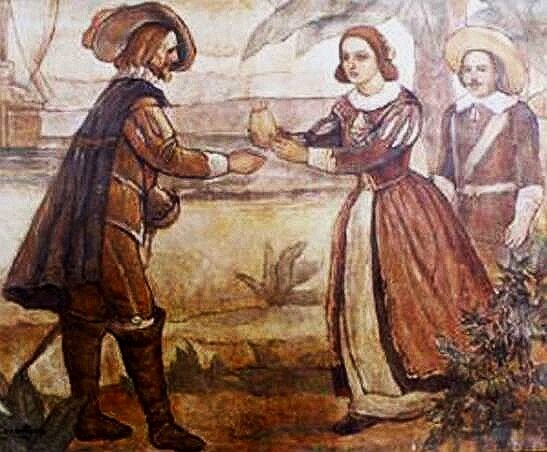
Brazil is not only the world’s largest producer of Arabica coffee, but its coffee cultivation history also dates back to a diplomatic anecdote from around three hundred years ago. It is said that during his mission in French Guiana, a Portuguese official received coffee seeds hidden by the governor’s wife in a bouquet. These seeds eventually took root in Brazil. By 1840, Brazil’s coffee output already accounted for 40% of the global total, showcasing its exceptional cultivation potential.
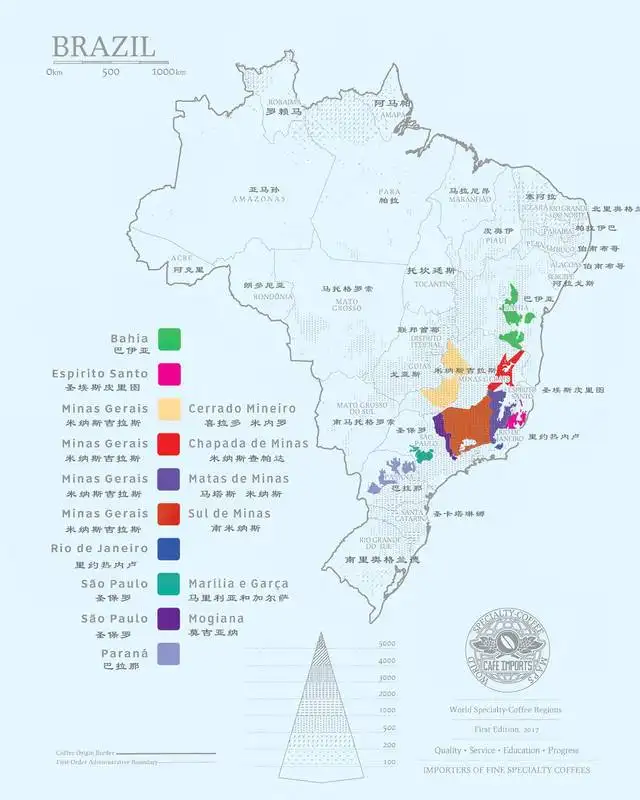
Although it faced export bottlenecks in the early 20th century due to the global economic crisis, Brazil has since solidified its position as the world’s leading coffee producer. Coffee is cultivated in 17 states, with the southeastern region being the most concentrated, including well-known areas such as Minas Gerais, São Paulo, and Cerrado.
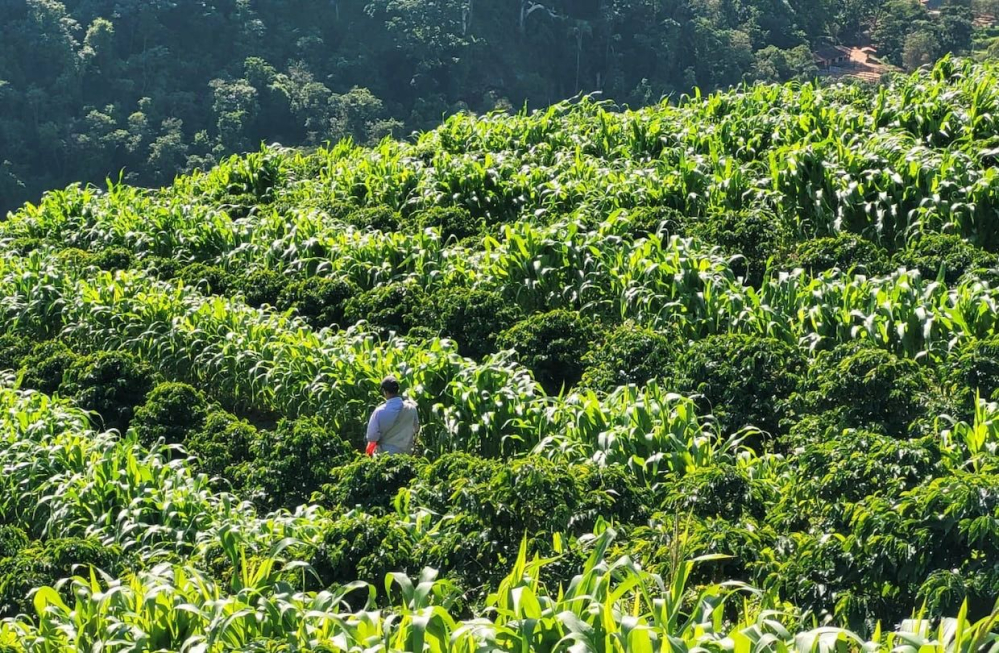
São Paulo is not only an economic hub of Brazil but also a key exporter of coffee. The Port of Santos within the state is the oldest and largest coffee-exporting port in the world, which is why many Brazilian coffee sacks bear the label “SANTOS.” The Mogiana region in São Paulo, adjacent to South Minas, mostly grows coffee in nutrient-rich red volcanic soil, surrounded by grassy slopes and native vegetation. This environment allows the coffee cherries to develop rich aromas, often with sweet cane notes paired with chocolate and fruit flavors.
When many first-time specialty coffee drinkers are presented with numerous origin choices and express a dislike for pronounced acidity, baristas often recommend Brazilian beans. Compared to some Colombian origins known for their bright, high-acidity profiles, Brazilian coffee is typically grown under sun-dried conditions, ripening more quickly and generally exhibiting low acidity, full body, and a smooth mouthfeel.
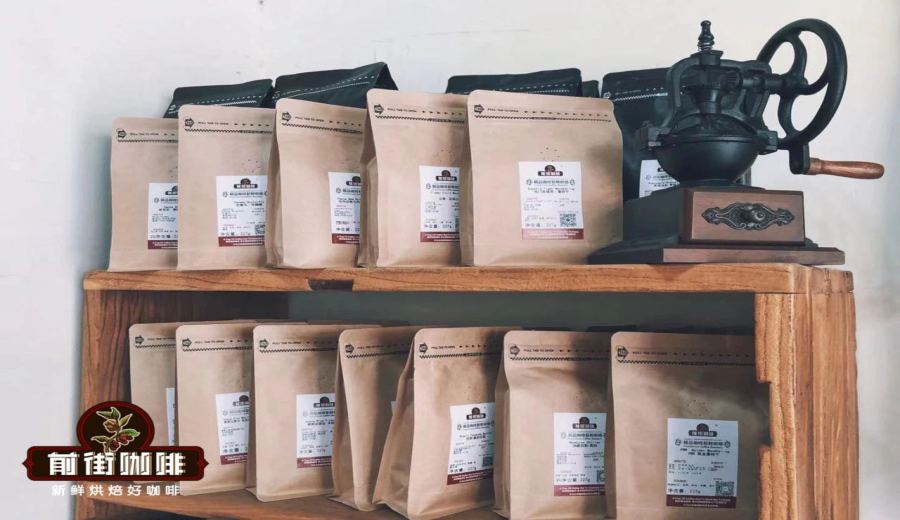
On the website’s bean menu, two highly representative Brazilian single-origin beans are featured—Red Bourbon from the Cerrado region in Minas Gerais and Yellow Bourbon from Fazenda Rainha in the Mogiana region of São Paulo. These two beans not only showcase the classic flavor profile of Brazilian coffee but also reflect how different varieties and processing methods influence taste.
Although the cultivation history of the Bourbon variety in Brazil spans only about ninety years, its impact has been profound. In the 18th century, Brazil mainly grew Typica, a relatively low-yield variety. By the mid-19th century, Red Bourbon was introduced from Réunion Island and gradually replaced Typica to become one of the mainstream varieties. By the 1970s, Red Bourbon had secured a significant place in Brazil’s coffee cultivation.
As for Yellow Bourbon, it was first discovered around 1871 in São Paulo, drawing attention due to its rare yellow-colored fruits. Scientific identification later confirmed it to be a mutation of Red Bourbon. Yellow Bourbon has lower yields and is more susceptible to leaf rust, requiring more meticulous care. However, when planted at elevations above 1,000 meters, it often exhibits outstanding flavor potential.
The Yellow Bourbon used by the website comes from the Mogiana region at the border of São Paulo and Minas Gerais. The area is named after a historic local railway company. Fazenda Rainha (Queen Estate) is located in the Grama Valley, an ancient volcanic terrain characterized by rolling hills and dense forests, providing an ideal microclimate. The estate covers approximately 280 hectares, with up to 200 hectares dedicated exclusively to growing Yellow Bourbon. It has repeatedly stood out in Brazil’s Cup of Excellence (COE) competition, including 12 nominations over seven consecutive years, winning the championship in 2011, and scoring 87.47 with a natural-processed lot in 2021 to rank 23rd.
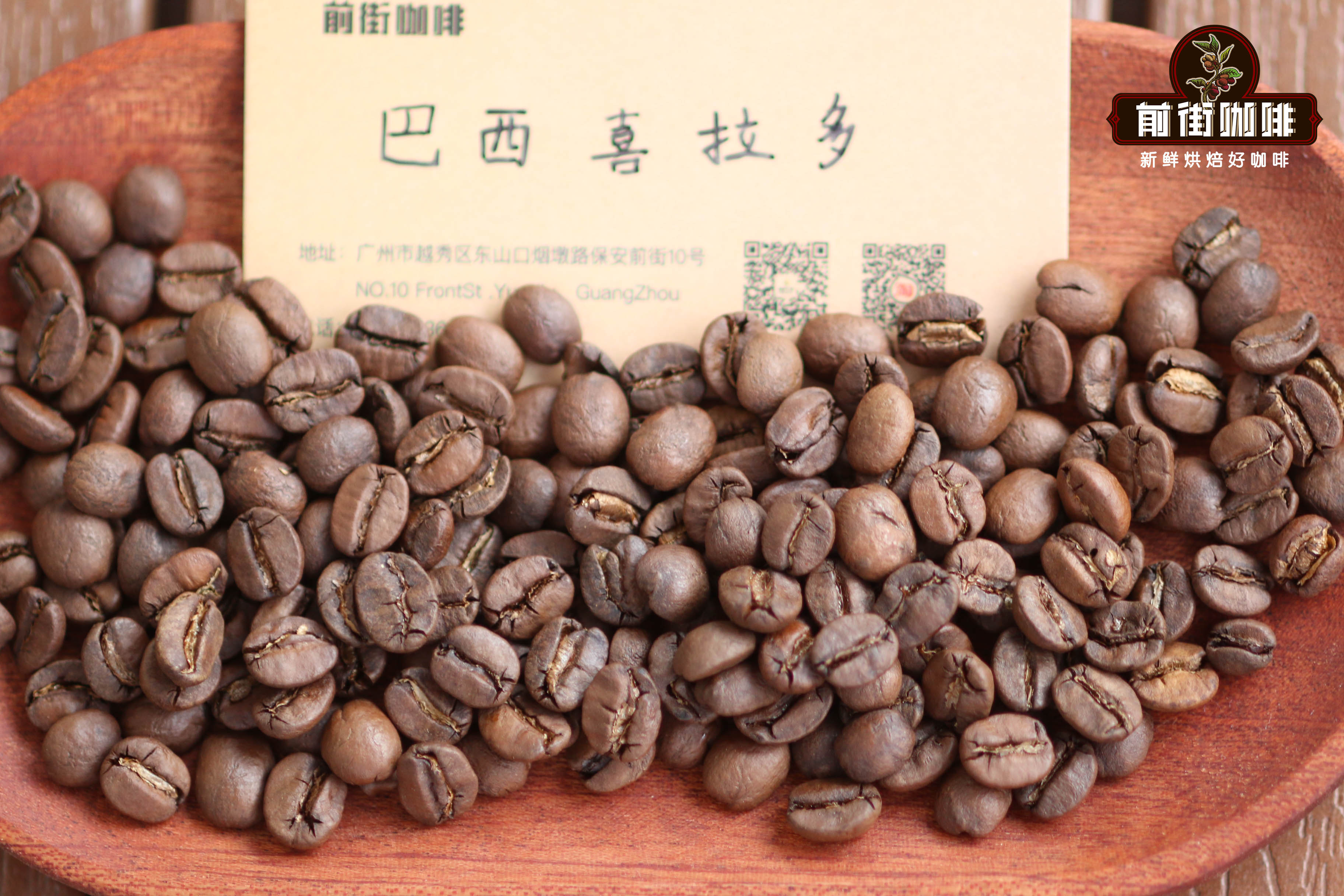
The Yellow Bourbon from Fazenda Rainha is processed using a small-batch, meticulously executed natural method. The coffee cherries are carefully placed on African raised beds and turned regularly by hand to ensure even drying while avoiding off-flavors. Though labor-intensive, this method effectively enhances sweetness and aroma purity. To fully highlight its sweetness and nutty-chocolate characteristics, the roaster opted for a medium-dark roast lasting two minutes after the first crack, achieving a balanced acidity and body.
For brewing recommendations, using a KONO filter cone is ideal due to its immersion-style design and slower flow rate, which better preserves the smooth mouthfeel and layered complexity of Yellow Bourbon. The recommended water temperature is 88°C, with a medium-coarse grind size passing 75% through a #20 sieve, using 15 grams of coffee and maintaining a 1:15 coffee-to-water ratio. A three-stage pouring method is advised: the first pour of 30 grams for a 30-second bloom, the second pour with a slow circular motion up to 125 grams, and the third pour to 225 grams just before the water level drops. The total extraction time is around 2 minutes. Take care not to let the water level exceed the edge of the coffee bed during the third pour to avoid uneven extraction.
Cerrado Red Bourbon hails from the Cerrado region in Minas Gerais, situated at an altitude of about 1,000 meters, known for its stable climate and moderate elevation. This bean uses the Red Bourbon variety with a pulped natural (semi-washed) processing method, showcasing the most classic Brazilian coffee profile: upon entry, it delivers intense notes of nuts and peanuts, followed by caramel sweetness and a soft chocolate finish, all wrapped in a smooth and layered mouthfeel.
With its low acidity and full-bodied taste, Red Bourbon has become a top choice for many coffee beginners or those who prefer rounded flavors. Whether brewed via pour over or drip, it highlights its dominant nut and caramel notes, making it ideal for drinkers who enjoy balanced, non-acidic profiles.
In summary, Brazilian coffee holds a unique place in the global specialty coffee market thanks to its diverse regional terroirs, classic varieties, and distinctive processing methods. From the Red Bourbon of Cerrado to the Yellow Bourbon of Mogiana, each bean tells a different story of origin and processing philosophy. Mastering their brewing essentials not only allows for a fuller appreciation of Brazilian coffee’s charm but also adds depth and nuance to your coffee experience.
The above content is compiled by CoffeeHunters, a coffee news website.


