








Introduction:The Moka pot is the go-to choice for many households with a coffee habit who don’t want to invest in an expensive espresso machine. However, selecting the right coffee beans and mastering proper operation are often the most common challenges for beginners. This article delves into the steam-driven extraction principles of the Moka pot, details key parameters such as water temperature, grind size, and water volume, provides a step-by-step illustrated guide, and recommends several medium-to-dark roasted blends that work well with the Moka pot—helping readers brew rich, crema-laden coffee with distinct flavor layers at home.
If you want to easily brew a strong, espresso-style coffee at home, the Moka pot is a highly cost-effective option. Yet, many people still have questions about what type of coffee beans suit the Moka pot and which operational details are prone to mistakes. This article starts with the basic working principle of the Moka pot, introduces key factors such as water temperature control, grind size selection, and water volume in detail, and breaks down the five-step brewing process with illustrations to help you quickly master the brewing essentials. Additionally, considering the steam pressure characteristics of the Moka pot, we also recommend several suitable medium-to-dark roasted blends to help you achieve creamy, full-flavored coffee within a reasonable budget.

Many coffee enthusiasts are accustomed to enjoying a strong cup of coffee at cafes, but over time, they often wish to replicate the same experience at home. However, espresso machines are relatively expensive and require a certain amount of space, making them less accessible for most households. As a result, the Moka pot has become a more affordable alternative. Many people wonder: what type of coffee beans is the Moka pot actually suited for?
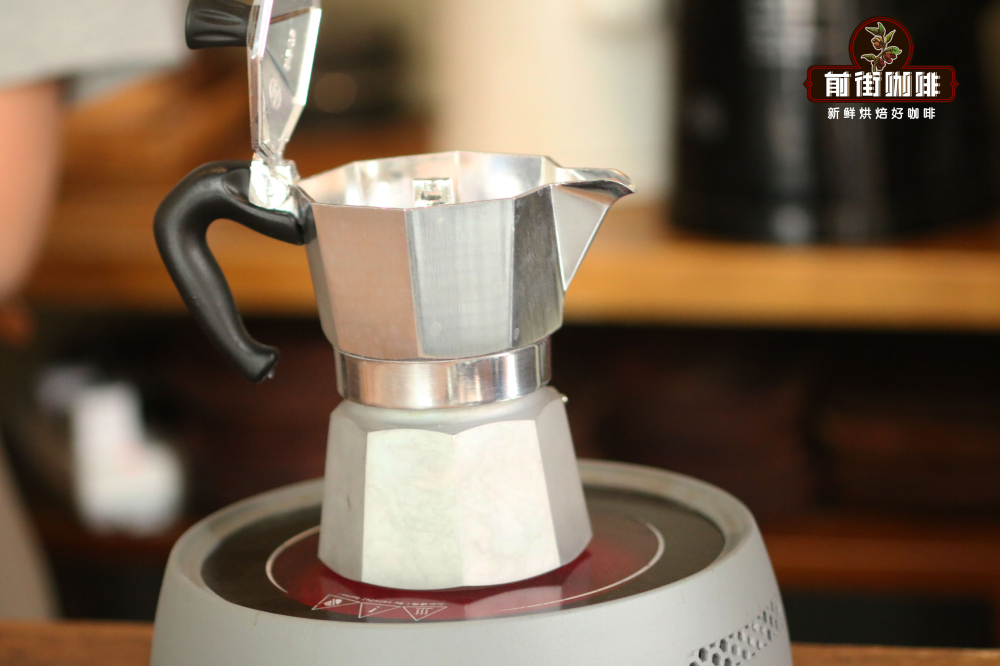
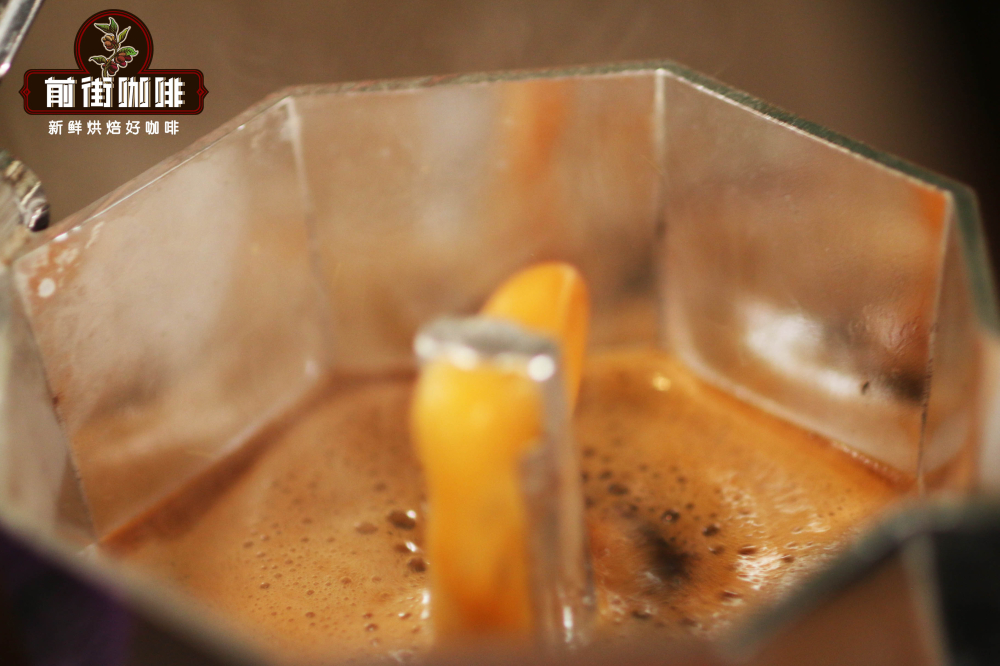
The Moka pot is a steam-driven extraction tool that is extremely popular in Italian households. Its basic operation process is as follows: first, pour near-boiling hot water into the lower chamber; next, fill the coffee grounds into the filter basket; then place the filled basket into the lower chamber and screw on the upper chamber; afterward, place the entire assembly on a heat source and heat it while keeping the upper chamber lid open; finally, once the coffee liquid begins to flow out from the upper chamber, immediately remove the Moka pot from the heat source to stop the extraction.
The reason the Moka pot can brew strong coffee with crema lies in its use of steam pressure for extraction. When the lower chamber is heated, the water inside turns into high-temperature steam, creating a certain amount of pressure that pushes the water upward through the central metal tube, passing through the coffee grounds layer, thereby extracting the coffee's oils and aromatic compounds.
Although operating a Moka pot isn’t overly difficult, there are still several techniques to keep in mind if you want to brew a great-tasting cup.
[Water Temperature Control] It is recommended to use water that is just about to boil. If you start heating from room temperature, and the water reaches the coffee grounds before achieving the optimal extraction temperature, it will negatively affect the final flavor.
[Grind Size Selection] The ideal coffee particle size for the Moka pot is between 0.3 to 0.55 millimeters—slightly coarser than what is typically used for espresso machines. Since the differences between grind sizes can be very subtle and hard to discern with the naked eye, you can use a grind size ruler or refer to commercially available Moka pot-specific coffee as a guide. You can also determine the best grind size for your specific Moka pot through repeated experimentation.
If the coffee flows out of the upper chamber in a fountain-like, rapid stream, it usually indicates the grind is too coarse—the water encounters less resistance, and the resulting crema layer will also be thinner. If you hear a low “wuu wuu” sound and the flow rate is slow, the grind may be too fine—in which case you should immediately remove the Moka pot from the heat to prevent overheating or excessive pressure. Additionally,never allow the water level to exceed the lower chamber’s pressure relief valve (usually the noticeably raised part shown in diagrams).Otherwise, it may render the pressure relief function ineffective, posing a safety risk.
Some users mistakenly assume that coffee brewed with a Moka pot is equivalent to espresso. In reality, espresso is produced by an espresso machine using approximately 9 bars of high pressure to push hot water through a compacted puck of coffee grounds, with an extraction time of about 18 to 40 seconds. The pressure generated by a Moka pot is far lower than this, so it is not true espresso. However, by selecting the right coffee beans, you can still successfully extract a rich crema.
The Moka pot is well-suited for medium-to-dark roasted coffee beans because such beans release abundant carbon dioxide under high pressure, which helps form coffee crema. Considering home use and budget, it is recommended to choose high-value-for-money espresso blends, which can more consistently deliver desirable flavors.
Here are several blends that perform exceptionally well with the Moka pot:
The first is a classic Italian espresso blend. This formula easily produces a rich crema, and the brewed coffee offers aromas of chocolate chip cookies, cream, maltose, and toasted bread, with a full-bodied mouthfeel—making it highly suitable for making Americano or latte.
The second is a dark cocoa blend highly praised by baristas. Roasted to a medium-to-dark level and composed of Yunnan small-seed variety and Brazilian Red Bourbon, it is known for its great value. It features standout caramel notes and nutty sweetness, performing excellently both black and with milk.
The third is a strawberry candy espresso blend, made from beans sourced from Costa Rica, Ethiopia, and Colombia. It is medium-roasted and suitable for both home espresso machines and Moka pots. The brewed coffee releases sweet aromas of rose, strawberry gummy candy, and dried blueberries, along with subtle acidity from grape and citrus notes, and a mild almond-like aftertaste.
The above content is compiled by CoffeeHunters, a coffee news website.


