







Introduction:Delve into the development trajectory of Chinese Yunnan coffee, from the first Typica trees planted in Zhukula Village in 1904 to the diverse profiles of today’s core producing areas such as Baoshan and Pu’er. This article systematically outlines the regional distribution and major variety transitions of Yunnan’s small-grained coffee, explores how washed and natural processing methods influence flavor, and shares hands-on insights from a coffee brand operating at an estate altitude of 1,300 meters — helping coffee enthusiasts master bean selection and tasting essentials.
As a key hub of China’s coffee industry, Yunnan’s coffee history dates back to 1904 when French missionary Térence Dufresne introduced the first batch of Typica coffee trees from Vietnam to Zhukula Village in Dali, marking the beginning of coffee cultivation in the region. After a century of evolution, Yunnan coffee has transformed from a marginal crop into a significant source of specialty beans. Producing areas such as Baoshan, Pu’er, Dehong, and Lincang each boast unique terroirs. Yet, variety selection, altitude variation, and post-harvest processing techniques remain crucial factors shaping the final flavor profile.
Among numerous domestic coffee brands, one brand has chosen to focus on Yunnan’s native varieties, consistently employing traditional washed and natural processing methods to authentically express the purest flavors of the Typica variety. This article will take you through the main producing regions of Yunnan coffee, the evolution of its varieties, and insights into the brand’s practical experience in cultivation and processing.
When it comes to Yunnan, many people first think of Pu’er tea or tourist attractions, but the region’s coffee industry is equally noteworthy. The small-grained coffee produced in Baoshan has not only successfully entered the international market but also gained a certain level of recognition within the specialty coffee circle. In fact, Yunnan has been recognized as China’s most promising high-quality coffee-producing region. Going back to 1904, French Catholic missionary Térence Dufresne entered Dali via Vietnam and planted the first batch of Typica coffee trees when building a church in Zhukula Village, symbolizing the dawn of coffee cultivation in Yunnan. Since then, the local coffee industry has gone through three significant stages of development.
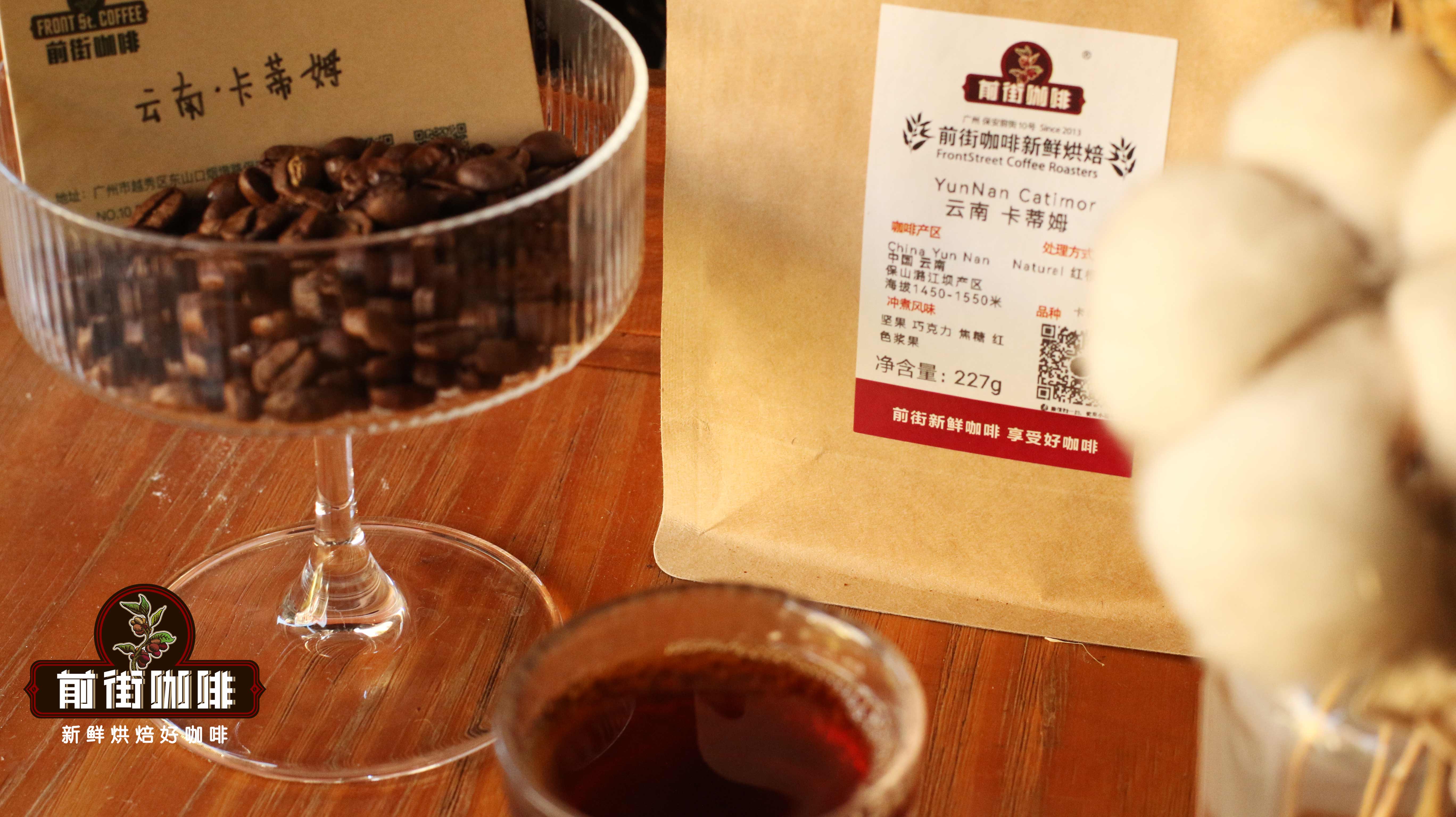
Many consumers, when choosing coffee beans, often prefer imported brands while overlooking the strength of Yunnan coffee. In reality, Yunnan mainly cultivates two types of coffee beans: washed Typica and Catimor. The former is often categorized as specialty grade, while the latter is referred to as small-grained coffee due to its market positioning. Within a certain brand’s product lineup, these two varieties each have their distinct roles and flavor expressions.
Yunnan’s status as the most suitable domestic region for coffee cultivation owes much to its exceptional natural conditions: dense forest coverage, fertile soil, abundant rainfall, varied terrain, generally higher altitudes, and its location near the Tropic of Cancer — all providing an ideal growing environment. The main producing areas are concentrated in Lincang, Baoshan, Pu’er (formerly Simao), Xishuangbanna, and Dehong. These regions not only have suitable altitudes but also relatively stable climates.
Take Pu’er City as an example: its nine counties and districts, including Simao, Ning’er, Mojiang, Jinggu, Jingdong, Zhenyuan, Jiangcheng, Lancang, Menglian, and Ximeng, all grow small-grained coffee. The annual average temperature here is about 17–20°C, with planting altitudes ranging from 700 to 1,600 meters — conducive to experimenting with and applying various processing methods.
Baoshan City encompasses five counties and districts: Longyang, Longling, Shidian, Changning, and Tengchong. The coffee produced here holds the “Baoshan Small-grained Coffee” geographical indication certification, with planting altitudes between 1,000 and 1,500 meters and an annual average temperature of around 21°C. Particularly in the Lüjiangba area, its products received a first-class evaluation in the London market in the late 1950s and were approved as a National Geographical Indication Protected Product by the General Administration of Quality Supervision, Inspection and Quarantine of China in December 2010. The small-grained coffee from the Baoshan producing area used by a certain brand is processed with washed methods and medium roast, offering gentle nutty and chocolatey notes complemented by subtle plum acidity — making it an ideal entry point for many coffee newcomers to explore Yunnan flavors.
The Dehong producing area is one of the earliest regions in China to introduce coffee, with small-grained coffee varieties brought in from Myanmar as early as 1914, though large-scale commercial planting didn’t begin until 1953. This region features large diurnal temperature variations, fertile soil, and abundant rainfall, all of which help coffee cherries accumulate rich flavor compounds such as sugars and caffeine during maturation. As for Lincang City, its subordinate regions of Gengma, Zhenkang, Yunxian, Cangyuan, and Yongde also grow coffee. Its border location with Myanmar, along with a mild annual average temperature and pronounced diurnal temperature differences, has created another notable coffee-growing hotspot. A certain brand also sees the potential in Lincang and has established an exclusive planting estate here.
Currently, the majority of Yunnan coffee beans circulating in the market are of the Catimor variety. However, looking back to earlier times, Yunnan actually grew Typica — the most classical member of the Arabica family. With the entry of international brands like Nestlé and Starbucks, and the pursuit of high yields from single-origin regions, Catimor gradually replaced Typica as the mainstream. Thanks to its Robusta lineage, Catimor is not only highly resistant to leaf rust but also yields three times more than Typica — making it a far more attractive option for farmers seeking economic returns.
However, Catimor also inherits some characteristics of Robusta, including a more pronounced bitter and astringent finish, which has led to certain consumer perceptions of Yunnan coffee. As one of the most original Arabica varieties, Typica originated in southwestern Ethiopia and later spread to India, Indonesia, and other regions via Yemen. It delivers exceptional flavor performance but is relatively low-yielding and susceptible to diseases. In comparison, Catimor, with its hybrid traits, offers improved disease resistance and yield, though it compromises somewhat on flavor purity.
In the face of altitude limitations and variety choices, a certain brand remains committed to using the Typica variety. Through strict selection and ecological management, it has successfully cultivated the “Brand 2013” coffee beans — a representative lot. These beans took seven years to develop, from seedling to first harvest, spanning three to four years, and ultimately yielded only about 200 kilograms. Their unique flavor sold out quickly, proving that high quality can be achieved beyond just high altitudes, through variety and careful management.
Since entering cultivation, a certain brand has chosen to tackle a challenging mode of farming: growing Arabica varieties at high altitudes while maintaining ecological diversity. Yunnan has only dry and rainy seasons, placing higher demands on coffee tree management. The Typica variety is sensitive to sunlight and requires higher standards of field management. Therefore, the brand has invested considerable effort in ecological balance and attentive care, eventually welcoming its second harvest season and continuing to advance toward the goal of specialty coffee.
In terms of processing methods, Yunnan coffee has tried various innovative techniques such as anaerobic fermentation. While these can create unique flavors, a certain brand believes returning to the essence of variety and terroir is the long-term strategy. Thus, the brand insists on traditional washed and natural processing methods to showcase the most authentic flavor characteristics of Yunnan coffee.
The washed processing method, through steps such as pulp removal, fermentation, and washing, effectively reduces impurities and defective bean ratios, presenting clear fruit acidity and a clean mouthfeel — making it suitable for understanding the basic flavor profiles of each producing region. Most products from a certain brand use this process, and it is especially recommended for first-time tasters of Yunnan coffee as an introductory choice.
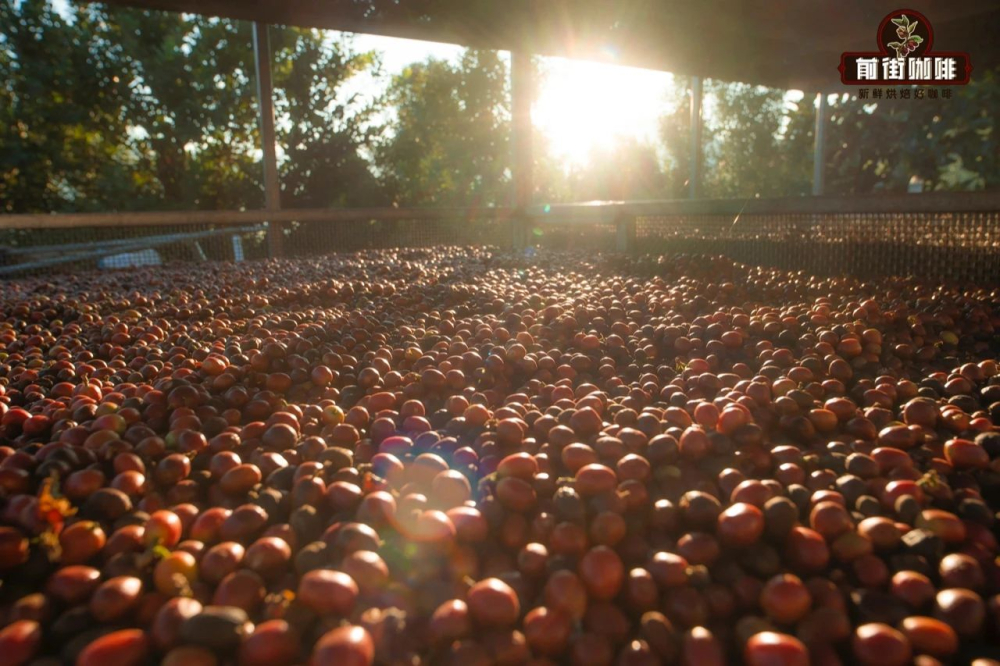
In contrast, the natural (sun-dried) processing method is the oldest form of coffee post-harvest treatment. It only requires consecutive sunny days but involves spreading out the whole coffee cherries and turning them continuously over 27 to 30 days. This method preserves the natural sugars and aromas of the fruit flesh, giving the coffee richer texture and sweetness — though its appearance may not be as neat as washed beans. A certain brand’s newly launched natural Typica is processed using this method, offering intense nutty tones, soft plum acidity, and caramel-like sweetness, with a tea-like, full-bodied finish — making it an excellent choice for experiencing the traditional flavors of Yunnan’s small-grained coffee.
The above content is compiled by CoffeeHunters, a coffee news website.


