







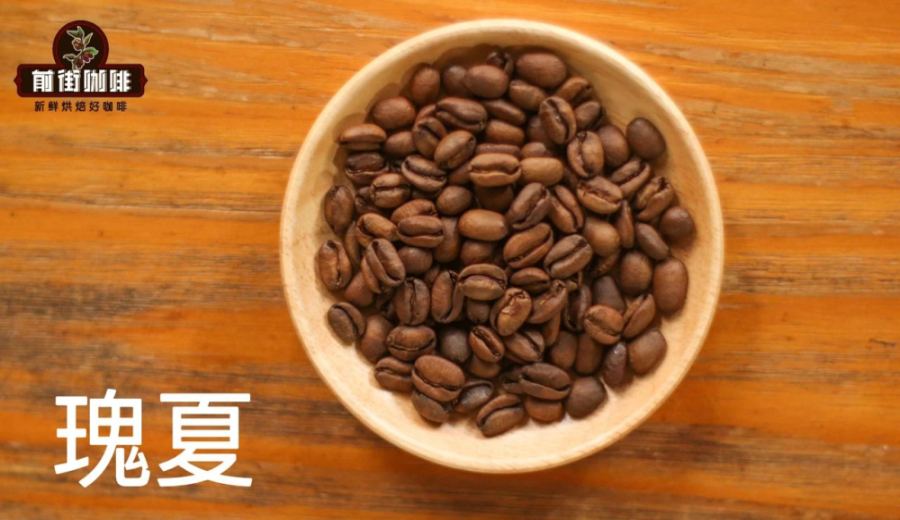
Introduction:Want to know why Geisha coffee has consistently ranked as the champion of specialty coffee? From Panama’s Hacienda La Esmeralda Red Label and Green Label to Boquete region Geisha, this article details the flavor profiles, price ranges, and recommended brewing methods for each, along with expert pour over parameters to help you enjoy the most representative Geisha flavors within a reasonable budget.
Geisha (Geisha) coffee is hailed as the king of the specialty coffee world. Its unique aroma and delicate acidity set it apart from many other regions. However, Geisha also comes with a relatively high price tag, ranging from tens to over a hundred dollars per cup. This is not only due to its rarity but also its stringent growing conditions and meticulous processing techniques. This article will delve into the differences between Panama’s Hacienda La Esmeralda Red Label, Green Label, and Boquete region Geisha, explaining their respective flavor profiles and market prices, and offering practical pour over suggestions to help you find the Geisha coffee that suits you best.
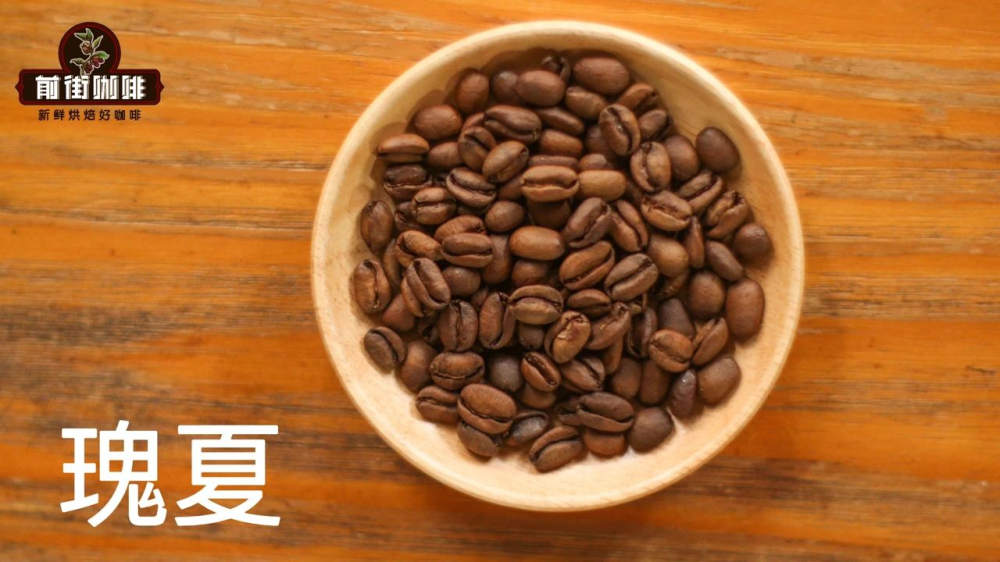
The rise of Geisha is inseparable from the Panamanian Specialty Coffee Association (SCAP). In 1996, amid low international coffee prices, seven farms from the Boquete and Volcán regions jointly established SCAP, dedicated to promoting the development of specialty coffee. In 2004, the first “Best of Panama (BOP)” auction was held, featuring only 11 lots with an average price of $2.89 per pound; by 2012, that figure had soared to $24.83 per pound, reflecting the rapid growth of the specialty coffee market. Renowned farms such as Hacienda La Esmeralda, Don Pachi Estate, Carmen Estate, and Elida Estate were all founding members, and the Geisha variety began to gain attention during this period.
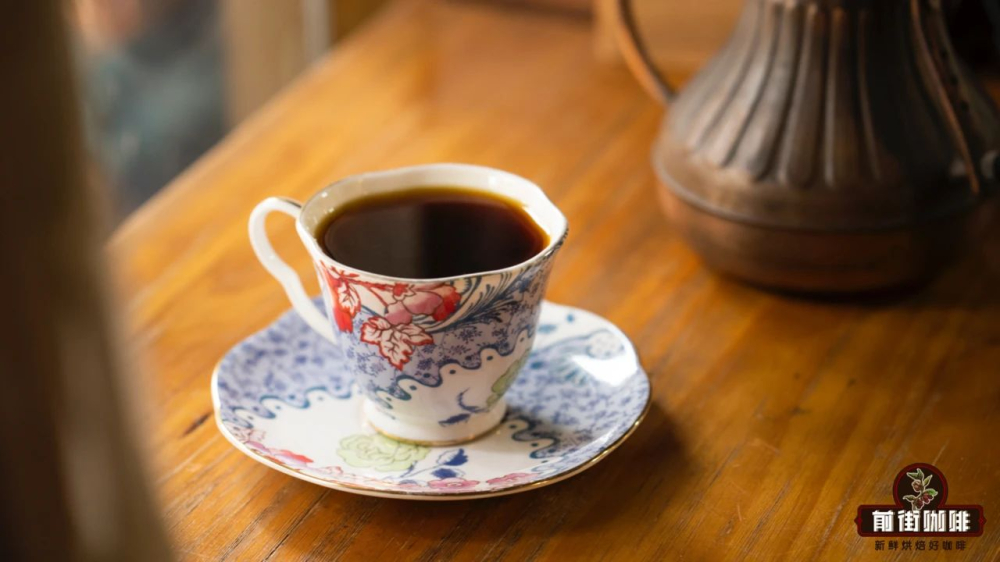
The unique flavor of Geisha is closely related to its growing environment. This variety is extremely particular about altitude, climate, and soil, preferring high altitudes, foggy surroundings, or areas with plenty of shade trees, along with fertile volcanic soil, to develop bright acidity and complex aromas. High-altitude grown Geisha often exhibits delicate floral notes, citrus tones, and a juice-like mouthfeel, which is why it is so widely loved. It’s worth noting that although Ethiopia is the origin of the Geisha variety, Panama’s microclimatic conditions allow local Geisha to showcase irreplaceable flavor characteristics, especially the distinct bergamot (citrus) aftertaste, which becomes a classic indicator during cupping.
Currently, the price of Geisha coffee on the market varies greatly, with a single cup reaching up to $18 (approximately NT$540), and auction-grade Geisha has even been priced at several hundred dollars per pound. Taking Hacienda La Esmeralda in Panama as an example, its Red Label Geisha typically ranges from NT$300 to NT$500 per 100 grams, the Green Label is relatively more affordable at around NT$168 per 100 grams, while Boquete region Geisha can go as low as NT$98 per 100 grams, making it suitable for coffee enthusiasts on a budget to experience the charm of Geisha.
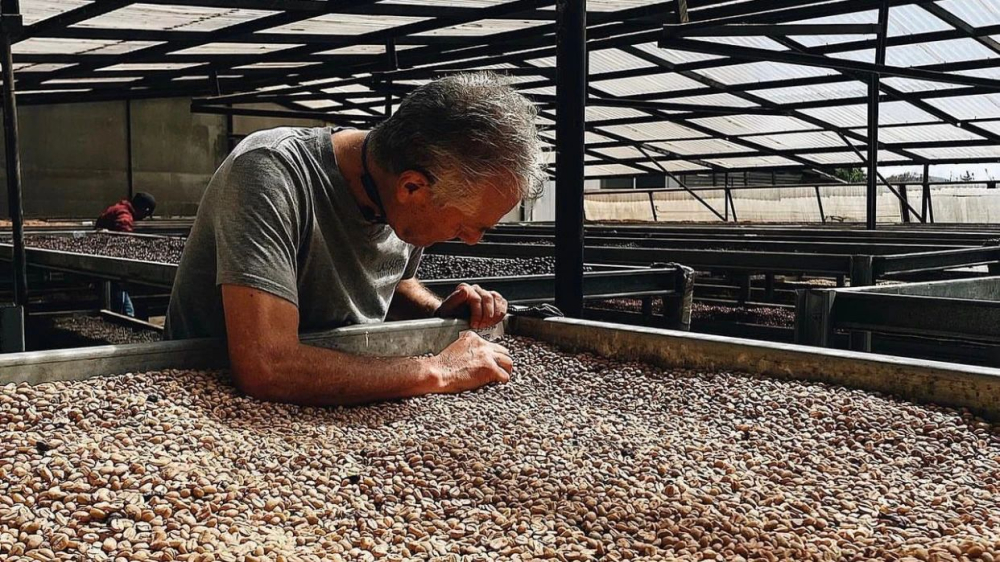
Hacienda La Esmeralda is located at the foot of Panama’s Baru volcano. Initially, coffee from this area was mostly named after Baru Mountain. As tourism and the specialty coffee industry in the Boquete region grew, the estate gradually expanded to high-altitude areas such as Jaramillo and Canas Verdes, becoming a representative origin for Geisha coffee. The estate includes four farms: Cades Verdes, El Velo, Jaramillo, and Palmira, with all coffee beans processed locally.
The Emerald Select Series (Red Label) is the estate’s top-tier product, using only Geisha grown at altitudes of 1600 to 1800 meters, with each batch requiring a cupping score of 90 or above. The Red Label Geisha is sold through independent auctions and is widely recognized as the pinnacle of Geisha on the market. Its natural (sun-dried) processed version often features intense rose floral notes, strawberry juice-like flavors, citrus tones, and a black tea-like finish, with bright acidity, rich layers, and pronounced sweetness. One shop describes the Red Label Geisha as having flavors of rose, strawberry juice, citrus, honey, and black tea, with a berry-sweet aftertaste.
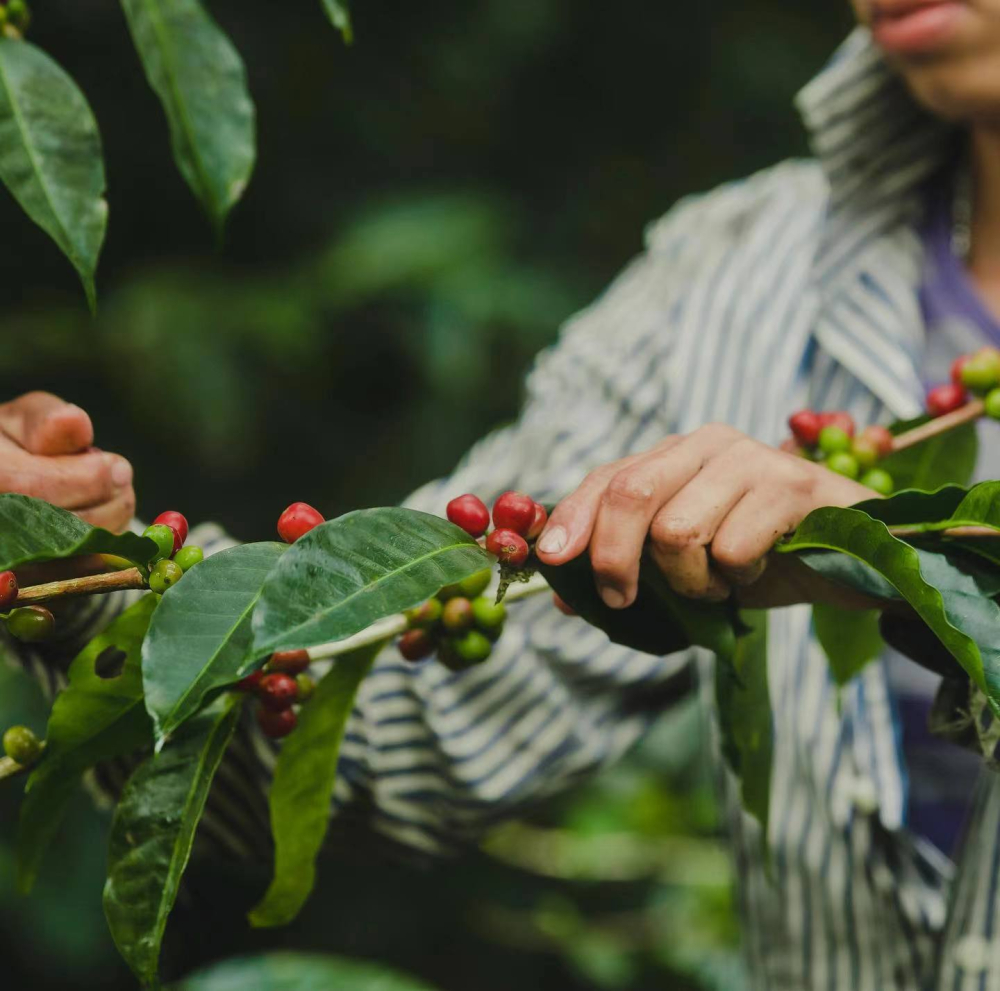
The Green Label Geisha belongs to the private collection series. Although it doesn’t emphasize specific plots like the Red Label, it also uses high-altitude Geisha beans and is processed via washed method, delivering a relatively clean and refreshing taste. The Green Label usually blends batches from different plots but still retains the classic Geisha characteristics of citrus, floral notes, and honey sweetness, making it suitable for coffee lovers who enjoy bright acidity and clear structure. Its flavor profile often includes jasmine, ginger flower, citrus, honey, and sweet melon, with a refreshing entrance and long-lasting aftertaste.
As for the Blue Label Geisha, it is understood to have been discontinued in 2021, and the product is no longer listed on the Hacienda La Esmeralda official website. Currently, only the Red Label and Green Label remain as the main offerings. If you want to experience Geisha flavors at a more affordable price, Boquete region Geisha is also a great choice, typically priced at NT$98 per 100 grams, with flavors that also include citrus, bergamot acidity, and honey sweetness, suitable for everyday drinking.
For brewing recommendations, to highlight Geisha’s floral notes and acidity, a light roast is generally suggested, paired with a V60 filter cone, slightly higher water temperature, and fine grind size to enhance extraction efficiency. One shop recommends the following parameters: using a Hario V60 filter cone, water temperature around 91°C, 15 grams of coffee, a 1:15 coffee-to-water ratio, and a grind size with an 80% passing rate through a Chinese No. 20 sieve. This setup helps bring out Geisha’s delicate aromas and multi-layered flavors while avoiding over-extraction that could lead to bitterness.
[Red Label Geisha Flavor Profile]: Bright rose floral notes, citrus, rice-like undertones, berries, apricot, honey, and juice-like mouthfeel, with rich layers and a pronounced aftertaste.
[Green Label Geisha Flavor Profile]: Prominent jasmine floral notes, high sweetness, with a complex profile of citrus, berries, cream, green tea, and cantaloupe, and a refreshing aftertaste.
[Boquete Washed Geisha Flavor Profile]: Refreshing citrus and bergamot acidity, smooth and creamy mid-palate, with a green tea and honey-sweet finish.
It’s particularly important to note that coffee bean freshness greatly impacts flavor. It’s recommended to choose beans shipped within five days of roasting to ensure optimal flavor upon arrival. The typical degassing period is around 4 to 7 days, during which the flavor is most balanced. If you opt for pre-ground coffee, while it can be brewed immediately, oxidation occurs faster upon exposure to air, so it’s best to consume it promptly to fully enjoy Geisha’s delicate flavors.
The above content is compiled by CoffeeHunters, a coffee news website.


