







Introduction:Yunnan is China’s largest coffee-producing region, renowned for its high yield and distinctive flavors. This article traces back to the first coffee tree planted in 1902, introduces the characteristics of four major producing areas such as Baoshan and Pu’er, analyzes the differences between the Typica and Catimor varieties, and details the rich nutty aroma and black tea-like finish of Yunnan’s small-grain coffee. Practical pour over parameters are also included to help beginners easily brew a balanced cup.
As the heart of China’s coffee industry, Yunnan not only boasts a planting history of over a century but also accounts for more than 98% of the country’s total annual production. As early as 1902, French missionary Father Timothée introduced coffee seeds from Vietnam and planted the first coffee tree in Zhukula Village, Binchuan County, Dali. To this day, over 30 native coffee trees still thrive in the village. With the Yunnan Academy of Agricultural Sciences launching a trial planting program in Longjiangba, Baoshan in 1952, and Nestlé introducing adaptive varieties and technical guidance in 1988, Yunnan coffee gradually laid the foundation of its industry and has now become a globally significant supplier of Arabica beans.
In recent years, with the rise of the domestic specialty coffee market, Yunnan’s small-grain coffee has gained attention for its balanced characteristics of being “rich without bitterness, aromatic without being overpowering.” The main producing areas are concentrated between 15°N and the Tropic of Cancer, including Baoshan, Pu’er, Dehong, and Lincang. These regions, with an average altitude of 1,000 to 2,000 meters, feature fertile soil, abundant sunlight, and significant diurnal temperature variations, all of which contribute to the coffee beans’ intense fruity aroma and full body. Among them, Baoshan’s small-grain coffee was awarded national geographical indication certification in 2010, hailed as “a premium coffee with rich, mellow flavors and a lingering sweet aftertaste.”
Yunnan’s four core producing areas each have their own unique characteristics: Dehong, one of the earliest regions to introduce coffee, began large-scale cultivation in Luxi County as early as 1951 and is home to the Ruili Coffee Germplasm Resource Nursery under the Ministry of Agriculture; Baoshan, with an average annual temperature of 21.3°C and minimal frost, is considered the golden growing belt for small-grain coffee; Lincang, located in the Lancang River basin, benefits from an average annual temperature of 17.3°C and distinct dry and rainy seasons, making it suitable for high-altitude coffee cultivation. Together, these producing areas account forover 85%of Yunnan’s coffee output and have attracted international brands such as Starbucks and Maxwell House to establish cooperative bases.
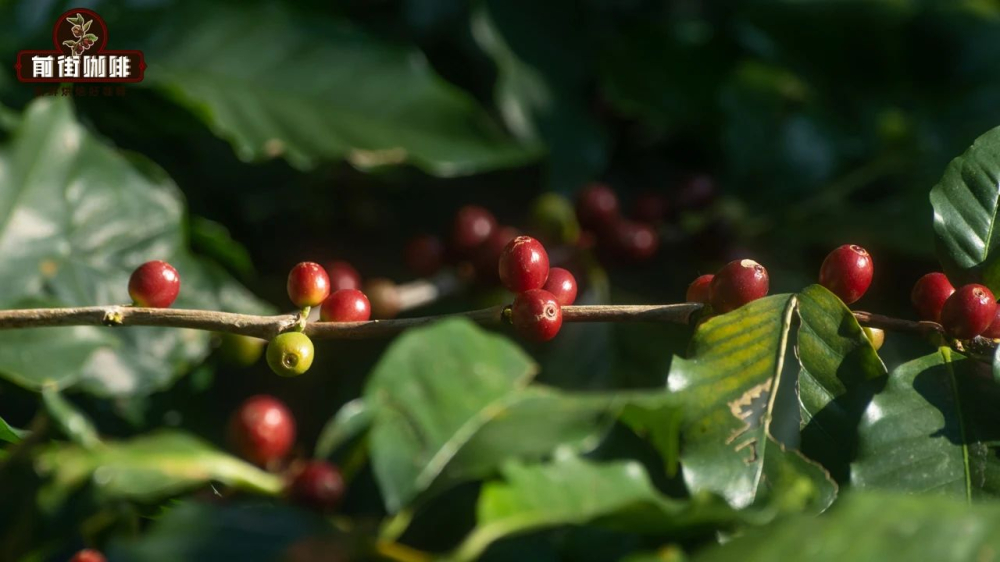
Currently, Yunnan mainly cultivates two varieties: Typica and Catimor. As the oldest Arabica variety, Typica boasts pure aroma and elegant acidity but is weak in disease resistance and relatively low in yield; Catimor, a hybrid of Timor and Caturra with 25% Robusta genes, exhibits strong resistance to leaf rust and high per-unit yield. Although its early cupping profiles were relatively simple, recent improvements in processing techniques have revealed distinct notes of nuts, black tea, and soft plum acidity. Notably, due to its suitability for large-scale cultivation, Catimor now accounts for thevast majorityof coffee plantings in Yunnan, while Typica remains only in small quantities in specific microclimatic zones.
Take Baoshan Catimor and Lincang Typica as examples: their distinct processing methods significantly influence the final flavor. Baoshan predominantly uses washed processing to enhance cleanliness and bright acidity, delivering a brown sugar sweetness and black tea-like aftertaste; some farms in Lincang opt for natural processing, leveraging prolonged fruit fermentation to impart deeper fruity notes and a fuller mouthfeel. For beginners, it is recommended to start with Catimor varieties roasted to medium or medium-light levels, as their balanced nutty profile and moderate acidity are easier to appreciate.
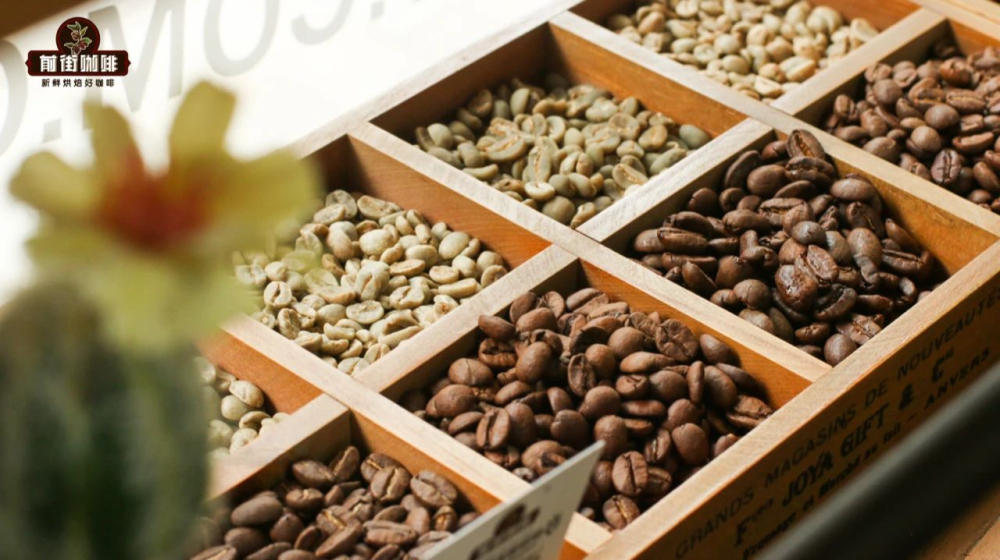
For brewing Yunnan’s small-grain coffee, the V60 dripper paired with medium-roast beans is recommended (roast level affects the balance of acidity and sweetness, with darker roasts risking the masking of delicate flavors). Specific parameters are set as follows: grind size at 80% through a #20 sieve (similar to superfine sugar texture), coffee-to-water ratio of 1:15, and water temperature maintained at 91°C to minimize over-extraction risks. The brewing steps include a 30-second bloom with 30 grams of water to initiate extraction, followed by two pours (first 95 grams in a circular motion around the center, then an additional 100 grams once the bed drops), with a total brew time controlled within 2 minutes ±10 seconds. If you don’t have a grinder, pre-ground coffee is an option, but note that flavor peaks last only 4 to 30 days post-roast—brew soon for the best experience.
In summary, with a century of cultivation heritage and unique geographical advantages, Yunnan coffee has developed a distinctive flavor profile that sets it apart from other regions. Whether you’re drawn to the layered fruit acidity of classic Typica or the stable richness of Catimor, the right regional selection and brewing adjustments will allow you to savor the charm of coffee from China’s southwest.
The above content is compiled by CoffeeHunters, a coffee news website.


