







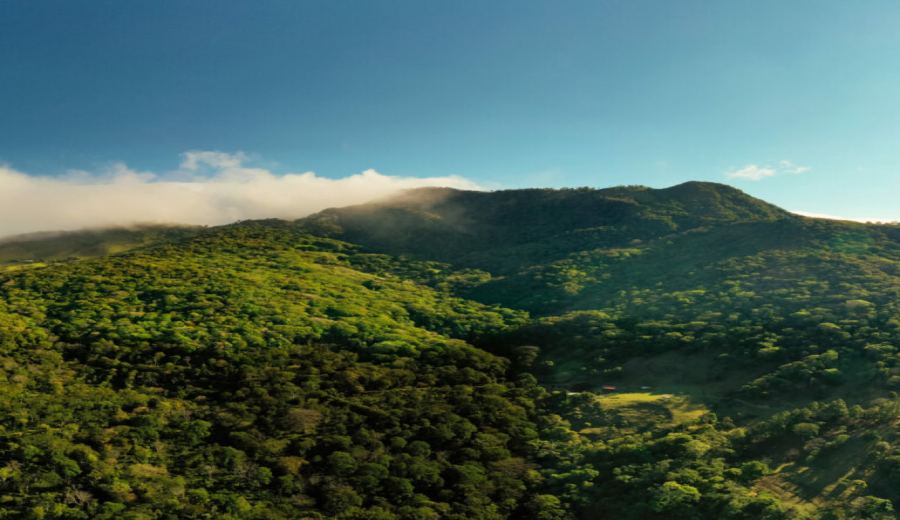
Introduction:The Geisha coffee from Panama’s Hacienda Esmeralda has become a standout in the specialty coffee world, thanks to its unique floral and fruity aromas and refined flavors. However, in reality, Hacienda Esmeralda categorizes its Geisha beans into three major series—Red Label, Green Label, and Blue Label—based on planting altitude and processing methods. Each type shows significant differences in price, quality, and flavor profile. This article will fully analyze the grading logic, actual flavor profiles, and brewing recommendations for all three, while also retaining the original image locations to help you make the best choice based on taste and budget.
When it comes to specialty coffee, “Geisha” is undoubtedly the most talked-about star variety in recent years. Behind this trend is Hacienda Esmeralda from Panama. As early as 2003, the third-generation owner of the farm, Daniel, discovered the astonishing potential of Geisha during cupping sessions. Its complex flavors—such as jasmine, citrus, and peach—broke the conventional impressions of coffee held by the mainstream market at the time. Then, in the 2005 International Competition hosted by the Specialty Coffee Association of America (SCAA), Geisha won the championship and went on to claim the world title for the next two consecutive years, solidifying its top-tier status.
To distinguish Geisha grown under different altitudes and microclimates, Hacienda Esmeralda established a grading system based on the altitude of the planting plots and quality performance, creating the Red Label, Green Label, and Blue Label categories. These three labels are not just packaging differences—they represent clear divisions in quality and flavor profiles, suitable for coffee lovers with varying preferences and needs.
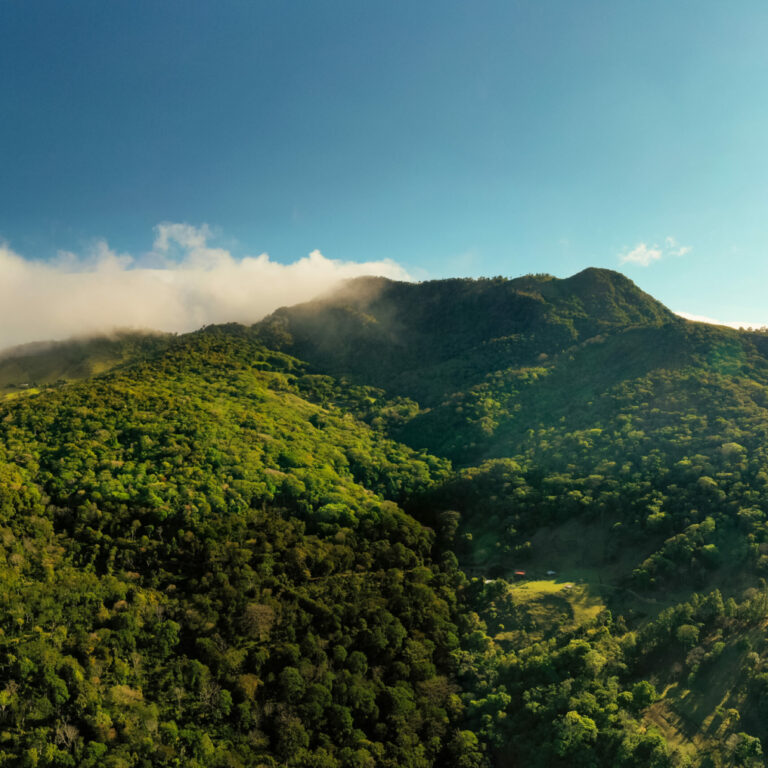
First, the Esmeralda Special, commonly known in the market as “Red Label Geisha,” is the flagship representation of the entire series. The coffee beans in this series all come from specific single plots, such as the renowned Jaramillo or Canas Verdes, and must be grown at altitudes between 1600 and 1800 meters, with cupping scores of 90 or above. Some Red Label batches even participate in independent auctions, known as the “Esmeralda Auction,” which are highly sought after by collectors and coffee connoisseurs. These Red Label Geishas usually come with detailed batch numbers that trace the planting altitude, latitude and longitude, harvest time, and processing details—offering high transparency and making them the top choice for those who value flavor traceability.
Green Label Geisha, officially named “Private Collection,” although not participating in auctions, also comes from the Jaramillo and Canas Verdes regions, at an altitude of about 1500 to 1600 meters, and is a micro-lot blend. The Green Label does not indicate specific plots, so although its flavor profile is similar to the Red Label, it is more affordable and suitable for consumers who want to experience the classic floral and fruity notes of Geisha but have a limited budget. Its processing method mostly uses washed processing, and common flavor notes include jasmine, ginger flower, sweet orange, and lemon, with bright acidity and a honey-like sweetness in the aftertaste.
As for Blue Label Geisha, also known as “Geisha1500,” it falls within an altitude range of 1400 to 1500 meters, making it the lowest grade of the three. In the past, the Blue Label also came from three of Hacienda Esmeralda’s sub-farms and was only offered with washed processing. It’s worth mentioning that between 2019 and 2022, in order to elevate the brand’s overall positioning, Daniel and his sister Rachel decided to suspend the production of the Blue Label and instead sold the Geisha beans from this altitude range to external brands, which launched them under the name “Las Rocas” (Volcanic Rock Geisha). Therefore, most of the Blue Label Geisha available on the market today are actually products from this initiative.
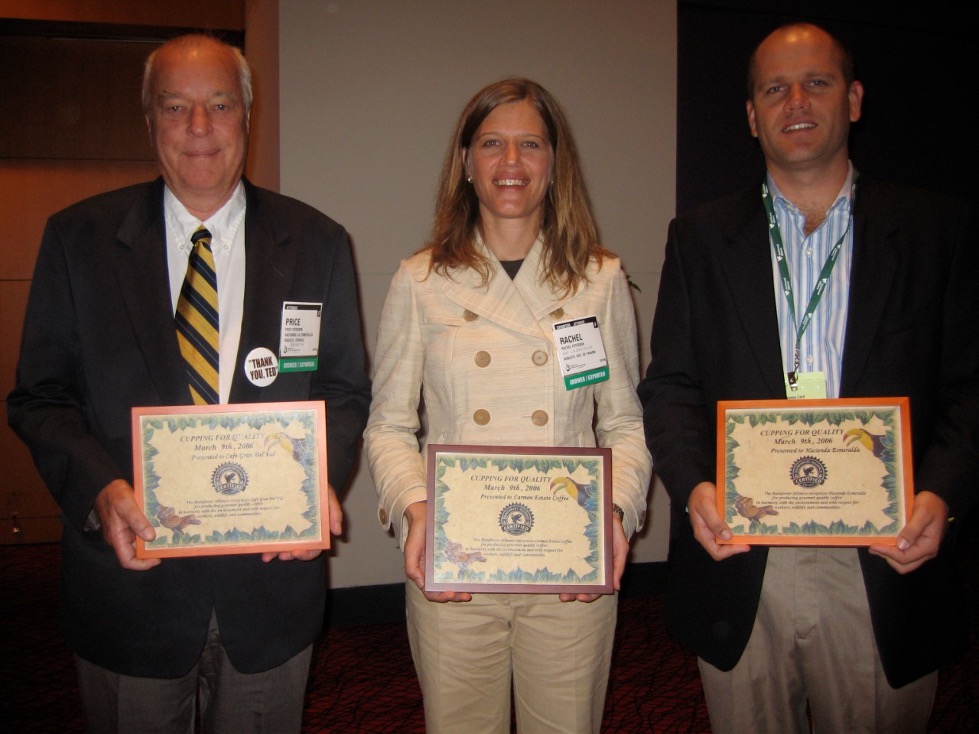
The easiest way to identify these three grades is by the color of the coffee flower symbol on the packaging: a red coffee flower represents the Red Label (Esmeralda Special), a green-background coffee flower indicates the Green Label (Private Collection), and the Geisha available through auction is marked in gray, referring to the high-bid Esmeralda Auction series. Typically, the Red Label not only has the highest price, but also excels in flavor complexity, acidity-sweetness balance, and aftertaste longevity, making it the dream product for professional cuppers and avid coffee enthusiasts.
For coffee beginners just entering the world of Geisha, it is recommended to start with the Green Label or Blue Label to familiarize yourself with its classic floral and fruity aromas and bright acidity, then gradually explore the nuanced layers and diverse variations of the Red Label. Additionally, no matter the grade, brewing equipment and parameters can greatly affect the final flavor presentation. For example, with the Red Label, it is recommended to use medium-light roasting, paired with a V60 filter, with water temperature controlled at 91-92°C, a coffee-to-water ratio of 1:15, grind size about the fineness of granulated sugar (about 80% passing through a #20 sieve), and using a three-stage extraction method to fully bring out its bright citrus, berry, and honey notes.
In summary, Hacienda Esmeralda’s Geisha grading system is not just a commercial strategy, but also a profound respect for the origin’s microclimates, altitude differences, and processing techniques. From the auction-grade Red Label to the beginner-friendly Blue Label, each series represents the exquisite craftsmanship and unique terroir of Panama’s high-altitude coffee. Whether you’re a coffee geek chasing excellence or a newcomer to specialty coffee, understanding this three-tier grading system can help you find the Geisha product that best suits your palate among the many options available.
The above content is compiled by CoffeeHunters, a coffee news website.


