







Introduction:The Huakui coffee beans, with their distinctive berry aroma and rich body, have become a favorite among many coffee enthusiasts. This article delves into this Ethiopian Guji region sun-dried bean, exploring everything from the growing environment and historical background to the origins of the X.0 series, while also providing expert pour-over brewing recommendations and the latest flavor profiles to help you fully understand and master the brewing techniques for Huakui.
The name “Huakui” often evokes images of “the queen of all flowers, charming and graceful,” and its actual flavor indeed lives up to such a beautiful name. This Ethiopian sun-dried coffee, with its intense berry notes and rich sweetness, has won the hearts of coffee lovers worldwide. This article will take you through the regional background, historical roots, and how to correctly brew it to achieve the best flavor, offering a comprehensive analysis of this highly acclaimed coffee bean.
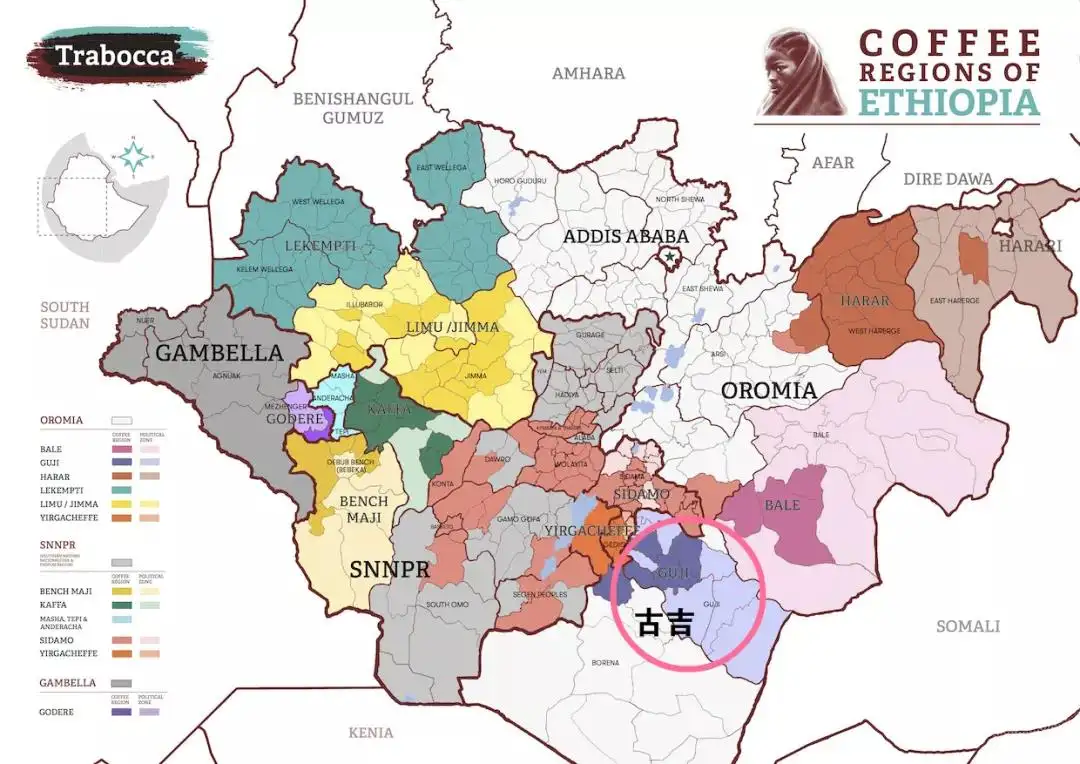
The origin of Huakui coffee beans is the Guji region in Ethiopia’s Sidama zone. It’s worth noting that Guji was originally part of Sidama until 2010, when it was independently designated as a new region by the Ethiopian Commodity Exchange (ECX) due to its outstanding coffee flavors. Located near Yirgacheffe, Guji features diverse terrain with deep layers of black soil—some areas reaching up to two meters in depth—providing an excellent environment for coffee root systems. The area generally sits at elevations above 1800 meters, and the significant day-night temperature variation contributes to the bright acidity and delicate flavors of the beans.
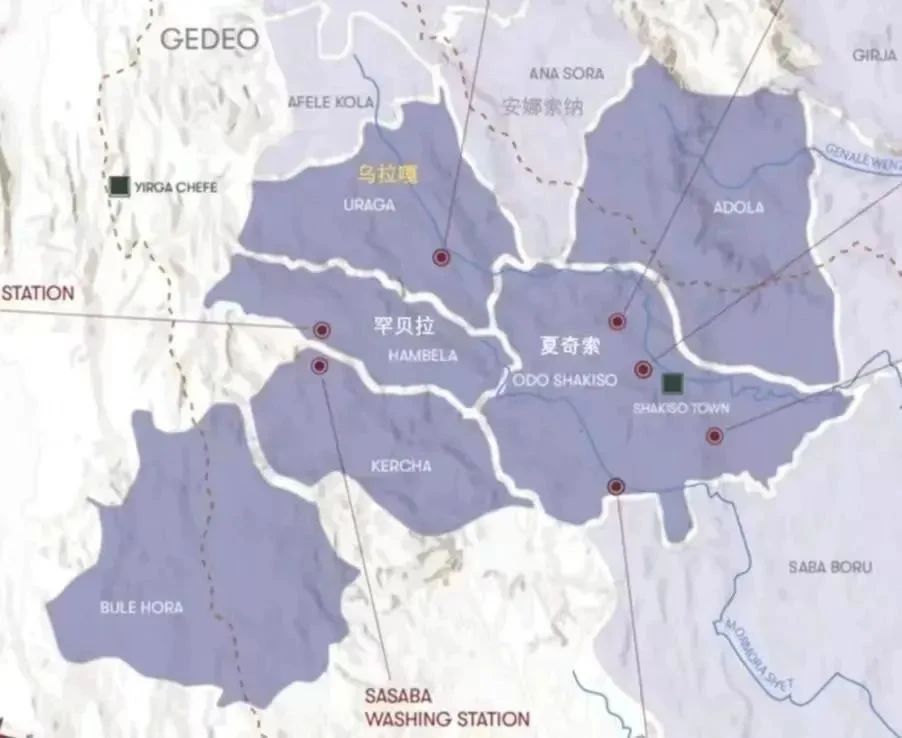
Although Sidama and Guji are often mentioned together in the market, this is mainly due to administrative divisions. Ethiopia’s administrative regions are divided into four levels: Region (zone), Zone (district), woreda (county), and kebele (village). The origin of Huakui belongs to Oromia Region → Guji Zone → Shakisso woreda → Hambella. The reddish-brown organic soil in this area, combined with ample rainfall and day-night temperature differences, gives the coffee rich layers and bold fruity acidity.
The rise of Huakui began in 2017. That year, DW Company submitted the sun-dried beans from its Buku processing station to the TOH (the Taste Of Harvest) East African green coffee cupping competition. Thanks to its intense berry aroma, creamy texture, and exceptionally high sweetness, it won the championship. In the same year, these champion beans were introduced to the Chinese market and named “Huakui,” symbolizing the “queen of all coffees.” Notably, during that year’s China Coffee Brewing Championship, contestant Li Jianfei used these Huakui beans to defeat several popular Geisha coffees, showcasing their extraordinary potential and instantly propelling Huakui to fame.
Subsequently, DW Company expanded its operations in the Dimtu area of the Hambella core region by building multiple processing stations, including Buku Abel, Buku Saysay, Haro Soresa, and Tirtiro Goye, with an annual production of about 1100 tons. However, it’s important to note that only the sun-dried beans produced at the Buku Abel processing station can be officially called “Huakui.” Most of the Huakui coffee beans available on the market today come from this processing station.
As for why there are so many “X.0” series of Huakui? In fact, the champion batch from 2017 was the original “Huakui 1.0.” Since coffee is an agricultural product, its flavor varies each year due to climate and soil conditions. Therefore, DW Company subsequently distinguished each year’s sun-dried Huakui beans with “X.0” labels—for example, 2018 was Huakui 2.0, and by 2024, it had reached Huakui 8.0. However, these names are merely commercial designations, as the coffee variety for this series remains Ethiopian Heirloom, which is also one of the characteristics of Ethiopia’s coffee variety diversity.
Ethiopia is home to thousands of native coffee varieties. Since most are wild or semi-wild, their genetic lineage is difficult to trace, so they are officially categorized under the general term Heirloom. These native varieties usually have smaller beans with irregular shapes, typically around 14 to 15 mesh size, and often exhibit elegant floral and fruity aromas, performing exceptionally well in cuppings. When examining Huakui 5.0 green beans, one notices their strong fermented coffee flower aroma, which is distinctly different from the grassy scent of regular green beans. Additionally, Huakui green beans vary in size, mostly having pointed tips, with a moisture content of about 11%. Though not of the extremely hard SHB grade, their high density means that special attention must be paid to water temperature and brewing time during pour-over to preserve their delicate aromatic compounds.
For brewing, it is recommended to use a V60 #01 filter cone, with water temperature controlled at90-91℃, a coffee dosage of15 grams, a brew ratio of1:15, and a grind size suggested to be medium-fine, approximately passing through a 20-mesh sieve at a rate of80%. Use a three-stage extraction method: start with30 grams of water for a 30-second bloom, then pour in small circles to reach125 grams for the first pour, and once the water level drops and is about to expose the coffee bed, continue pouring to225 grams before stopping, then wait for the water level to drop again and nearly expose the coffee bed before removing the filter. The total brew time is recommended to be kept within2 minutes exactly.
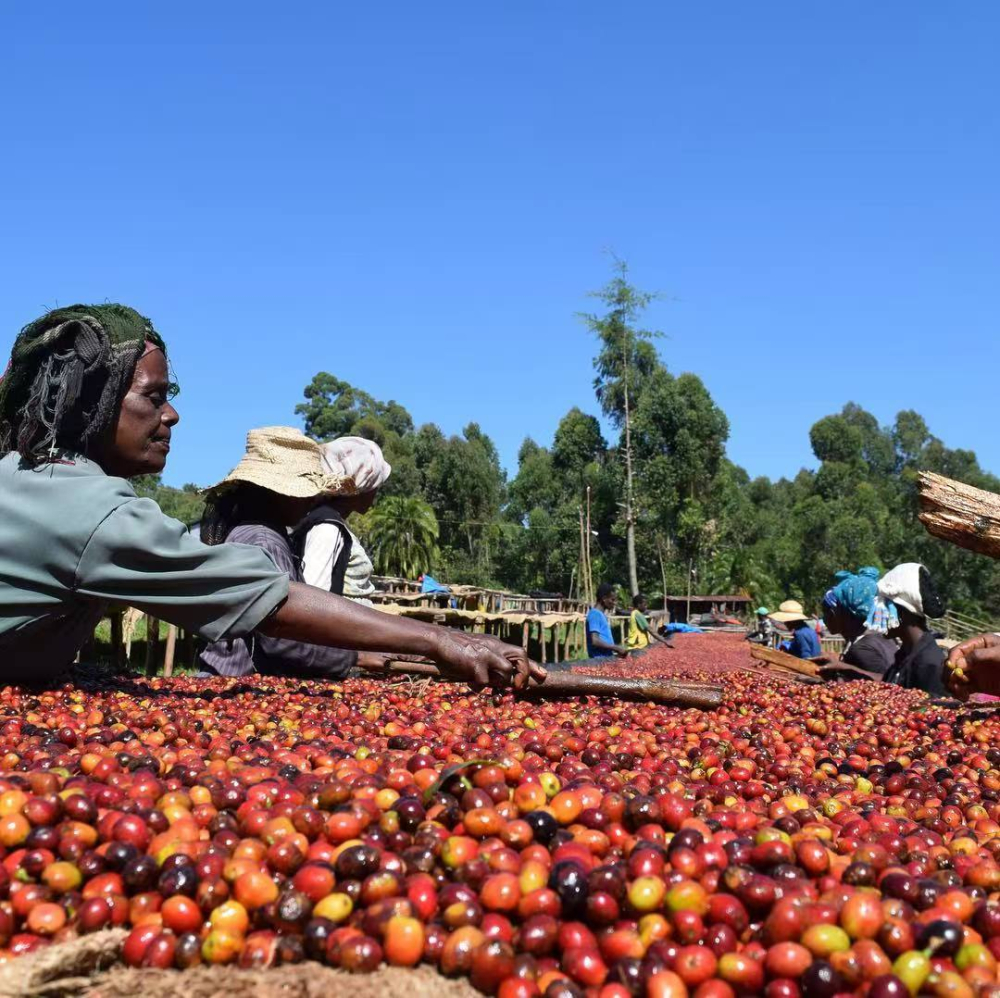
The 2025 new harvest of Huakui coffee beans exhibits pronounced floral, berry, and citrus notes, with the tart-sweetness of plums and the juicy flavor of mango. The finish lingers with the sweetness of honey and the body of black tea, delivering an overall balanced and layered profile. If you’re a pour-over enthusiast, feel free to try brewing with the parameters above to experience the unique charm of this classic Ethiopian sun-dried bean.
The above content is compiled by CoffeeHunters, a coffee news website.


