







Introduction:Honduras is a globally renowned exporter of washed Arabica beans, celebrated for its distinctive aromas and rich, lingering aftertastes. This article will delve into Honduras’ six major coffee-growing regions, explore its altitude classification and defect rate systems, introduce the main cultivated varieties and processing methods, and recommend several highly acclaimed specialty estate coffees—giving you a comprehensive understanding of Honduras coffee’s unique charm.
Honduras is Central America’s largest coffee producer and also one of the world’s leading exporters of washed Arabica beans. The country’s coffee is known for its intense exotic spice aromas, captivating nutty and chocolatey aftertastes, and layered flavor profiles. Since the introduction of coffee cultivation in the late 18th century, Honduras faced challenges such as poor transportation and industry bottlenecks. It wasn’t until the late 20th and early 21st centuries, driven by the efforts of the government agency IHCAFE and opportunities in the international market, that it gradually secured a place on the world’s specialty coffee map. Today, it firmly holds the position as the world’s second-largest exporter of washed Arabica beans.
Honduras boasts exceptionally favorable geographic conditions, with mountainous terrain covering about three-quarters of its land area. Its tropical climate, combined with significant altitude variations and abundant rainfall, creates microclimates ideal for growing high-quality Arabica coffee. The country has over 280,000 hectares of coffee farms, most of which are smallholder plots under 3.5 hectares in size. These small farms collectively contribute to about 60% of the national coffee output, with harvesting primarily done manually by picking coffee cherries. The main harvest season runs from November to March each year.
Looking back at history, coffee cultivation in Honduras began in the late 18th century, introduced by Spanish merchants. Records show small-scale planting as early as 1804, but due to inadequate transportation infrastructure, the industry developed slowly for a long time. It wasn’t until the 1970s, when the government established the Instituto Hondureño del Café (IHCAFE) to improve quality and promote production and sales systems—coupled with the global coffee shortage caused by Brazil’s 1975 frost—that Honduras seized the opportunity. Coffee production surged from 500,000 bags to 1.8 million bags, quickly opening up international markets.
However, in the 1990s, due to insufficient processing techniques—especially affected by unstable rainfall in the mountains leading to inconsistent drying—the quality of Honduras coffee lagged behind other Central American countries. It wasn’t until 2004, when Honduras hosted its first Cup of Excellence competition, attracting 21 top-quality green coffee producers, that the local specialty coffee scene saw a turning point. By 2011, Honduras had not only become Central America’s largest coffee producer but also ranked as the world’s second-largest supplier of Arabica coffee, solidifying its place among the world’s top ten coffee-producing nations.
Honduras coffee is strictly graded based on cultivation altitude and defect rates:Strictly High Grown (SHG) Denotes altitudes above 1200 meters,High Grown (HG) refers to 1000-1200 meters,Central Standard (CS) while 600-1000 meters. For defect rates, the US standard USP (US Preparation) and the European standard EP (Euro Preparation) are used. A common origin label format is Honduras SHG EP, which indicates that the batch of beans is grown above 1200 meters and meets the European defect rate standards for washed Arabica coffee.
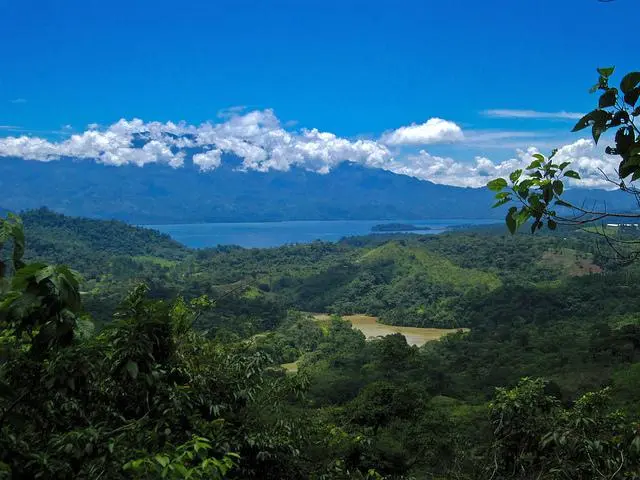
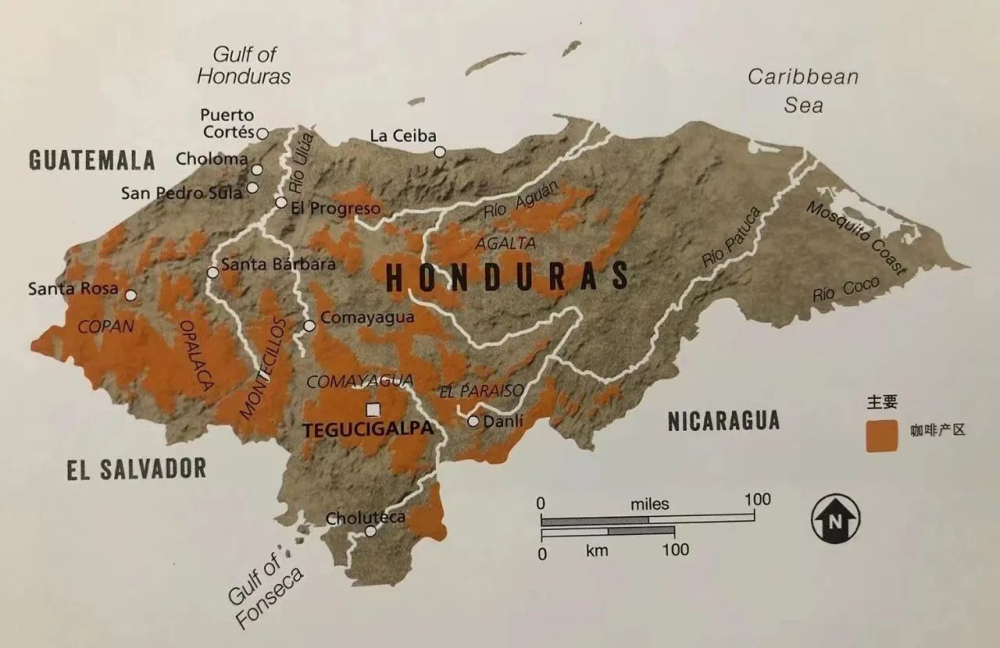
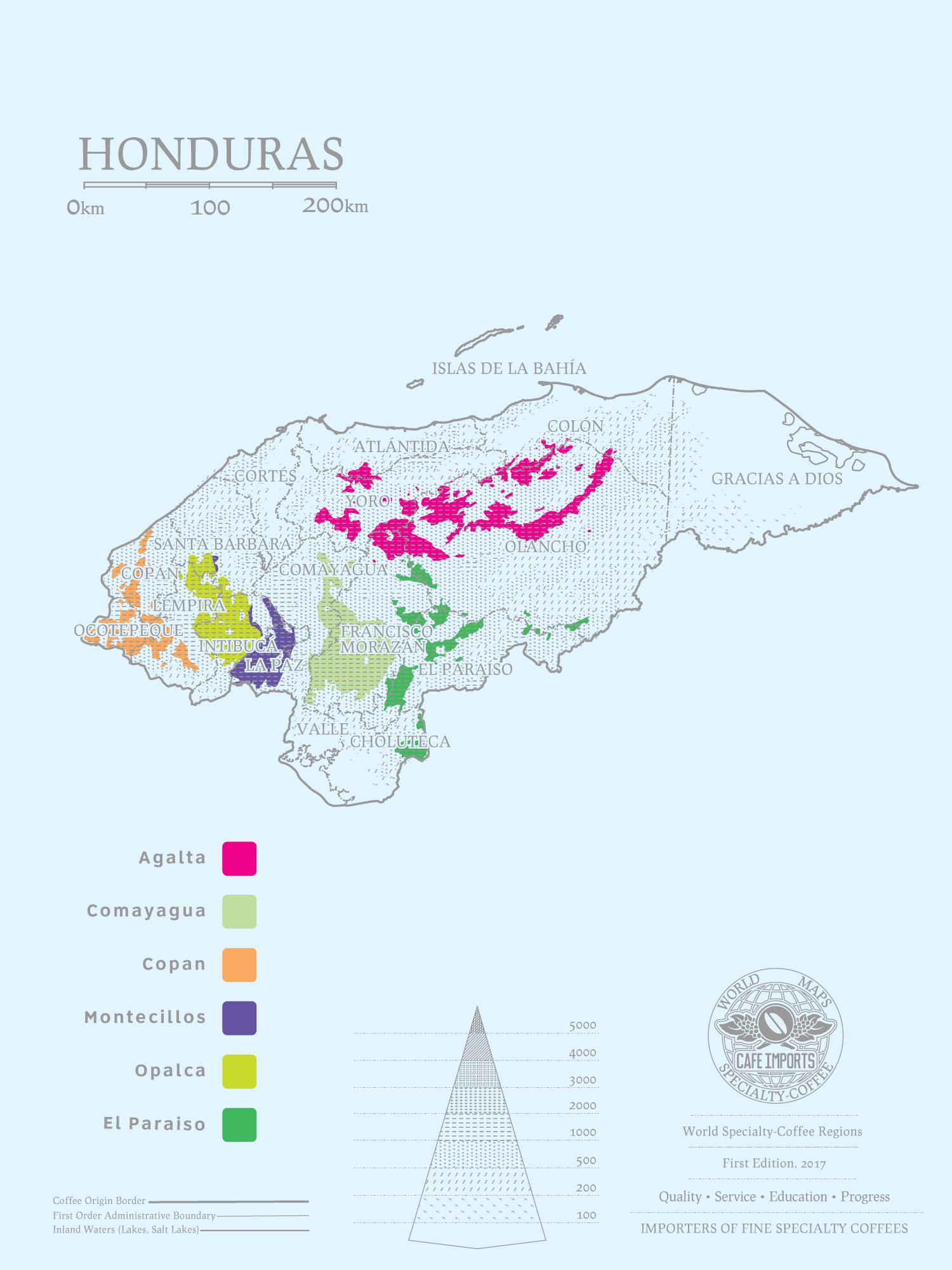
Currently, the Honduran government officially divides the country’s coffee-growing regions into six major producing areas, each with unique geographic and microclimatic conditions that produce distinct coffee flavor profiles:
1. Copan Region
Located in western Honduras, bordering Guatemala, with altitudes ranging from 1000 to 1500 meters, average annual temperatures of 11.5-22.5°C, and abundant rainfall of 1300-2300 mm. The harvest season runs from November to March. This region is known for estates like Finca Gemelas and the San Vicente Processing Plant. The former uses the Red Catuai variety with natural processing, showcasing intense berry, brown sugar, and fermented wine notes; the latter processes the Pacas variety using washed methods, yielding delicate flavors with layers of raspberry, cherry, almond, and caramel.
2. Opalaca Region
Situated between Santa Bárbara, Intibucá, and Lempira, at altitudes of 1100-1500 meters, this region features flavors characterized by bright acidity and pronounced tropical fruit notes, such as grape and blackberry, with an overall balanced and refined profile.
3. Montecillos
Located in southwestern Honduras near the Salvadoran border, at altitudes of 1200-1600 meters, the main varieties include Bourbon, Caturra, and Typica. Flavor highlights include vibrant citrus and peach acidity, a long-lasting aftertaste, and a silky-smooth mouthfeel.
4. Comayagua
Situated in central Honduras, at altitudes of 1000-1500 meters, this region grows a diverse range of varieties including Bourbon, Caturra, Typica, and Pacas. It is known for its outstanding lemon and citrus aromas, a full-bodied taste, and notes of chocolate and sweetness.
5. Agalta Tropical
Located in the southeastern regions of Olancho and Yoro, at altitudes of 1000-1400 meters, the varieties grown here are Bourbon, Caturra, and Typica. The flavors feature honey-like aromas and clear citrus acidity, with well-defined layers.
6. El Paraiso
Bordering Nicaragua, at altitudes of 1100-1500 meters, this region excels in washed processing of the Parainema variety, offering flavors of citrus, berries, and grapefruit, with a lingering finish of nuts and dark cocoa.
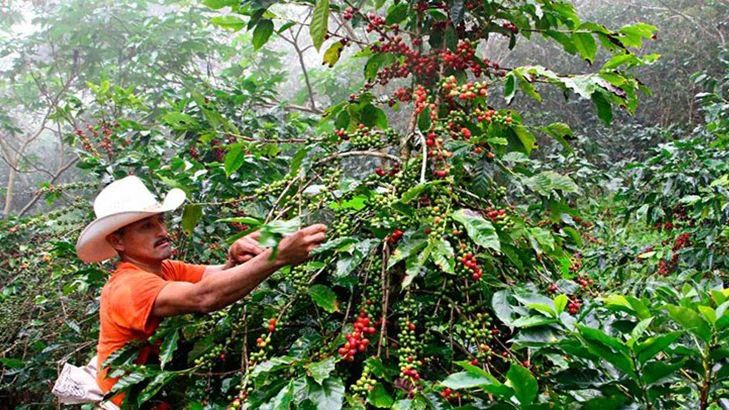
In addition to the six major producing regions, Honduras also has some noteworthy smaller regions, such as the Sweet Orange Estate and Mocha Estate in the Marcala area. The Sweet Orange Estate, located in Macala at 1425 meters, grows the Catuai variety using washed processing, yielding flavors of citrus, cantaloupe, floral notes, and sugarcane, with a tea-like refreshing aftertaste. The Mocha Estate offers two uniquely fermented coffees: Mocha Estate Sherry, made from Caturra, Catuai, and Pacas varieties fermented in whiskey sherry barrels, showcasing complex layers of wine aroma, vanilla cream, and dark cocoa; and Mocha Estate Lychee Orchid, fermented in brandy barrels, featuring gentle fermentation notes, nutty and chocolate aromas, while retaining a juice-like freshness.
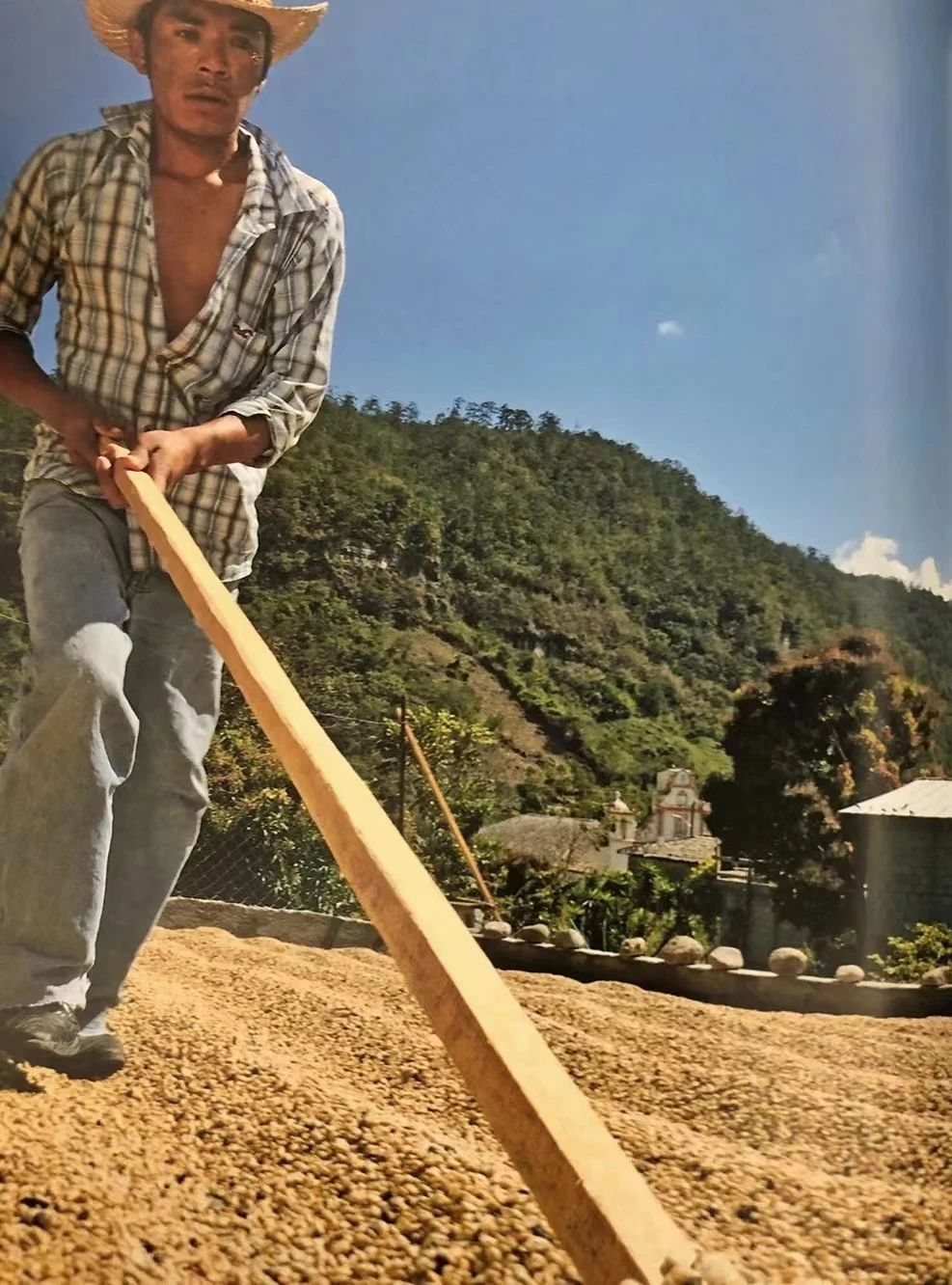
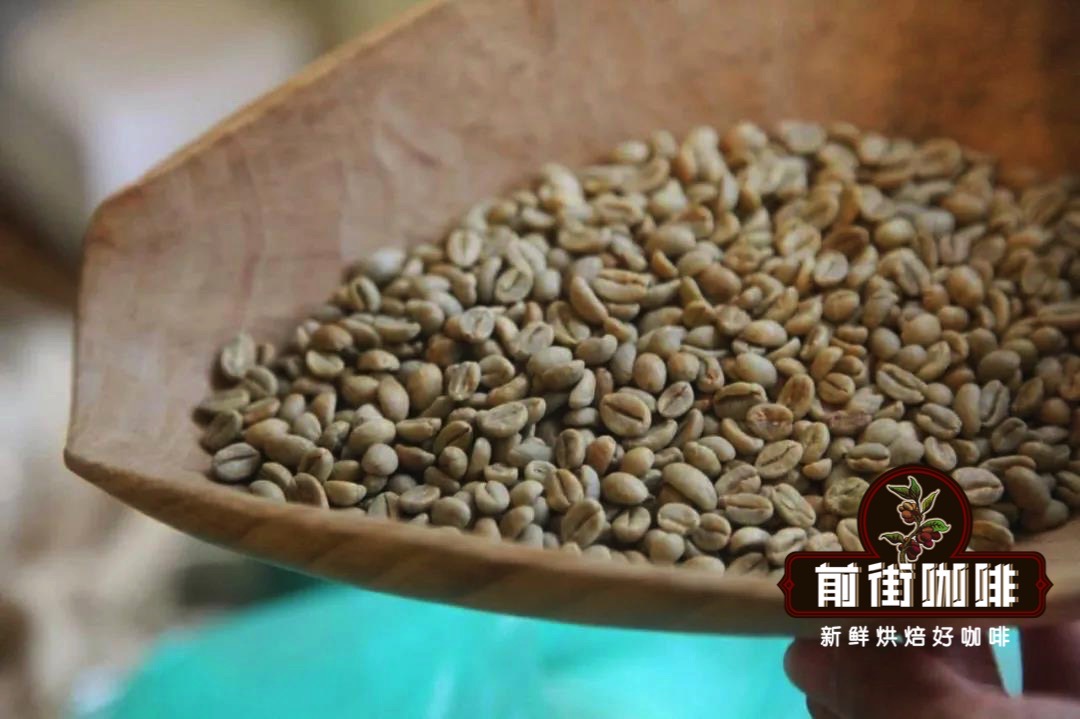
In terms of processing techniques, Honduras primarily uses the washed method: coffee cherries are first soaked to separate floaters, then the pulp and skin are removed. Pectin is dissolved through water fermentation, followed by washing and drying to achieve a moisture content of around 12%. This method highlights the coffee’s cleanliness and bright acidity, with different flavor dimensions revealed depending on roast levels. Medium roasts best showcase sweetness and fruity notes, while dark roasts enhance the balance of bitter-sweetness and a fuller body.
The main coffee varieties grown in Honduras include Bourbon, Typica, Caturra, Catuai, and Pacas. Bourbon is favored in the specialty coffee market for its round bean shape, excellent sweetness, and body; Typica is one of the oldest coffee varieties, known for its elegant flavors but low yield and weak disease resistance; Caturra is a dwarf mutation of Bourbon, with higher yields but still limited disease resistance; Catuai is a hybrid of Caturra and Mundo Novo, with strong resistance to wind and rain; Pacas is a high-yield Bourbon mutation discovered in El Salvador and widely planted across Central America.
In summary, Honduras coffee, with its diverse producing regions, rigorous grading system, and increasingly refined processing techniques, offers a wealth of choices for coffee enthusiasts worldwide. Whether you prefer sun-dried beans with bright fruity notes or balanced, full-bodied washed coffee, you can find astonishing flavor experiences in Honduras.
The above content is compiled by CoffeeHunters, a coffee news website.


