







Introduction:Many coffee enthusiasts notice during pour over brewing that not all coffee beds puff up noticeably during the bloom phase, leading them to wonder if it’s related to the beans’ quality or freshness. In fact, the size of the bloom puff is primarily related to the amount of carbon dioxide released and extraction parameters, rather than directly determining the flavor of the coffee. This article delves into the key factors affecting bloom puff size, including roast level, freshness, water temperature, grind size, and explains why a larger puff doesn’t necessarily mean better flavor—helping you interpret your brew status more scientifically.
During the pour over process, the bloom phase is often a critical moment for observing the coffee bed. Many enthusiasts find that some coffee grounds rapidly puff up into a full bloom, while others only rise slightly or remain almost flat. This leads many to ask: Why doesn’t my coffee bed puff up during bloom? Are the beans not fresh or of lower quality? In reality, whether the coffee bed expands during bloom and the size of the puff reveal important information about the state of the coffee beans and your brewing parameters.
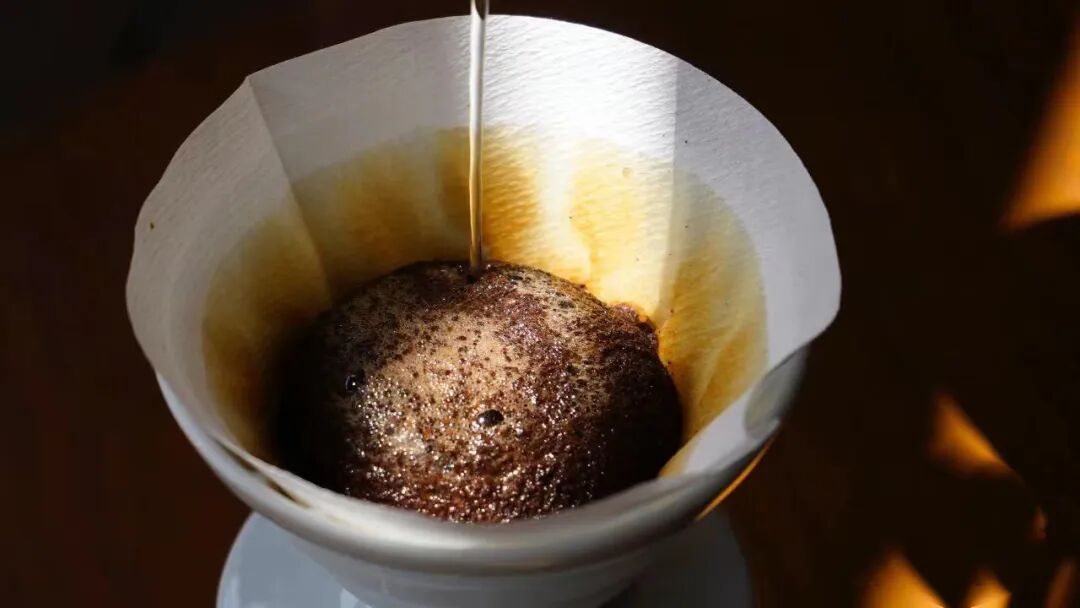
Although the degree of bloom puff does not directly reflect the final flavor performance of the coffee, it can indeed provide some key clues—for example, the roast level of the coffee beans, their freshness, and the brewing parameters you’ve used, such as water temperature and grind fineness. These factors together influence the efficiency of carbon dioxide release during the bloom, thereby determining whether a noticeable puff forms in the coffee bed. Next, we’ll break down these influencing factors one by one.

First, to understand the core reason for the coffee bed puffing during bloom, it’s the large amount of carbon dioxide accumulated by the coffee beans during the roasting process. When green beans undergo high-temperature roasting, internal chemical reactions produce carbon dioxide, which isn’t released immediately after roasting but slowly escapes over time. When hot water contacts the coffee grounds, the rate of CO₂ release significantly increases, and the bloom step is designed to help as much carbon dioxide escape as possible, allowing subsequent hot water to extract flavor compounds more smoothly.
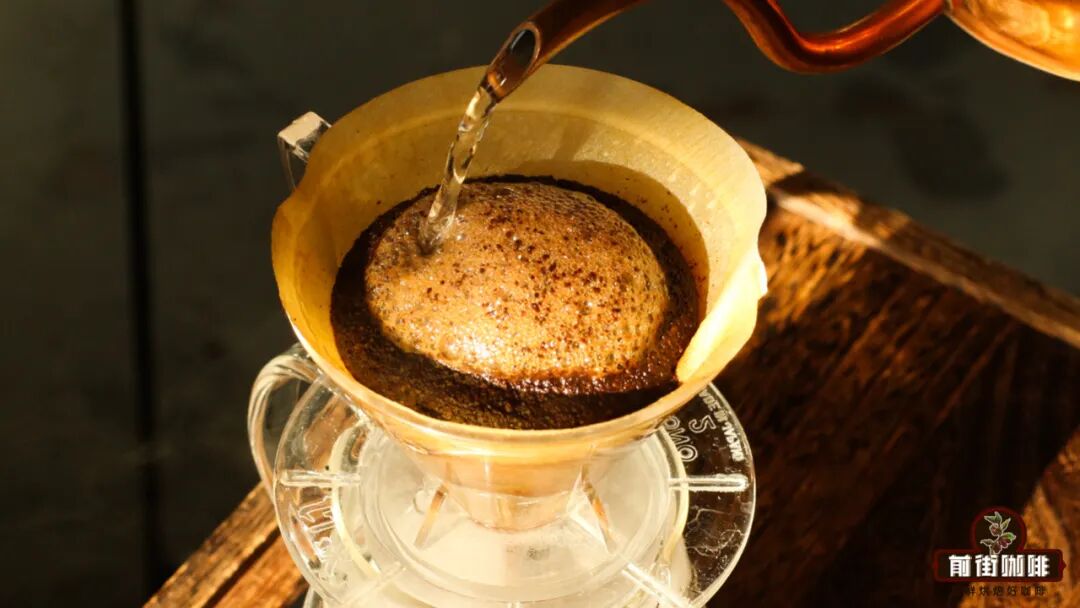
However, as carbon dioxide is being released outward, the surface tension and capillary action between water molecules and coffee particles form a temporary “barrier” that prevents gases from escaping directly. This barrier traps carbon dioxide inside the coffee bed, causing it to accumulate and pressure to build up, which then makes the coffee bed swell like a balloon—creating the puff we see. Therefore, whether the coffee bed puffs up and the size of the puff mainly depend on how much carbon dioxide is contained within the coffee beans.
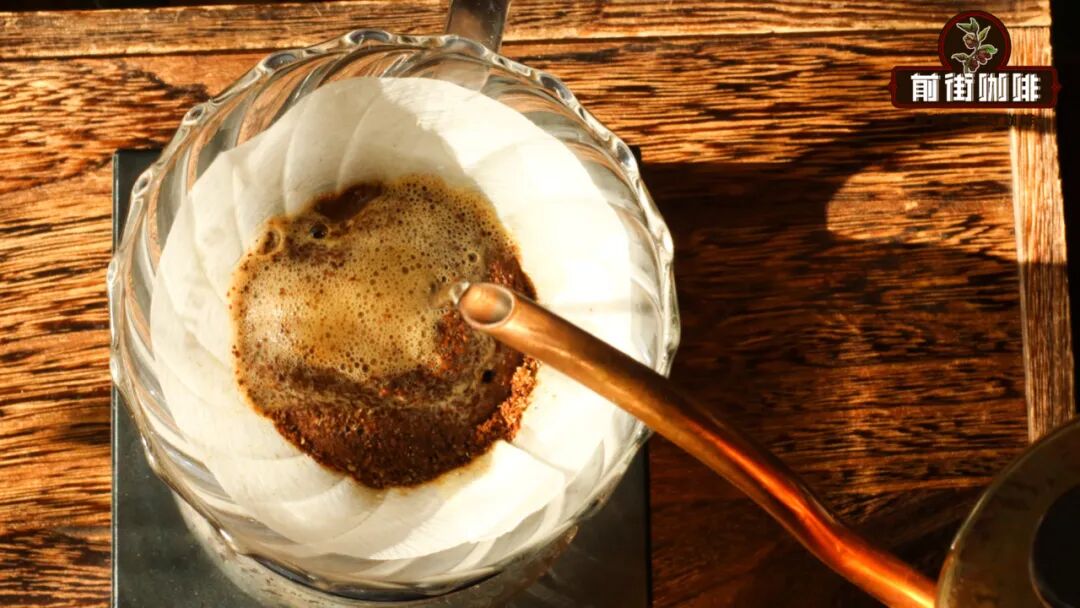
So, what factors affect the carbon dioxide content inside the coffee beans? Primarily, the roast level and freshness. Generally speaking, the darker the roast and the fresher the beans, the more residual carbon dioxide remains inside. Therefore, under consistent brewing conditions, using freshly roasted or darker-roasted coffee beans makes it more likely to see a noticeable bloom puff. But here’s an important caveat—“brewing parameters must remain unchanged.” Because even if the beans themselves have ample carbon dioxide, improper brewing parameters—such as too low a water temperature or too coarse a grind—can also result in an inconspicuous puff.
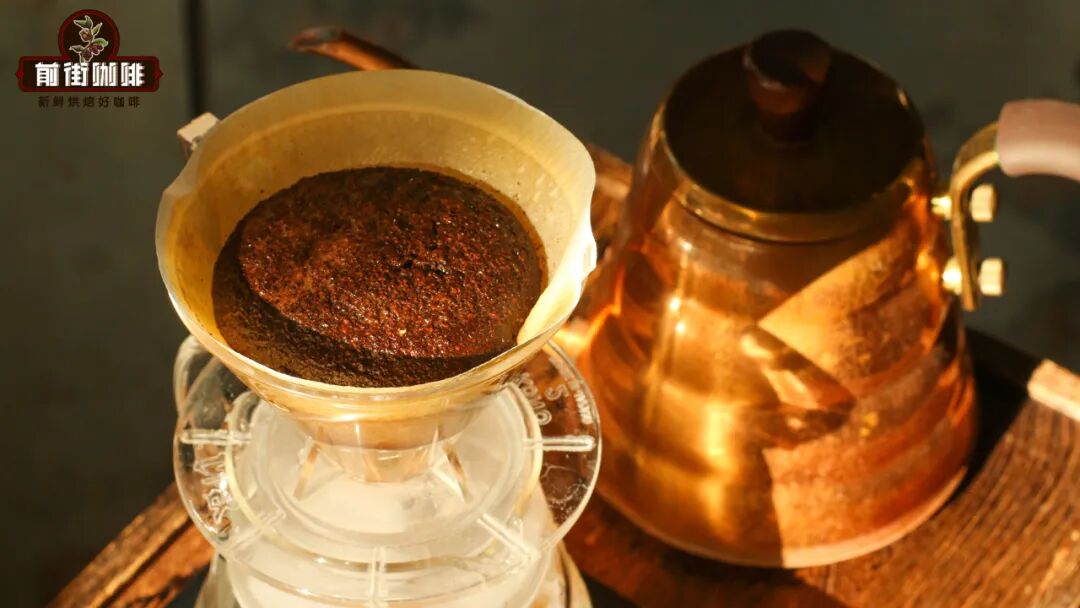
Next, let’s look at another key factor: extraction efficiency. To be precise, it’s the extraction efficiency during the bloom phase. When hot water contacts the coffee grounds, not only is carbon dioxide released, but soluble substances in the coffee also begin to dissolve. If the extraction efficiency during bloom is high, it means carbon dioxide can be released more quickly, while the gas pressure inside the coffee bed rises rapidly, thus forming a more pronounced puff.
Conversely, if the water temperature during bloom is too low or the grind is too coarse, the contact efficiency between water and grounds decreases, slowing down the release of carbon dioxide. Even if the beans are very fresh, the puff may still be unnoticeable. Therefore, during the bloom phase, water temperature and grind fineness are two important parameters that affect the puff size. Typically, higher water temperature and finer grind are more conducive to gas release, resulting in a fuller puff.
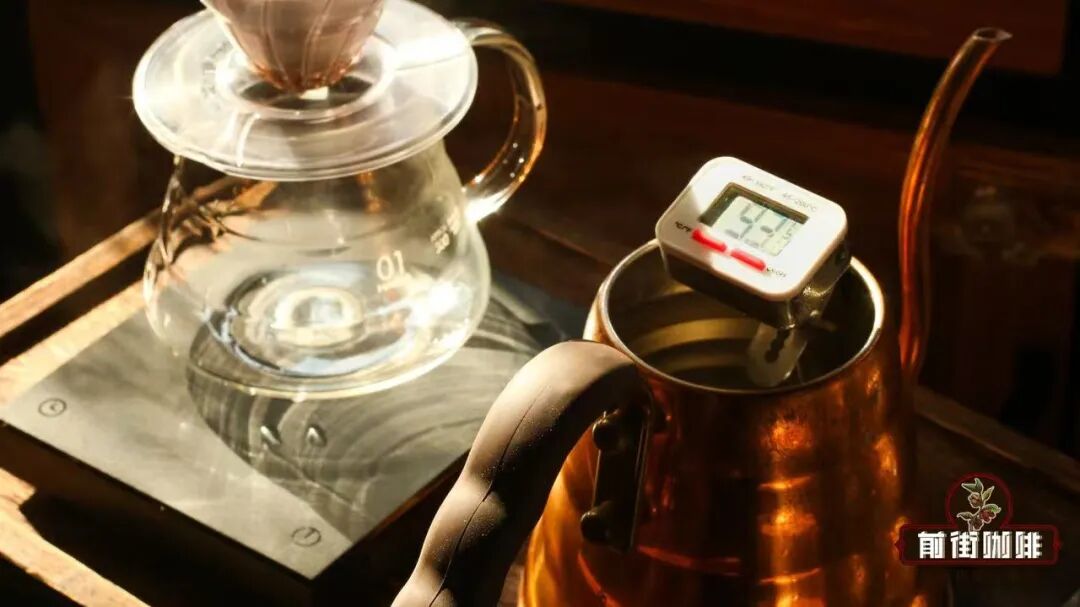
This also explains why some people’s coffee beds never seem to puff up during bloom—it might not be because the beans are stale, but because the brewing parameters affect extraction efficiency. If you often use a lower water temperature (e.g., below 90°C) or a coarser grind, even with freshly roasted dark roast beans, you might still struggle to achieve an ideal puff effect.
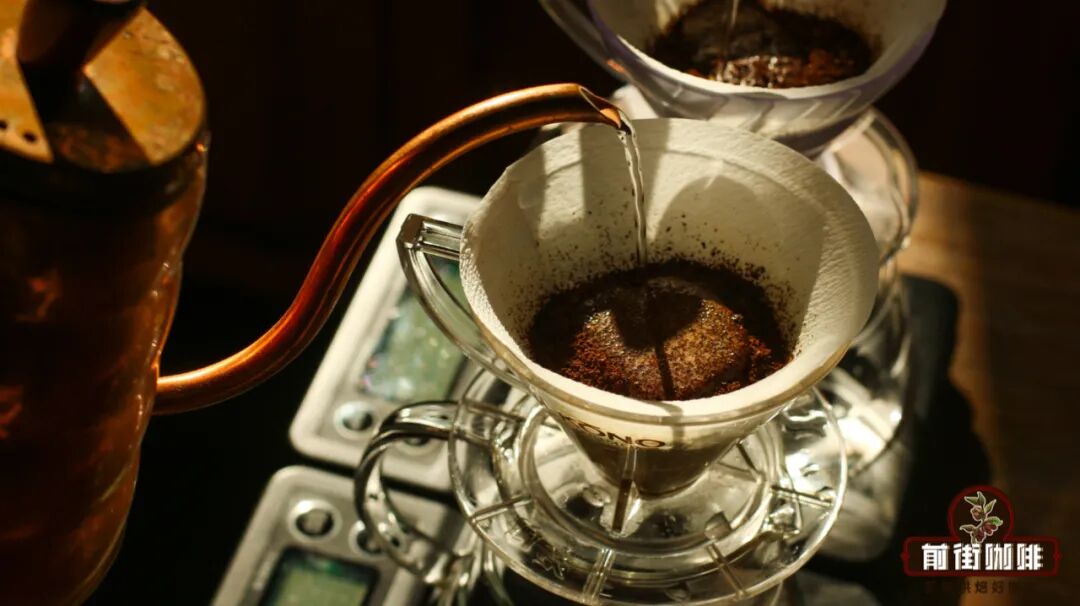
In summary, the main factors affecting the size of the coffee bed puff during pour over bloom are threefold: first, the freshness and roast level of the coffee beans themselves, which determine the initial carbon dioxide content; second, the extraction efficiency during brewing, particularly the water temperature and grind fineness during the bloom phase, which directly affect the rate of carbon dioxide release; and third, the overall brewing parameter setup, which together determine whether the coffee bed can form a noticeable puff.
However, it’s particularly important to emphasize that:The size of the puff is not a direct indicator of coffee flavor quality.For example, one experiment compared the same coffee beans at 2 days and 25 days post-roast. Although the freshly roasted beans (within 2 days) produced a larger bloom puff, their flavor wasn’t necessarily richer; whereas the beans at 25 days, though showing a smaller puff, exhibited more complex layers, including grape, passion fruit, apricot, wine-like notes, even subtle floral hints and rounded fruit wine aromas. This difference is often related to the rate of carbon dioxide release and the uniformity of extraction.
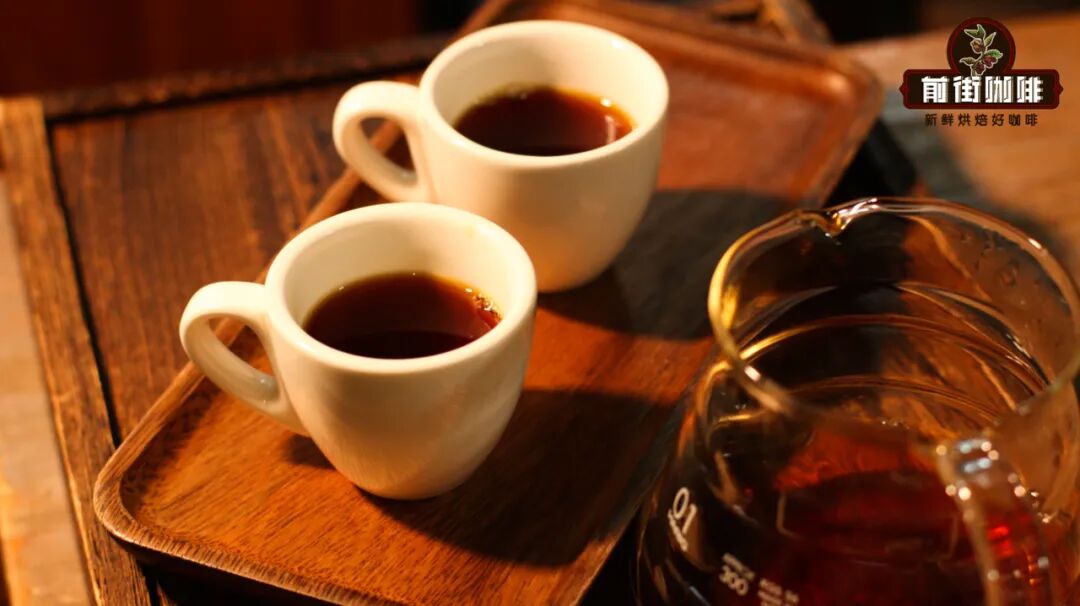
Therefore, the next time you observe a small or minimal bloom puff, don’t immediately assume the beans are stale or your brewing is off. Consider analyzing from multiple angles such as roast date and brewing parameters (like water temperature and grind size), and view the puff as a reference indicator for understanding the bean state and brewing process—not the sole determinant of flavor quality.
The above content is compiled by CoffeeHunters, a coffee news website.


