








Introduction:Worried about flavor loss when drinking iced pour over in summer? Many people habitually brew hot first and then add ice to cool it down, but this method may upset the coffee’s concentration balance and greatly diminish its flavors. This article takes an in-depth look at the downsides of hot brewing with added ice, and provides professional-level parameter adjustments for iced pour over — from grind size and coffee-to-water ratio to the proportion of ice — teaching you how to preserve full flavor using the correct method while still enjoying that cool, refreshing taste.
Many coffee enthusiasts opt for hot pour over when ordering at cafés, because high temperatures can fully bring out the layered flavors of the beans. However, when summer heat arrives, cold drinks become more appealing, and many start to think: “Why not just brew hot coffee first, then add ice to cool it?” Though it may seem like a compromise, this approach actually hides a flavor trap.

A certain coffee brand often receives similar inquiries, with customers hoping to enjoy both a cool sensation and full flavor. While technically possible, we always suggest: “It’s doable, but not recommended.” The reason is that directly adding ice can overly dilute the coffee, not only thinning out the mouthfeel but also making delicate fruit and floral notes appear muted. To truly achieve both goals, the key lies in adjusting your brewing parameters.

Take the Geisha beans from Fenjiefen Estate as an example. Using standard hot pour over parameters — 15 grams of coffee, a 1:15 coffee-to-water ratio, 92°C water temperature, and a fine sugar-like grind (75%-80% passed through a #20 sieve), extracted via a three-stage method over two minutes — this setup achieves a concentration of 1.49% and an extraction yield of 22.08%, yielding balanced flavors of grape, passion fruit, apricot, and floral notes.

When we added 100 grams of ice to this hot coffee to cool it down, the concentration dropped sharply to 1.09%. The originally rich fruit aromas noticeably weakened, the mouthfeel went from full-bodied to thin, leaving only faint hints of grape and passion fruit, with nearly all other details fading away. This is because the large amount of melting ice diluted the coffee, disrupting the delicate balance of the original extraction.
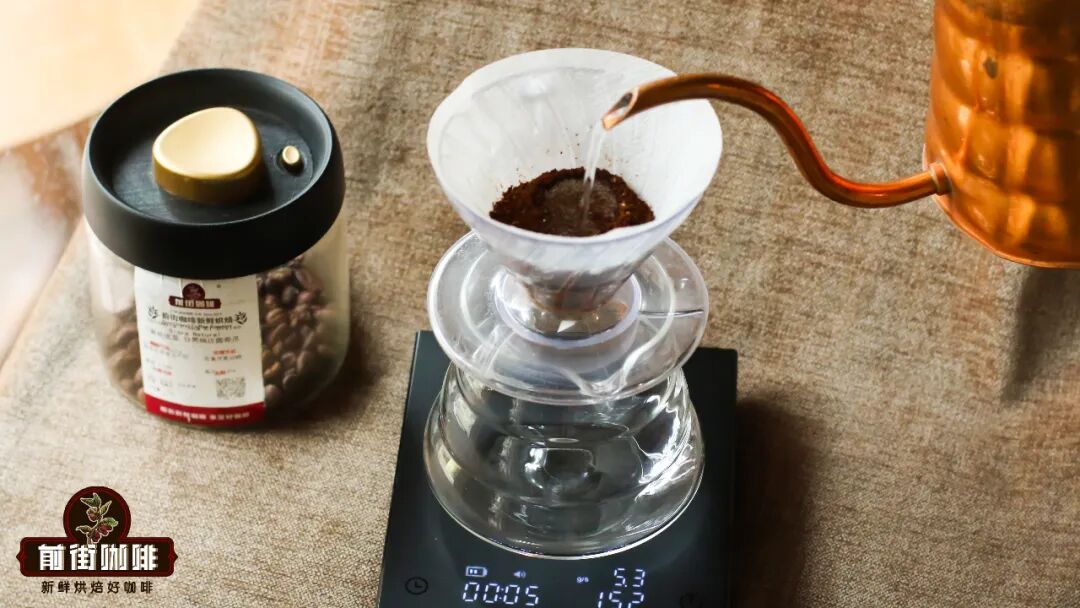
If you’re set on having iced coffee, it’s better to use the iced pour over method directly. Taking the same Geisha beans as an example, you only need to tweak three key parameters: adjust the grind to 80%-85% passed through a #20 sieve, change the coffee-to-water-to-ice ratio to 1:10:6 (coffee : water : ice), while keeping other factors like 15 grams of coffee, 92°C water temperature, three-stage extraction, and 2-minute brew time unchanged.

This adjusted set of parameters brings out a refreshing and full-bodied mouthfeel, with bright and rounded acidity, and the flavors of grape, passion fruit, and apricot become more vibrant. With reduced hot water extraction, bitter and astringent substances are significantly lower, resulting in an overall taste that feels as smooth as juice. For those who prefer a stronger flavor, you can increase the coffee dose to 20 grams and adjust the ratio to 1:8:6 for coffee-to-water-to-ice.
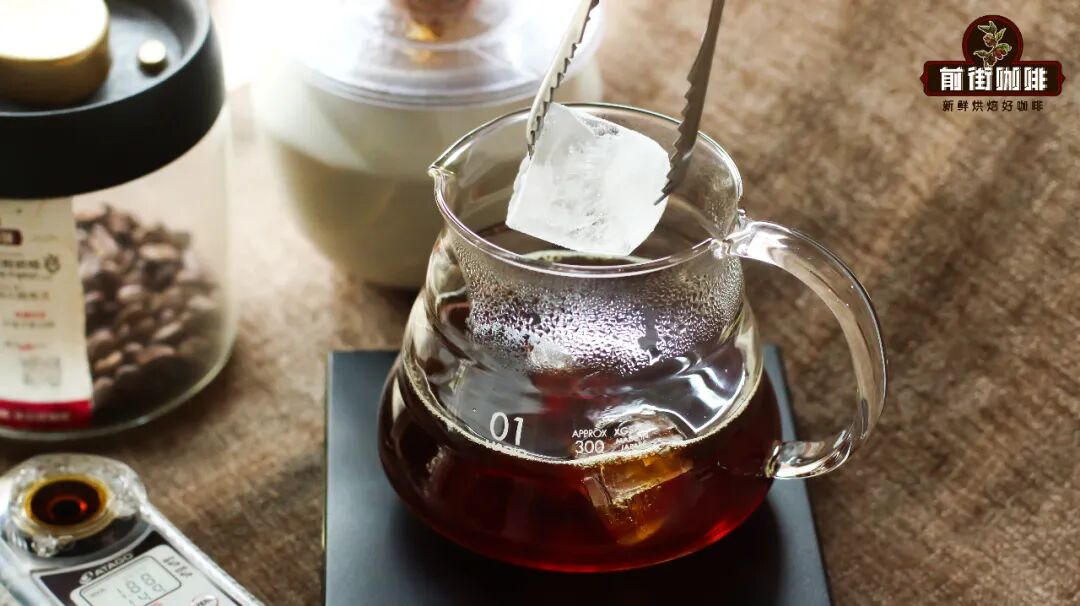
Another advantage of iced pour over is that it highlights the “juiciness” of the coffee. Compared to the layered complexity emphasized in hot pour over, the cooling process makes acidity more pronounced. Coupled with proper grind size and coffee-to-water control, it creates a fresh flavor akin to squeezed fruit juice. This unique experience is something that hot pour over struggles to replicate.

In practice, be sure to use ice made from pure water to avoid any off-flavors. The grind should be slightly coarser than for hot pour over to prevent over-extraction. The “ice” component of the coffee-to-water-to-ice ratio should be pre-placed in the server to ensure a stable cooling curve. Mastering these details allows you to enjoy a perfect pour over in summer that combines deep flavor and a cool, refreshing taste.

Whether you choose hot pour over or iced pour over, understanding the science behind the parameters allows you to adjust to achieve your ideal flavor based on the season and personal preference. Next time you want to sip pour over in the summer heat, try out this proven iced pour over method and experience the diverse charm of coffee at different temperatures.

The above content is compiled by CoffeeHunters, a coffee news website.


