







Introduction:Many people mistakenly assume that Yunnan small-grain coffee refers to Catimor, but in fact, this name originates from the earlier introduction of the Typica variety, which has smaller beans. This article delves into Yunnan coffee’s primary growing environments, core regions such as Baoshan and Lincang, explores the historical background and characteristics of varieties like Catimor, Typica, and Bourbon, and examines how natural and washed processing methods influence flavor — helping you gain a more comprehensive understanding of what makes Yunnan coffee unique.
When it comes to Yunnan coffee, many people’s first reaction is “small-grain coffee,” often directly associating it with the Catimor variety. However, the term “Yunnan small-grain coffee” originally came about because the early-introduced Typica beans were smaller in size. So, is Yunnan small-grain coffee really Catimor? What’s the difference between them? This article will take you through a complete overview of the diverse facets of Yunnan coffee, from regional environments and main varieties to processing methods and actual flavor profiles.
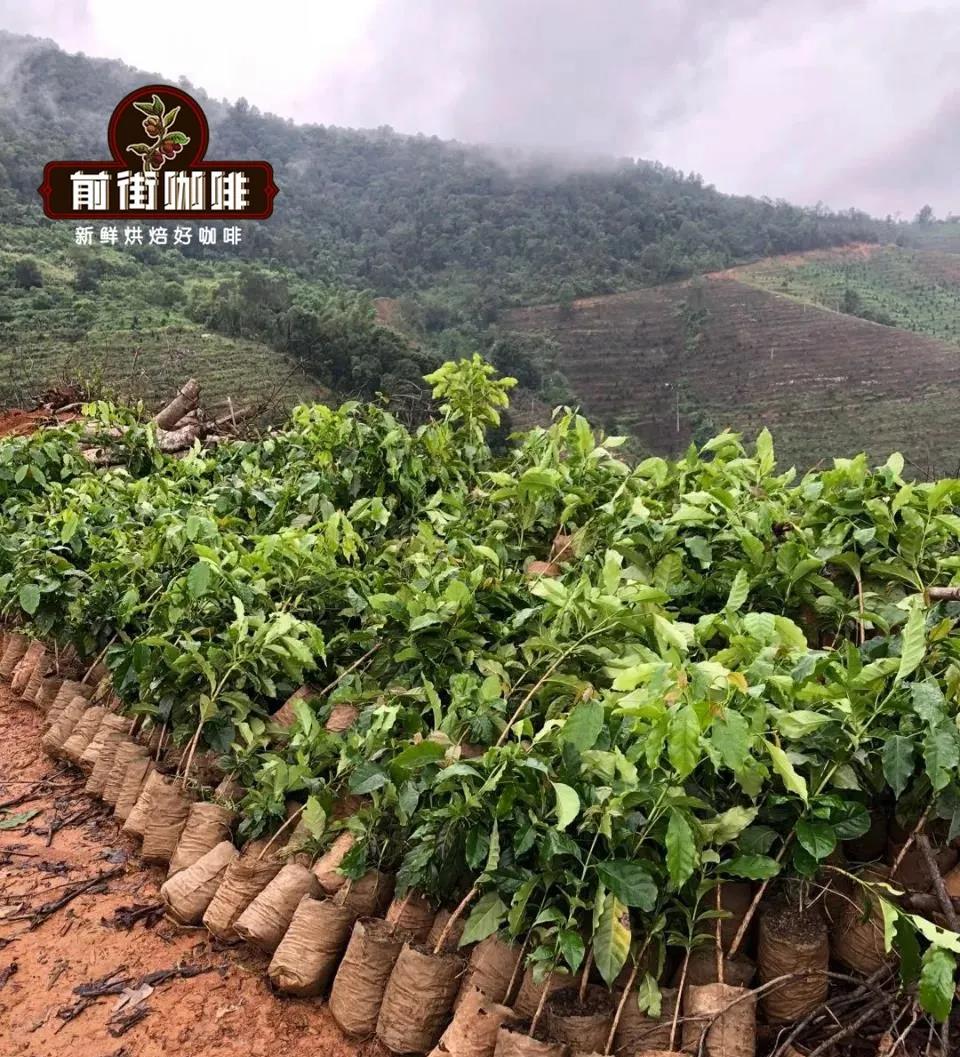
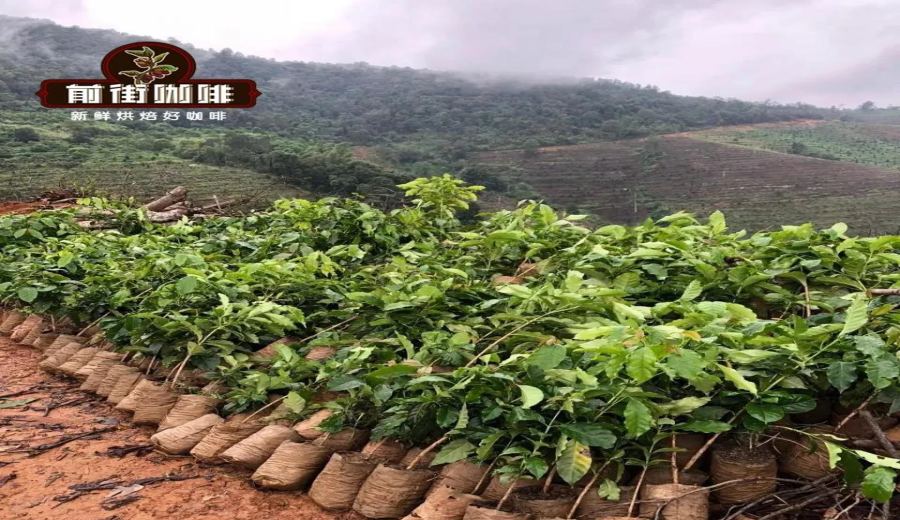
As a traditional tea-drinking nation, China’s coffee culture started relatively late but has developed rapidly. Among its regions, Yunnan is the country’s largest coffee producer, accounting for over 98% of both planting area and production nationwide, and it is also an important part of the global coffee belt. The region boasts uniquely favorable climatic conditions, making it highly suitable for coffee cultivation.
Located in southwestern China, Yunnan is crossed by the Tropic of Cancer in the south, and its terrain is primarily plateau and mountainous, with elevations mostly ranging between 1,000 and 3,500 meters. It features a subtropical highland monsoon climate. With large diurnal temperature variations, abundant rainfall, and high-altitude conditions, Yunnan provides ideal growing conditions for coffee, giving the coffee cherries produced here excellent potential from the start.
Currently, Yunnan’s coffee plantations are mainly concentrated in Pu’er, Baoshan, Dehong, and Lincang. Among these, Baoshan began cultivating coffee as early as the mid-1950s. It is said that the first batch of coffee seedlings was introduced by patriotic overseas Chinese Liang Jinshan from Southeast Asia. As early as the late 1950s, Baoshan coffee won a first-class evaluation at a tasting event in London, UK, demonstrating its exceptional quality foundation. In 2010, Baoshan coffee was even certified as a China National Geographical Indication Product, becoming a symbol of quality.
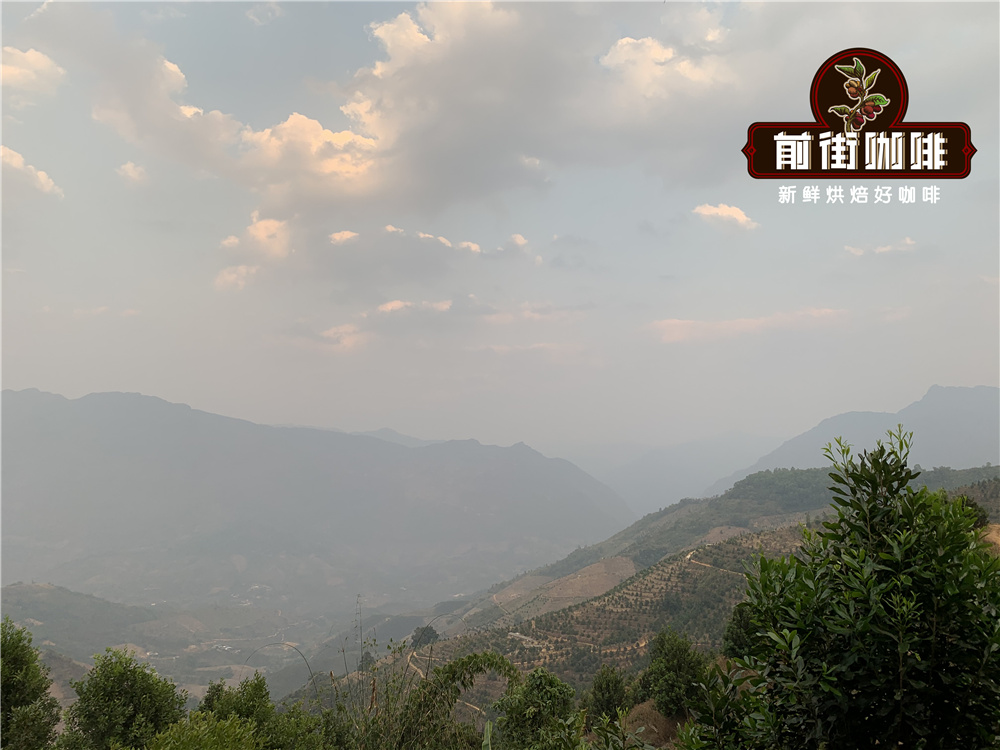
Lincang is located around 23 degrees north latitude, with elevations ranging from 1,230 to 1,540 meters. The terrain is mostly sloped, the soil is fertile, sunlight is abundant, and there is a significant day-night temperature variation, all of which contribute to the region’s coffee having distinct fruity acidity and herbal aroma characteristics. A well-known coffee brand has a plantation in Lincang where the Typica variety is grown, showcasing lively acidity and a rich mouthfeel.
When it comes to varieties, the coffee varieties currently planted in Yunnan include Catimor, Typica, Bourbon, Caturra, and Catuai, but the most common one on the market is still Catimor. This variety was developed in 1959 by Portugal’s CIFC research center and is a hybrid of the Timor variety (which has Robusta genes) and Caturra (a Bourbon mutation). Due to its strong resistance to leaf rust and high yield, it has become the preferred choice for many coffee farmers, making it the most widely planted variety in Yunnan.
However, Catimor, which contains about 25% Robusta lineage, often exhibits heavier bitterness, astringency, and occasionally earthy or moldy notes in flavor, while also lacking in aromatic complexity. But with advancements in cultivation techniques and post-harvest processing, the flavor profile of Catimor in many regions has improved significantly, with some products even displaying pine-like notes reminiscent of Mandheling.
In contrast, Typica is a purer Arabica variety with smaller beans, which is why it was referred to as “small-grain coffee” in the early days. Although its yield is not as high as Catimor’s, its aroma and taste layers are more delicate. A well-known coffee brand grows Typica in its plantations in both Baoshan and Lincang, processing it using the traditional natural method, which highlights rich fruit aromas and a mellow sweetness.
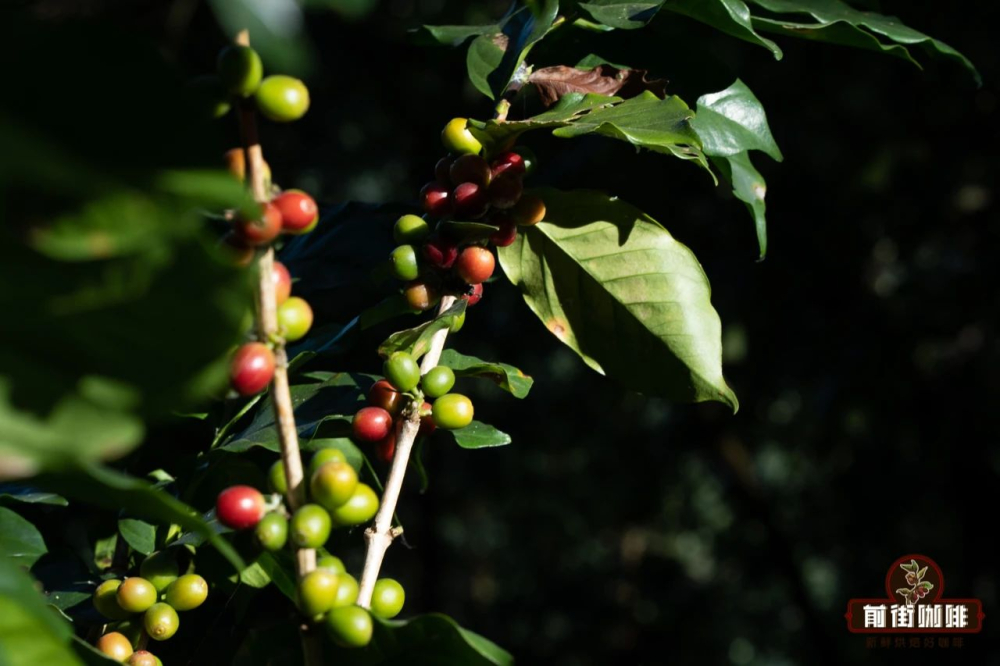
In terms of processing methods, due to Yunnan’s long rainy season and unstable climate, most coffee beans are processed using the washed method to ensure stable fermentation and reduce risks. However, a well-known coffee brand chooses the natural method for its Typica variety, allowing the coffee cherries to dry evenly on racks, fully preserving the pulp’s sugar content, and thus bringing out a richer sweetness and fruitiness. This processing method demands higher standards in weather and technique, but it also allows the coffee to exhibit a unique richness and black tea-like mouthfeel.
In roasting, a well-known coffee brand recommends a medium roast to balance the aroma and sweetness of Typica, while retaining the “strong yet not bitter, fragrant yet not harsh” characteristics of Yunnan small-grain coffee. For brewing, it is recommended to use freshly roasted coffee beans (ideally within 5 days after roasting), paired with a medium-fine grind (such as Hario V60, with a grind size of about 70% passing through a #20 sieve), water temperature controlled at 88°C, and a coffee-to-water ratio of 1:15, to fully showcase its flavor layers.
In summary, Yunnan small-grain coffee does not refer solely to Catimor; it is a comprehensive concept rooted in history and geography. From the early Typica to the now mainstream Catimor, and to the gradually more appreciated natural processing method, Yunnan coffee is gradually finding its own place in the international market. If you want to explore the potential of domestic coffee, why not start by trying a natural Typica from Baoshan or Lincang, and experience its unique berry acidity and mellow brown sugar finish?
The above content is compiled by CoffeeHunters, a coffee news website.


