







Introduction:Have you ever wondered why Italians always stand while drinking coffee but tend to avoid iced Americanos? This article delves into the history of the espresso, tracing its roots from when coffee was first introduced to Italy in the 16th century to the technological advancements of modern coffee machines. It explores the cultural background behind Italians’ preference for dark roasts and quick extractions. We’ll also examine what foreign travelers actually experience when ordering an iced Americano in Italy, offering insight into the unique coffee-drinking habits of this coffee-loving nation.
Walking down the streets of Italy, you might hear a joke like: “Will I get arrested if I order an iced Americano in Italy?” Of course not — but the joke reflects a truth: although Italy is a coffee kingdom, iced Americanos are rarely seen. What is it about this country that makes it so devoted to espresso yet so indifferent to other brewing methods? Let’s uncover the essence of Italian coffee by exploring its history, technology, and culture.
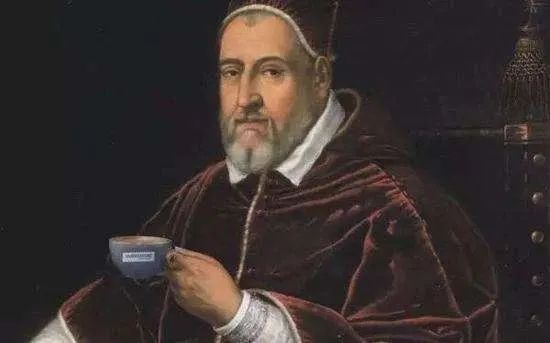
The relationship between Italians and coffee dates back to around 1580. At that time, coffee beans entered Italy through the port of Venice from Africa and the Middle East. However, because coffee originated in the Islamic world, many Christian Italians initially regarded it as the “devil’s drink,” consumed only by the upper class. It wasn’t until the early 17th century that Pope Clement VIII personally tasted and appreciated the beverage, even holding a symbolic “baptism” for it and bestowing upon it the title “drink of God,” that it gradually gained widespread acceptance. In 1645, Europe’s first coffeehouse — and Italy’s earliest specialized coffee shop — was established in Rome, marking the rapid establishment of coffee culture in the country.
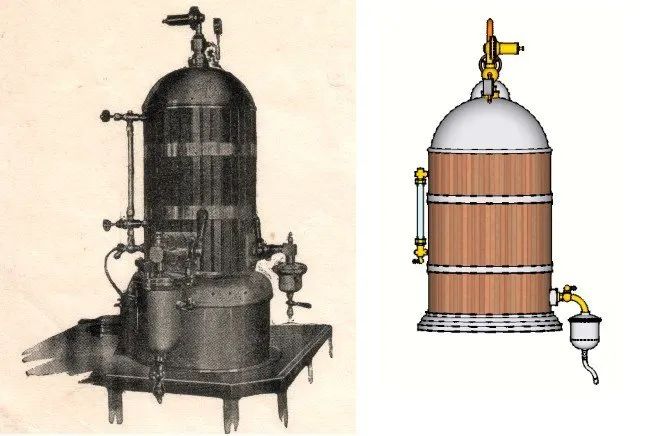
Italy’s influence on coffee extends beyond taste preferences and is also reflected in innovations in coffee equipment. Early coffee preparation relied on the Turkish ibrik, but with the rise of the Industrial Revolution, Italians began to pursue efficiency. In 1884, Angelo Moriondo of Turin obtained the patent for the first steam-powered coffee machine. However, due to poor temperature control in the early models, the coffee often turned out overly bitter. Nevertheless, this machine laid the foundation for future improvements.

By the late 19th century, Milanese engineer Luigi Bezzera made significant modifications to the existing technology, creating the prototype of the first high-pressure extraction coffee machine. This device featured a detachable handle and interchangeable brewing heads, allowing for quick extraction under high pressure in a short period of time. By around 1920, the term “espresso” was officially included in the Italian dictionary, defined as a concentrated coffee made via pressurized brewing.
As coffee machine technology continued to advance, Italians’ appreciation for coffee also became more refined. For example, in 1938, Milan engineer Achille Gaggia introduced a lever system in coffee machines, increasing water pressure from 1.5 bar to 9 bar. This innovation not only created the golden crema on the surface of the coffee but also stabilized the extraction process, resulting in more consistent and intense flavors in every cup.
It is these technological innovations that have made espresso an indispensable part of daily life for Italians. Unlike the coffee cultures in many other countries that favor slow sipping and emphasize layered flavors, Italians value speed and efficiency in their coffee experience. When you walk into an Italian café, you’ll notice that people typically order a single (solo) shot of espresso — usually dark roasted, characterized by a strong bitterness and rich mouthfeel, sometimes even blended with Robusta beans to enhance crema richness.
Most Italians, when enjoying their espresso, will simply stir in a bit of white sugar, then drink it all in one go — the whole process often taking less than a minute. A single espresso usually costs just 1 euro (approximately 35 New Taiwan Dollars), making it the most affordable and widely accessible beverage. For Italians, only espresso can be considered “real coffee.” They prioritize the coffee’s rich body and bold flavor over the light roasts or single-origin profiles favored in the specialty coffee scene.
Interestingly, Italians generally believe that coffee aids digestion rather than serves as a pick-me-up, which is why having an espresso after a meal has almost become a dining ritual. As a result, when foreign tourists walk into an Italian café and order an iced Americano, they often encounter puzzled or even shocked looks. Although some cafés now offer iced Americanos to cater to tourists, many traditional shops respond with confusion or reluctance — sometimes even serving you just an espresso with ice and water added.
A humorous video once circulated online: an Italian ordered what looked like a normal espresso, only for the server to secretly dilute it with a lot of water. When the drink was served, the Italian customer’s reaction was classic: “Is this coffee? Or…?” While it’s just a comedic sketch, it does reflect Italians’ insistence on the purity of coffee. To them, espresso is not just a beverage, but a cultural symbol representing efficiency, tradition, and the rhythm of life.
The above content is compiled by CoffeeHunters, a coffee news website.


