








Introduction:Want to quickly make a milk coffee with drip bags but wonder if brewing directly with milk is actually possible? This article tests the effectiveness of extracting drip bags directly with milk, analyzes issues such as low extraction efficiency and fine coffee grounds clogging the filter bag, and provides three more practical methods—including hot water brewing followed by adding milk and cold brew overnight—to help you balance convenience and flavor performance.
Brewing drip coffee directly with milk may sound like a time-saving method, but in practice, you might encounter quite a few issues. Through actual testing, this article delves into the feasibility of this method, documenting the full brewing process and final flavor profile, while analyzing real challenges such as insufficient milk extraction capability and fine grounds easily blocking the filter bag. Additionally, it introduces two other more convenient methods for making milk drip coffee: first extracting with hot water and then adding fresh milk, or using a cold brew overnight method. These options allow coffee lovers to strike a balance between rich taste and ease of preparation.

Previously, a reader asked whether it’s feasible to brew drip coffee directly with milk after purchasing a large quantity during a promotion and wanting to try different brewing methods. Having never tried this approach before and not wanting to waste high-quality beans, they sought verification. In response to this inquiry about exploring new brewing methods, we decided to conduct our own test. Let’s take a look at how brewing drip coffee directly with milk actually turns out.
Can brewing drip coffee directly with milk really work?
This isn’t our first time conducting extraction tests with milk. As early as last year, we published an article discussing “whether it’s feasible to extract coffee with milk using the pour over method,” which clearly pointed out that due to the complex composition of milk, its extraction capability is significantly inferior to that of plain hot water. Moreover, heating milk to boiling point can easily damage its proteins and lactose, not only reducing extraction efficiency but also potentially compromising the final flavor. Therefore, simply applying standard pour over parameters and techniques but using only milk to brew drip coffee is actually not viable.
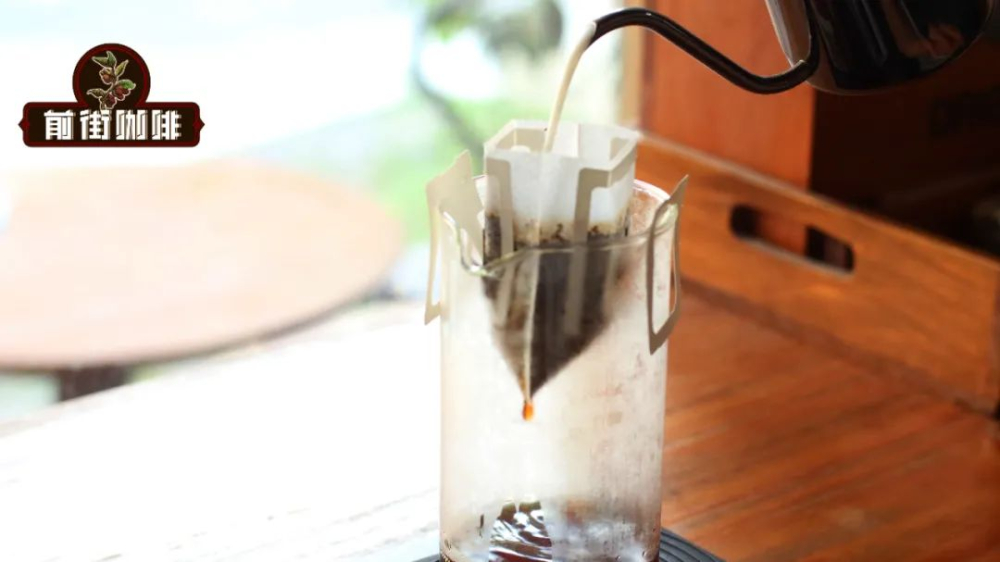
To address the issue of insufficient milk extraction capability, our solution is: first perform a blooming step with hot water to allow the coffee grounds to fully absorb moisture, aiding the subsequent release of flavor compounds; then heat the milk to around 75°C and inject it into the filter bag in two stages.
To avoid overly sharp acidity or a thin mouthfeel in the final cup, it’s recommended to choose medium-dark or dark roasted drip coffee. If you prefer a rich and bold flavor, consider options like Golden Mandheling, PWN series, or coffees with pronounced caramel notes—these often pair more harmoniously with hot milk.
Conversely, if you’re more sensitive to bitterness, you can opt for drip coffee with fermented and fruity acidity characteristics, such as those with hints of candied fruit, fruitiness, and light wine notes. These types of coffee can also deliver a pleasant drinking experience when mixed with milk.
Practical Operation: Steps for Brewing Drip Coffee with Milk
Prepare a tall glass and a fresh pack of drip coffee (this test uses a strawberry candy flavor as an example). After opening the package, hang the drip bag over the edge of the cup (this test also includes timing and weighing for more precise data tracking).

First Stage Water Injection: Use 90–93°C hot water to pour into the drip bag until it’s about half full (approximately 25g of water; boil the water, then turn off the heat and let it sit for about 1 minute to cool to the target temperature). It’s recommended to use a fine stream for pouring; if using a gooseneck kettle, gently circling the pour can help evenly saturate the coffee grounds.
After waiting for all the coffee liquid to drip through, move on to the second stage: switch to 75°C hot milk (temperature should be around the point where your hand can’t comfortably hold it for long), and pour the milk into the coffee grounds layer in the filter bag until it’s about 90% full. When the coffee liquid is about to finish dripping, you can add more milk to reach 90% fullness again. The total amount of hot water and milk is recommended to be controlled at around 150g.
Visually, this cup of coffee has a relatively strong milk tea hue. In terms of the coffee itself, its intensity and aroma performance are decent. When sipped directly, you can perceive flavor layers of strawberry jam, raisins, and creaminess. Whether served hot or over ice, the mouthfeel is quite good.
However, because the fine coffee grounds quickly expand and clog the filter bag pores upon contact with milk, the flow rate during the second stage extraction slows down noticeably, resulting in a total dripping time of up to 11 minutes.
Adding the time for preparing materials and subsequent cleaning, the entire process takes about 20 minutes to complete one cup of milk coffee. Clearly, this direct milk-brewing method is far from the convenience that drip coffee is known for. Therefore, if you want to quickly make a milk coffee, we do not recommend this direct milk injection brewing method.
What are some more practical ways to use drip coffee with milk?
In the domestic coffee market, various practical ways to pair drip coffee with milk have emerged. In addition to directly brewing with milk, the following two methods are also simple and can effectively enhance flavor performance.
One common method is: first extract a shot of concentrated black coffee with hot water, then add fresh milk according to your preferred ratio to make a milk coffee. For specific operation steps, you can refer to the article “How to Make a Latte with Drip Coffee Bags,” which won’t be repeated here.
Another method is especially suitable for those who enjoy iced milk coffee. The steps are extremely simple. Just prepare a drip coffee bag, a bottle of fresh milk (it’s recommended to use fresh milk for better flavor), and a refrigerator to easily achieve “overnight latte” freedom.
The specific method is: take out the drip coffee bag, do not open the outer packaging, simply peel off the cardboard shell, place the exposed filter bag into the milk bottle, tightly close the cap, and shake it vigorously up and down to allow the milk to fully saturate the coffee grounds. Since this is a cold extraction, it’s recommended to control the coffee-to-milk ratio between 1:12 and 1:15—for example, using a 10g drip coffee bag with about 150ml of fresh milk.
Place the milk bottle with the immersed drip bag in the refrigerator for at least 8 to 12 hours. The next morning, take it out, give it a slight shake, remove the drip bag, and enjoy a richly flavored milk coffee.
The above content is compiled by CoffeeHunters, a coffee news website.


