








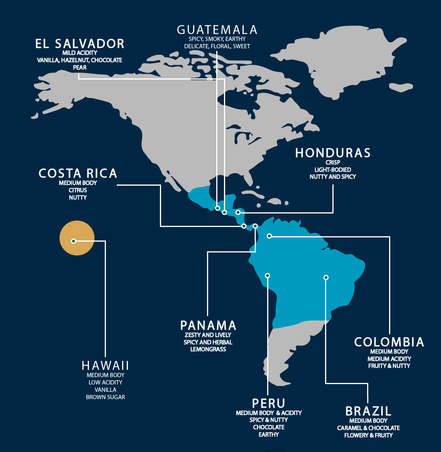
Introduction:Latin America is a major producing region for specialty coffee globally, renowned for its chocolatey and nutty flavor profiles. From Brazil to Costa Rica, each country has its own unique characteristics. This article delves into the coffee flavor traits, processing method evolution, and representative varieties of major producing countries such as Brazil, Colombia, Panama, Costa Rica, Honduras, Jamaican Blue Mountain, and Nicaragua. It also provides practical pour over brewing recommendations and flavor descriptions to help coffee enthusiasts gain a more comprehensive understanding of Latin American coffee and enhance their tasting experience.
Global coffee cultivation is primarily divided into three regions: Africa, Asia-Pacific, and Latin America. Among them, Latin American coffee is known for its balanced and full-bodied taste, especially its dark chocolate and nutty notes, often making it the top choice for pour over lovers. This article takes a practical approach, systematically introducing the characteristics of coffee beans, variety evolution, and processing technology development in the major producing regions of Latin America. It details the flavor profiles, altitude distribution, processing method differences, and representative beans of representative countries such as Brazil, Colombia, Panama, Costa Rica, Honduras, Jamaican Blue Mountain, and Nicaragua. It also provides precise brewing parameters and tasting notes.
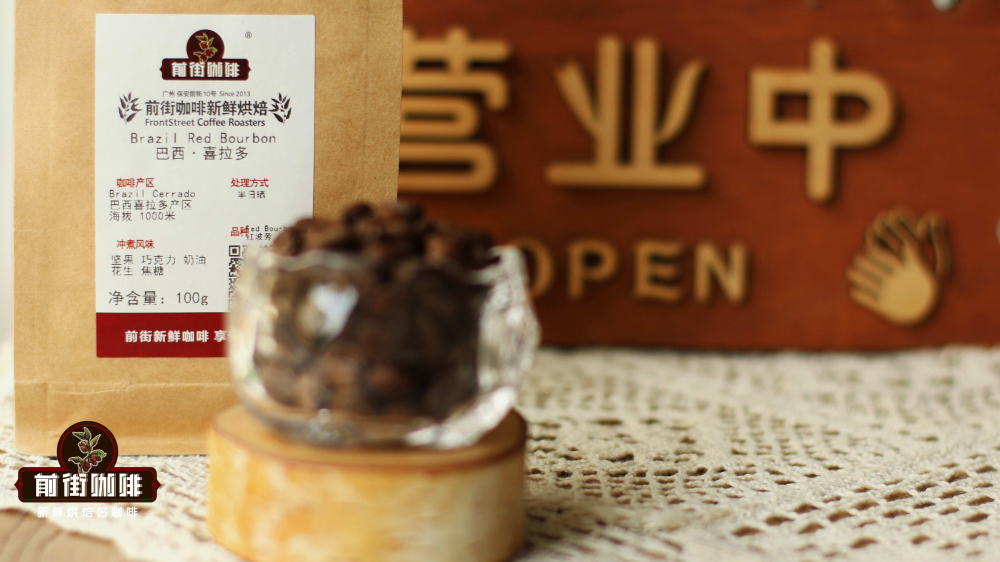
To quickly grasp the flavor profiles of Latin American coffee, you can start with classic everyday coffee bean series, which include popular regional beans such as Huehuetenango from Guatemala, Tarrazú from Costa Rica, Huila from Colombia, and Red Bourbon from Brazil. These are the first steps to understanding Latin American coffee.
Latin America generally refers to the Americas south of the United States, including Mexico, Central America, the Caribbean region, and South America. This area features high altitudes and a cool climate, making it one of the most suitable environments for growing Arabica. Compared to the herbal notes of Asian-producing regions and the bright fruit acidity of African coffee, Latin American coffee beans typically exhibit rich cocoa and dark chocolate flavors. The widespread use of washed processing results in cleaner beans with clearer layers. Brazil is an exception, often using pulped natural processing to enhance sweetness and body.
The history of Latin American coffee dates back to the 18th century, developing alongside the colonial expansion of Spain and Portugal. Compared to Africa and Asia, Latin American coffee initially focused on yield rather than quality. It wasn’t until the rise of the specialty coffee concept that countries gradually shifted toward more refined cultivation and processing. Today, Latin American coffee is mainly exported to the United States, Europe, and Asia, serving as a stable pillar of the global market. Its full-bodied beans, low defect rate, and stable regional climates make it an ideal choice for many baristas to practice pour over brewing.
The following will analyze the coffee profiles of representative Latin American countries one by one, covering regional distribution, processing technology, variety characteristics, and specific bean recommendations. Practical brewing parameters and flavor records are also provided for readers' reference and application.
1. Brazil: A stable representative of nutty and chocolatey tones
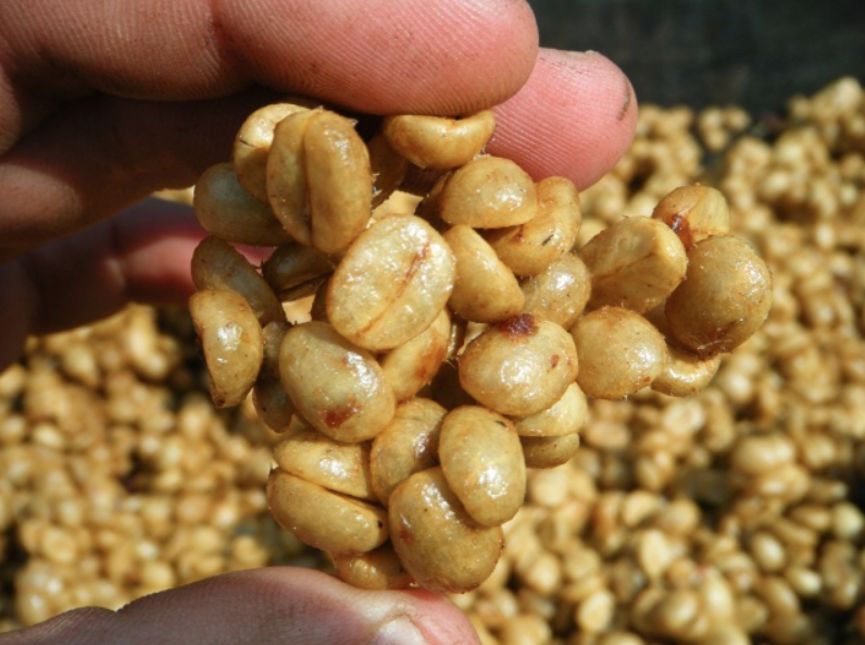
As the world's largest coffee-producing country, Brazil's coffee is characterized by low acidity, full body, and rich nutty and chocolatey flavors, making it suitable for drinkers who prefer a balanced taste. Although previously criticized for lacking detail due to large-scale cultivation and industrialized processing, with the rise of the specialty coffee trend, Brazil has also been committed to improving varieties and optimizing processing techniques.
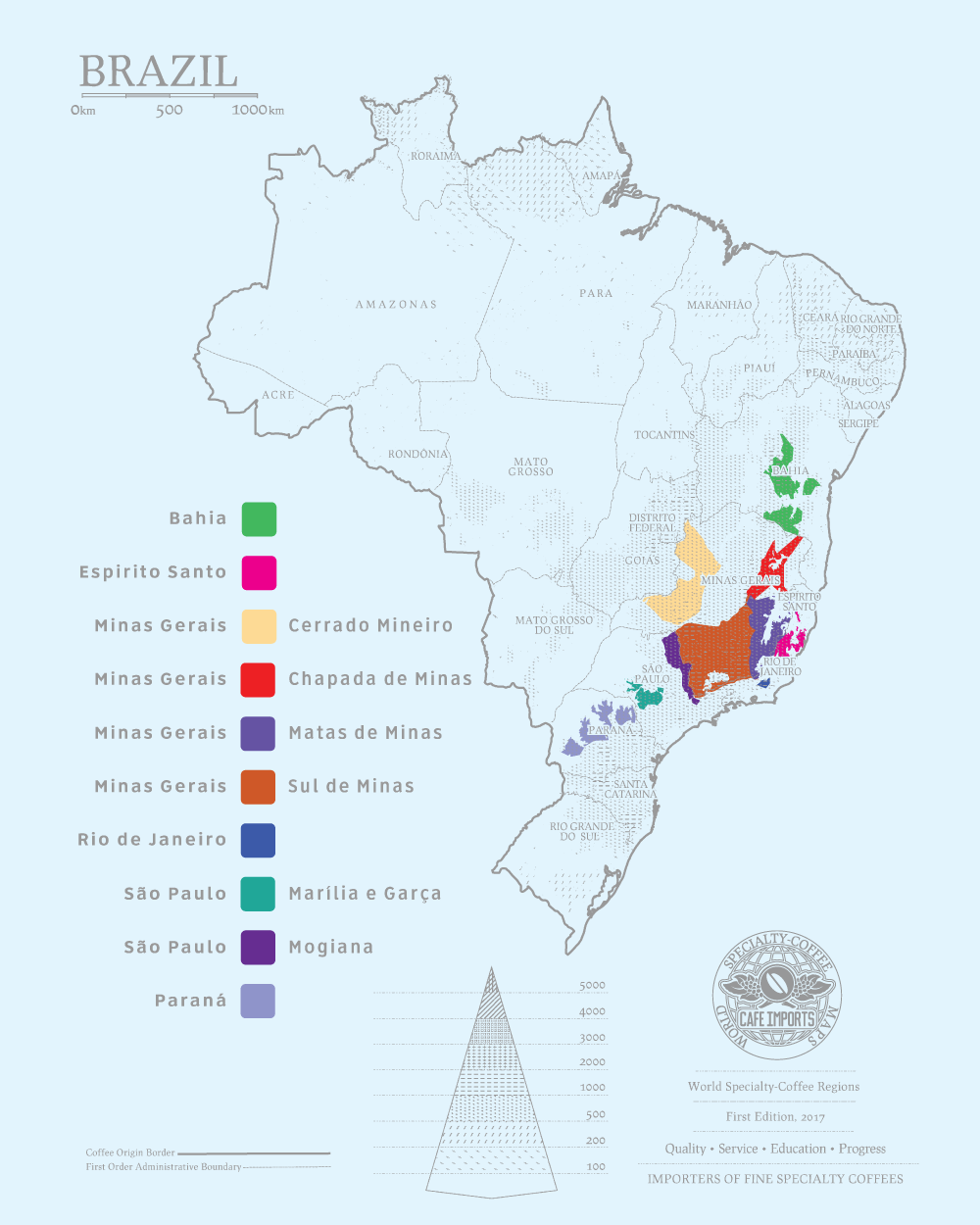
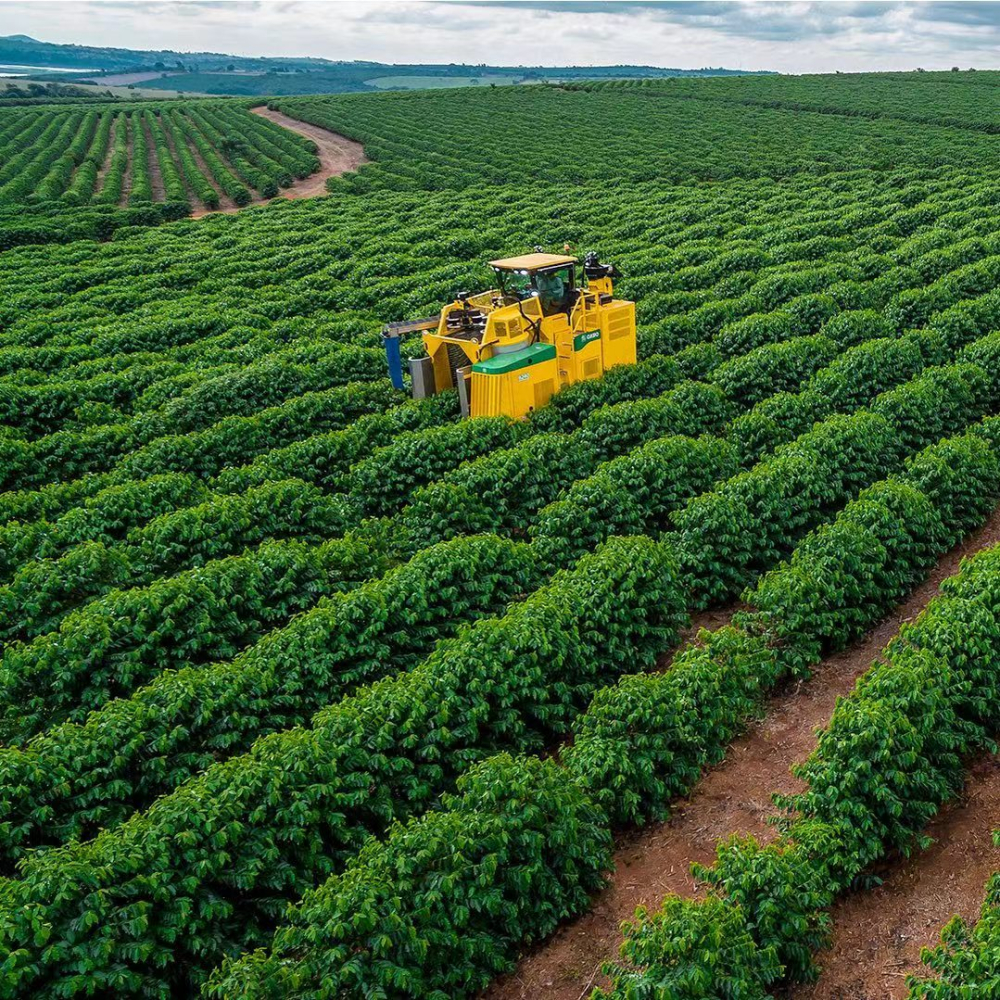
Brazil mostly uses pulped natural and natural processing, with washed processing occasionally seen in high-altitude areas. Due to its drier climate and lack of significant microclimates, Brazilian coffee flavors are generally mild but highly consistent. Major producing regions are concentrated in Minas Gerais, São Paulo, Bahia, and Espírito Santo, which together account for 90% of the country’s exports. Among these, the Cerrado and Sul de Minas regions in Minas Gerais, with their higher altitudes, produce particularly outstanding coffee.
Brazil’s coffee grading system is unique, not emphasizing altitude but instead evaluating based onbean size, defect rate, cupping score, and flavor performance. Common grades such as Strictly Soft (very soft) represent high quality, while NY.2 is a practical grade with the lowest defect rate.
Queen’s Estate Yellow Bourbon Coffee Beans(Region: Mogiana, São Paulo, Altitude: 1400-1950m, Variety: Yellow Bourbon, Processing Method: Natural)
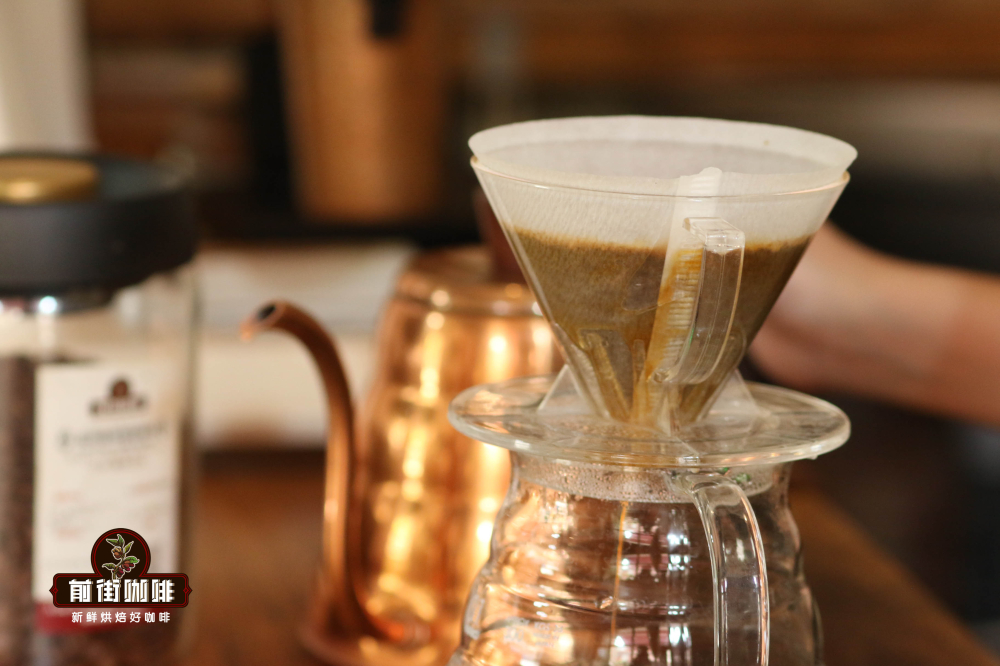
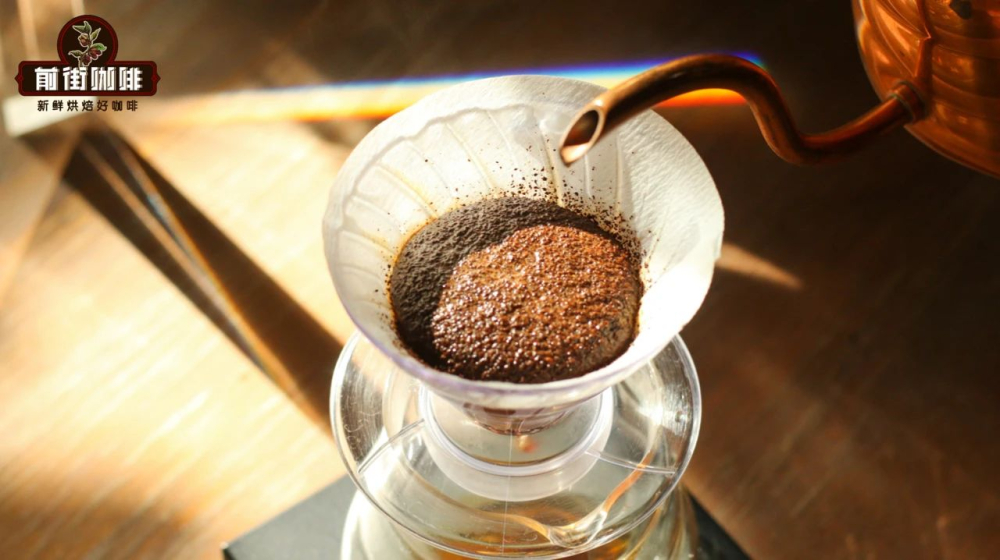
Brewing Recommendation:Use a Kono filter, water temperature 88°C, 15g coffee, 1:15 coffee-to-water ratio, medium-fine grind (70-75% through a #20 sieve). Brew in stages: bloom with 30g water for 30 seconds, pour to 125g then pause briefly, then pour to 225g to finish, total time around 2 minutes.
Flavor Description:Noticeable sweetness, with subtle lemon aroma, prominent nutty tones, and a finish that transitions to dark chocolate. The overall mouthfeel is round and smooth.
2. Colombia: A model of balance and nutty aroma
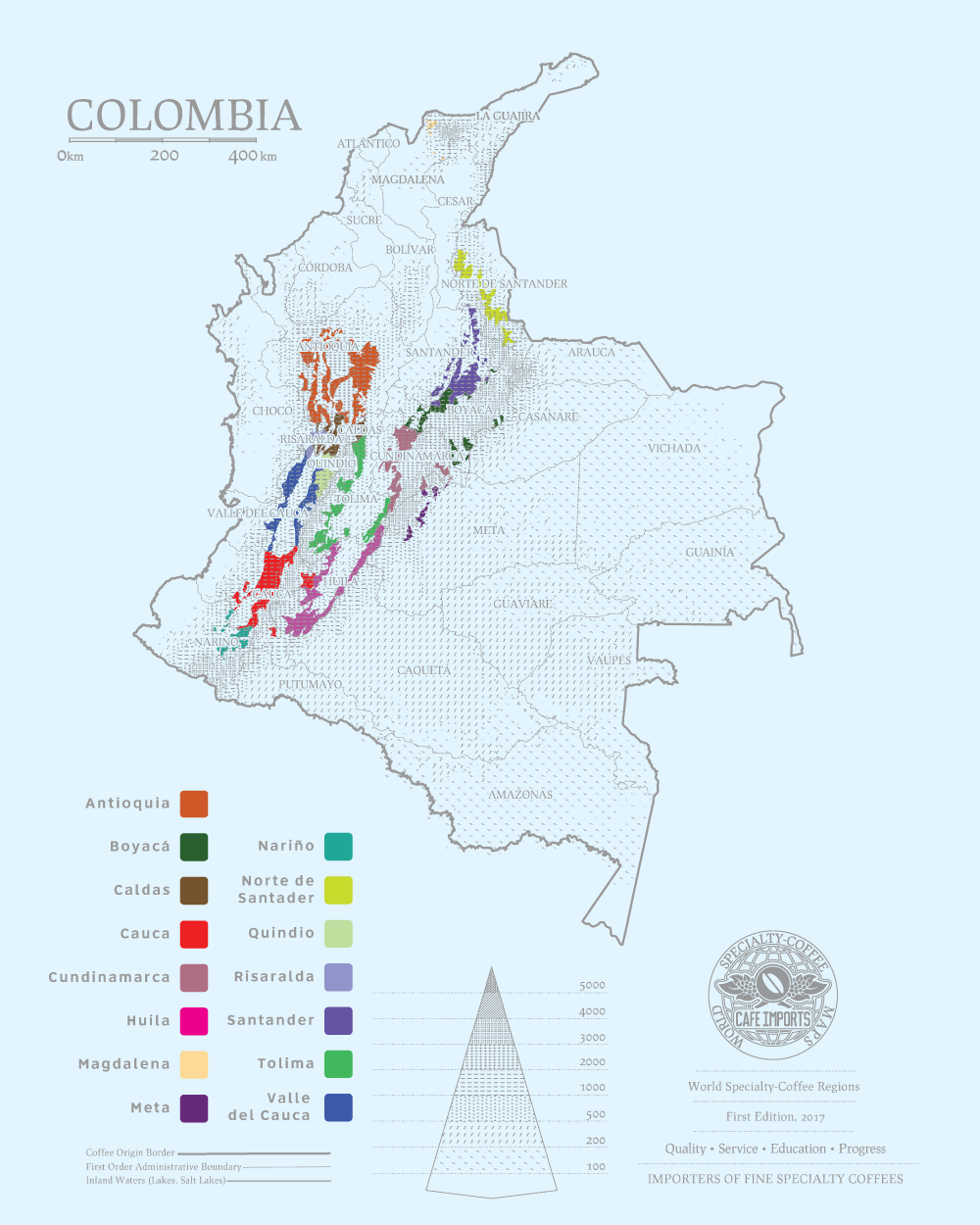
Colombia is the world’s third-largest coffee producer. Its coffee is known for its rich aroma, bright acidity, and balanced nutty and fruity notes. Due to its diverse terrain and abundant microclimates, Colombian coffee can showcase a variety of flavors while maintaining good balance.
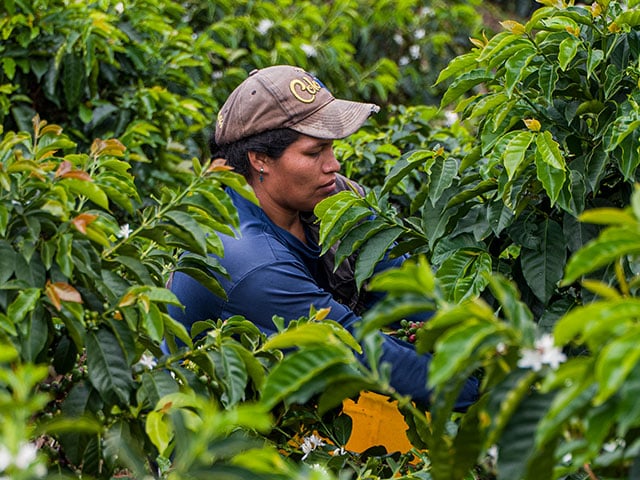
Colombia mainly uses washed processing, often handled by smallholder farmers themselves, resulting in relatively precise quality control. Its beans tend to have more silver skin, contrasting with Brazil. Colombian coffee usually carries a black chocolate, caramel, and creamy finish, making it suitable for coffee enthusiasts who prefer stable performance.
Producing regions are divided into northern, central, southern, and eastern parts. Southern regions such as Huila and Cauca are renowned for specialty coffee, with long harvest seasons and stable quality.
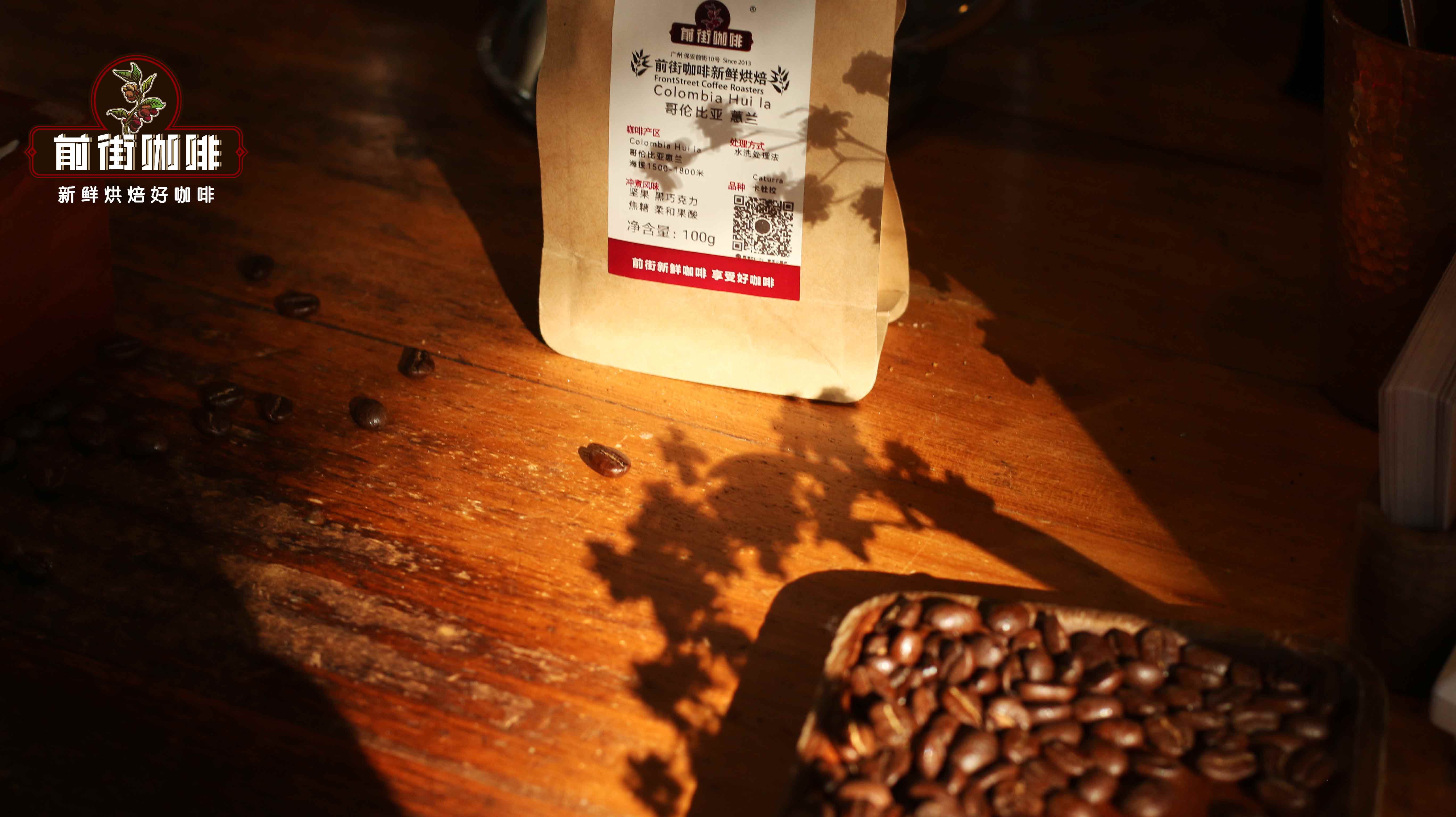
Colombian Sidra Coffee Beans(Region: Huila, Altitude: 1800m, Variety: Sidra, Processing Method: Anaerobic Natural)
Brewing Recommendation:Hario V60 filter, water temperature 90°C, 15g coffee, 1:15 coffee-to-water ratio, medium-fine grind (80% through a #20 sieve). Brew in stages: bloom with 30g water for 30 seconds, pour to 125g then continue to 225g, total brew time around 2 minutes.
Flavor Description:Balanced taste, with floral and strawberry notes, a finish of dark cocoa and creaminess, rich layers with slight fermentation flavors.
3. Panama: The aromatic temple of Geisha
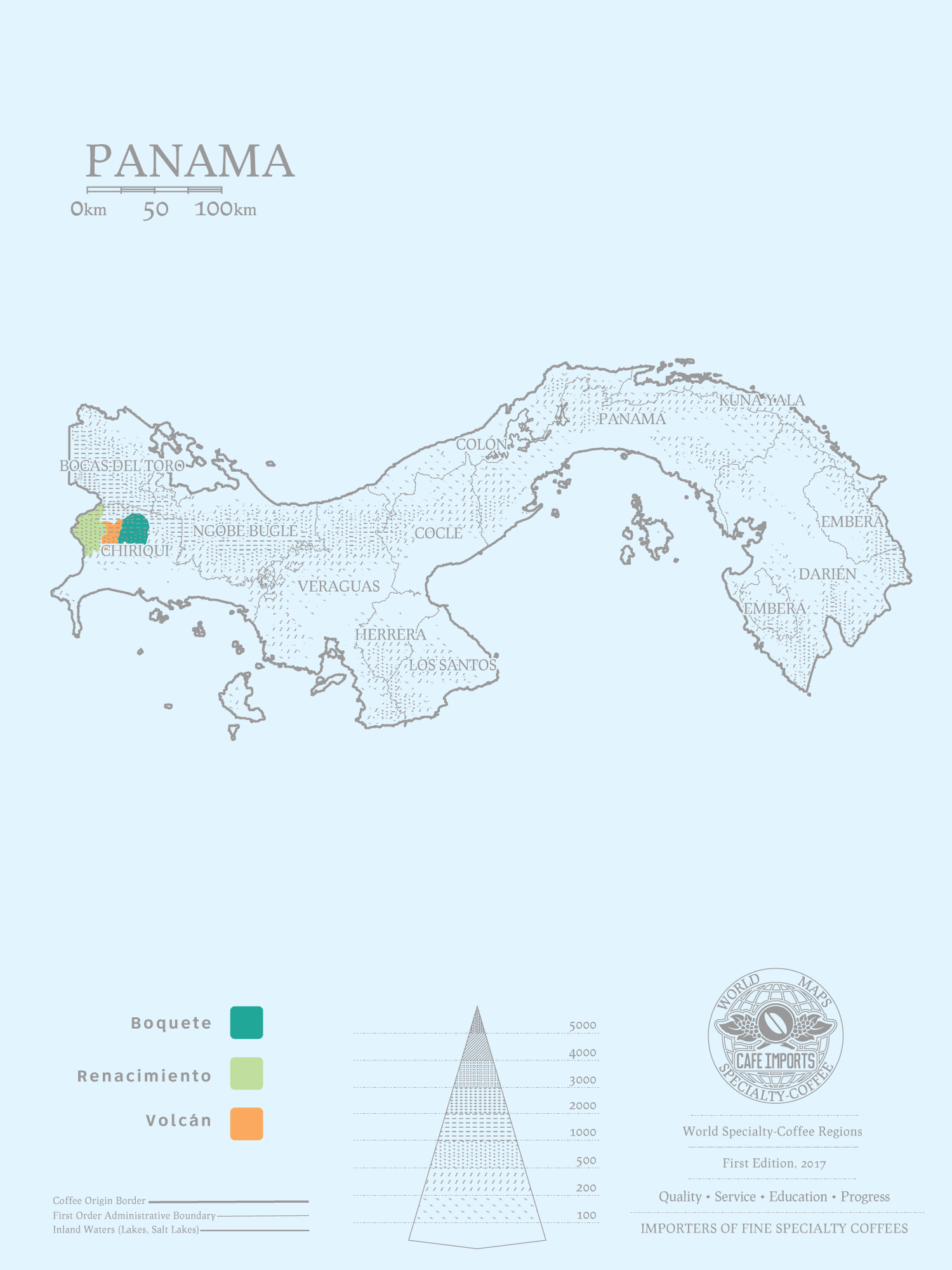
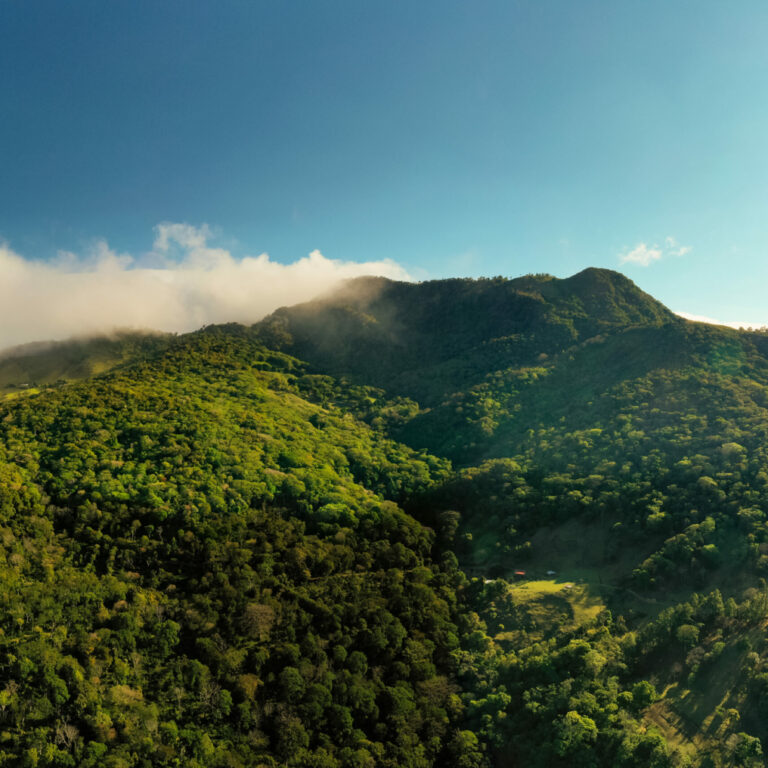
Panama is famous for the Geisha variety, whose coffee exhibits extreme floral notes, bright acidity, and rich layers. Blessed with unique volcanic soil and microclimates, coupled with refined processing techniques, Panama has become an iconic producing region for specialty coffee.
Common Geisha processing methods include washed and natural. The former highlights fresh fruit acidity, while the latter enhances sweetness and body. Hacienda Hartmann is also known for its wine processing method, giving the coffee unique complexity.
Boquete is Panama’s most well-known producing region, with altitudes exceeding 1450 meters, home to most top-tier estates.
Panama Boquete Geisha Coffee Beans(Region: Volcán, Altitude: 1250-1700m, Variety: Geisha, Processing Method: Washed)
Brewing Recommendation:Hario V60, water temperature 90°C, 15g coffee, 1:15 coffee-to-water ratio, medium-fine grind. Brew in stages: bloom with 30g water for 30 seconds, pour to 125g then continue to 225g, total time around 2 minutes.
Flavor Description:Bright and sweet acidity, distinct layers, with red wine, tropical fruit, and honey aftertastes. Caramel and brown sugar aromas emerge as it cools.


The above content is compiled by CoffeeHunters, a coffee news website.


