







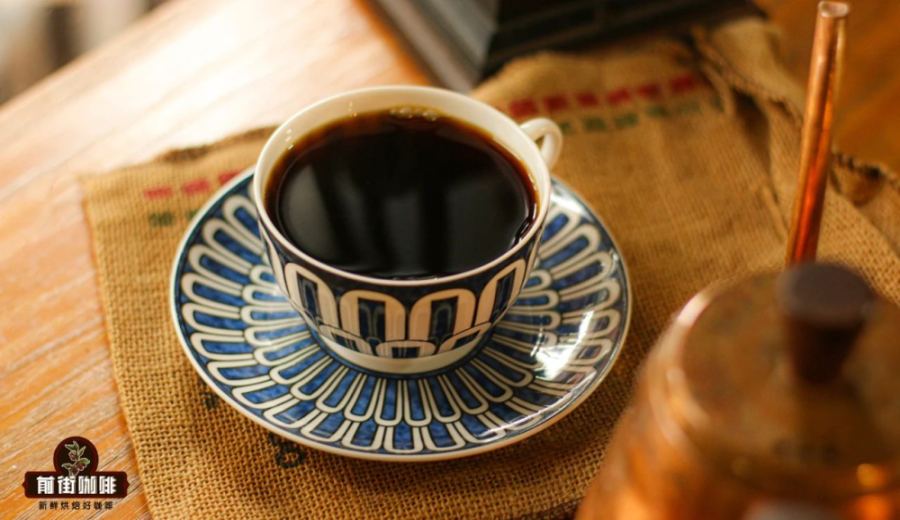
Introduction:Aged Mandheling is a unique presence in the world of coffee. After undergoing a strictly controlled aging process for 24 months, its acidity softens while sweetness and body are significantly enhanced. This article delves into its storage conditions, differences from fresh beans, as well as changes in appearance and flavor, and provides professional roasting profiles and pour over parameters to help you master this classic bean variety with herbal and caramel aromas.
When it comes to classic regional flavor coffees, Mandheling is certainly among the top, and aged Mandheling holds an even more distinctive position. This coffee isn't just left to age casually but undergoes a long maturation process in a strictly controlled storage environment over 24 months. During this time, what was once a prominent acidity gradually softens, and the overall body and sweetness also show notable improvement. This article will take you through a comprehensive understanding of the origins of the aging process, as well as the fundamental differences between it and fresh beans, while observing the changes in appearance and flavor of green beans during maturation. Additionally, we’ll provide professional roasting recommendations and pour over parameters so that you can easily brew a cup of aged Mandheling rich in herbal and caramel notes, even at home.
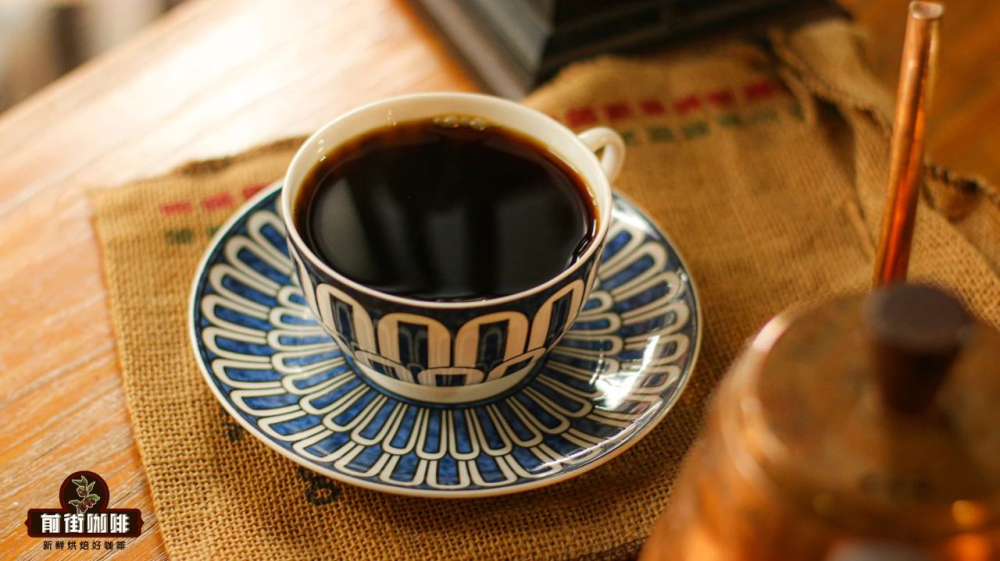 Many coffee enthusiasts have a deep impression of Mandheling, and aged Mandheling is a particularly special member of this group, worthy of deeper exploration. It shares similarities with Indian monsoon coffee—both require prolonged storage to develop their unique flavors, which is one of the reasons many people love Mandheling. Of course, some people may find it hard to accept due to its strong, distinctive character. However, to achieve an aged Mandheling with excellent flavor, strict control of the storage environment is crucial. It must be kept ventilated and cool, and the entire process needs to be handled with extreme care; otherwise, it can easily lead to mold or even pest infestation.
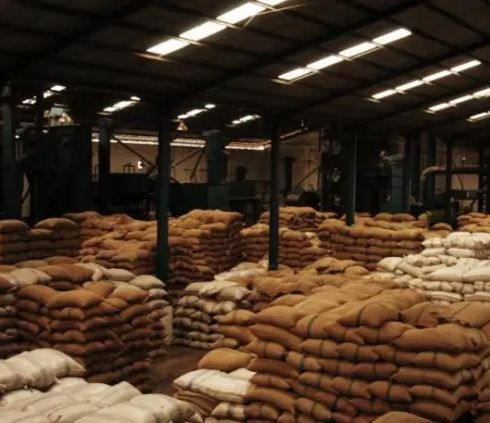
The so-called aging process is actually a special technique where green coffee beans are stored in specific environments for an extended period. Its primary purpose is to reduce acidity and impart a deeper, aged richness to the beans. Just like aged alcoholic beverages, green beans must undergo proper processing and be stored for a sufficient duration to be considered true [aged coffee]. During the maturation process, the originally sharp fruit acids in Mandheling gradually soften, and the overall body and layered flavors present a surprisingly impressive performance in the mouth—this is precisely why aged Mandheling is so beloved. Typically, coffee farmers will first select high-quality green beans and then allow them to rest and mature for two years under strictly monitored conditions. During this time, the beans also need to be regularly turned to prevent moisture and mold. The entire process is extremely time-consuming and labor-intensive, but it is precisely this that creates a coffee with rich, mellow flavors and long-lasting brewability.
 The aging process actually has a long history in Indonesia. In the early days, due to underdeveloped shipping technology, coffee exported from Indonesia often had to endure long sea voyages. During this time, the fresh coffee beans gradually lost moisture, and the influence of sea breezes ultimately created a unique flavor. With the improvement of modern transportation efficiency, this natural flavor transformation has become difficult to replicate. Therefore, producers have developed today’s aged bean processing techniques by artificially controlling the process. However, it’s important to note that aged beans do not refer to unsold inventory beans, but rather beans that are stored for a long time under strict control either at origin or by distributors. These beans are usually labeled with the year to distinguish them from regular fresh coffee beans. It is said that in the early days, before ships were available, coffee transport could take several months, and this long journey unexpectedly created special flavors, which eventually evolved into today’s aging process.
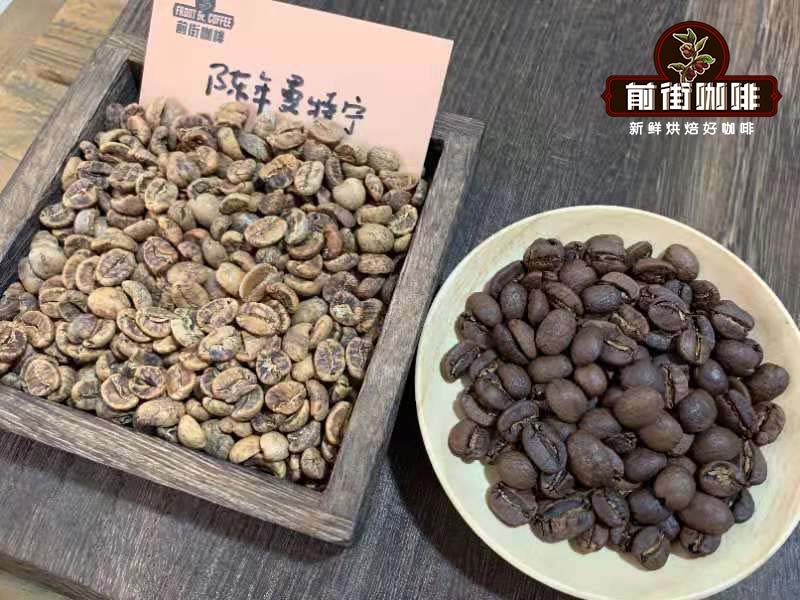
Correctly stored aged coffee not only shows obvious changes in flavor but also differs in appearance. Generally speaking, the acidity is significantly reduced, the color of the beans turns darker, the moisture content decreases, resulting in a richer, thicker mouthfeel with a hint of honey-like sweetness. Some of the defective flavors that might have existed in the original green beans also become less noticeable during the maturation process. However, because the storage environment is often dark and humid, aged coffee often comes with complex aromas similar to mildew, burlap, or leather—all of which are normal phenomena. To achieve the ideal aging effect, the beans must be regularly turned during storage, and good ventilation and moderate humidity control must be maintained to avoid insect damage or mold. It’s worth mentioning that the storage of aged beans is usually carried out by green bean distributors or traders, rather than directly at the origin.
Although aged Mandheling may not look as vibrant as fresh beans, its acidity is noticeably reduced after years of aging, and its overall clarity improves—especially when using a medium to dark roast, the mouthfeel becomes even rounder. Since the green beans of aged Mandheling are naturally denser and have lower moisture content, extra care is needed during roasting to control the heat at each stage, preventing the surface oils from scorching too early, which could affect the final flavor expression.
For roasting, it is recommended to use equipment such as the Yangjia 800N, starting with about 550 grams of green beans. When the roaster temperature reaches 200°C, you can load the beans. At this point, set the air damper to 3 and begin with a 1-minute preheat. Then reduce the heat to 160°C, keeping the air damper unchanged; when the roaster temperature drops to 165°C, further reduce the heat to 140°C. Around 5 minutes and 35 seconds, when the roaster temperature is 146°C, the beans will turn yellow, indicating that the grassy aroma has completely dissipated and the dehydration phase is complete. At this point, adjust the air damper to 4. By the 9th minute, the bean surface will show obvious wrinkles and dark spots, and a toast-like aroma will emerge, gradually transitioning to coffee fragrance—this indicates the pre-first crack stage, so listen carefully for the first crack sound. When the first crack begins around 9 minutes and 30 seconds, immediately reduce the heat to 80°C and fully open the air damper to 5, while being careful not to let the cracking sound disappear. Finally, reduce the heat at 194°C and drop the beans at 197.4°C to achieve the best medium to dark roast effect.
For brewing, it is recommended to use a KONO filter cone, with water temperature controlled at 88°C and grind size adjusted to small Fuji #4, equivalent to a medium-coarse grind. The KONO filter cone has relatively few ribs, and the filter paper fits tightly against the cup wall, effectively restricting airflow and extending the contact time between water and coffee grounds. Even with a coarser grind, this ensures good extraction efficiency, thereby enhancing the coffee’s body and flavor concentration. Specifically, set the coffee-to-water ratio to 1:14, using 17 grams of coffee powder. First, pour 25 grams of water for a 30-second bloom, then continue pouring until the total water volume reaches 238 grams. The overall extraction time should be controlled to around 2 minutes to enjoy the unique herbal and caramel aromas of aged Mandheling.
The above content is compiled by CoffeeHunters, a coffee news website.


