







Introduction:Have you ever finished a cup of coffee, only to feel your stomach growling shortly after, urgently needing to run to the bathroom? Many people assume this is due to the stimulating effects of caffeine, but the reality may be more complex than you think. This article will delve into why coffee often triggers the urge to defecate from perspectives such as intestinal motility mechanisms, neural reflexes, and individual differences, and offer practical advice to help you enjoy coffee more comfortably while reducing unnecessary gastrointestinal discomfort.
It’s quite common for many coffee enthusiasts to feel signals from their stomachs shortly after savoring a rich cup of coffee, sometimes even needing to rush straight to the toilet. Some believe this is merely a simple stimulation caused by caffeine, but the underlying physiological responses are actually far more diverse and fascinating than the action of a single compound.
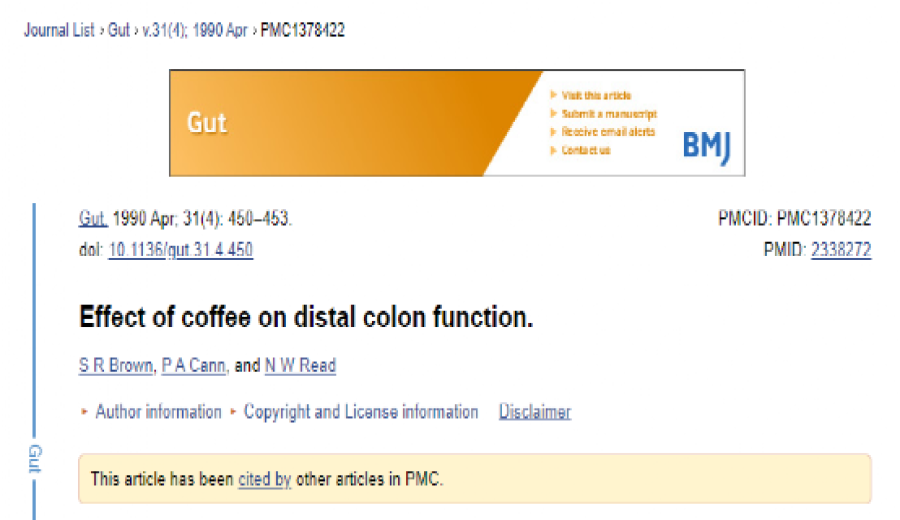
First,coffee does indeed promote intestinal motility,as confirmed by multiple studies. Scientists have found that even decaffeinated coffee can stimulate gastrointestinal activity, suggesting that other active substances in coffee may also influence intestinal function—such as acids, volatile compounds, and others that could all play a contributing role.
According to observations in some gastroenterological studies, within just four minutes of consuming coffee, the colonic activity of some participants significantly increased, much faster than the time it takes for caffeine to enter the bloodstream and take effect. This further illustrates thatthe intestinal-stimulating effect of coffee is not entirely dependent on caffeine.。
In addition, the body’s "gastrocolic reflex" is another important factor. This is a natural physiological response where the stomach, upon receiving stimulation from food or drink, automatically sends signals to the colon to promote the movement of its contents toward the rectum, preparing for defecation. The temperature, acidity, and chemical composition of coffee can all intensify this reflex, making you more likely to feel the urge to go.
It’s worth noting that individual reactions to coffee vary greatly. Some people may need to find a bathroom immediately after just a few sips of espresso, while others drink large amounts of coffee daily without ever experiencing gastrointestinal discomfort. These differences may be closely related to an individual’s intestinal nerve sensitivity, gut microbiota composition, or even regular dietary habits.
If you find that you always feel the urge to go soon after drinking coffee, consider observing the following:Are you drinking it on an empty stomach? Is the coffee temperature relatively high? Have you added sugar, milk, or other ingredients?These variables can all affect gastrointestinal responses. For example, drinking highly acidic light-roast coffee on an empty stomach may cause more intestinal stimulation than sipping a dark-roast latte after a meal.
To reduce the urge to go caused by coffee, you might try adjusting how you drink it—for instance, avoiding drinking on an empty stomach, choosing medium to dark roast coffee (usually lower in acidity), slightly lowering the brewing water temperature, or sipping smaller amounts at a time to give your stomach more time to adapt. Additionally, opting for low-caffeine or decaffeinated coffee is a good compromise for those sensitive to caffeine.
In summary, the urge to run to the bathroom after drinking coffee is the result of multiple factors working together—from neural reflexes and intestinal sensitivity to the composition of the coffee itself—all of which can influence the final outcome. By understanding your body’s reactions and moderately adjusting your coffee-drinking habits, you can more easily enjoy the richness and energy coffee brings, without worrying about unexpected urges disrupting your plans.
The above content is compiled by CoffeeHunters, a coffee news website.


