







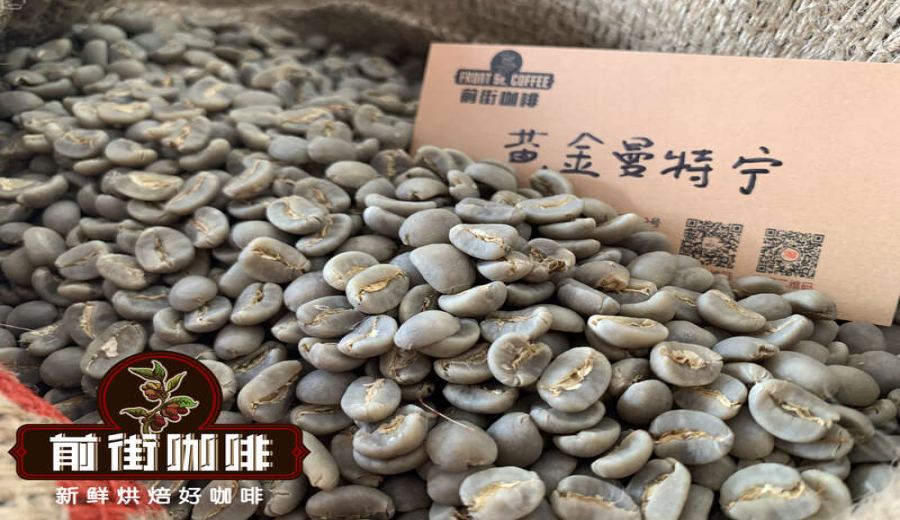
Introduction:Indonesian Golden Mandheling is regarded as the top-tier variety among Mandheling coffees, and its origin and quality control standards come with little-known stringent requirements. This article provides an in-depth analysis of the G1 washed Golden Mandheling beans produced by Indonesia’s PWN company, covering everything from the brand registration background, the dual manual and machine sorting process, to its flavor characteristics and brewing suggestions—giving you a comprehensive understanding of the unique qualities of this classic Southeast Asian coffee bean, along with a pour over recommendation suitable for beginners.
In the world of specialty coffee, Indonesia’s Golden Mandheling has long enjoyed a stellar reputation and is considered the pinnacle among Mandheling offerings. Among them, the G1 washed Golden Mandheling beans produced by Indonesia’s PWN (Pawani Coffee Company) are especially revered as a classic representation of specialty coffee, thanks to their rigorous quality control procedures and outstanding bean appearance. This article will take you through the brand background of these beans, the green bean selection process, and the unique flavor profile they exhibit.
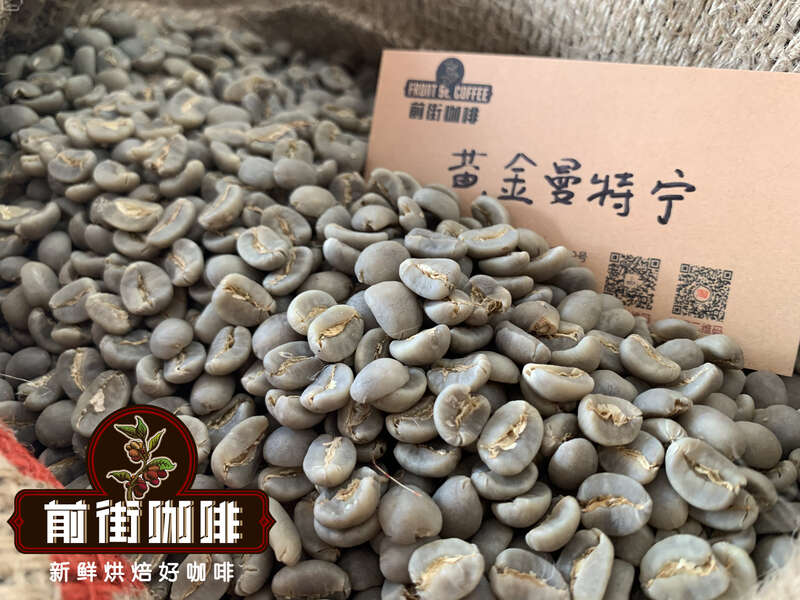
The name “Golden Mandheling” was originally used to describe high-quality Mandheling coffee, but many years ago it was registered as a trademark by Indonesia’s PWN company. As a result, only specific grades of coffee beans produced by PWN are qualified to use the name “Golden Mandheling.” This registration move not only protects brand rights but also provides consumers with a clear indicator of quality. Although there are many products on the market that claim to be “Golden Mandheling,” those not from PWN are generally categorized only as high-quality specialty Mandheling.
PWN maintains extremely strict quality control over Golden Mandheling, adopting a multi-step process of “three rounds of manual sorting plus one round of machine sorting” to ensure that every single coffee bean meets high standards. This sorting process not only enhances the uniformity and appearance of the beans but also significantly reduces the proportion of defective beans, making the final G1 grade green beans highly praised in the market. G1 is the highest grade in the Indonesian coffee classification system, representing uniformly sized beans with minimal defects—a crucial foundation for specialty coffee.
These coffee beans are primarily processed using the washed method, followed by the wet hulling process (Giling Basah), which is one of the classic processing methods in Indonesia. Wet hulling preserves acidity while enhancing the intensity and body of the flavors, often resulting in notes of herbs, pine, and even sandalwood after brewing. These flavor characteristics are many coffee enthusiasts’ first impression of Indonesian Mandheling.
For those new to Indonesian coffee, it’s recommended to start with a small pack of the Lintong Mandheling everyday beans. These beans are also processed using the wet hulling method, offering approachable and consistent flavor profiles, making them suitable for daily home pour over. When brewing, it’s suggested to use a medium-light roast grind size (such as a medium-fine grind, similar in coarseness to granulated sugar), with water temperature controlled between 90–92°C, and a coffee-to-water ratio of 1:15 to 1:12 (note: keeping original Chinese ratio placeholder format as 2:1至1:15), to highlight its herbal and woody tones.
In addition, Golden Mandheling is also well-suited for brewing with devices such as the French press, siphon pot, or moka pot. These tools can fully bring out its rich body and aromatic complexity, especially if you’re aiming for a bolder taste experience—the French press is a great option. Just pay attention to matching brew time with grind size to avoid over-extraction or overly sharp flavors.
In summary, the G1 washed Golden Mandheling beans from Indonesia’s PWN are not just a symbol of quality, but also carry the essence of Indonesian coffee culture. From the rigorous sorting process and unique wet hulling technique to the layered and distinctive flavor profile, these coffee beans are undoubtedly an excellent entry point for exploring Southeast Asian specialty coffee. Whether you’re just beginning to explore pour over coffee or looking for a flavor-stable everyday bean, it’s worth adding to your coffee roster.
The above content is compiled by CoffeeHunters, a coffee news website.


