







Introduction:Golden Mandheling is a premium selection among Sumatran Mandheling coffees, widely loved for its rich, full-bodied profile with notes of dark chocolate and caramel. However, to fully extract the nuanced flavors of this bean, it’s essential not only to understand the wet-hulled processing unique to its origin and choose high-grade green beans, but also to master brewing parameters suited for dark roasts. This article will delve into the origins of Golden Mandheling, the advantages of its processing method, and provide a practical three-stage pour over recommendation to help you easily brew this classic Mandheling with layered complexity.
Mandheling coffee is beloved by many fans of bold flavors for its intense, rich mouthfeel and distinctive notes of spices, herbs, and woodiness. Among them, Golden Mandheling is the epitome of the classics—when brewed properly, it showcases pronounced aromas of dark chocolate, caramel, and nuts, along with a gentle sweetness. But to fully unlock the potential of this premium bean from Sumatra, it’s not enough to understand its regional characteristics and wet-hulling process; precision is required in bean selection, roasting, and brewing parameters.
Sumatra’s uniquely humid and rainy climate presents special challenges for coffee cultivation. The region experiences year-round high temperatures and humidity, with air moisture levels that often make it difficult for traditionally washed or sun-dried coffee beans to dry stably, leading to risks of over-fermentation or mold. As a result, Indonesian coffee farmers developed the unique “wet-hulling” processing method.
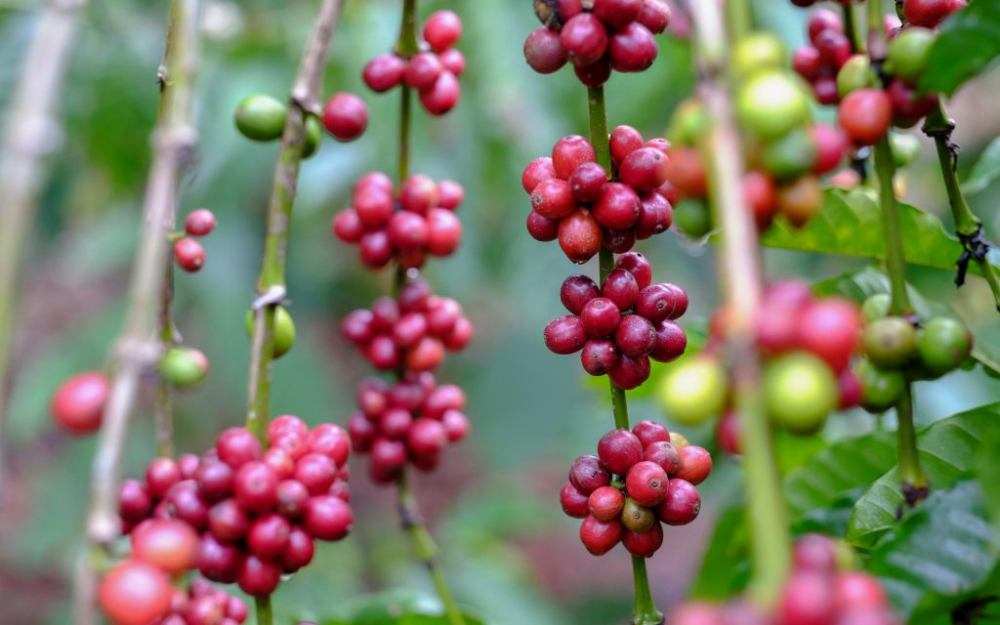
Known as wet-hulling, this method involves briefly fermenting the beans—still covered in their mucilage—after the fruit’s skin and pulp are removed, then washing them. Next, the outer parchment layer (parchment) is removed while the beans are still partially moist (with a moisture content of about 30%–50%) and in a semi-wet state. The beans are then dried further until their moisture content reaches around 12%. This approach shortens the overall processing time, but because the husk is removed before the beans are fully dry, the beans are more prone to being compressed and deformed, which can increase the defect rate. Therefore, selecting high-quality, rigorously screened green beans is especially important.
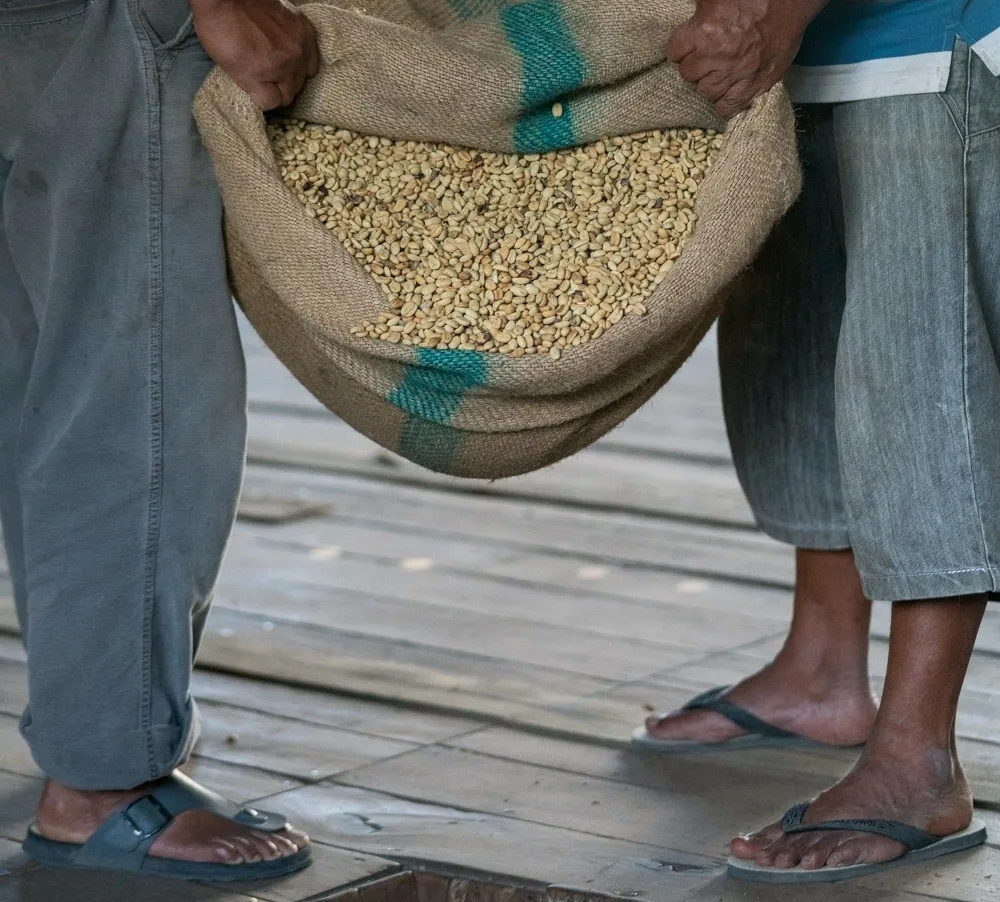
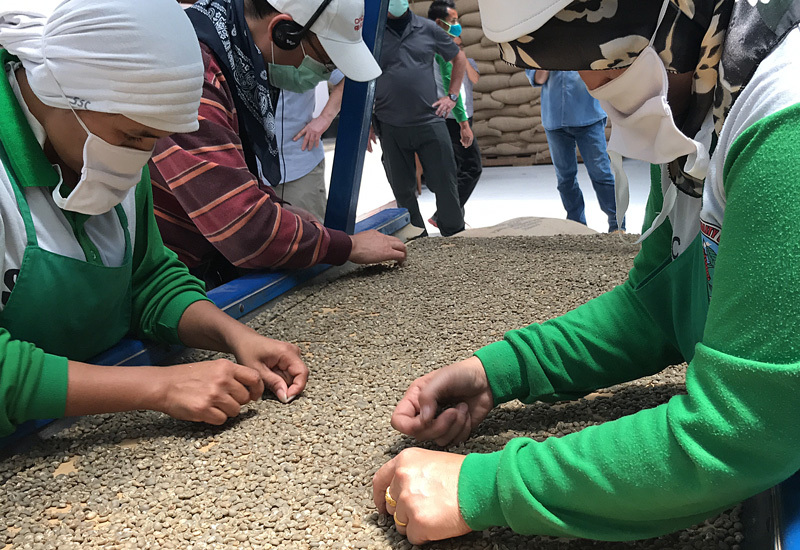
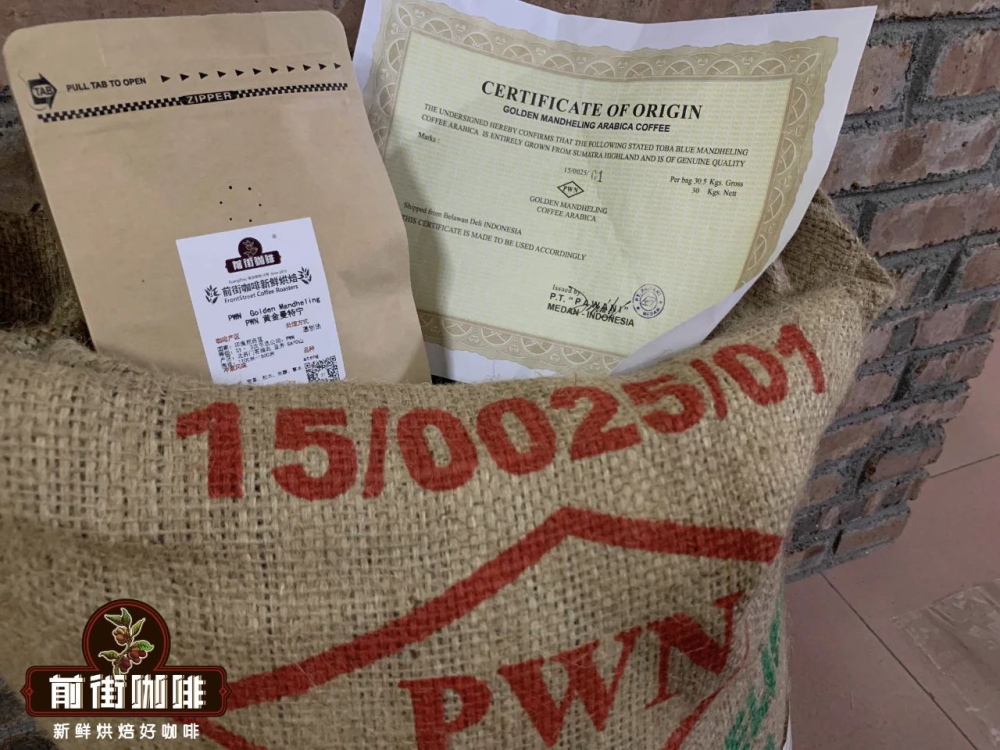
Among the many Sumatran Mandhelings, Golden Mandheling is an iconic premium-grade offering. This bean originates from the Aceh region of North Sumatra, Indonesia, and is produced by the renowned green bean supplier PWN. PWN is not only the holder of the registered trademark for the name Golden Mandheling, but also enforces high-standard screening processes during green bean handling, including machine pre-screening and three rounds of manual hand-picking. This ensures that every bean meets the G1 grade—meaning an extremely low defect count (no more than 3 defects in a 300g sample), uniform bean size, and a minimum of 18 mesh.
Thanks to this rigorous selection, PWN Golden Mandheling offers a clearer and brighter flavor profile, free from the impurities often found in regular Mandheling, while highlighting layers of richness and aroma.
This bean is typically dark roasted to bring out the aromas of dark chocolate, caramel, and nuts, and to enhance its full body. However, dark roasting also means the internal structure of the coffee beans becomes more porous, increasing the rate of water absorption. Using too fine a grind or too high a water temperature can easily release excessive bitter and astringent compounds. Therefore, it’s particularly important to pay attention to the combination of grind size and water temperature during brewing.
It is recommended to use a medium-coarse grind (approximately 70% extraction through a Chinese standard No. 20 sieve), with water temperature controlled between 87–88°C , and a coffee-to-water ratio can be chosen based on personal taste preference 1:15(standard strength) or adjusted to 1:13 for a bolder expression. Generally, it’s suggested to use 15 grams of coffee grounds with a total water volume of about 225–270 milliliters, depending on the ratio.
In terms of brewing equipment, the KONO filter cone is an excellent choice for Golden Mandheling. Compared to the V60, the KONO cone has smoother curved walls and ribbing that covers only a quarter of its surface, resulting in slightly lower exhaust efficiency. This makes the brewing process lean more toward immersion-style extraction, effectively enhancing the roundness and richness of the mouthfeel while bringing out the sweet notes of caramel and chocolate. This type of filter cone is also well-suited for brewing other body- and sweetness-focused beans such as Brazil Queen Estate or Jamaica Blue Mountain No. 1.
In practice, it is recommended to use a three-stage pouring method: first, perform a 30 ml bloom pourto gently saturate the coffee grounds, aiding in degassing and initiating extraction; next, pour 100 mlto bring out a golden crema and gradually raise the coffee bed; finally, use 95 ml of water poured slowly and focused at the center of the filter cone, which helps to enhance sweetness and balance the overall flavor profile. This segmented extraction method allows the rich character and caramel sweetness of Golden Mandheling to become more pronounced, while preserving the layered notes of woodiness and spice.
The above content is compiled by CoffeeHunters, a coffee news website.


