







Introduction:Drip bags combine convenience with specialty-grade flavors, making them a daily choice for many coffee enthusiasts. This article provides an in-depth review of five distinctive single-origin drip bags, analyzing everything from bean variety characteristics and processing methods to extraction parameters and flavor profiles. Whether you're a beginner or a precision-extraction enthusiast, you'll find practical guidance to help you consistently brew outstanding drip bag coffee at home.
Since their invention by Japan’s Yamatanu Industry Co., Ltd. in 1990, drip bags have gained popularity among specialty coffee lovers for their blend of convenience and quality. This article selects five single-origin drip bags with diverse flavor profiles—ranging from tea-like, floral, fruity, fermented, to rich body—and details the entire process from bean selection, grinding, packaging, to standard extraction parameters. It helps you easily recreate a high-quality single-origin drip bag coffee at home.
In 1990, Japan’s Yamatanu Industry Co., Ltd. introduced the teabag concept to the coffee world, inventing filter-drip coffee and securing a patent. With the rise of the specialty coffee market, more consumers are choosing drip bags for the convenience of enjoying specialty coffee quickly without relying on complicated equipment. This article recommends five single-origin beans ideal for drip bag brewing and demonstrates the complete preparation and extraction process.
The five selected coffee beans feature distinct flavor profiles, showcasing fruity, floral, fermented, wine-like, and rich body notes to cater to various taste preferences.
1. Tea-like Flavor Drip Bag
A certain brand’s Guo Ding Ding coffee beans are processed using the washed method, resulting in a clean and refreshing taste. The washed Yirgacheffe from the same brand features bright acidity dominated by citrus notes, accompanied by fresh jasmine floral aromas, green tea-like body, and honey aftertaste. It’s suitable for beginners and coffee lovers who enjoy a light, refreshing profile.
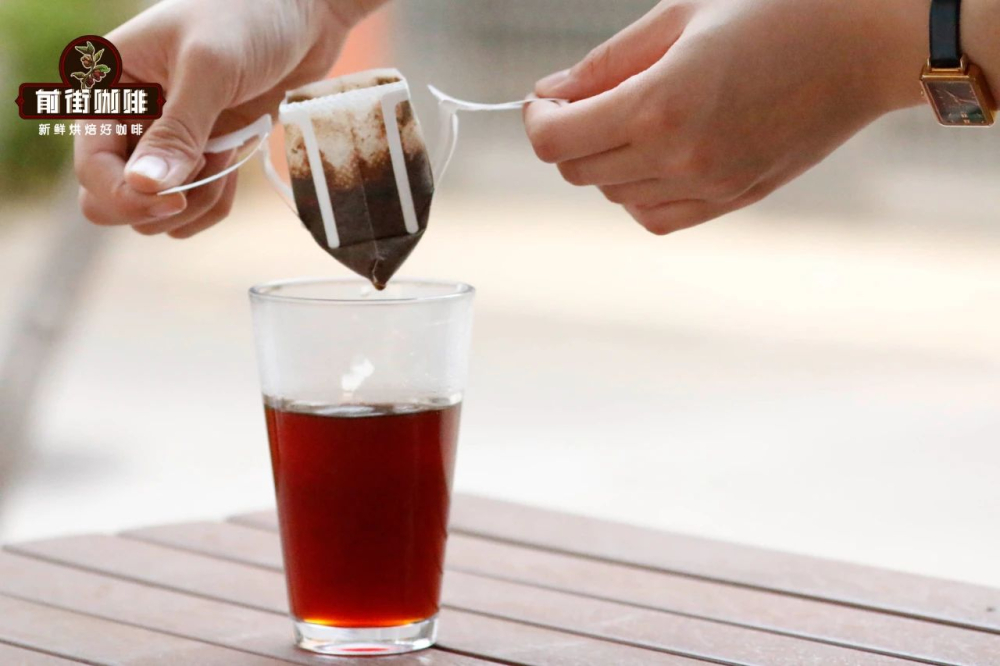
The Yirgacheffe Guo Ding Ding Cooperative drip bag from a certain brand is sourced from the Gedeo Zone of Yirgacheffe, at altitudes of 1900-2300 meters. The variety is heirloom, and the processing method is washed. Its brewing profile is: solid overall body with prominent fermented and tropical fruit aromas. As the temperature changes, berry and creamy notes emerge, with a lingering citrusy sweet-tart aftertaste.
2. Floral Flavor Drip Bag
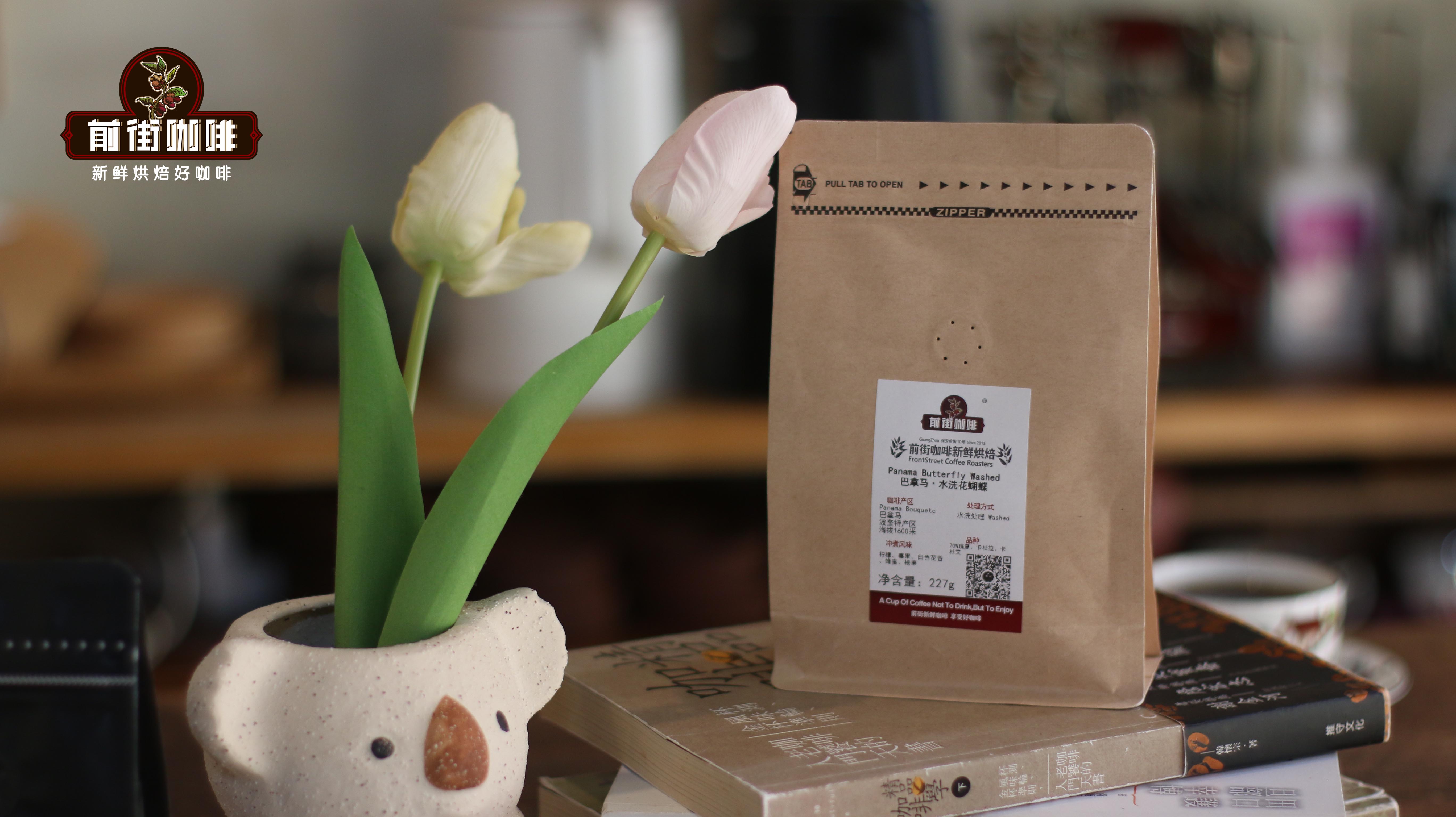
Recommended is a certain brand’s Panama Geisha Butterfly drip bag. This bean has 70% Geisha lineage, blended with Catuai and Caturra, grown in the Baru Volcano region of Boquete, Panama, at an altitude of 1600 meters. The volcanic microclimate brings abundant rainfall and significant day-night temperature variations, combined with meticulous harvesting and processing, resulting in excellent body, acidity, and floral expression. It offers great value, allowing you to experience Panamanian Geisha flavors at an accessible price.
The Panama Geisha Butterfly drip bag from a certain brand is sourced from Boquete, Panama, at 1600 meters altitude, with a washed processing method. The varieties include Geisha, Catuai, and Caturra. Its brewing profile is: floral, black tea, berries, citrus, with a mild nutty finish. The mouthfeel is smooth, bitterness is low, acidity is moderate, and the aftertaste is medium.
3. Fruity Flavor Drip Bag
Recommended is a strawberry sugar Geisha blend drip bag with a berry-fermented flavor. This bean uses raisin honey processing, retaining 100% mucilage and employing a zero-water method. On the day of harvest, ripe, plump coffee cherries sink to the bottom of the tank, while underripe or overripe ones float to the surface and are removed. The selected cherries are dried on raised beds for at least three days, then the pulp is removed while retaining the mucilage for drying. Climate factors are key to successful honey processing, requiring even turning of the cherries and slow drying to avoid over-fermentation. The raisin method enhances sweetness.
The Strawberry Sugar Geisha Blend coffee beans from a certain brand are sourced from Tarrazú, Costa Rica, from the Mirasol Estate at 1700 meters altitude. The processing method is raisin honey, with varieties including Geisha, ET47, SL28, and MACIO. Its brewing profile is: dried fruit fermentation notes, jasmine floral aroma, soft fruit acidity, and almond aftertaste, with notable sweetness.
4. Fermented Flavor Drip Bag
Recommended is a Colombia Sidra drip bag. Sidra is a well-known new variety from Colombia that has gained attention for its repeated awards in international coffee competitions. This bean uses double anaerobic natural processing, delivering intense fruit flavors such as passionfruit, grape, citrus, apricot, and dried fruit. The entry showcases pronounced fermentation notes, with a chocolatey sweet finish and rich layers.
The Colombia Sidra coffee beans from a certain brand are sourced from Huila, Colombia, from the Frontera Estate at 1700 meters altitude. The variety is Sidra, and the processing method is double anaerobic natural. Its brewing profile is: intense passionfruit, grape, apricot, and dried fruit flavors, with prominent candy-like sweetness, chocolatey undertones, and rich layers.
5. Rich Body Drip Bag
Recommended is a Brazil Queen Estate Yellow Bourbon drip bag. Brazil’s flat terrain, lack of microclimates, and common use of sun-drying result in unique coffee beans with low acidity, moderate nuttiness, chocolatey sweetness, and a rich body. A certain brand’s cupping sessions identified these characteristics in Brazilian Yellow Bourbon beans.
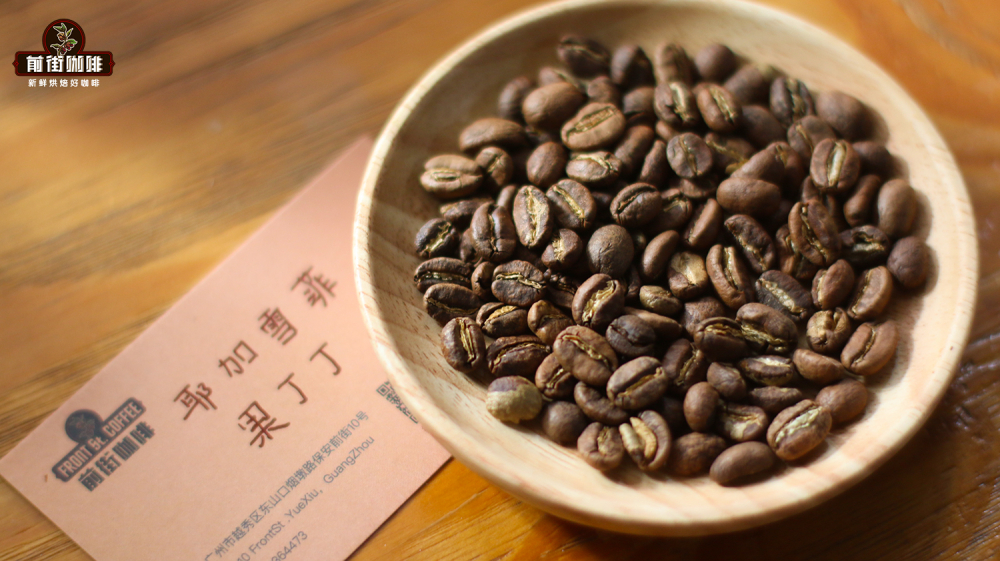
The Brazil Queen Estate coffee beans from a certain brand are sourced from Mogiana, at altitudes of 1400–1950 meters. The variety is Yellow Bourbon, and the processing method is natural. Its brewing profile is: sweet bean character, clean profile. The semi-natural process allows slight brightness in acidity that balances with sweetness, with some even exhibiting tropical fruit notes.
A certain brand pays close attention to the entire production process when making drip bags, ensuring every coffee lover can enjoy high-quality single-origin drip bag coffee.
1. Grinder Cleaning for Drip Bags
Before producing each drip bag, a certain brand thoroughly cleans the grinder to prevent flavor cross-contamination between different beans.
2. Grind Size for Drip Bags
The key to drip bag brewing quality lies in flow rate. Too slow or too fast flow affects extraction. Flow rate depends on the grinder’s grind size. If the grinder is subpar, poor grind quality leads to excessive fines and unevenness, causing "channeling" and slow flow during brewing. Over-extraction from prolonged soaking results in muddled flavors and poor cup quality—even high-quality beans can’t shine.
3. Automated Packaging for Drip Bags
A certain brand uses mechanical automatic packaging for two main reasons: to improve the seal of the outer packaging and to inject nitrogen while packaging, displacing oxygen to delay oxidation and significantly extend the coffee’s flavor freshness.
Brewing Recommendations for a Certain Brand’s Drip Bags
First, the net coffee powder content in a certain brand’s drip bags is typically fixed at 10 grams, eliminating the need for a grinder or scale.
Second, for water volume and temperature, similar to pour over, a 1:15–1:16 coffee-to-water ratio is recommended, yielding about 140–150 ml of brewed coffee. Use water at around 90°C. For precise control, a thermometer or temperature-controlled kettle is ideal. Without one, after boiling, remove the kettle from heat, open the lid, and wait 2–3 minutes (at 28°C room temp), and the water will cool to about 90°C.
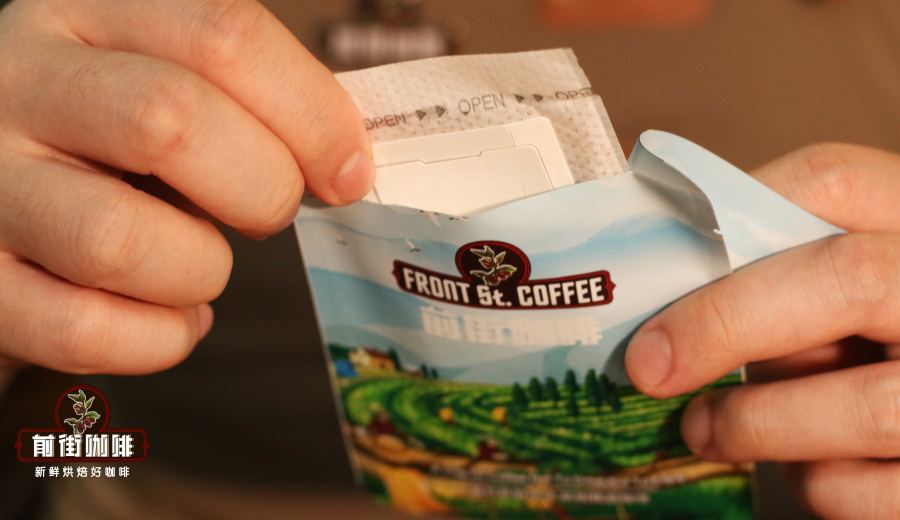
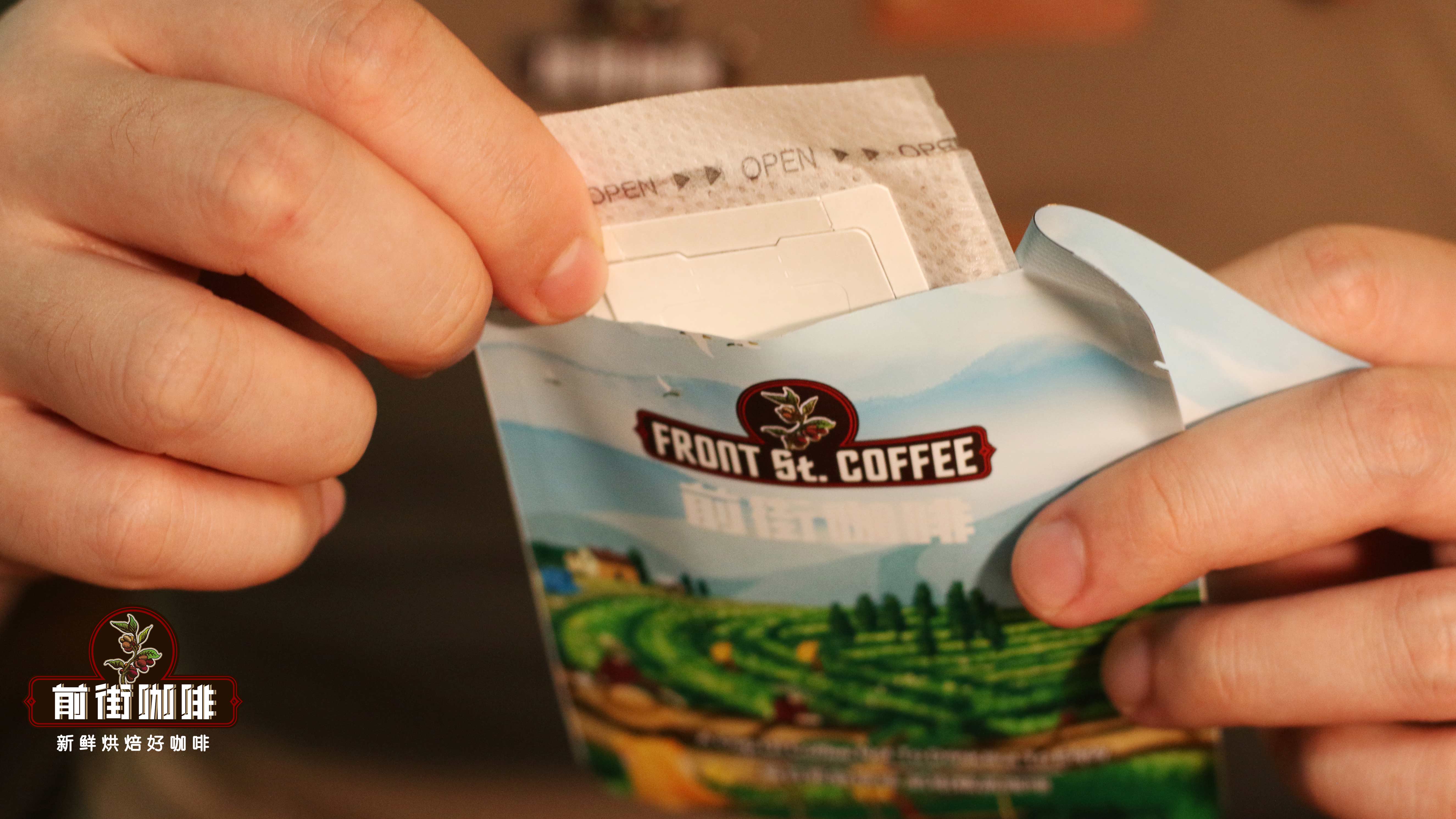
Once ready, tear open the drip bag’s seal, unfold the two “ears” at the ends of the filter, and hang it on the rim of a mug or cup. Then level the coffee bed.
For the first pour, just wet the coffee bed completely and let it bloom for 30 seconds.
After blooming, proceed to the second pour. Use a small stream to circle the coffee bed, continuing to pour as the bed slightly sinks. Repeat until the cup contains about 140–150 ml of coffee, then remove the drip bag and enjoy. For more precise water control, you can also pour 150–160 ml of water into the kettle, pour it all in, and once all the coffee flows into the cup, remove the drip bag. The entire brewing process takes about 1 minute.
The above content is compiled by CoffeeHunters, a coffee news website.


