







Introduction:Geisha coffee is hailed as the top variety in the specialty coffee world. Originating from Ethiopia but shining brightly in Panama, it has captivated global palates with its unique jasmine, citrus, and bergamot aromas. This article delves into the origin of the Geisha variety, its development journey from Ethiopia to Panama, analyzes how the Boquete region cultivates its classic flavors, and provides expert V60 pour over recommendations and precise parameters to help you fully grasp the charm of this legendary coffee.
Geisha, a specialty coffee variety once mistakenly translated as "Geisha" due to its pronunciation, has now become the pinnacle in the hearts of coffee lovers worldwide. In fact, the name Geisha originates from Geisha Mountain in southern Ethiopia, and has no relation to Japanese culture. To avoid misunderstandings and cultural stereotypes, the more poetic translation "Geisha" is now commonly used, bringing this coffee closer to the essence of its elegant and delicate flavor.
Geisha was first discovered in 1931 in Ethiopia’s Kaffa Forest, with the aim of breeding new disease-resistant varieties. The variety was initially taken to Kenya, Uganda, and Tanzania for research, and later entered the CATIE research center in Costa Rica in 1953, where it was cataloged as T2722. However, due to its weak tree vigor and low yield, it was not widely planted for a long time. It wasn’t until the 1960s, when CATIE introduced the variety to Panama, that Geisha gradually found its place.
What truly brought Geisha to prominence was Hacienda La Esmeralda in Panama. In the 1990s, the farm owner Daniel Peterson discovered that the Geisha variety planted at the high-altitude Jaramillo farm exhibited strong resistance to leaf rust. They promptly separated Geisha from other varieties, gradually increased planting altitude, and conducted rigorous cupping selections. By 2003, on the eve of the Best of Panama (BOP) competition, Daniel was surprised to find during cupping that this coffee had an unprecedentedly bright acidity, complex floral and fruity aromas, and delicate sweetness. It ultimately won the competition, sparking a global Geisha craze.
In 2005, Hacienda La Esmeralda further solidified its world-class specialty coffee status by winning the SCAA international competition with Geisha for consecutive years. Although many regions, including Colombia, Guatemala, and even Yunnan, now grow Geisha, the Boquete region in Panama is still considered the golden area that best showcases the classic flavors of Geisha.
Located on the eastern side of the Barú Volcano, Boquete sits at an altitude between 1000 and 2000 meters, featuring a cool and humid climate with large day-night temperature variations. The area is often shrouded in mountain fog and boasts unique microclimates, providing nearly perfect growing conditions for Geisha. Hacienda La Esmeralda further divides its Geisha plantations into three main sections: Cañas Verdes, Jaramillo, and El Velo. Each section, due to differences in microclimate and altitude, offers distinct flavor profiles, with the high-altitude blocks performing the best.
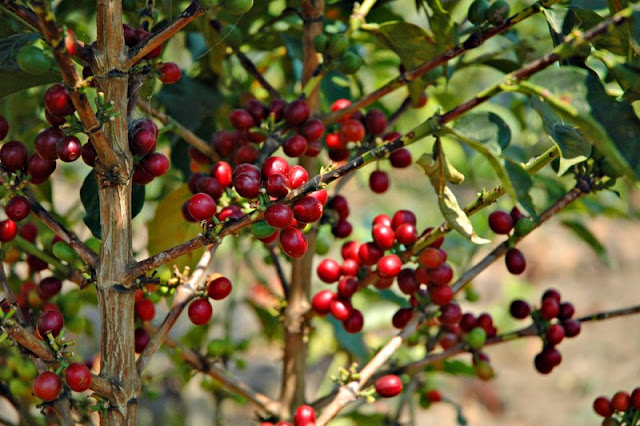
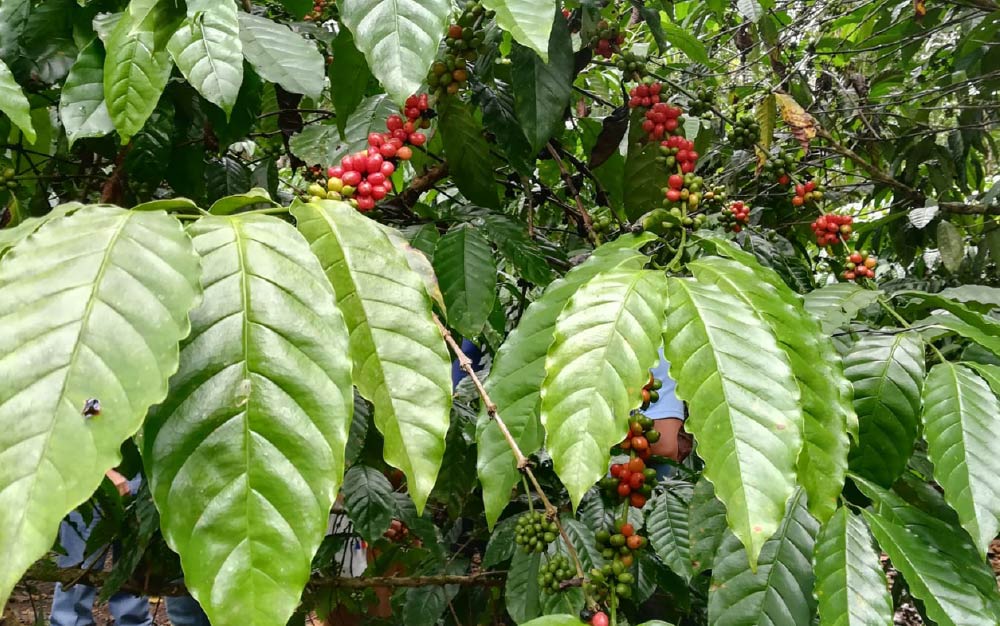
The Geisha coffee plant has distinctive characteristics: it grows tall with slender leaves, has relatively strong resistance to pests and diseases, but yields are low. As a result, cultivation costs are high, and it is mostly processed using meticulous small-scale farming methods. The green beans are long and slender, and after roasting, they release rich tropical fruit and floral notes. These traits make Geisha a star item in the auction market.
In terms of processing methods, Geisha is mostly processed via washed or natural (sun-dried) methods, each with its own unique features. Washed processing highlights clean and bright acidity and regional flavors, making it suitable for those who prefer a refreshing profile. Natural processing, on the other hand, imparts a richer fruit aroma, sweetness, and fuller body. Generally, washed Geisha better showcases the fresh and vibrant characteristics unique to Panama’s high-altitude regions, and is also the preferred processing method for many roasters.
For coffee enthusiasts who enjoy pour over brewing, the V60 is an excellent tool for extracting the delicate flavors of Geisha. A medium-light roast is recommended to preserve its bright acidity and complex aromas. The specific roast level may be fine-tuned based on the characteristics of each batch of beans, with the goal of highlighting floral and fruity notes and sweet layers while maintaining the bean’s inherent solid structure.
Recommended V60 pour over parameters are as follows: use 15 grams of coffee grounds, with a water-to-coffee ratio of 1:15, water temperature controlled at 91-92°C, grind size about as fine as granulated sugar (able to pass through a No. 20 sieve with about 80% coarseness), using the spiral pouring method, with a total water volume of about 225 milliliters. The unique spiral ribs and large-hole filter design of the V60 help control extraction time and flow rate, allowing the water to evenly penetrate the coffee grounds layer, resulting in a more balanced and layered taste.
The classic flavor profile of Panamanian washed Boquete Geisha is as follows: the entry showcases distinct citrus, lemon, and bergamot acidity, the mid-palate reveals soft fruit notes such as peach and blueberry, and the finish carries a gentle sweetness of green tea and honey. The overall mouthfeel is smooth and well-layered. This flavor profile is the result of the combined effects of Boquete’s high altitude, cool climate, and meticulous processing techniques.
Finally, to fully experience Geisha’s complete flavor, it is recommended to choose freshly roasted beans within 5 days of roasting and enjoy them within 4-7 days of arrival, when the coffee’s resting period is just complete and the flavors are at their peak. If purchasing coffee powder, although it can be brewed immediately, note that powdered coffee is prone to rapid flavor loss upon exposure to air. It is advised to consume it as soon as possible for the purest tasting experience.
The above content is compiled by CoffeeHunters, a coffee news website.


