







Introduction:Geisha coffee is renowned worldwide for its unique floral and fruity acidity profile, but different roast levels can greatly influence its final expression. This article delves into how light, medium, and dark roasts affect the flavor of Geisha, and provides practical pour over brewing parameters to help you find the extraction method that best suits your taste—whether you prefer bright acidity and balanced sweetness or rich, layered complexity.
With its delicate floral notes, vibrant citrus and berry tones, and astonishing acidity, Geisha coffee has become a dream bean for many coffee enthusiasts. However, the expression of these flavors is closely tied to the choice of roast level. Light, medium, and dark roasts not only alter the color of the coffee, but also directly impact the balance of acidity, sweetness, and bitterness, as well as the overall flavor profile. This article explores the differences in Geisha’s performance across three roast levels, and combines hands-on pour over experience to offer specific brewing recommendations.
First, which roast level is best for Geisha coffee? It depends on whether you’re seeking bright floral and fruity aromas or a fuller body and richer mouthfeel. Generally speaking, a light roast preserves the bean’s original characteristics to the greatest extent—such as the crisp acidity of citrus, bergamot, and lemon—while also bringing out a tea-like, delicate finish. A medium roast balances acidity, sweetness, and aroma, making it ideal for those who enjoy more complexity without losing fruitiness. As for dark roast, while it can highlight warm notes like caramel and chocolate, it may mask some of the most exquisite and delicate qualities that make Geisha special.
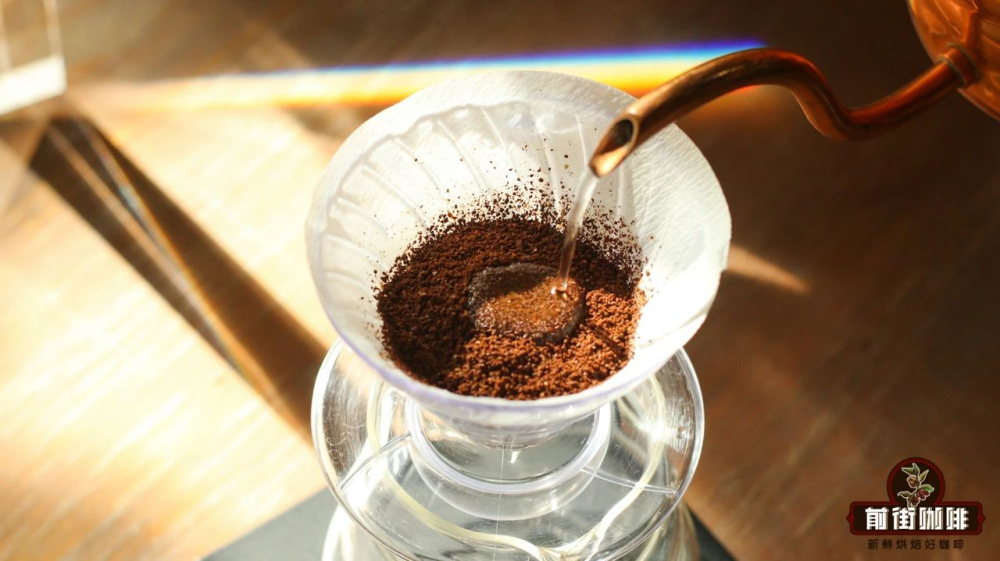
Brewing Geisha via pour over is a common and revealing choice. Assuming you opt for a lighter roast, it is recommended to use a Hario V60 dripper with a medium-fine grind (approximately 80% passing through a #20 mesh sieve), and water temperature around 91°C, using a 1:15 coffee-to-water ratio. In this setup, the wet aroma is pronounced, and during brewing you can detect a subtly sweet scent. The cup reveals clear floral notes and bright fruity acidity, with layers becoming more nuanced as the coffee cools. Additionally, both the coffee-to-water ratio and grind size significantly influence extraction yield and flavor expression, so adjustments may be needed based on actual conditions.
The origins of Geisha coffee trace back to 1931, where it was first discovered in the Gesha region of Ethiopia. It later traveled through Kenya, Tanzania, and Costa Rica, finally taking root in Panama during the 1960s. It wasn’t until recent decades that, thanks to its exceptional floral character and distinctive fruity acidity, it stood out among numerous coffee varieties. It has since won accolades repeatedly at Panama’s Best of Panama cupping competitions, as well as multiple international coffee championships. This variety is extremely particular about its growing environment, requiring high altitude, misty conditions, and fertile soil to develop its unique flavor characteristics.
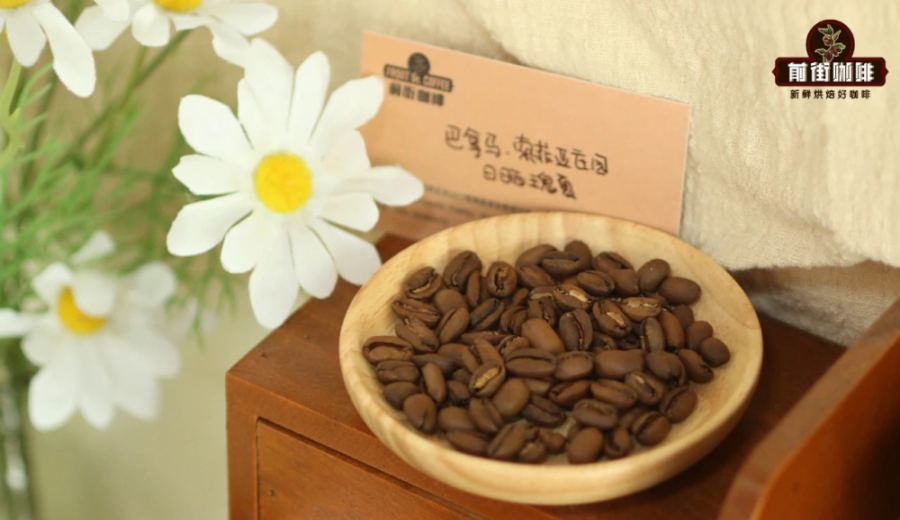
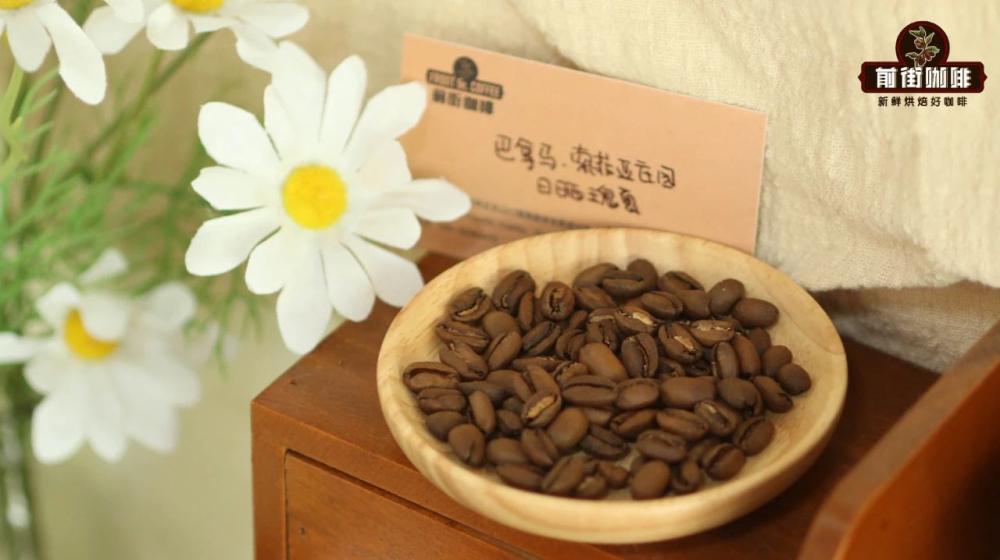
Generally, coffee roasts are divided into three main categories: light, medium, and dark. Light roasted beans are typically light brown in color, with no oil on the surface, pronounced acidity, a refreshing taste, and vivid flavors—well suited for highlighting fruity and floral notes. Medium roast beans appear brownish, with a slight sheen on the surface, offering a more balanced acidity and bitterness, accompanied by caramel and wine-like aromas, catering to the taste preferences of most consumers. Dark roast beans are the darkest in color, with an oily surface, low acidity, and intense flavors featuring prominent notes of chocolate, nuts, and caramel, though they may sacrifice some detail and fruitiness.
For a delicate variety like Geisha, roasting is typically controlled to around the beginning of the second crack or just after the first crack—what’s known as a light-to-medium roast. This approach balances acidity and aromatic complexity without over-extracting and losing nuance. It’s important to note that roasting too lightly can result in grassy or overly sharp acidic notes, while roasting too dark may erase the very floral and fruity characteristics that make Geisha so captivating.
Moreover, Geisha green beans have a striking blue-green appearance with a jade-like texture, exuding subtle scents of fresh grass, peach, berries, and even a faint milky note reminiscent of oolong tea. These traits are amplified under appropriate roasting, allowing the brewed coffee to present a more complex array of layers—from bright citrus acidity to the honeyed sweetness in the finish—all distinctly perceptible.

As for pour over recommendations, if you want to fully experience the layered profile of Geisha, the V60 is the top choice. Its 60-degree angle design and spiral ridges effectively control water flow, and the large holes help avoid over-extraction. It is suggested to set the water temperature at 91°C, use about 15 grams of coffee, maintain a 1:15 coffee-to-water ratio, and grind to a fineness where about 80% passes through a #20 sieve. These parameters allow the coffee to achieve a balanced acidity and sweetness, while showcasing delicate aromas and a lingering finish. If you prefer a richer mouthfeel, you might also consider a cone-shaped flat-bottom dripper (e.g., a “cake dripper”), but pay attention to pouring technique and brew time control.
Lastly, it’s worth noting that Geisha coffee beans typically have a rest period of about 4 to 7 days, which allows their flavors to develop to their optimal state. It is recommended to purchase freshly roasted beans and let them degas slightly before brewing. If you opt for pre-ground coffee, keep in mind that its flavor retention period is much shorter, so it’s best to use it as soon as possible to enjoy the best possible taste.
The above content is compiled by CoffeeHunters, a coffee news website.


