








Introduction:Jamaican Blue Mountain coffee is hailed as the "King of Coffee," yet few consumers truly understand its historical background, regional grading, or unique flavor profile. This article delves into the development of Blue Mountain coffee from its introduction in the 18th century to the present day, detailing its three main growing regions, stringent grading system, and the balanced flavor profile resulting from the Typica variety processed through the washed method. It also offers practical pour over recommendations to help you gain a more comprehensive understanding of this premium coffee.
When it comes to specialty coffee, Jamaican Blue Mountain is undoubtedly the dream of many coffee enthusiasts. Known as the "King of Coffee," this beverage not only commands a high price but is also renowned for its exceptional flavor and scarce production. However, for most people, there remain many misconceptions about its historical origins, regional distribution, grade classifications, and even the reasons behind its flavor formation. This article will explore the past and present of Jamaican Blue Mountain coffee from multiple perspectives, taking you deeper into its unique growing environments, grading standards, and the most suitable brewing suggestions.

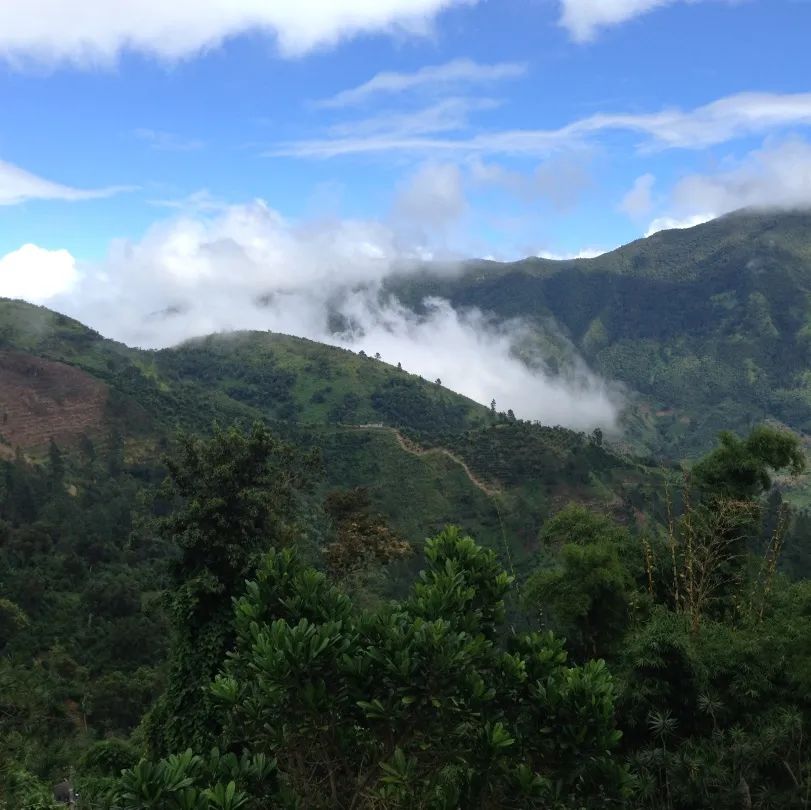
The name "Blue Mountain" coffee originates from the mountain range where it is grown. Located in the eastern part of Jamaica, this mountain range appears bluish in color due to its unique geographical location—when sunlight filters through the clear air and reflects off the Caribbean Sea, the resulting blue hues bathe the mountains, giving the range its name. Beyond its stunning scenery, the area also boasts exceptionally favorable conditions for coffee cultivation.
The Blue Mountains are situated near 15 degrees north latitude, within the global coffee belt. Most areas exceed 900 meters in elevation, with some reaching nearly 2,300 meters, making it highly suitable for growing Arabica coffee. In addition, the region’s soil is rich in volcanic nutrients, and the climate is consistently humid, misty, and evenly rainy, with annual precipitation reaching up to 1,980 millimeters. These conditions collectively contribute to the unique flavor foundation of Blue Mountain coffee.
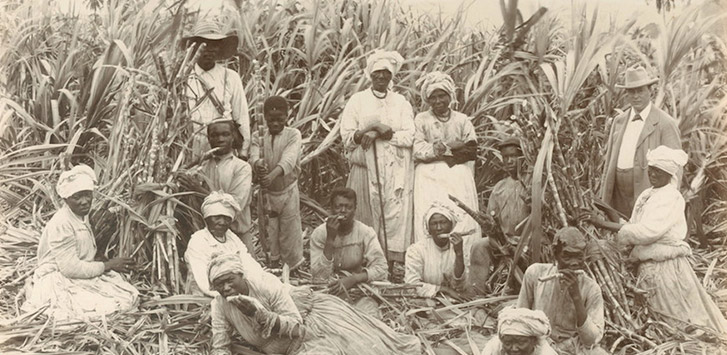
The history of Blue Mountain coffee cultivation dates back to the early 18th century. In 1717, King Louis XV of France ordered the trial cultivation of coffee in Jamaica. Subsequently, in the mid-1720s, then Governor of Jamaica, Sir Nicholas Lawes, introduced Arabica seeds from the French territory of Martinique and promoted their cultivation in the local Saint Andrew Parish, which remains one of the three main growing regions of Blue Mountain coffee to this day. The other two primary regions are Portland and St. Thomas. Within just eight short years, Jamaica had successfully exported over 375 tons of coffee beans, demonstrating its rapid early development.
By 1932, Jamaica’s annual coffee production had reached over 15,000 tons. Although output has declined since then, the quality has consistently remained high. In 1950, the Jamaican government established the Jamaica Coffee Industry Board (JCIB), responsible for setting and overseeing coffee quality standards and granting official certification marks to exported coffee. This move also made Jamaica one of the few coffee-producing regions in the world with a national-level coffee quality control system.
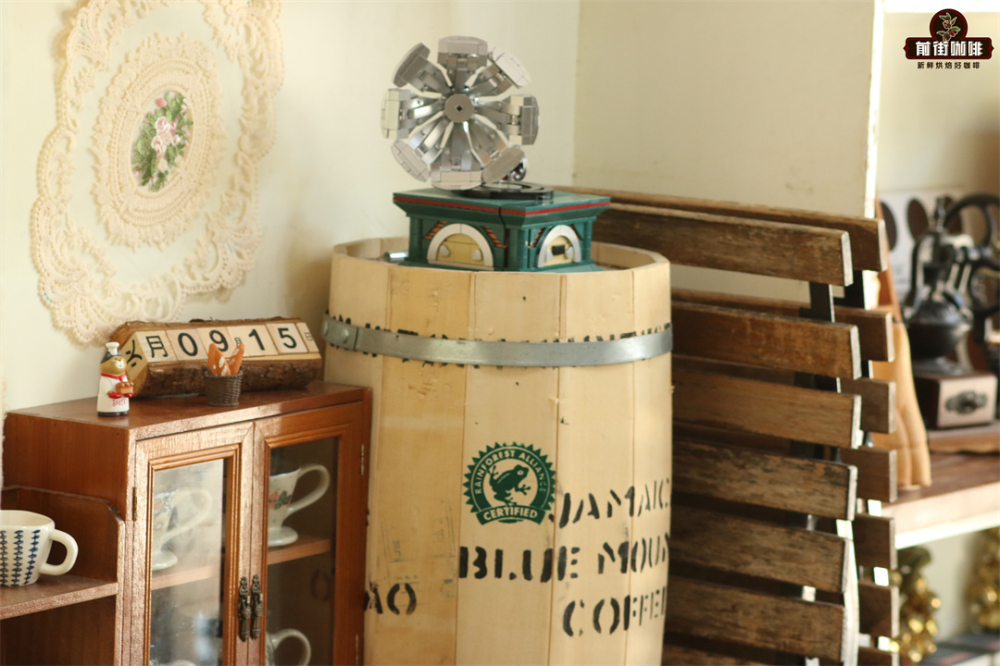
It’s worth noting that currently, only six officially certified institutions have the authority to represent the authentic origin of Blue Mountain coffee, including the Mavis Bank Central Factory and the Blue Mountain Coffee Cooperative Factory, among others. Additionally, Jamaica is one of the few countries in the world that still uses traditional wooden barrels to transport coffee beans. Prior to export, these beans must undergo rigorous inspection by the Coffee Industry Board of Jamaica (CIB) to ensure they meet the multiple standards of Blue Mountain coffee.
Regarding the flavor of Blue Mountain coffee, the most frequently mentioned traits are its "clean and balanced" characteristics. This is largely attributed to the Typica variety used and the washed processing method. Typica is one of the earliest Arabica varieties. Though it has low yield and weak disease resistance, it offers delicate flavor layers and soft aromas, making it one of the varieties that best showcases the terroir of its origin. The washed process effectively removes pulp and impurities, enhancing the bean's cleanliness and acidity expression, allowing the coffee to achieve an optimal balance of sourness, sweetness, and bitterness during tasting.
Under medium-dark roasting conditions, Blue Mountain coffee often exhibits pronounced notes of nuts and chocolate, accompanied by a gentle creamy aroma. Upon tasting, the acidity is bright yet not harsh, the sweetness is long-lasting, and the finish is refreshing with a pleasant aftertaste. Such flavor expression is a key reason why many coffee experts praise it as the "King."
However, one common misconception in the market is regarding all coffee produced in Jamaica as Blue Mountain coffee. In fact, according to the strict grading by the Jamaica Coffee Industry Board, Blue Mountain coffee is limited to beans grown at elevations between 910 and 1,700 meters. This zone accounts for only a small portion of the entire Blue Mountain range, spanning approximately 6,000 hectares. Coffee grown between 460 and 910 meters is classified as "High Mountain Coffee," while beans grown below 460 meters are labeled as "Jamaica Prime Coffee." Therefore, not every coffee labeled as "Blue Mountain" actually comes from the core Blue Mountain producing region.
Blue Mountain coffee is subdivided into three main grades based on quality: Blue Mountain, High Mountain, and Jamaica Coffee, with each category further divided into No. 1 and No. 2. Among them, "Blue Mountain No. 1" is the highest grade, offering the most outstanding flavor profile, followed by Blue Mountain No. 2, High Mountain No. 1, High Mountain No. 2, and finally Jamaica Coffee.
If you wish to experience a flavor similar to Blue Mountain No. 1 at home, you can refer to the following pour over recommendations: Choose a medium-dark roasted Typica bean, with a grind size recommended between medium-fine and medium (such as the coarseness of cereal). Control the water temperature between 90–92°C, using a 1:15 coffee-to-water ratio. It is recommended to use a pour over kettle with a "center-pour, slow-spiral" extraction method, with a total brewing time of about 2 to 2 minutes and 30 seconds. This will better highlight the layered and full-bodied qualities of Blue Mountain coffee.
The above content is compiled by CoffeeHunters, a coffee news website.


