







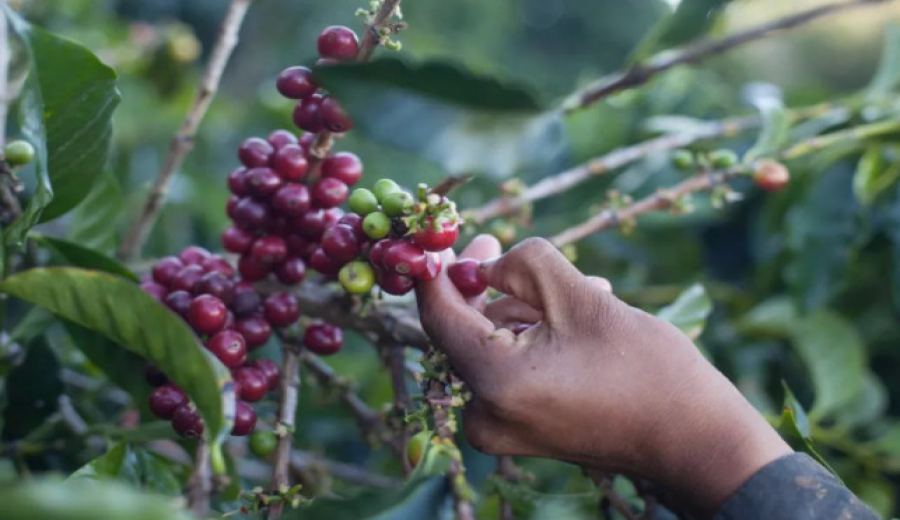
Introduction:Yirgacheffe is the most representative specialty coffee region in Ethiopia, renowned for its bright citrus notes and vibrant acidity. This article delves into its historical background of separation from Sidamo, explores its unique garden cultivation model, and thoroughly explains the flavor characteristics of the region as well as suitable processing methods. It also provides practical pour over parameters, including filter options, grind size, water temperature, and a three-stage pouring technique, to help coffee enthusiasts master brewing essentials and savor the unique charm of Yirgacheffe.
Ethiopia has long been a major source of global specialty coffee, with Yirgacheffe being the most iconic. As a sub-region of Sidamo, it captivates many coffee lovers with its distinctive citrus and lemon-like fruit aromas, paired with soft jasmine notes and a clean, bright acidity, making it a classic favorite.
Moreover, Yirgacheffe’s coffee culture has a long and rich history. Legend has it that a shepherd once discovered his sheep becoming unusually energetic after eating red berries, thus marking the legendary beginning of coffee. Though this is a folk tale, Ethiopians’ deep love for coffee is genuine and deeply rooted in daily life. Locals often roast and grind coffee beans at home, brewing them traditionally, sometimes adding spices to create a unique drinking culture.
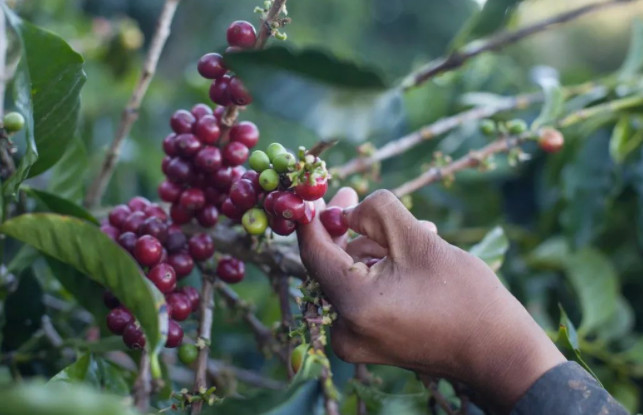
In Ethiopia, over half of the coffee comes from smallholder farmers using a garden cultivation model, also known as backyard coffee. Local farmers typically intercrop coffee trees with other plants like bananas, creating lush agricultural landscapes. Although individual households may not own large plots of land, they can usually maintain stable incomes. Due to limited individual yields, farmers deliver their harvested coffee cherries to local cooperatives or processing facilities for unified processing, which are then sold globally under the processing facility’s name.
Take Yirgacheffe as an example: the renowned Konga Cooperative in the area collects coffee cherries grown locally, using the washed processing method to preserve the beans’ fresh qualities while bringing out honey and pear-like aftertastes. This meticulous processing technique ensures that Yirgacheffe coffee retains excellent flavor even when served cold, making it highly favored in the international market.
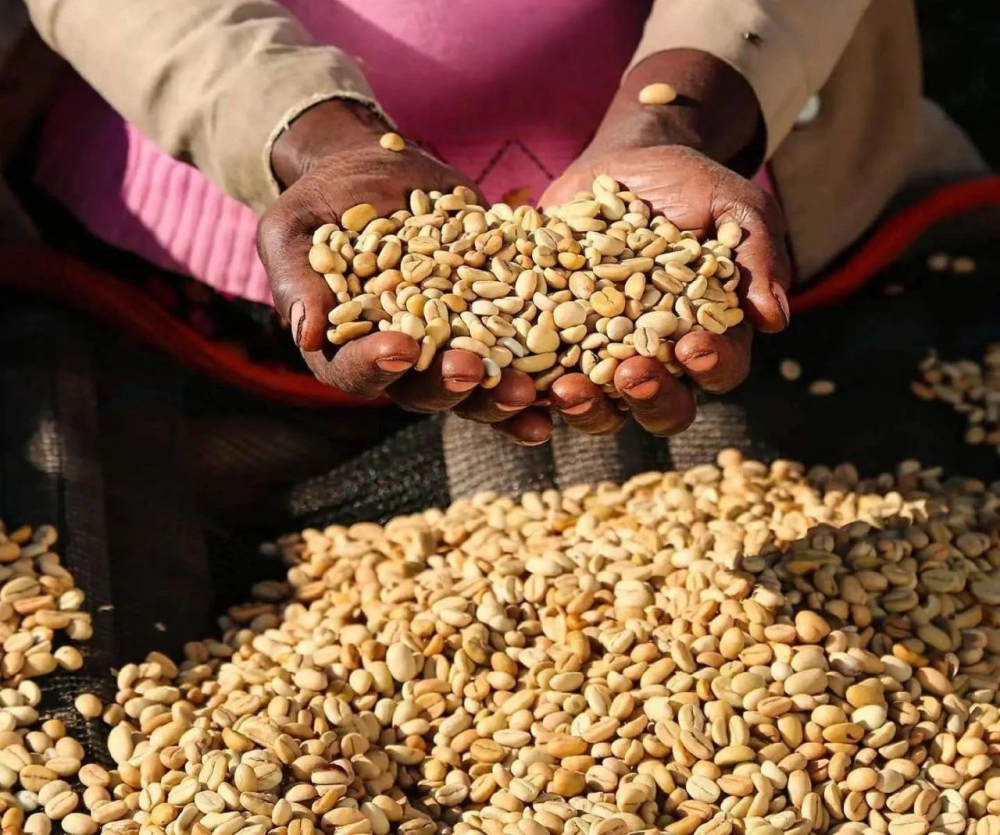
When discussing Ethiopia’s specialty coffee regions, Yirgacheffe and Sidamo are the two most frequently mentioned areas. In fact, Yirgacheffe was originally a sub-region under Sidamo, located to its northwest. In the early days, coffee from this area was mostly processed using traditional natural (sun-dried) methods, resulting in more straightforward flavors that didn’t differ much from other parts of Sidamo.
It wasn’t until the 1970s, when Yirgacheffe established the first washed processing station in Sidamo, introducing advanced washing techniques and equipment, that the citrus and lemon aromas in the coffee could be fully expressed. The flavor became clearer and brighter, gradually forming its unique characteristics. For this reason, Yirgacheffe officially separated from Sidamo to become a representative specialty coffee region, carving out a place in the global specialty coffee market.
According to the classification by the Ethiopian Commodity Exchange (ECX), the so-called “Yirgacheffe flavor” refers to coffee with distinct citrus and lemon fruit aromas, accompanied by soft floral notes and high acidity. In addition to Yirgacheffe town itself, coffee produced in areas such as Wenago in the north, Gelena Abaya in the west, and Kochere in the south can also be categorized under this flavor profile.

If you’d like to brew a cup of Yirgacheffe coffee yourself, here are some practical pour over parameters: it is recommended to use a V60 filter, with water temperature controlled at 92-93°C, a coffee dose of about 15 grams, a coffee-to-water ratio of 1:15, and a grind size similar to fine sugar, approximately 78% passing through a #20 sieve. For pouring, use the classic three-stage method: start with a bloom using twice the coffee dose in water for about 30 seconds to allow the coffee grounds to expand; then pour steadily in a circular motion until reaching 125 grams, pause until the coffee bed has descended by about half, then continue pouring to 225 grams; finally, wait for all the coffee to drip through before removing the filter and completing the brew.
Mastering these key points will allow you to easily experience the unique freshness and vibrancy of Yirgacheffe coffee at home, enjoying the pure flavors from the Ethiopian highlands.
The above content is compiled by CoffeeHunters, a coffee news website.


