







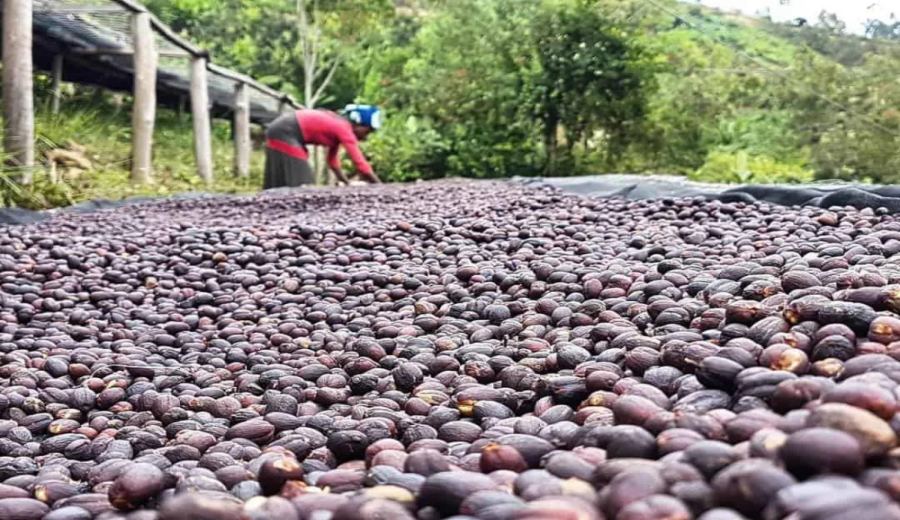
Introduction:Sidamo coffee is renowned for its rich body and captivating fruity aroma, especially the winey-chocolate notes brought by natural processing, making it a top choice for many coffee enthusiasts. This article delves into the flavor characteristics and common processing methods of Sidamo, while also providing practical pour-over grind size and brewing parameters to help you consistently extract juicy Sidamo coffee at home.
Sidamo coffee has always held a significant place in the specialty coffee market, and its greatest charm lies in the balance and depth of its flavors. Whether it’s the gentle fruit acidity, moderate sweetness, or full-bodied mouthfeel, this coffee achieves a perfect equilibrium. Particularly with naturally processed Sidamo, it often exhibits red wine-like acidity paired with intense cocoa sweetness, and some batches even exude an enchanting winey-chocolate nuance.
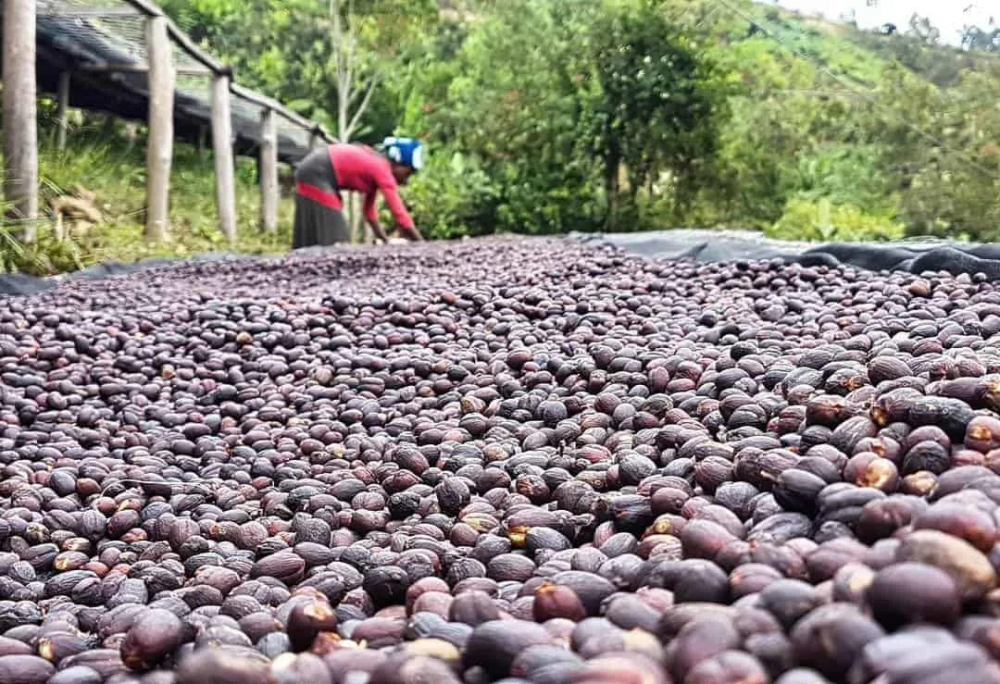
Among the many coffees from the Sidamo region, options such as Guji Hambela, Gedeb, or Alo Coffee showcase distinct personalities. When tasting, it’s recommended to take a light sip, savor the aromas unfolding in your mouth, and pay attention to the harmony among acidity, sweetness, bitterness, and astringency. Sidamo typically has a rather dense texture, with noticeably higher viscosity compared to most light-roast coffees, and its aftertaste lingers longer on the palate—another reason for its widespread acclaim.
The exceptional flavors of Sidamo coffee are inseparable from its growing environment and processing methods. The high-altitude cultivation conditions, coupled with significant day-night temperature variations, allow the coffee cherries to accumulate more complex flavor compounds. Especially during natural processing, the acidic-sweet reactions during fruit fermentation blend seamlessly with the coffee’s inherent cocoa profile, resulting in many batches that boast an alluring winey-chocolate character.
If you wish to experience the refined flavors of Sidamo coffee, it’s recommended to choose high-altitude single-origin beans processed naturally. These beans, benefiting from large day-night temperature differences, develop more vibrant fruitiness and sweetness. Coupled with the ample fruit notes absorbed during natural processing, a medium-light roast is sufficient to preserve their delicate aromas and complex layers. Whether using pour-over, cold brew, French press, moka pot, or clever dripper, you can extract a coffee experience bursting with juiciness.
Below are practical pour-over recommendations for Sidamo Guji Hambela, ideal for those looking to replicate professional flavors at home:
• Dripper: V60 #01
• Water temperature: 90-91°C
• Coffee dosage: 15 grams
• Coffee-to-water ratio: 1:15
• Grind size: EK43s setting 10 (approximately superfine sugar size; recommended to sieve with a #20 sieve to achieve 80% extraction rate)
For the pour-over steps, start by pouring 30 grams of water for a 30-second bloom to activate the coffee’s aromatic release. Then pour 95 grams of water (scale should read around 125 grams), aiming to complete this within about 1 minute. When the water level drops to about two-thirds of the coffee bed, pour the remaining 100 grams of water (scale should read around 225 grams), taking roughly 1 minute and 40 seconds to 1 minute and 45 seconds. The total brew time should ideally be between 2 minutes and 00 seconds to 2 minutes and 10 seconds. Once the coffee has fully dripped through, remove the dripper and enjoy a well-rounded cup of Sidamo pour-over coffee.
This Sidamo Guji Hambela, after pour-over brewing, typically emits the aroma of ripe citrus. Upon tasting, you’ll notice bright acidity from passion fruit and citrus fruits, transitioning into the sweet notes of tropical fruits like mango in the mid-to-late stages, with distinct and dynamic layers. If allowed to cool slightly, you can also appreciate a honey-like sweet aftertaste reminiscent of oolong tea, making the overall experience highly delightful.
The above content is compiled by CoffeeHunters, a coffee news website.


