







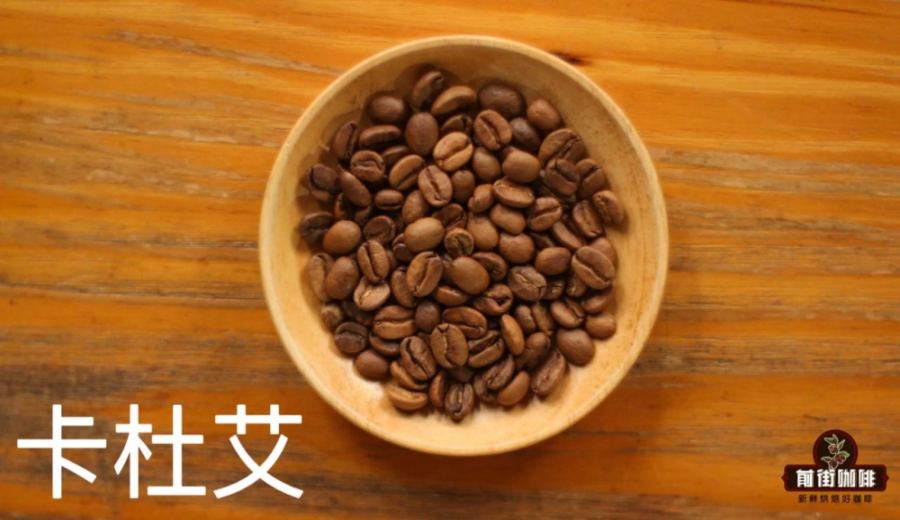
Introduction:Catuai is a classic Arabica variety originating from Brazil, resulting from a cross between Mundo Novo and Yellow Caturra. It is known for its high yield, resilience, and outstanding flavor. This article delves into its breeding background, its relationship with Caturra, and through a real-world example of the Anaerobic Natural process from Elida Estate in Panama, helps you master pour over brewing parameters and flavor characteristics. Whether you’re a beginner or an advanced enthusiast, you’ll find practical insights here.
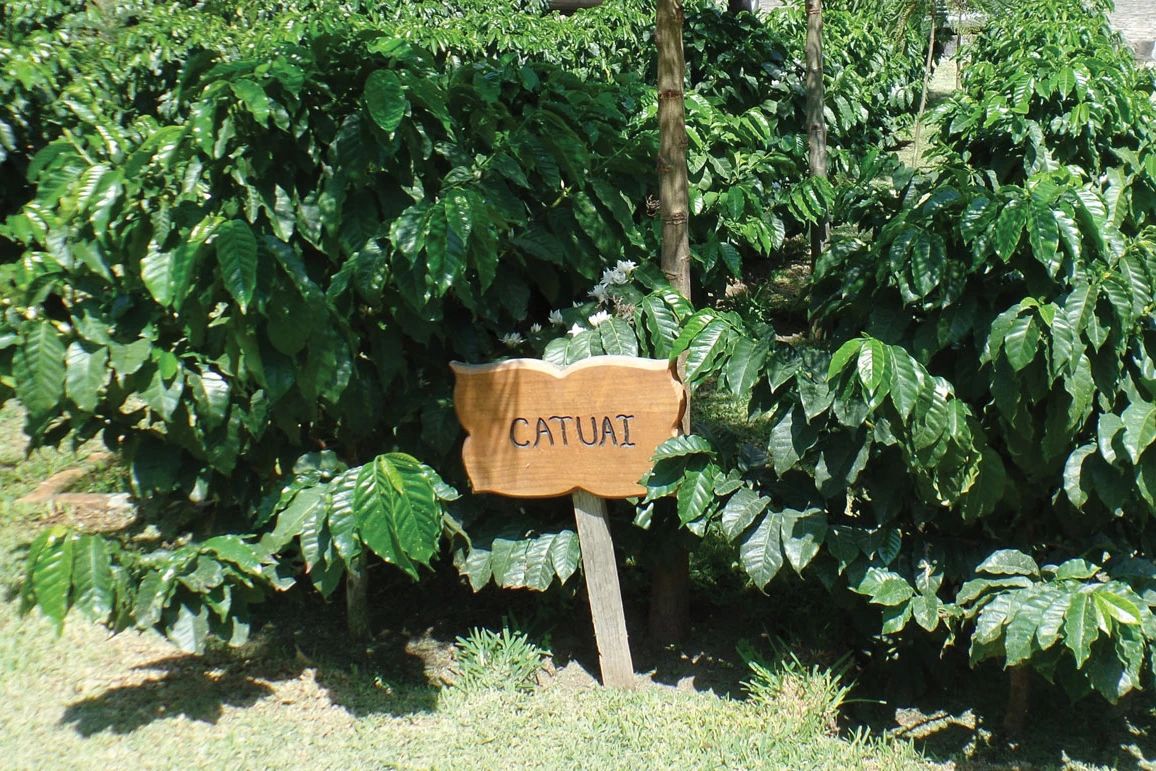
Catuai is a highly representative variety in the coffee-growing world. It was first successfully cultivated by the Agricultural Institute of São Paulo State (IAC) in Brazil, with parentage from Mundo Novo and Yellow Caturra, and was originally designated as ‘H-2077’. Mundo Novo itself is a natural hybrid of Bourbon and Typica, first discovered in 1943 in the Tirinhas region of São Paulo, Brazil. Catuai inherited Mundo Novo’s high productivity and disease resistance, while also incorporating Caturra’s compact plant size and good acidity expression. This makes it an excellent variety suited for high-density planting and easy management.
The reason this variety is named ‘Catuai’ comes from the Guaraní language, meaning ‘very good’, which fully reflects its outstanding overall performance. However, the early designation ‘H-2077’ did not score particularly high in cupping evaluations. Its greatest strength lies in its adaptability to the environment, wind and rain resistance, and pest and disease resistance. Especially in rainy or windy growing regions, Catuai shows extremely high stability. Coupled with its shorter plant stature, it is not only easier to harvest but also simpler to manage in terms of pest control.

Catuai has a compact tree structure, suitable for double-density planting, which can effectively increase yield per unit area. However, due to its vigorous growth, if not managed properly, it can be prone to leaf rust. Despite modest initial cupping results, its production and resilience advantages quickly drew attention from farmers and research institutions. Later, through pedigree selection by the Agricultural Institute of São Paulo State — which involves continuous generations of screening and cultivation targeting single superior plants — it was officially promoted in 1972, becoming one of the important varieties in Brazil’s coffee belt.
It’s worth noting that although Catuai is also widely planted in Central America, studies indicate that after transplantation, its yield performance may be slightly lower than when grown in Brazil. Even so, its stable disease resistance and good cupping potential still make it one of the choices for many estates. In addition, there are two variants of Catuai: red-fruited and yellow-fruited. Among them, yellow-fruited Catuai is favored in some producing regions such as Costa Rica for its bright acidity and rich fruity aroma. For example, the Beethoven coffee from Costa Rica’s Musician Series is made from 100% Yellow Catuai, showcasing highly distinctive tropical fruit notes and a clean mouthfeel.
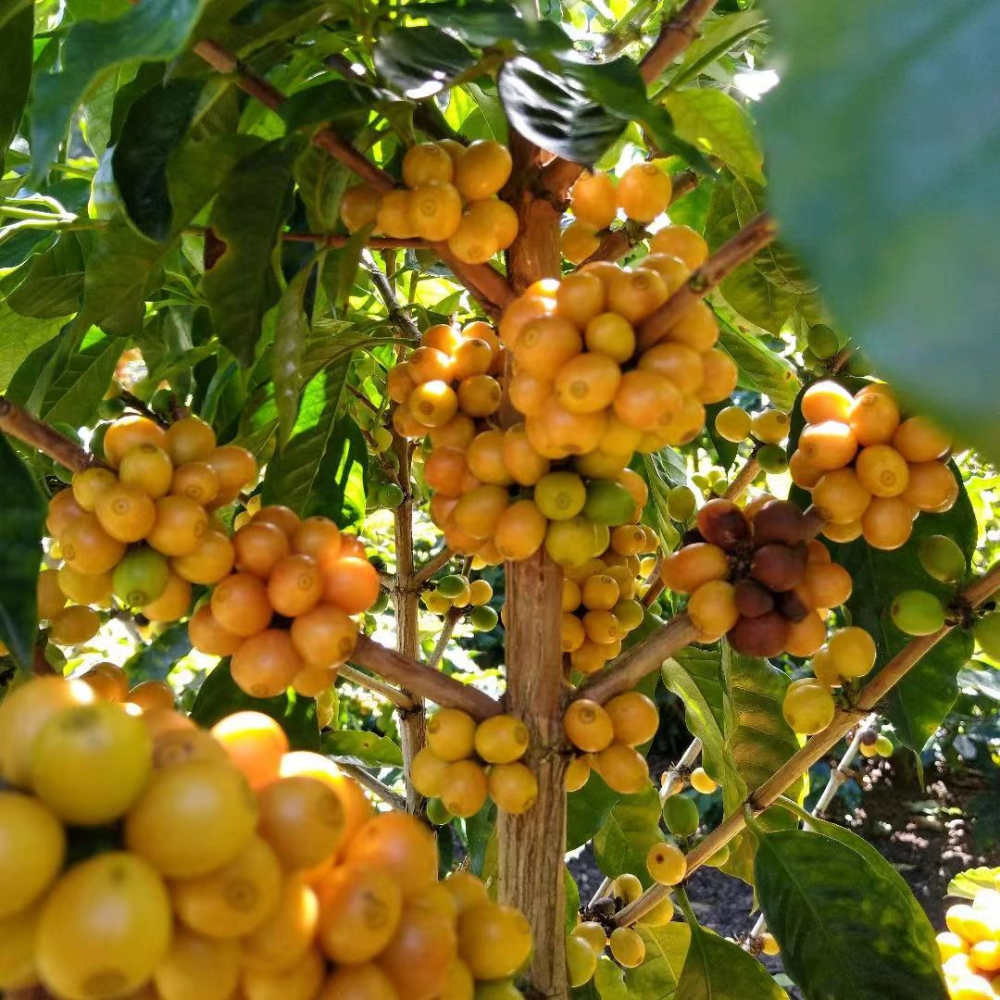
Many consumers often notice that both Caturra and Catuai frequently appear together in the variety field on coffee packaging, and this is no coincidence. In fact, because Catuai carries Caturra genes, the two share many overlaps in growth habits and cultivation management. Especially in places like Honduras and Costa Rica, many estates do not deliberately differentiate them during planting, mainly because secondary sorting would significantly increase labor costs, which is not cost-effective for small and medium-sized farms. As a result, many high-altitude specialty coffees from Latin America often list both Caturra and Catuai as the planted varieties.
Currently, Catuai is widely planted in Central and South American countries such as Brazil, Costa Rica, Honduras, and Panama. In addition to being sold as a single-origin variety, it is also commonly used as part of blends, appearing in well-known recipes such as Flower Dance (70% Geisha, Caturra, Catuai), Bach, and Mozart. For coffee lovers who enjoy exploring flavors from different regions, understanding the characteristics of Catuai helps more accurately identify the coffee’s flavor profile and processing style.
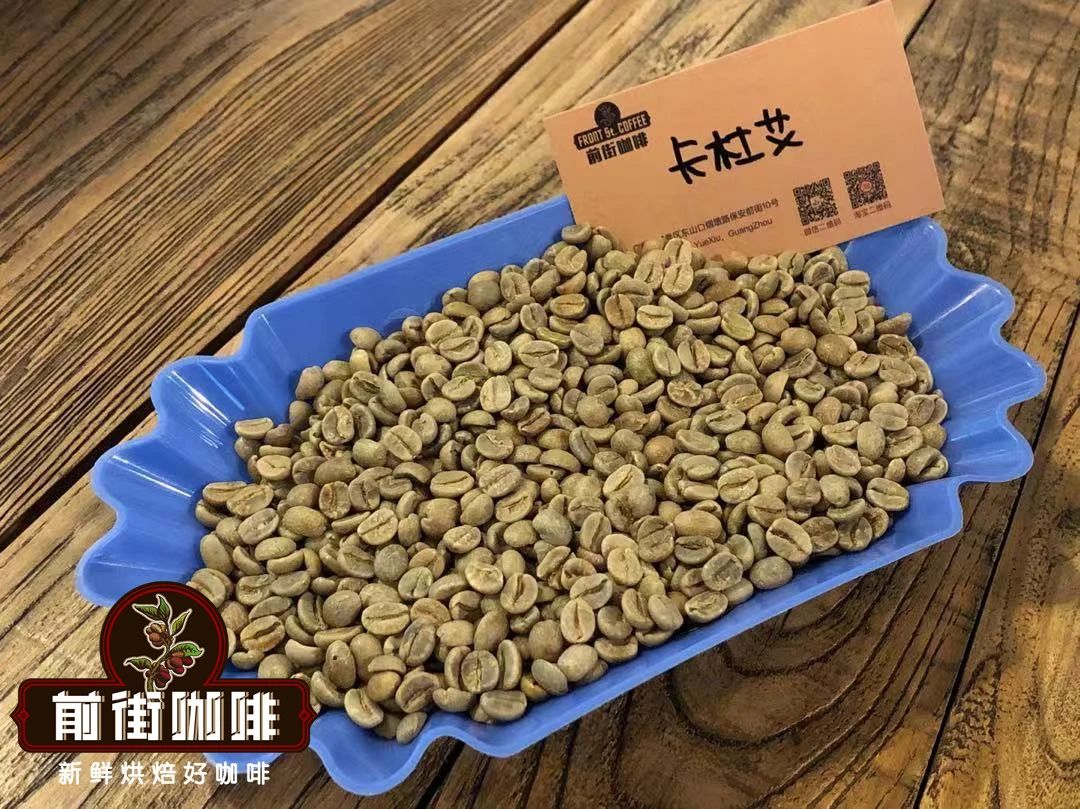
Take the Anaerobic Natural Catuai produced by Elida Estate in Panama as an example. These coffee beans are grown in a mountainous region at an altitude of 1,850 meters, representing a typical microclimate growing environment. Elida Estate was founded in 1918 by Robert Lamastus near the Barú Volcano in the Boquete region of Panama, and was named after his wife. With a planting history of over a hundred years, it is one of the most representative and long-established coffee estates in the area.
In the processing of this Anaerobic Natural Catuai, prolonged fruit fermentation allows the sugars and flavor compounds within the coffee pulp to fully penetrate into the seed, creating intense fruity aromas and sweetness. For pour over enthusiasts, mastering the correct extraction method can more fully highlight its layered flavors of peach, raisin, and orange.
It is recommended to use a fine grind size, approximately as fine as granulated sugar. The passing rate through an 850-micron sieve is suggested to be around 80%. The water temperature can be slightly increased; selecting 92°C helps bring out sweetness and aroma. A V60 dripper is recommended, as such brewing equipment can effectively accentuate fruity notes, especially suiting the sweet characteristics of this bean.
The recommended powder-to-water ratio is 1:16. When using 15 grams of coffee powder, the total water volume is 240 milliliters. Begin with a 30-gram bloom for about 30 seconds, which allows the coffee grounds to release CO₂ and open up the aroma. Then proceed to the second pour, adding a total of 150 grams of water. This stage is key to determining the overall flavor direction, and it is recommended to pour slowly in a circular motion from the center outward to ensure even extraction. Once the water level drops slightly, pour the final 60 grams of water to allow the coffee bed to expand again. Finally, wait for all the coffee liquid to drip through. The total brew time is best controlled at around 2 minutes.
The final brewed Elida Catuai delivers an entrance of distinct peach sweetness, rich raisin depth, and the bright acidity of orange. The mid-palate reveals the soft sweetness of cane sugar and melon, while the finish carries a hint of grapefruit tartness and the refreshing aftertaste of green tea. The overall profile is balanced and layered, making it highly suitable for coffee lovers who enjoy both fruity and sweet notes.

The above content is compiled by CoffeeHunters, a coffee news website.


