







Introduction:Indonesian Golden Mandheling, with its rich, velvety chocolate-like body and low acidity, has become the go-to choice for many coffee lovers seeking a full-bodied cup. This article will take you on an in-depth journey into its origin, the classic Sumatran wet-hulled processing method, and the stringent three-step manual selection criteria of PWN’s G1 grade. It also provides practical pour-over parameters using medium-dark roasting and a KONO filter to help you fully showcase its enticing flavors of nuts, black cocoa, and caramel sweetness.
Among the wide range of coffee offerings, Mandheling is renowned for its bold, rich profile with distinctive herbal and earthy notes, and Golden Mandheling stands out as a classic favorite among “full-bodied” coffee enthusiasts. These beans from Sumatra, Indonesia, not only offer a deep and steady mouthfeel but have also secured their place in the global specialty coffee market due to their unique post-harvest processing and rigorous selection procedures.
Sumatran Wet-Hulling: A Unique Process Shaped by Environment
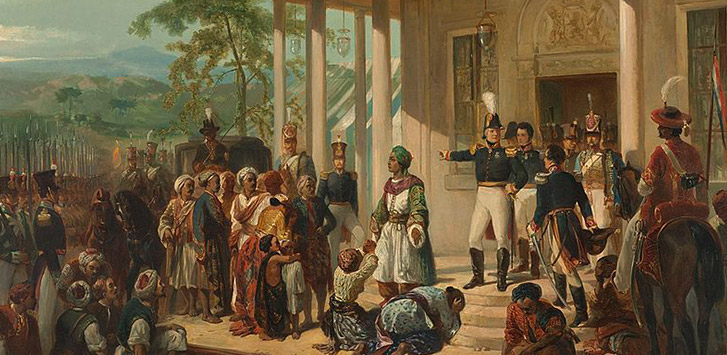
As a non-traditional origin of coffee, Indonesia’s coffee culture primarily stems from trade introduced during the Dutch colonial period. In the 18th century, to dominate the coffee trade, the Dutch established plantations in Java and later Sumatra, gradually making Indonesia one of the world’s major coffee exporters. However, the late 19th-century coffee leaf rust epidemic devastated Java’s coffee industry, making Sumatra the primary coffee-producing region in Indonesia today — with Mandheling being its flagship variety.
Sumatra’s hot and humid climate poses challenges for coffee processing. Traditional sun-drying methods require consistent sunlight, while washed processing demands substantial water and equipment — both of which are difficult for many small and medium-sized local farmers. As a result,Wet-Hulling (Giling Basah)emerged. This technique involves removing the outer parchment layer while the beans are still semi-dry, significantly shortening the drying time and contributing to Mandheling’s signature low acidity, boldness, and full body.
During the wet-hulling process, some processing mills shorten or even skip the fermentation step to reduce acidity, resulting in a heavier final flavor. However, this method can also cause the beans, being soft in their semi-dry state, to deform during hulling, creating what is known as "elephant foot beans" with subtle herbal or woody undertones — one of the unique hallmarks of Mandheling’s flavor profile.
Lintong Mandheling vs. Golden Mandheling: Differences in Region and Grade
In the offering list of a well-known coffee brand, Lintong Mandheling and Golden Mandheling are two representative beans from the Sumatran region. Lintong, as the traditional core area of Mandheling production, mostly offers entry-level beans often used to help beginners understand the basic flavor profile of Mandheling. These are typically processed via the washed method and are relatively more affordable.
In contrast, Golden Mandheling is known for its higher standards.The name “Golden” symbolizes its superior quality.Its beans come from PWN and are rigorously selected under G1 grade standards (beans sized 17/18 mesh, with no more than 3 defective beans per 300g of green coffee). Furthermore, the supplier performsthree rounds of manual sortingto thoroughly eliminate defects, ensuring a clean and distinctly sweet final cup — a key reason why this particular version of Golden Mandheling is easily recognized by professional baristas among many on the market.
Roasting & Pour-Over: How to Extract Boldness and Sweetness
Due to Mandheling’s inherently bold character, light roasting can easily accentuate undesirable off-flavors and obscure its unique traits. Therefore, the brand’s baristas opt formedium-dark roastingwhen handling Golden Mandheling, to fully highlight the classic Sumatran Mandheling notes of nuts, black cocoa, and a hint of caramel sweetness.
For pour-over brewing, it is recommended to usea KONO filterwith the following parameters to consistently bring out its full-bodied base and layered complexity:
- Water temperature: 88°C
- Coffee dose: 15 grams
- Brew ratio: 1:15
- Grind size: Approximately 70% passing through a standard Chinese No. 20 sieve (roughly medium-fine grind)
Because freshly roasted beans contain a lot of carbon dioxide that can inhibit flavor release, it is still advisable to perform a 30-second bloom when using beans 4–7 days after roasting. Specifically: pour 30g of hot water for the bloom and let it sit for 30 seconds, then slowly pour in water in a circular motion centered around the coffee bed until you reach 125g. When the water level is about to expose the coffee grounds, continue pouring in circles until the total brew reaches 225g, keeping the total extraction time around 2 minutes.
The finished Golden Mandheling starts with a bold profile of nuts and black cocoa, offering a smooth, full-bodied mouthfeel free of off-flavors and with a pronounced sweetness featuring caramel notes. As the cup cools slightly, some may also detect subtle hints of melon or other fruity aromas, adding further depth to the overall flavor experience.
The above content is compiled by CoffeeHunters, a coffee news website.


