







Introduction:As the birthplace of coffee, Ethiopia is home to numerous world-renowned specialty coffee regions. This article provides an in-depth analysis of six highly representative Ethiopian pour over beans, including those from Yirgacheffe, Sidamo, and the Kafa Forest. From altitude, processing methods to flavor profiles, it offers detailed reference information and practical advice to help coffee enthusiasts find the beans that best suit their taste.
Ethiopia is hailed as the cradle of coffee, not only boasting a long history of cultivation but also being a holy grail for global specialty coffee lovers. The country’s coffee is known for its unique acidity, rich aroma, and clean taste, making Ethiopian beans a favorite among both beginners and seasoned coffee aficionados. This article will take you through six classic Ethiopian pour over coffee regions, from Yirgacheffe to the Kafa Forest, analyzing their regional characteristics, processing techniques, and flavor expressions to give you a deeper understanding of these highly acclaimed beans.
1. Yirgacheffe Washed: A Classic Representative of Bright Citrus and Floral Notes
Yirgacheffe is a well-known town in southern Ethiopia, located on a plateau at an altitude of 1700 to 2100 meters, making it one of the highest-altitude coffee-growing regions in the world. The area enjoys a cool and humid climate, with year-round fog and abundant moisture from Lake Turkana and Lake Chamo, creating an exceptionally favorable environment for coffee cultivation.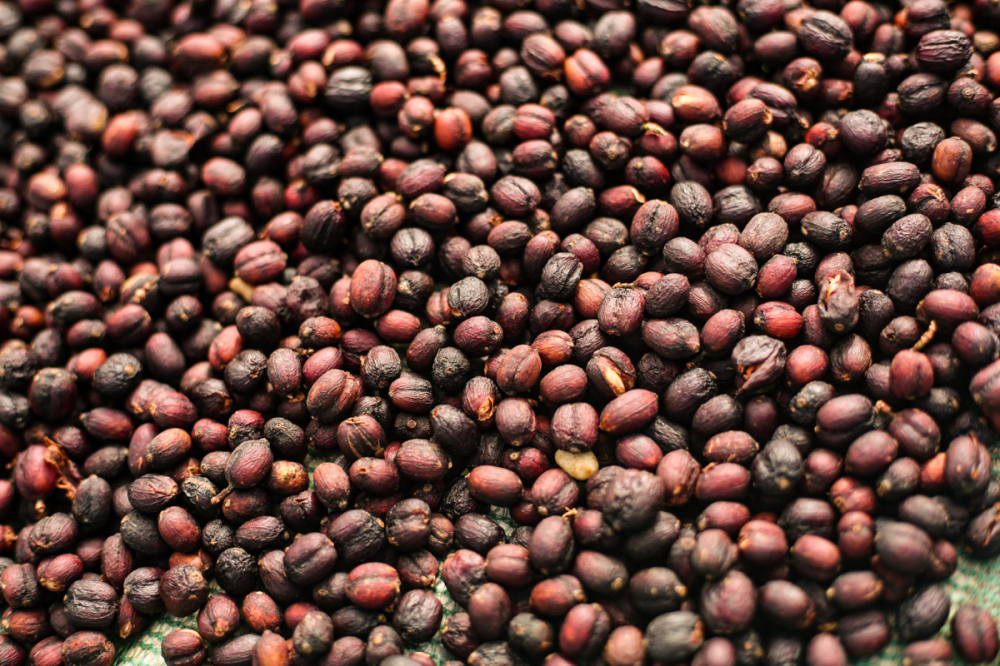 The washed Yirgacheffe coffee produced locally is renowned for its bright lemon acidity, delicate jasmine floral notes, and tea-like mouthfeel. It has a light body and a refreshing aftertaste, reminiscent of sipping a highland lemon green tea.
2. Guddina Cooperative: An Elegant Creation of Subtle Citrus and White Floral Notes
The Guddina Cooperative is located in the Wolkait region, southeast of Yirgacheffe. Originally part of the Yirgacheffe Coffee Farmers Cooperative Union (YCFCU), it became independent in 2012. The cooperative consists of about 300 farmers and emphasizes traceability and quality management. During processing, the coffee pulp is removed early to enhance the inherent aroma of the beans. This coffee typically exhibits soft citrus and lemon tones, accompanied by delicate white floral notes, with a bright and layered flavor profile, making it ideal for those who prefer a fresh style.
3. Natural Red Cherry: A Perfect Fusion of Intense Fruit Aroma and Honey Sweetness
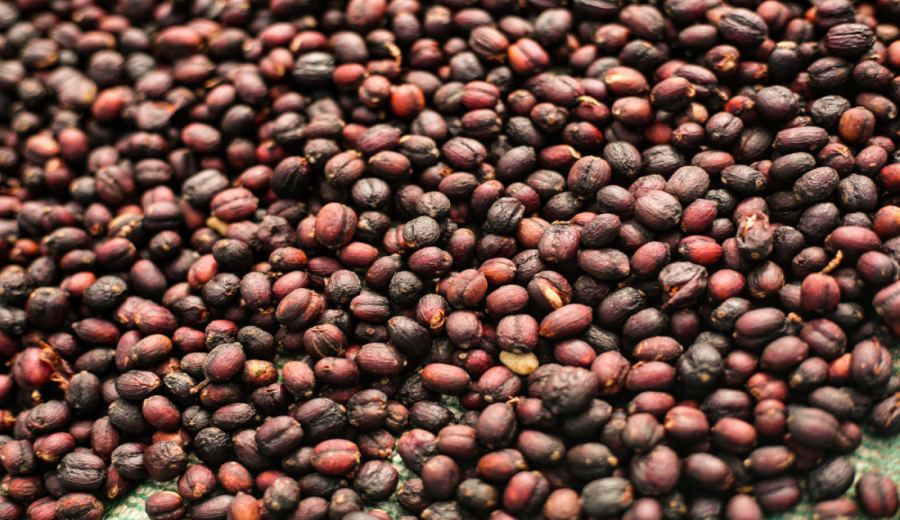
Unlike washed processing, natural (sun-dried) coffee beans are dried in the sun for about two weeks, allowing the sugars from the fruit pulp to fully penetrate the beans, resulting in a richer sweetness and fruitiness. A well-known brand’s Yirgacheffe Red Cherry Project natural beans undergo a rigorous selection process, with defective beans removed, presenting layered flavors of peach, cocoa, honey, and lemon. The cup is sweet and full-bodied, perfect for those who prefer intense fruit aromas and sweetness.
4. Natural Huakui: A Sidamo Classic Blending Berries and Mango
Sidamo, located in southern Ethiopia, is another globally renowned coffee region. Although Sidamo was once defined to include Yirgacheffe and Guji, it is now independently delineated. Sidamo coffee is typically vibrant in acidity and rich in aroma, making it an ideal choice for those who enjoy balanced flavors. A brand’s Natural Huakui is a case in point, with intertwined aromas of berries, citrus, and mango, exuding a mellow richness akin to black tea, and offering a complex yet lingering aftertaste.
5. Hamashu 74158: A JARC Disease-Resistant Variety with Intense Aroma
The Hamashu washing station is also located in the Sidamo region, known for its outstanding quality and unique flavor, and has won awards in Ethiopian coffee competitions multiple times. The station primarily uses disease-resistant varieties from the JARC (Jimma Agricultural Research Center) 74 series, among which 74158 is noted for its small bean size and prominent floral and fruity aroma. A brand’s Hamashu 74158 coffee boasts enticing aromas of perfumed lemon, strawberry, and starfruit, with a cup that highlights distinct sweet notes of strawberry, starfruit, and green grape, followed by a subtle floral finish. It is a highly distinctive specialty bean.
6. Kafa Forest: The Green Tea Flavor and Pristine Charm of Wild Coffee
The Kafa Forest is one of the few regions in Ethiopia that still preserves wild coffee trees. These trees grow in mountain forests at altitudes of 1400 to 2100 meters, nourished by shade, red soil, and ample rainfall. A brand’s Kafa Forest coffee is medium-light roasted, and upon grinding releases a pronounced white floral aroma. The cup features a bright lemon acidity, followed by the fruity notes of sweet orange and bergamot, with hints of melon and nuttiness in the finish. The overall profile resembles green tea, offering a uniquely fresh and distinctive taste.
In summary, Ethiopia’s six specialty pour over coffees each have their own unique characteristics and flavor profiles. Whether you prefer bright fruit acidity, rich sweetness, or the pristine charm of a green tea-like taste, you can find your ideal choice among these beans. Understanding their regional backgrounds, processing methods, and flavor characteristics will help you make more informed decisions when selecting and brewing, further enhancing your pour over coffee experience.
The above content is compiled by CoffeeHunters, a coffee news website.


