








Introduction:Want to make a rich and smooth latte at home? In addition to choosing the right coffee beans, the type and proportion of milk are key. This article will delve into the essential elements of making a latte, including the pairing principles of coffee beans and milk, the ideal ratio range, as well as how to correctly extract espresso and steam milk, helping you easily master the blending technique before latte art and create a professional-grade latte.

A memorable latte depends not only on technique but also on the precise control of ingredients and proportions. Coffee enthusiasts often wonder why lattes taste different at every café. The answer lies in the choice of coffee beans and the quality of milk. Even with the same recipe, differences in ingredients can lead to completely distinct flavor experiences.

First, the choice of coffee beans directly influences the overall flavor profile of the drink. For example, Italian-style blends often exhibit strong notes of nuts, chocolate, or caramel, while some blends better highlight the inherent sweetness and silkiness of milk. Take the Sunflower Warmth Blend as an example—it combines Yirgacheffe Red Cherry and Honduran Sherry, offering a gentle bitterness along with captivating sherry, vanilla cream, and brown sugar flavors. It pairs exceptionally well with milk, making it a classic choice for crafting an outstanding latte.

Aside from coffee beans, the choice of milk is equally important. While full-fat fresh milk is commonly available, its texture and consistency can vary significantly. Some have an overpowering milkiness that can mask the delicate flavors of coffee, while others are too light, resulting in a thin overall mouthfeel. The ideal milk should complement the coffee, enhancing its creaminess without overshadowing its layers of flavor.

As for the golden ratio of coffee to milk, there’s no absolute standard, but it’s generally recommended to fall between 1:5 and 1:8. This range allows for flexible adjustments based on personal taste and the flavor profile of the espresso being used. For instance, when using the Sunflower Warmth Blend, a tested ratio of 1:6 (40 grams of espresso with 240 milliliters of steamed milk) delivers a velvety blend of chocolate and milk flavors, achieving a balanced yet layered taste.

To successfully make a delicious latte, two fundamental skills are indispensable: extracting a stable and flavor-concentrated espresso, and steaming milk to achieve a fine, velvety, and properly tempered microfoam. It’s recommended to use about 20 grams of coffee grounds to extract 40 grams of espresso, with a brewing time controlled between 25 to 30 seconds, yielding an ideal concentrated base. For the milk foam, aim to expand the milk’s volume slightly, creating a silky microfoam with a temperature maintained between 55 to 60 degrees Celsius—this ensures a smooth mouthfeel and prevents layer separation.

Next comes the crucial step of blending. Evenly mixing the espresso and steamed milk ensures every sip offers a harmonious flavor. The ideal blend should present a uniform color on the surface, known as the "golden crema ring," with no noticeable large bubbles and a smooth, refined finish. This not only affects the visual appeal but also directly determines whether the texture is smooth and the flavors consistent.
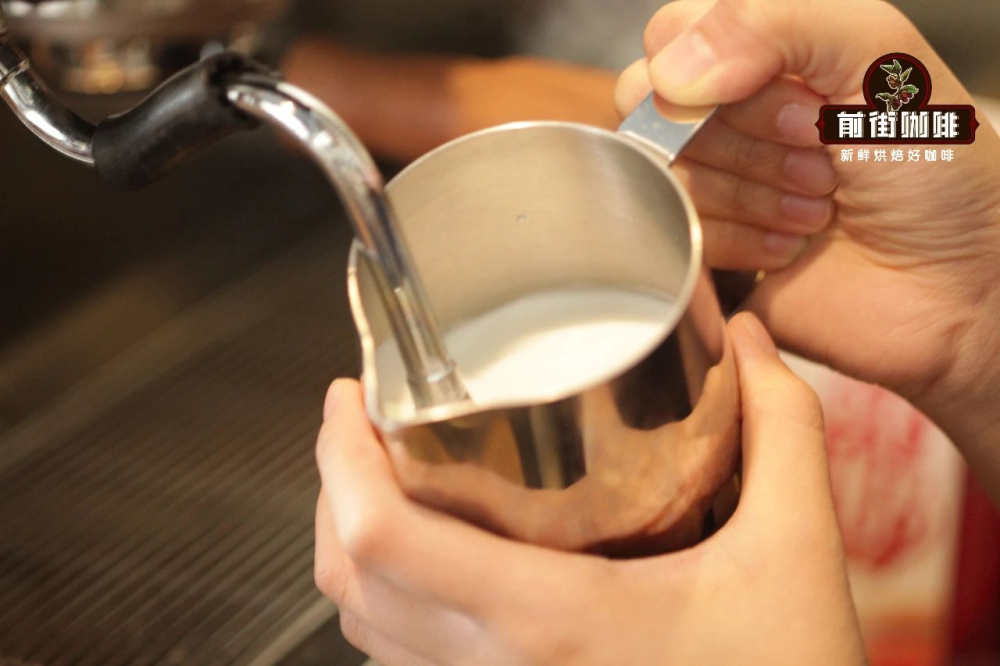
Regarding blending techniques, first ensure both the coffee and milk foam are of high quality: the espresso should have a rich crema, and the milk foam should be fine and fluid. If the foam is too thick, it tends to float on the surface, leading to uneven blending. Before starting to blend, gently shake the cup and milk pitcher to encourage liquid flow, which helps facilitate smoother subsequent blending. Additionally, maintain a spout-to-liquid surface distance of about 5 to 10 centimeters—too high can create bubbles, while too low may cause the foam to accumulate on the surface.

During actual operation, it’s recommended to blend in a single circular motion, coordinating both hands, using variations in height and speed to thoroughly mix the coffee and milk. Try to avoid the cup walls while circling—covering a larger area ensures more even blending. At the same time, pay attention to stabilizing the angle of the cup and gradually adjust to achieve the optimal blending state.
The above content is compiled by CoffeeHunters, a coffee news website.


