







Introduction:Although Americano may seem like just espresso diluted with water, brewing a cup with balanced flavor and distinct layers hinges on the precise pairing of bean variety and extraction parameters. This article delves into the characteristics of two major types of coffee beans—blends and SOEs—and explores their differences in flavor expression. Through real-world examples, it explains the blend ratios and recommended extraction settings for different flavor profiles (acidic, bold, or balanced), along with detailed tasting steps to help you fully grasp the essence of a great Americano through aroma, appearance, and taste.
The basic method of making an Americano is to dilute espresso with hot or cold water. However, what truly influences its flavor lies not only in the brewing method but also in the type of coffee beans used and their roast level. Generally, Americanos are made with medium-dark to dark roasted beans, but in recent years, more baristas have opted for light-to-medium roasted blends or single-origin (SOE) beans to highlight different aromatic and textural layers.
Commonly used Americano beans can be divided into two main categories: blends and single-origin espresso beans (SOEs). Blends are typically composed of two or more types of beans, aiming to combine the strengths of beans from different regions—for example, balancing acidity, enhancing sweetness, or stabilizing the flavor profile. On the other hand, SOEs use beans from a single origin, better showcasing the unique regional characteristics, such as bright citrus notes, rich berry aromas, or deep chocolate flavors.
The composition of blends requires strategic planning. It’s recommended to base the blend on three types of beans, as using too many varieties can muddy the flavors and obscure the overall character. For instance, if a bean has a rich body but lacks aroma, it can be paired with another variety that offers floral and fruity notes. Through complementary strengths, a more harmonious and layered taste experience can be created. Additionally, blends can effectively compensate for certain flavor shortcomings of single-origin beans, such as boosting overall acidity brightness or enhancing sweetness.
In contrast, SOEs emphasize the pure expression of regional flavors and place stricter demands on the quality of the beans themselves. High-quality SOEs often yield more distinctive and personality-driven flavors, but if the beans have defects, those flaws will also be magnified—hence the relatively higher production threshold. This is why SOE espressos or Americanos made from them are usually priced slightly higher than typical blends.
Below, we take three common blends as examples to illustrate the blend ratios, characteristics, and recommended extraction parameters for three flavor profiles—acidic, bold, and balanced—allowing you to adjust according to personal preference to create your ideal Americano.
First, for those who enjoy fruity acidity and fresh flavors, we recommend the “Sunflower Warm Sun Blend.” This blend consists of 70% Honduran Sherry beans and 30% Ethiopian Yirgacheffe Red Cherry beans. Its flavor profile features pronounced fruity acidity, accompanied by subtle berry aromas and a hint of wine-like notes, with a rich chocolatey finish and lingering sweetness. It is recommended to use a dual-filter dripper with 18g of coffee grounds (±1g tolerance), extracting 36g of coffee in 28 seconds, then pouring the coffee into a 330ml cup pre-filled with ice and water. For a bolder taste, reduce the water volume; for a lighter profile, increase the water slightly.
For those who prefer a bold texture, the “Commercial Blend” is a solid choice. This blend is composed of Colombian, Brazilian, and a small amount of Robusta beans in a ratio of 3:6:1. The overall flavor presents a caramel-like sweetness, complemented by nutty, cocoa, and dark chocolate aromas, with a well-balanced acidity and sweetness, a slightly bitter-sweet finish, and a long-lasting aftertaste. The recommended extraction parameters are the same as above: 18g of coffee grounds, extracting 36g in 28 seconds, then pouring into a 330ml cup with ice and water. This recipe suits those who enjoy a full-bodied texture and deep aromas.
If you’re looking for a neutral, easy-to-approach option, consider the “Premium Blend.” This blend mainly consists of Colombian and Brazilian beans in a 3:7 ratio. Its flavor is characterized by mild acidity, natural sweetness, and a nutty aftertaste, offering a smooth and non-aggressive profile with medium crema thickness, making it ideal for daily consumption. Using 18g of coffee grounds, extract 36g in 28 seconds, then pour into a 330ml cup with cold or hot water—it’s a highly versatile Americano base.
These three blends each produce Americanos with distinctly different flavor personalities. For bright fruitiness and a refreshing finish, choose the Sunflower Warm Sun Blend; for bold richness and deep chocolate notes, the Commercial Blend is more fitting; if you prefer a mild and balanced option for everyday enjoyment, the Premium Blend is the ideal choice.
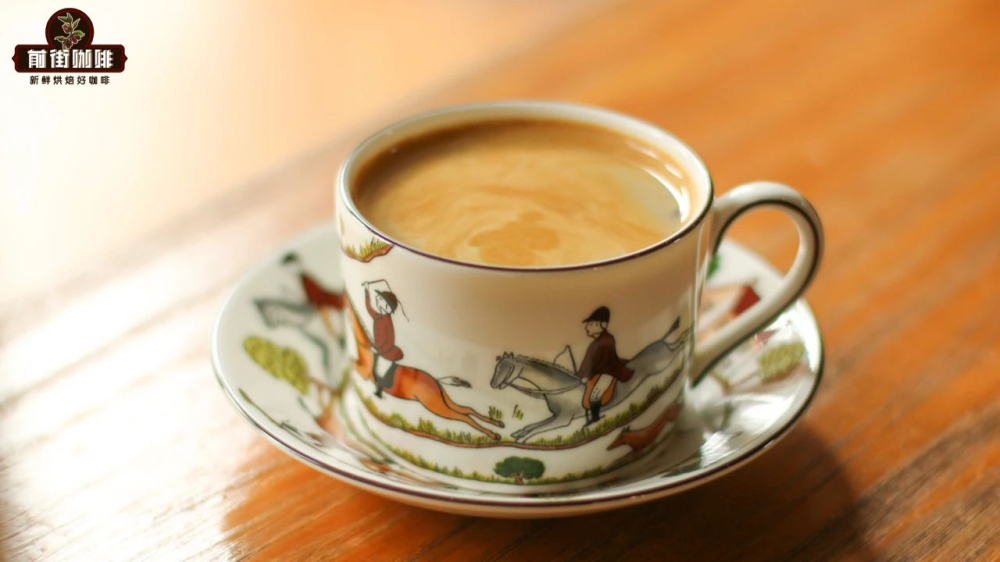
Finally, when tasting an Americano, it’s recommended to follow these steps for a detailed experience: First, bring your nose close to the rim of the cup to capture the layered aromas; next, observe the color of the coffee liquid—the ideal hue should be deep brown, not pitch black; finally, take small sips to first assess the basic balance of acidity, sweetness, bitterness, and body, then hold the coffee in your mouth for a few seconds to allow it to fully interact with saliva and air before swallowing slowly, to fully appreciate the aftertaste and overall harmony. Through this tasting process, you’ll gain a deeper understanding of the design ingenuity and flavor philosophy behind each blend.

The above content is compiled by CoffeeHunters, a coffee news website.


