








Introduction:To brew a specialty pour over coffee with distinct layers and clear flavors, the key lies in mastering three essential elements: the coffee-to-water ratio, grind size, and pouring rhythm. This article uses practical examples to analyze the ideal extraction concentration range recommended by SC-AA, and explains how the 1:12 to 1:15 coffee-to-water ratios influence flavor expression. It also delves into the three-stage extraction process, using actual coffee bean examples to help you confidently master pour over techniques from beginner to advanced level.
To brew a pour over coffee with rich, multi-dimensional flavors at home, every step—including the coffee-to-water ratio, grind coarseness, and pouring technique—is crucial. Many coffee enthusiasts, when trying it for the first time, often end up with coffee that’s either too weak or over-extracted due to improper parameters. Based on hands-on practice, this article details how to determine an appropriate coffee-to-water ratio within the ideal concentration range suggested by the SCAA (Specialty Coffee Association of America)—specifically between 1:12 and 1:15—and walks you through the full pour over process using the example of 15 grams of coffee grounds with 225 grams of water for a single serving.
As the name suggests, the coffee-to-water ratio refers to the proportion of the weight of coffee grounds to the final volume of extracted coffee liquid. According to the SCAA, the ideal concentration for a cup of pour over coffee should fall between 1.2% and 1.45%, which translates to a practical coffee-to-water ratio of approximately 1:12 to 1:15. This range allows the coffee’s acidity, sweetness, and bitterness to balance well—neither too thin nor overly intense.
In practice, many coffee shops and enthusiasts, after repeated testing, opt for 1:15 as their everyday standard ratio. This ratio not only suits most types of coffee beans but also results in a gentler and more layered extraction. Of course, taste is subjective—some may prefer a slightly stronger 1:14, while others might enjoy a lighter 1:17. It’s recommended to fine-tune according to your personal taste preferences.
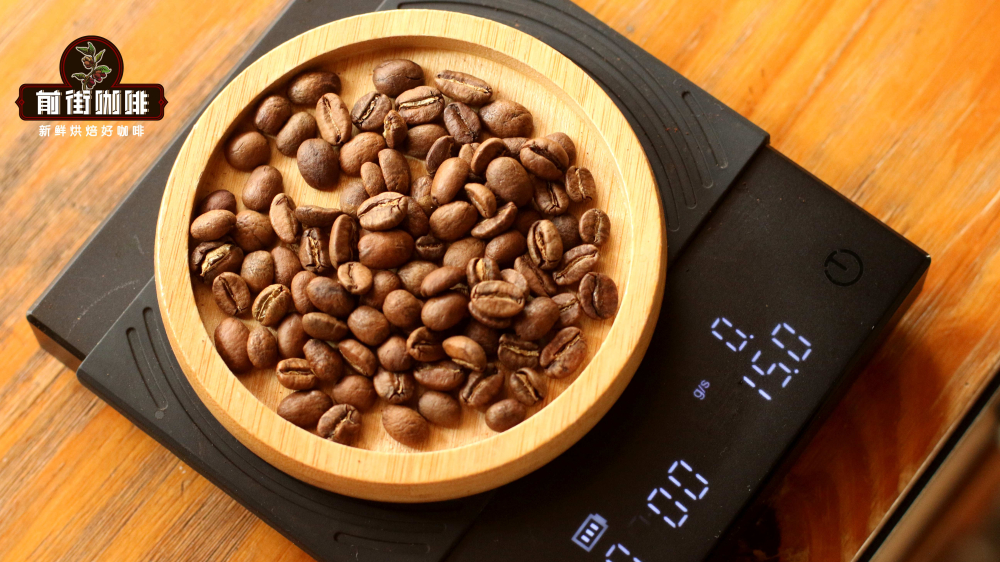
Recommended Coffee and Water Amounts:: For a single serving, using 15 grams of coffee grounds with 225 grams of water is the most common and easiest combination to control, fitting perfectly with a medium-sized cup.
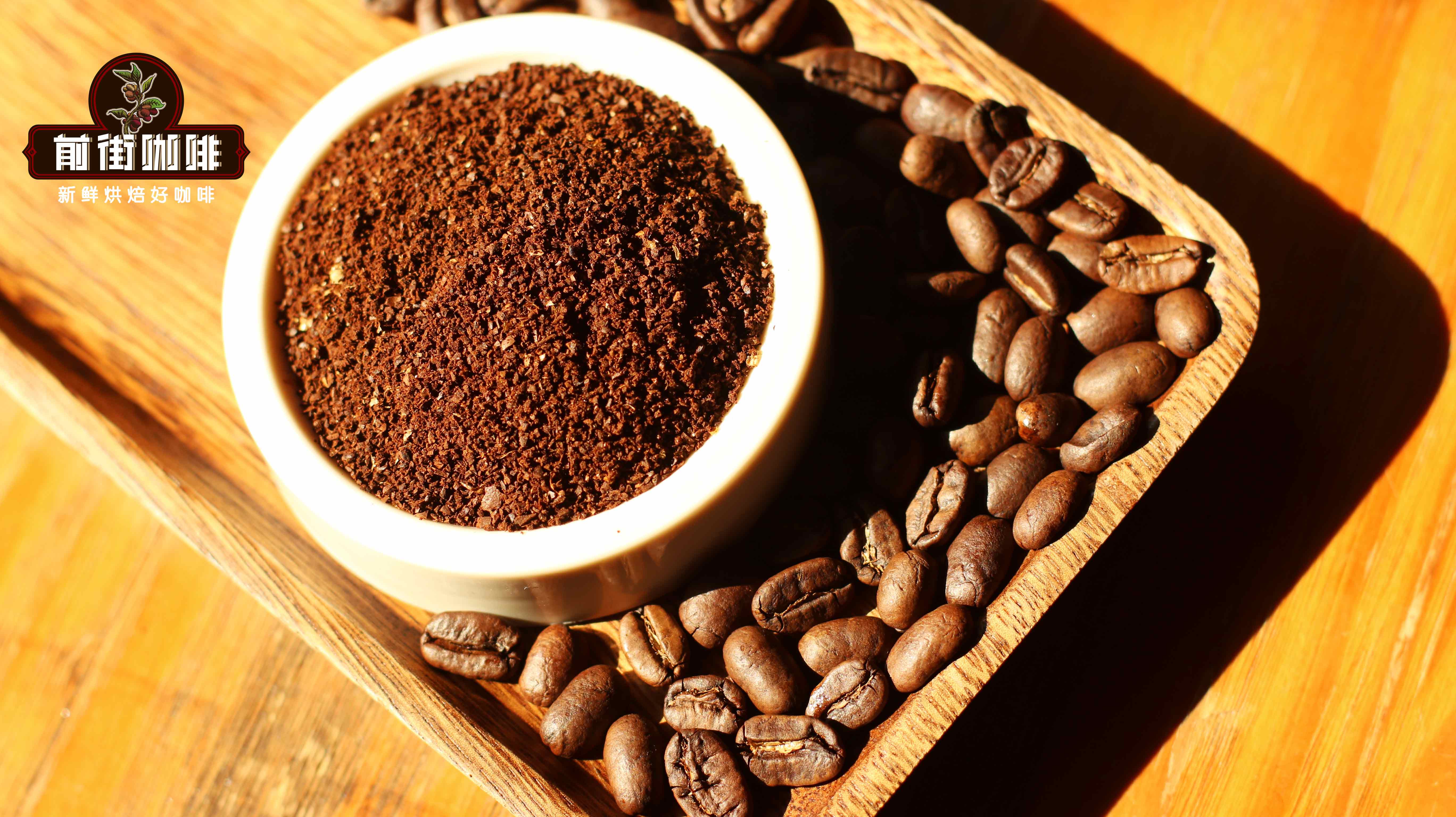
The coarseness of coffee grounds directly affects the speed of water flow and overall extraction efficiency. Generally, the grind size needs to be adjusted based on the roast level of the coffee beans and the flavor profile you wish to achieve. Commonly available grinders such as Xiao Fei Ying, Xiao Fuji, Baratza Encore, or Huijia can all deliver stable grinding performance. Among them, the Baratza Encore is one of the models frequently chosen by coffee shops.
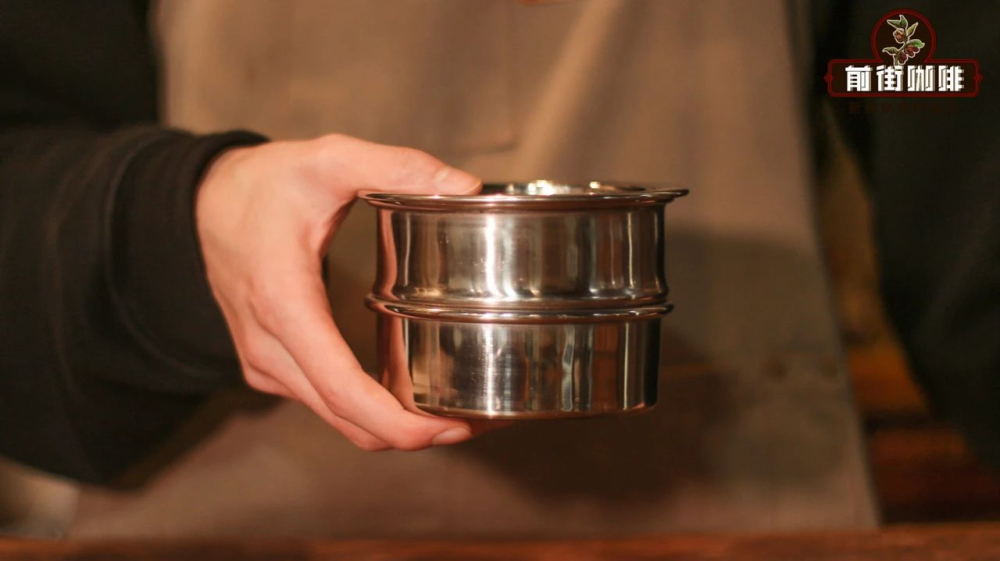
How to determine if the grind size is appropriate? One coffee brand uses the “China Standard No. 20 sieve” as a benchmark, aiming for about80% of the ground coffee to pass through the sieve. This standard ensures the coffee particles are of moderate size—effective for extraction without being too fine, which could lead to over-extraction or a gritty texture.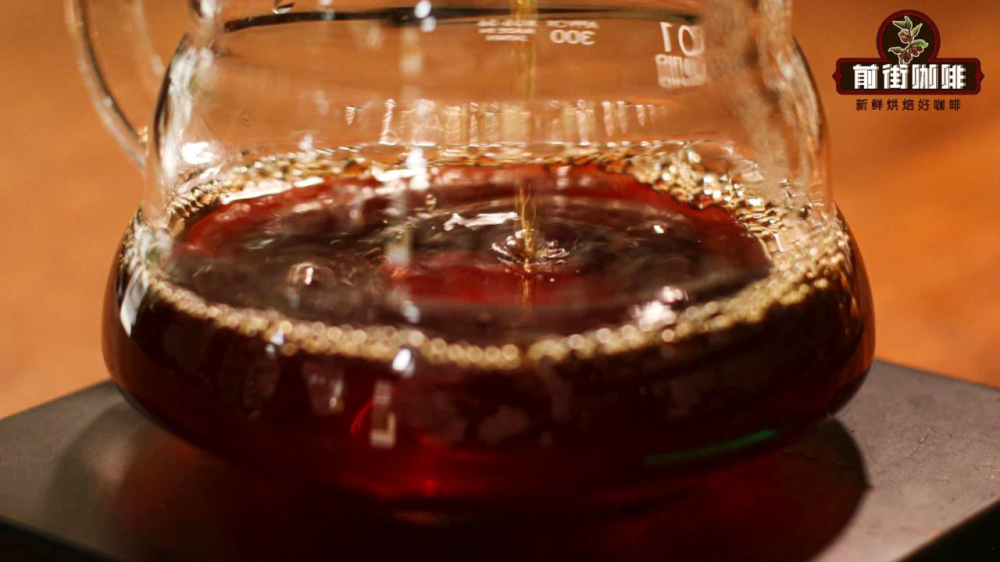
However, it’s important to note that even for grinders of the same brand and model, actual performance may vary slightly between machines. It’s recommended to retest grind coarseness regularly to maintain extraction consistency. Additionally, many assume that dark roasts must be ground coarser and light roasts finer, but this actually relates to bean density and extraction speed. Dark roasts, due to their looser structure, often produce more fine particles under the same grind settings, resulting in a higher sieving rate compared to light roasts.
One of the essences of pour over coffee lies in using a segmented pouring method to gradually highlight different flavor characteristics at various stages. The commonly used three-stage pouring method controls the total time to aroundtwo minutes, divided into the bloom, second pour, and third pour. This clearly distinguishes the coffee’s top, middle, and base notes, giving the cup a more layered flavor profile.
First Stage: Bloom (about 30 seconds)
This step primarily aims to help freshly ground coffee release carbon dioxide in preparation for subsequent extraction. It’s recommended to use about 30 grams of water, poured evenly over the center of the coffee bed, allowing the moisture to gradually seep in and displace gases. Typically, when the surface of the coffee bed stops expanding and begins to wrinkle, the bloom is complete, and you can proceed to the next pour. If using freshly roasted coffee beans, it’s advised to let them degas for at least three days before brewing for optimal flavor.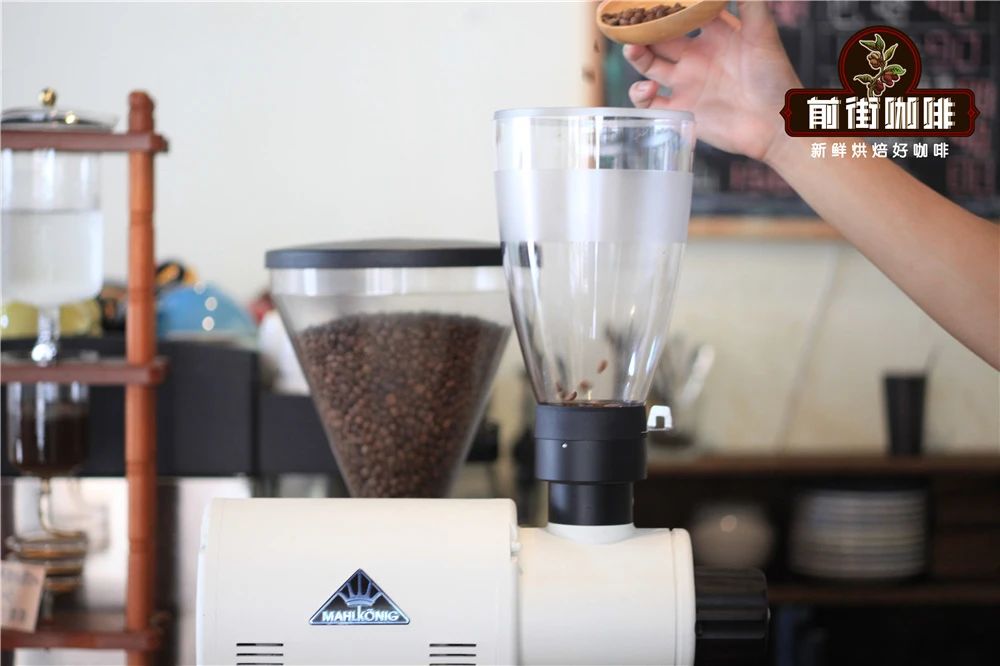
Second Pour
After the bloom, begin the main pouring phase. This stage recommends using a steady and fine stream of water, pouring in a circular motion starting from the center of the coffee bed. Proper water control ensures even saturation of the coffee grounds. The pouring area should start from the inside and gradually expand outward, but avoid making the circle too large to ensure even extraction. This stage generally lasts about 30 seconds, with a total time of around one minute (including the bloom).
Third Pour
When the water level gradually drops and approaches the surface of the coffee bed, begin the final pour. At this stage, be careful not to let the water stream directly hit the bottom of the coffee bed. Instead, pour slowly in a circular motion from the center, maintaining the water level so the coffee bed doesn’t fully expose. Usually, pouring stops at 1 minute and 50 seconds, allowing the coffee liquid in the filter to finish dripping through bytwo minutes exactlyto achieve the most balanced extraction.
For example, using the popular bean “Ethiopia Yirgacheffe Konga,” the recommended parameters are as follows:
Filter:: Hario V60
Water Temperature:: 90°C
Coffee Grounds:: 15 grams
Coffee-to-Water Ratio:: 1:15 (i.e., 225 grams of water)
Grind Size:: 80% passing through the China Standard No. 20 sieve
Pouring Technique:: Start with 30 grams of water for a 30-second bloom, then pour in small circles until the total reaches 125 grams for the first segmentation. Once the water level drops and is about to expose the coffee bed, pour again to reach 225 grams. Finally, let it sit until the 2-minute mark before removing the filter. The overall extraction yields pronounced citrus notes and honey-like sweetness, with balanced acidity and sweetness, and a juice-like, bright, and refreshing mouthfeel.
By mastering these basic parameters and steps, you too can brew a professional-grade pour over coffee at home and enjoy the wonderful experience of rich, layered flavors in every sip.

The above content is compiled by CoffeeHunters, a coffee news website.


