








Introduction:Delve into the mysteries of Kenyan coffee—from regional characteristics, a rigorous grading system, to the classic washed processing method. Explore the unique flavor differences between AA and PB grades, and receive expert pour-over recommendations and roasting parameters. Whether you're new to African beans or pursuing precision extraction, this guide will help you master the essence of Kenyan coffee.
Kenyan coffee is renowned worldwide for its pronounced fruity acidity and vibrant fruit aromas. Its unique quality grading system and exquisite washed processing techniques have made it a key benchmark in the specialty coffee industry. This article will systematically break down Kenya's coffee-growing regions, the complete E-to-T grading logic, compare the flavor profiles of the AA and AB grades in detail, and further explore the unique charm of PB peaberry beans. It also includes practical roasting suggestions and V60 pour-over parameters, fully presenting the critical links from origin to cup.

The modern development of Kenyan coffee began during the colonial period in the early 20th century. When the British colonial government discovered that the fertile highland areas were highly suitable for coffee cultivation, they vigorously promoted commercial planting and established an export system oriented toward London. The establishment of the Scott Agricultural Laboratories in 1922 was a milestone. Researchers selected SL28 and SL34 from 42 candidate varieties—two legendary varieties that still account for 90% of Kenya’s coffee plantings today—laying the foundational acidity and flavor profile of the country’s coffee.
The involvement of the Kenyan government has had a profound impact on standardizing the industry. The establishment of the Coffee Growers Cooperative Union in 1931, the Nairobi Coffee Exchange launched in 1937, along with the grading system formulated in 1938, together formed a quality control system. Among them, the grading standards of AA, AB, PB, etc., not only serve as the basis for market transactions but also directly reflect the physical characteristics and potential flavor expressions of the coffee.
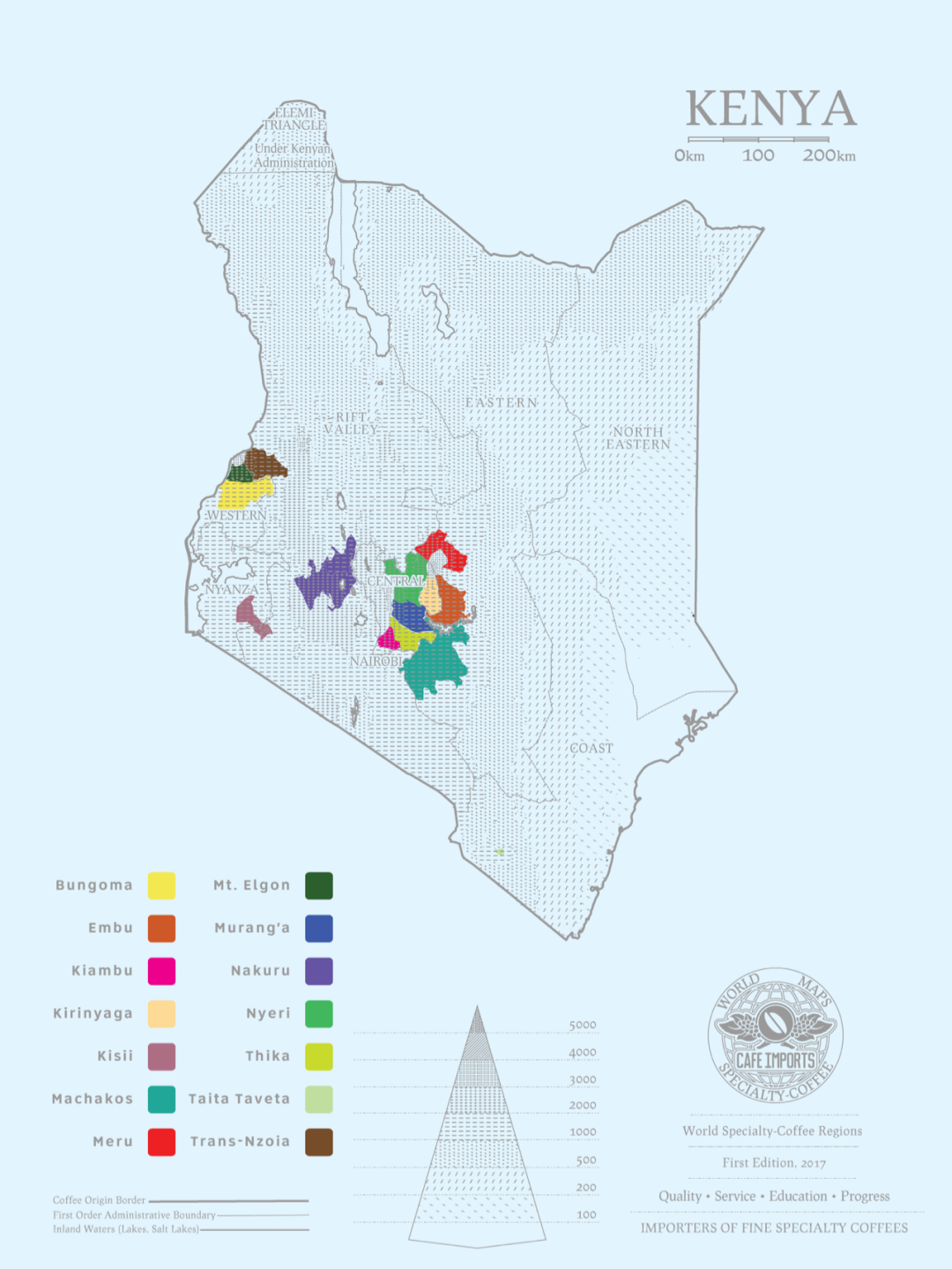
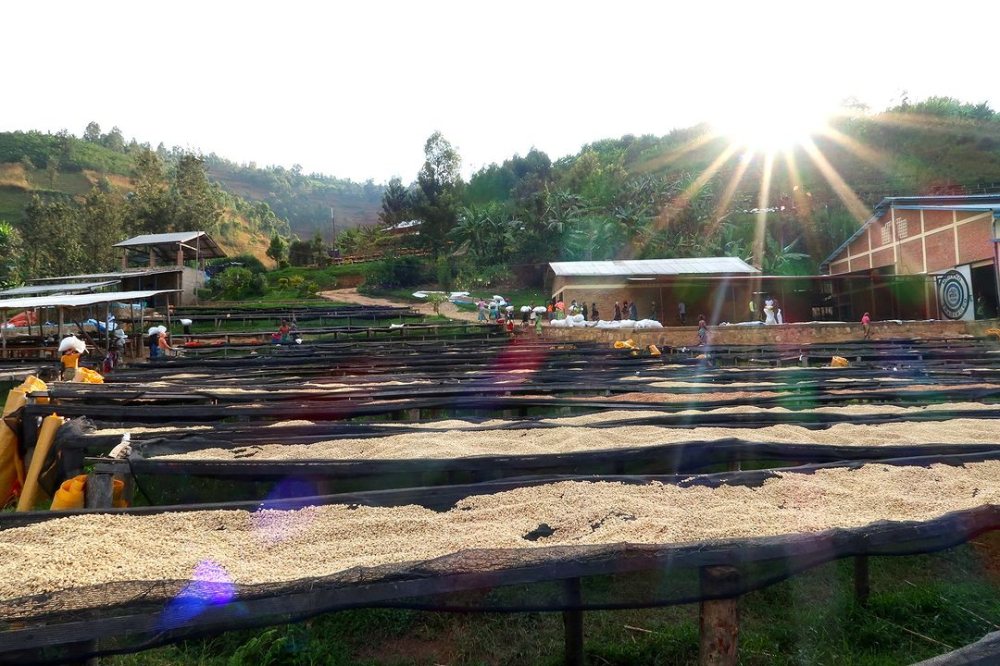
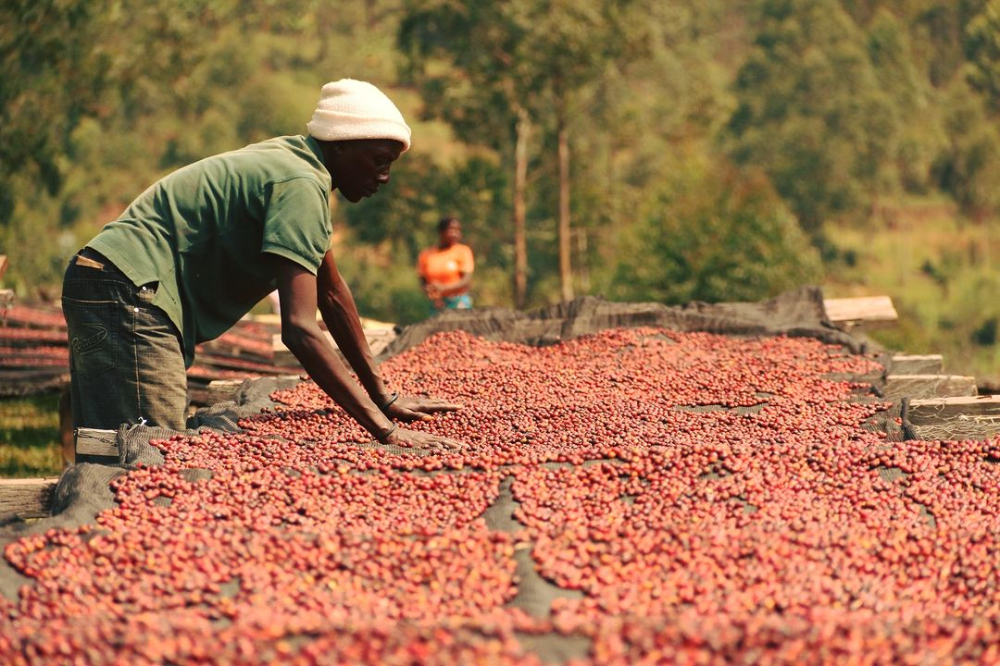
Kenyan coffee is mainly grown in volcanic red soil regions at altitudes of 1400 to 2000 meters. This acidic soil, combined with significant day-night temperature variations, promotes slow maturation of the coffee cherries, allowing them to accumulate richer flavor compounds. The harvest season is divided into the main harvest period (March to July) and the secondary harvest period (September to October). Central producing regions such as Nyeri and Kirinyaga are known for their bright citrus notes and delicate acidity, while the western region of Kisii exhibits unique fruity sweetness and nutty tones.
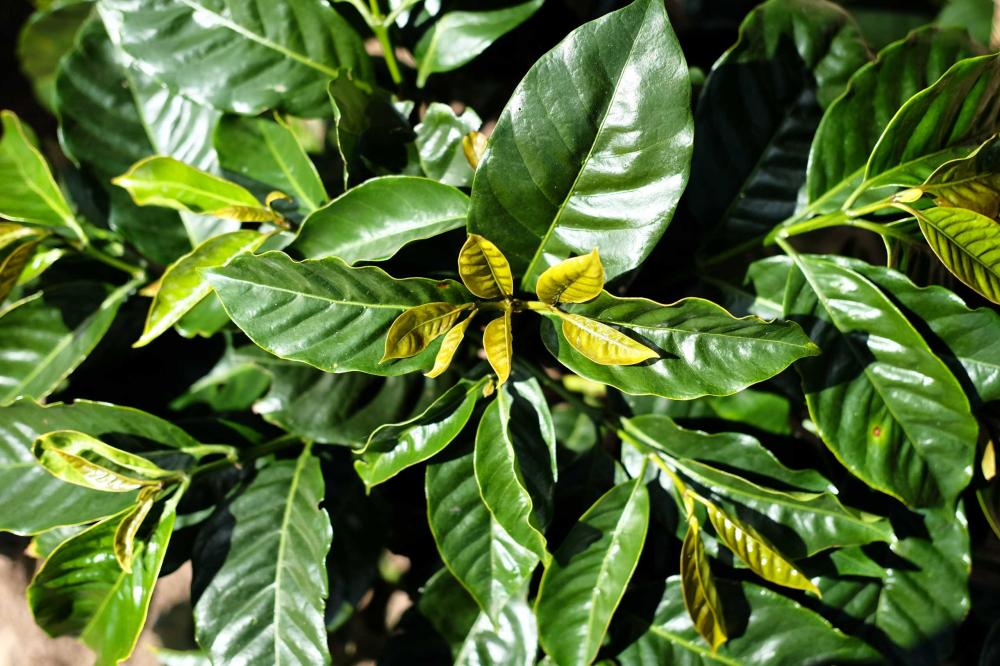
The current production and sales system consists of over 3,000 large farms (covering 25% of production) and 270 farmers' cooperatives (serving 700,000 smallholders). The cooperative model has developed shared wet mills since the 1960s, enabling small-scale producers to steadily output high-quality beans. Notably, the SL28 and SL34 varieties—bourbon and typica genetic strains—are known for their intense acidity and complex fruit aromas, which have become the flavor signature of Kenyan coffee.
Kenya uses a multi-dimensional grading system, primarily based on green bean size and shape:
• E Grade (Elephant Bean): Extra-large beans formed by the unusual fusion of two seeds (above 18 mesh), rare in production
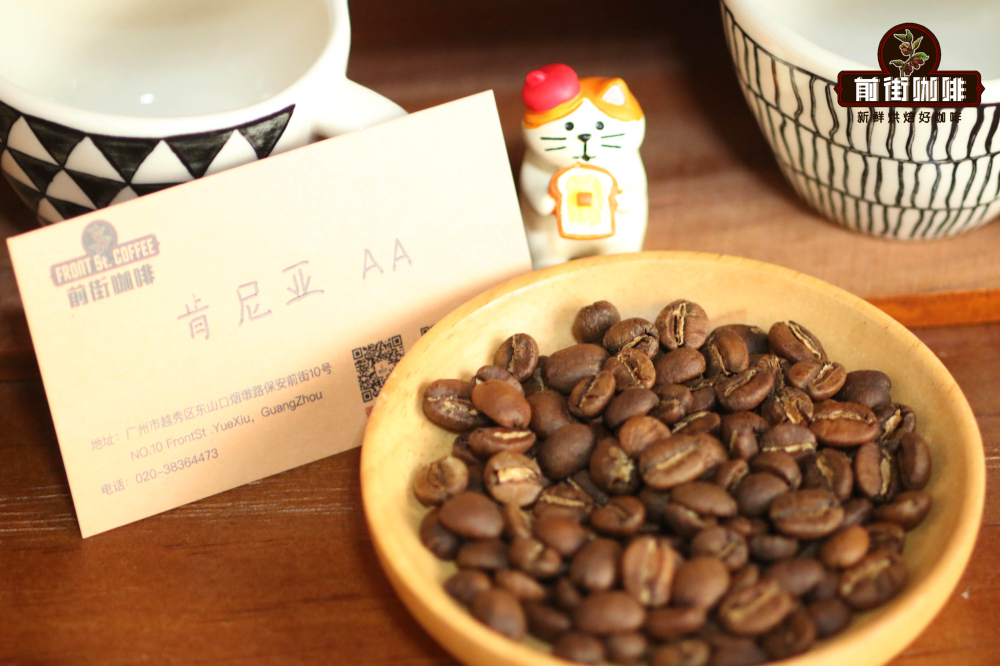
• AA/AATOP: Top-grade specification of 17–18 mesh (6.7–7.1 mm), commonly found in the specialty market
• AB Grade: A mix of A (6.8 mm) and B (6.2 mm) sized beans, making up the majority of circulation
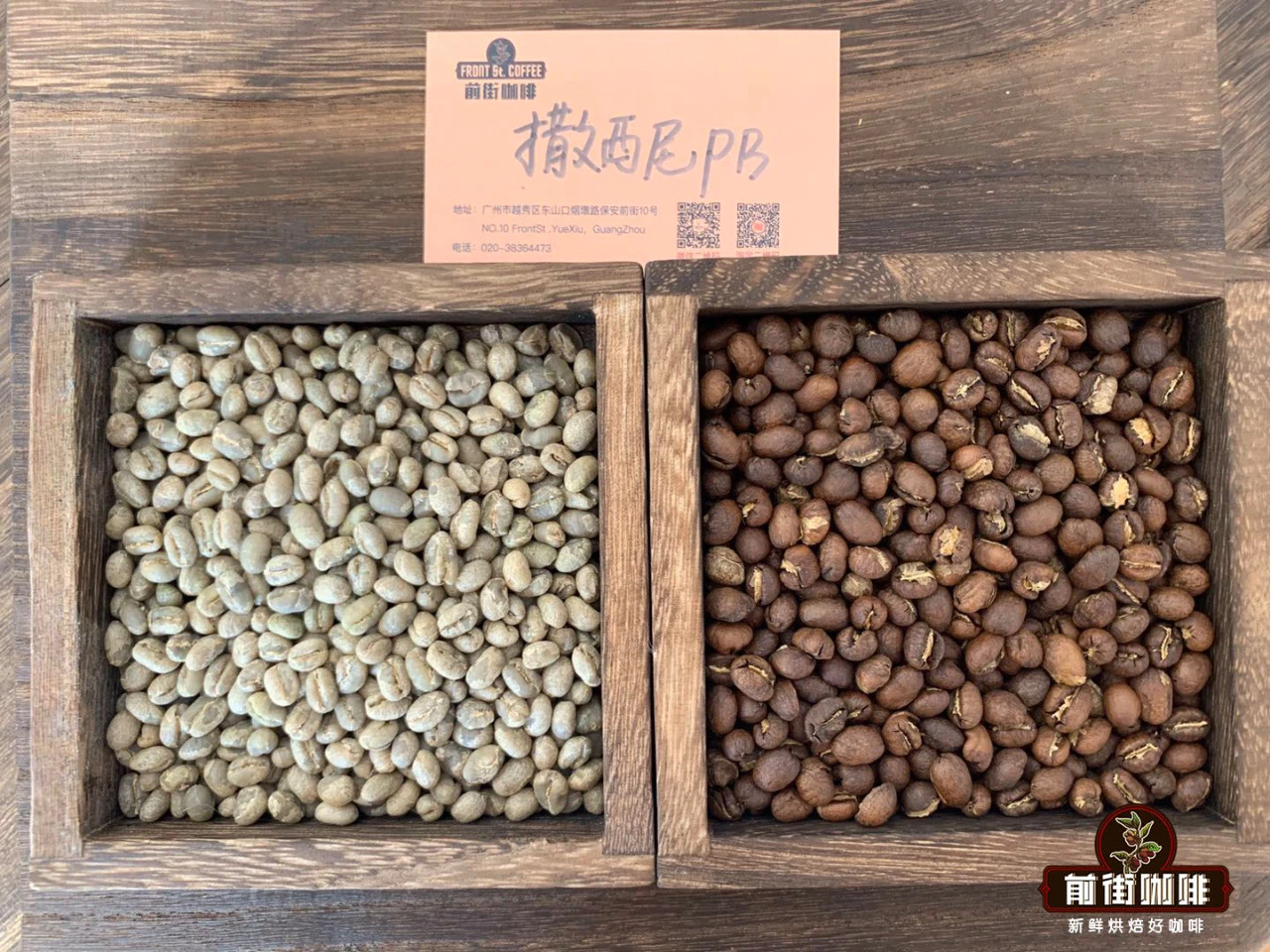
• PB (Peaberry): Round beans formed when a single seed develops instead of two, accounting for about 10% of total production
Auxiliary grading includes C (14–15 mesh), TT (lightly screened beans), T (broken beans), and the MH/ML grades for domestic use.
Cupping-oriented upgrade standards (unofficial) further subdivide AA and AB into three flavor grades: TOP, PLUS, and FAQ, where the TOP grade represents the best performance of that batch. It should be noted that,physical size does not equate to flavor quality,and actual cupping performance still requires comprehensive evaluation.
Kenya’s coffee trading system is known for its transparency, comprising two main channels:
1. Nairobi Coffee Exchange Auctions (85%): A centralized bidding system operating since 1937, using an agent bidding system, with partial direct trade windows introduced since 2006
2. Direct Trade (15%): Roasters negotiate prices directly with producers, commonly seen in high-quality special selections
The auction system determines the base price through cupping scores, with a mechanism directly linking quality and price, effectively safeguarding farmers’ income and maintaining market competitiveness.
Practical Pour-Over Recommendations (Using AA-Grade Washed Beans):
• Equipment: V60 dripper
• Water Temperature: 90°C
• Grind Size: 80% passing through a Chinese standard No. 20 sieve (size of fine sugar crystals)
• Coffee-to-Water Ratio: 1:15
• Process: 30g water for 30-second bloom → pour in stages to 125g → continue to 225g → total extraction time of 2 minutes
Key Tips: Use a sieve to check grind uniformity. If the flow is too fast, adjust to a finer grind; if too slow, do the opposite. Stage brewing balances acidity and sweetness, highlighting Kenyan beans’ signature black plum and cherry tomato notes.
Extended Flavor Comparison (AA vs PB):
Both share common traits of bright black plum, cherry tomato base, and honey sweetness. However, AA grade shows stronger acidity layers and citrus notes, suitable for those who prefer a clear structure. PB peaberry beans present a rounder berry sweetness and honey finish, with an overall smoother and more unified mouthfeel. It is recommended to try vertical tastings of different grades from the same region to experience the actual impact of bean size on flavor.
The above content is compiled by CoffeeHunters, a coffee news website.


