








Introduction:The Catuai beans from the Sweet Orange Estate in Honduras, processed using the washed method, showcase a bright and captivating profile of spices and berries. This article delves into the estate’s regional background, varietal characteristics, and roast design rationale, while also providing tested light roast pour over parameters — including grind size, water temperature, brew ratio, and a three-stage extraction technique — to help you master the full brewing approach for this Central American specialty bean.
As the largest coffee-producing country in Central America, Honduras may have started its coffee industry later than others, but thanks to its superior natural conditions and continuous quality improvements, it has become one of the world’s key Arabica exporters. The La Paz region in the southwest of the country offers a high-altitude environment ideal for growing premium coffee. Among them, the washed Catuai beans from the Sweet Orange Estate stand out with their unique spicy, roasted peanut dry fragrance and soft berry acidity, making them a favorite among many pour over enthusiasts.
Grown at an altitude of 1425 meters, these beans fall under the SHB (Strictly High Grown) grade and are processed using the washed method, which fully preserves the clean acidity and delicate sweetness characteristic of the Catuai variety. In terms of roasting, a light roast strategy is adopted to highlight its bright fruit acidity and rich aromatic layers. Observing the beans, they have a medium density, with the yellowing point occurring at approximately 5 minutes and 15 seconds, followed by noticeable Maillard reactions. First crack begins around 9 minutes and 11 seconds at a temperature controlled at 192.4°C, and the beans are dropped 2 minutes after first crack to retain as much of their inherent flavor as possible.

In terms of flavor profile, this coffee’s dry fragrance features distinct notes of spices and roasted peanuts. During the hot brew stage, you can perceive a soft berry acidity, accompanied by layers of orange, cantaloupe, and creaminess, while the finish reveals notes of nuts, dark chocolate, and the tea-like character of genmaicha. The overall flavor structure is balanced and layered. Especially in the mid-to-late stages, the genmaicha-like aftertaste effectively balances the overall acidity and sweetness, resulting in a smoother and more rounded flavor experience.
For this light roast bean, it is recommended to use a Hario V60 dripper. The optimal water temperature is set at 90°C, with a suggested dose of 15 grams of coffee and a brew ratio of 1:15. For grind size, aim for about 80% extraction through a standard #20 sieve — that is, a medium-fine grind level — which helps maintain both clarity in flavor expression and balance in extraction.
In practical brewing, it is recommended to use a staged extraction method: start with a 30-second bloom using 30 grams of water to activate the coffee’s aromatic release; then pour in a slow, circular motion until reaching 125 grams and pause briefly; finally, as the water level begins to expose the coffee bed, continue pouring up to 225 grams and finish the extraction. The total brew time should be controlled around 1 minute and 58 seconds, which effectively showcases the bean’s vibrant acidity and aromatic complexity while avoiding over-extraction that could lead to astringency or off-flavors.
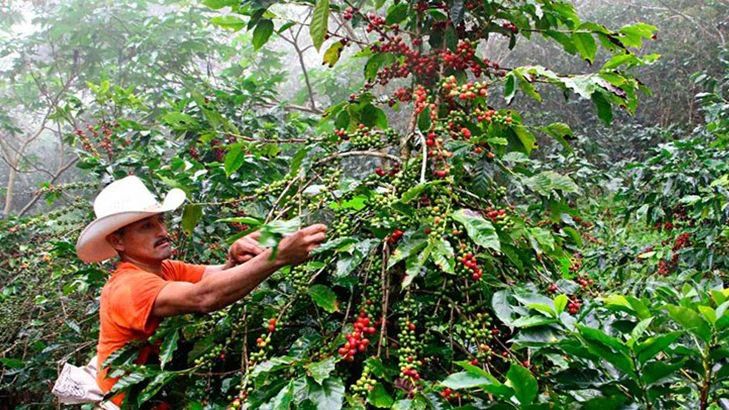
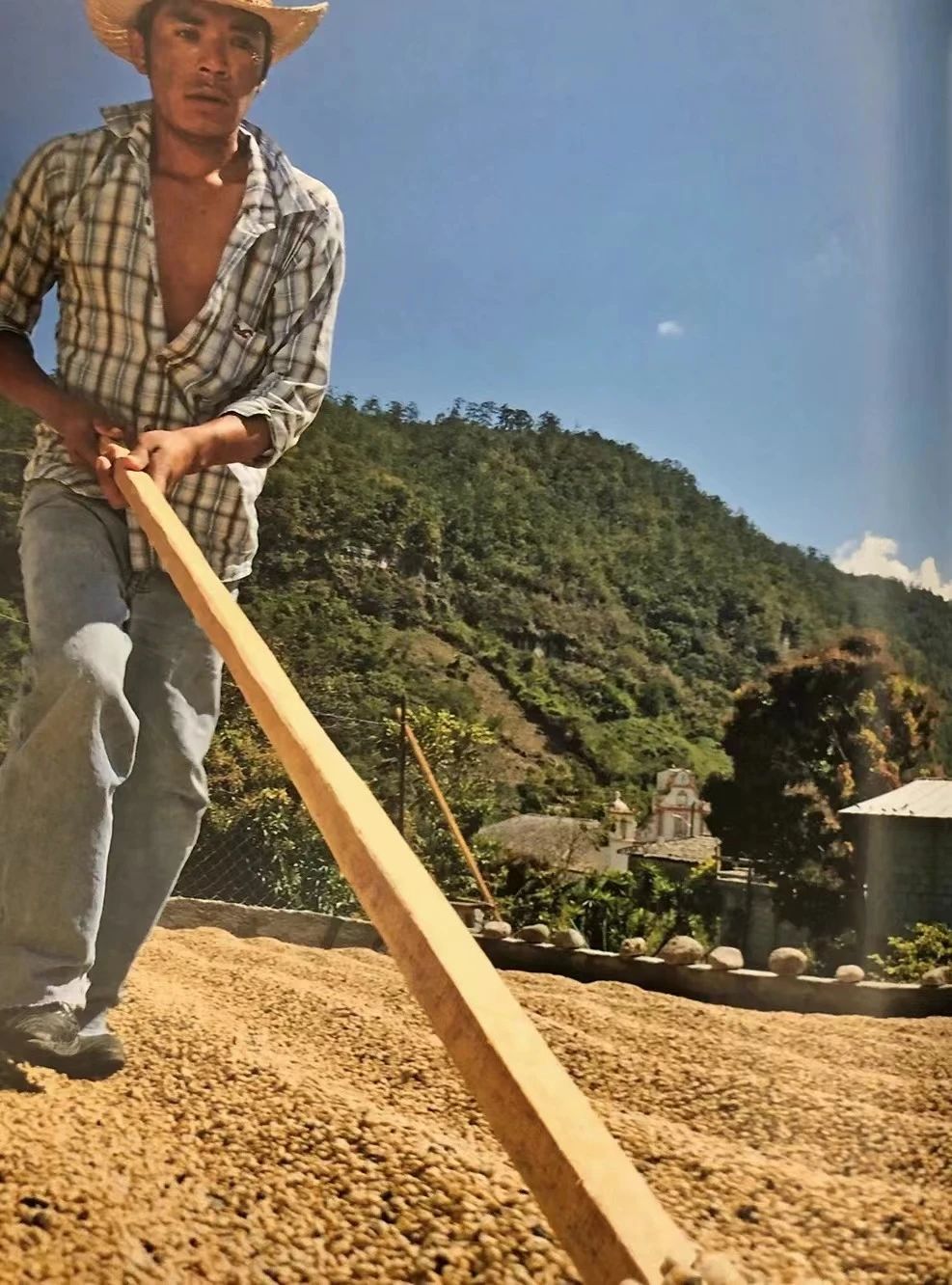
Honduras’ coffee-growing regions are mainly located in the western and southern parts of the country, with the La Paz region standing out due to its high elevation and stable climate — making it an ideal terroir for cultivating specialty coffee. Coffees from this area generally exhibit clear acidity, rich fruit notes, and good sweetness, and the Sweet Orange Estate is among the best of them. Beyond its geographical advantages, local processing techniques have also been gradually refined, and the use of washed processing elevates the coffee’s cleanliness and flavor purity to new heights.
During the roasting process, the team pays special attention to controlling the timing of the yellowing point and Maillard reactions to ensure that the coffee’s aroma can develop fully, while avoiding over-development that could lead to flavor monotony. The control of heat and air vent settings during first crack is crucial — an appropriately strong flame and large air vent help the coffee smoothly enter first crack and maintain a stable temperature curve, thereby highlighting the richest aromas and achieving a balanced acidity and sweetness.
For beginner pour over enthusiasts, the ease of brewing this coffee is also a major highlight. As long as you manage water temperature, grind size, and brew time well, even novice brewers can easily extract its bright fruit acidity and soft sweetness. It is recommended to pay attention to the stability of the water flow and the evenness of the coffee bed during brewing, avoiding localized over-extraction or under-extraction, in order to achieve the most ideal flavor outcome.
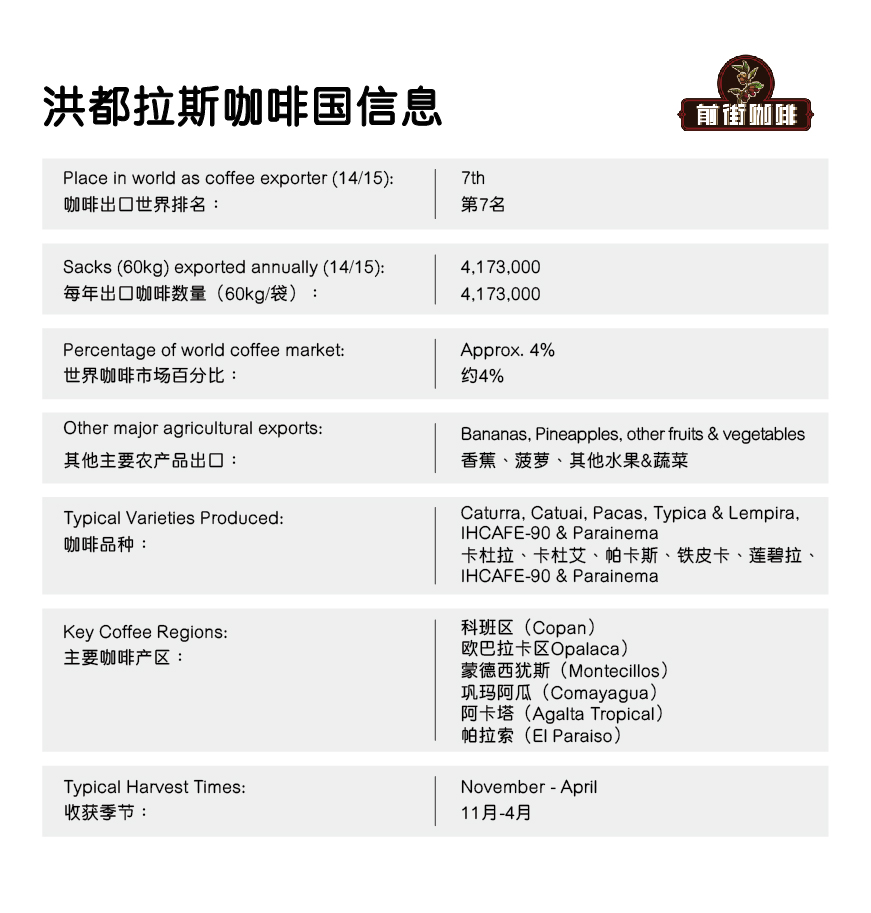
Overall, the washed Catuai beans from Honduras’ Sweet Orange Estate, with their unique spicy, roasted peanut dry fragrance, soft berry acidity, and rich aftertaste layers, demonstrate the diverse charm of Central American coffee. Through appropriate light roasting and precise pour over parameters, the full potential of these beans can be fully realized — making them a highly recommended choice for both everyday enjoyment and deeper exploration of coffee flavors.
The above content is compiled by CoffeeHunters, a coffee news website.


