








Introduction:Kenyan coffee is renowned for its bright acidity and rich berry aroma, with its unique K72 double washed processing method being the core element that creates its distinctive flavor profile. This article delves into the origin background of Kenyan coffee, the characteristics of the SL-28 and SL-34 varieties, and takes you through the detailed processing steps of the K72 wash. It also provides practical cold brew extraction parameters and steps to help you brew a balanced, sweet-and-sour, and layered Kenyan-flavored coffee at home.
Kenyan coffee has long been celebrated for its vibrant acidity and bold fruitiness, securing a place in the global specialty coffee market. Its flavor profile often features pronounced notes of berries, citrus, and high-sugar berries, with a full body and distinct layers. This unique cup character stems not only from its exceptional growing environment but is also closely tied to the region’s signature K72 double washed process.

Located in East Africa and straddling the equator, Kenya’s terrain is predominantly plateau, with an average altitude of 1,500 meters. Mount Kenya, the country’s highest peak and the second tallest in Africa, stands at 5,199 meters with snow-capped summits year-round. The nation enjoys a tropical climate, but due to its high elevation, experiences significant day-night temperature variations along with two rainy seasons per year. These conditions allow coffee trees to mature slowly in a cool environment, aiding the accumulation of flavor compounds and resulting in crisp acidity and juicy fruitiness.
Kenyan coffee is primarily grown in the volcanic soil belt surrounding Nairobi, the capital, and the foothills of Mount Kenya, with altitudes mostly ranging between 1,600 and 2,100 meters. High elevation slows the ripening of coffee cherries and enhances bean density and aroma complexity, making it an ideal environment for cultivating high-quality coffee.
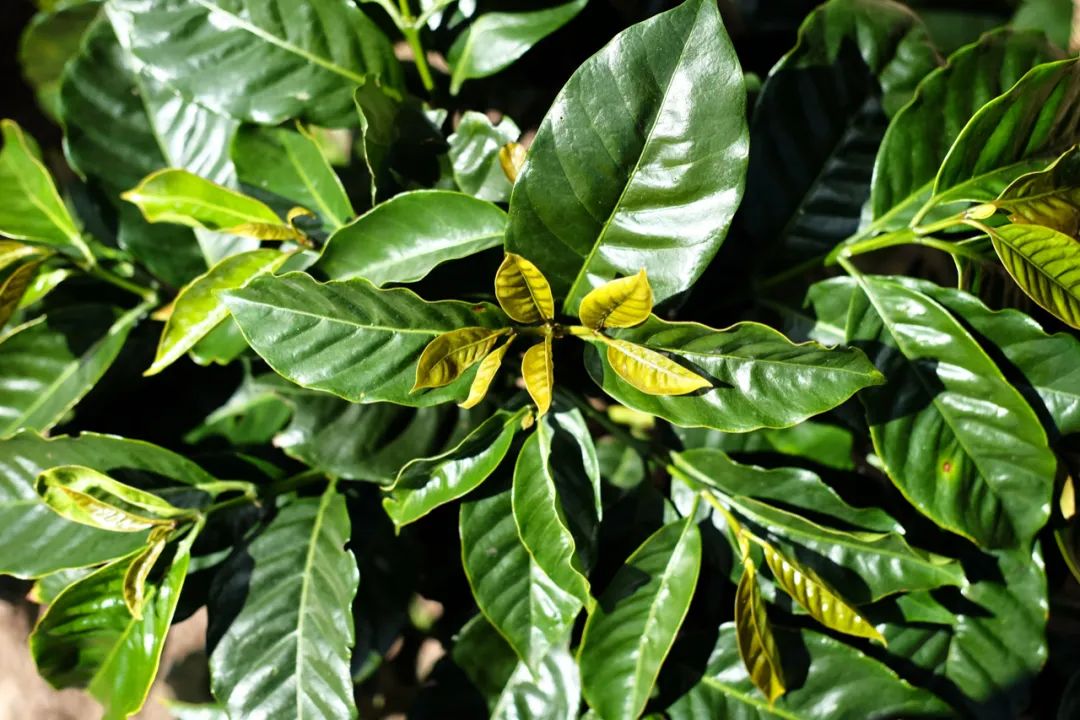
Among the many factors influencing coffee flavor, variety plays a crucial role. The outstanding performance of Kenyan coffee is inseparable from two classic varieties: SL-28 and SL-34. These two cultivars were developed by the local Scott Laboratories (abbreviated as SL) in the 1930s, with the goal of identifying coffee tree varieties capable of adapting to Kenya’s high altitudes and variable climates while also possessing commercial potential. SL-28 and SL-34 are not only highly resistant to disease, but they also exhibit intense acidity, rich fruitiness, and remarkable flavor clarity.
Kenyan coffee is commonly processed using the washed method, with the most iconic being the “K72 double washed process.” This technique gives Kenyan coffee exceptional cleanliness and a well-defined sweet-and-sour profile, distinguishing it from other origins. The K72 washing process is quite intricate: harvested coffee cherries are first floated to remove unripe or overripe beans, after which the pulp is removed. Then comes the first fermentation. Fermentation typically occurs in specially designed tanks divided into upper and lower sections. The beans ferment on the upper level for about 12 to 24 hours, then are washed to remove mucilage before being transferred to the lower section for a second fermentation lasting 36 hours. The total fermentation time can reach 48 to 72 hours, hence the name “K72.”
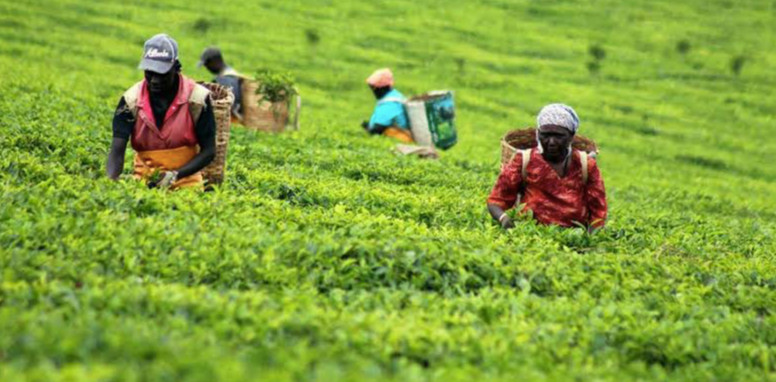
This double fermentation not only effectively removes mucilage but also enhances the content of acetic acid and other organic acids in the beans by controlling fermentation conditions, thereby intensifying the brightness and clarity of the acidity. The process requires strict control over water temperature and frequency of water changes to prevent over-fermentation, which could lead to off-flavors or excessive sourness. After fermentation, the beans undergo multiple rinses before being sun-dried until their moisture content stabilizes.
This processing method imparts a highly recognizable berry-like acidity to Kenyan coffee, with common flavor notes including blackcurrant, grapefruit, citrus, as well as delicate undertones of cherry tomato and berries. Many coffee enthusiasts particularly appreciate the juicy sensation that Kenyan coffee’s acidity delivers, a trait that allows it to shine in both hot and cold beverages.
If you want to brew the essence of Kenyan coffee at home, cold brew pour over is highly recommended. This method uses a low brew ratio and a concentrated coffee liquid, diluted with ice, to present a rich yet refreshing layering of flavors. Here are practical cold brew parameters and steps:
Use 15 grams of medium-fine ground coffee (recommended grind size passing about 80% through an 0.85mm sieve, e.g., EK43s setting at 9.5), with 75 grams of ice, at a brew ratio of 1:10, and water temperature controlled around 92°C. First, place the ice in the bottom carafe, then add the coffee grounds into the filter and gently tamp. The first pour is 30 grams of hot water, using a small stream of about 3–4 ml/s in a circular motion from the center outward, allowing a 30-second bloom. The second pour is 60 grams of water, maintaining the same flow rate to avoid excessive liquid height. When the liquid in the filter is nearly drained, pour the remaining 60 grams of water at a rate of 3 ml/s. Total brew time is recommended to be between 1 minute 50 seconds and 2 minutes.

Regarding ice selection, it is recommended to use larger, statically frozen solid ice cubes, such as those made from large spherical or square molds, which melt more slowly and help more stably control brew temperature and dilution rate. If your ice cube tray is small, you can unmold the cubes and store them in a sealed container to maintain hardness. Additionally, ice cubes that have been refrozen have a tighter structure and offer better cooling performance, making them suitable for cold brew pour over.
After extraction, pour the coffee directly over the ice cubes, gently stir to mix, and drink immediately. This approach allows the coffee to initially present a bold flavor with distinct sweet-and-sour layers. As the ice melts, the mouthfeel becomes smoother, and the overall flavor transitions from complex to refreshing, showcasing the multi-layered charm of Kenyan coffee.
Whether you prefer a bright, acidic hot pour over or a refreshing, cool cold brew pour over, Kenyan coffee offers a layered tasting experience with its unique berry tones and rich body. Mastering the right processing knowledge and brewing techniques lets you easily enjoy this treasure of coffee from Africa’s highlands at home.
The above content is compiled by CoffeeHunters, a coffee news website.


